
Main Courses
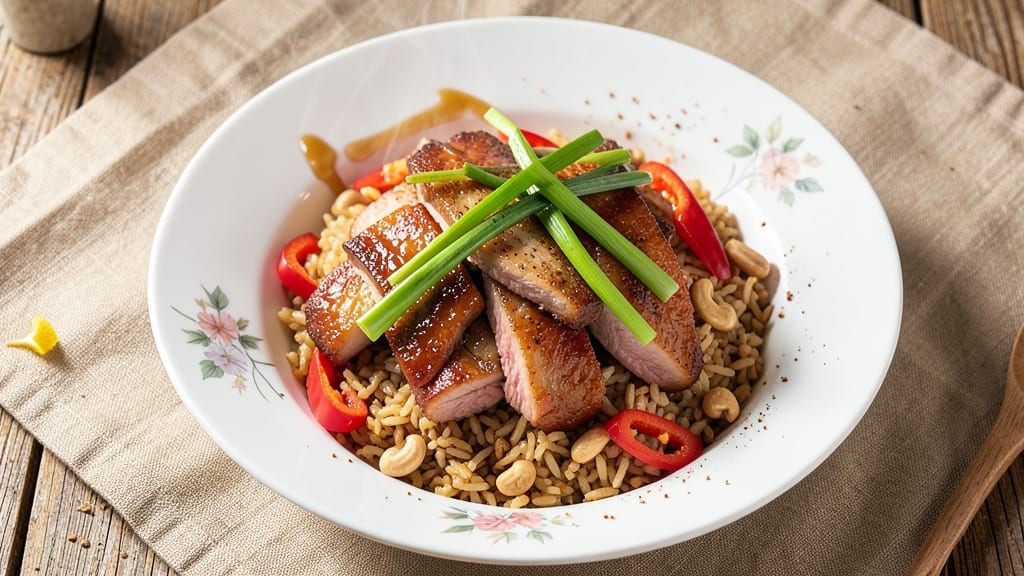
This char siu pork stir fry recipe transforms traditional Cantonese flavors into a restaurant-worthy weeknight meal. The secret lies in the five-spice marinade that creates a caramelized crust while keeping the meat tender.
I've perfected this technique over years of cooking for crowds, and it never fails to impress—whether you're feeding a family or just craving something special.
The process starts with marinating pork shoulder in a blend of hoisin, honey, and five-spice powder, then roasting until the edges crisp. What makes this dish special is how the flavors develop—the sweet-savory glaze caramelizes beautifully, while the wok-seared rice adds a smoky depth that ties everything together.
The result is a dish that balances authenticity with approachability.
By the time you're done, you'll have perfectly glazed pork with a crispy exterior and tender interior, served over fragrant rice that's been seared in the wok for extra flavor.
This is the kind of meal that feels like a celebration without requiring hours in the kitchen. The aroma alone will have everyone gathering at the table.
Pair with steamed bok choy or quick-pickled vegetables for a complete meal. The technique scales easily, so you can adjust portions for any occasion. Let's get started on creating this flavorful stir fry that brings a taste of Hong Kong to your dinner table.
Ingredients for char siu pork stir fry
The essential ingredients for restaurant-quality char siu pork stir fry, balancing sweet, spicy, and savory notes perfectly.
| Ingredient | Amount | Notes |
|---|---|---|
| Pork Shoulder 🥩 | 1 ½ lb | Bone-in for flavor, cut into 1-inch cubes |
| Hoisin Sauce 🍶 | ½ cup | Store-bought or homemade for authenticity |
| Honey 🍯 | ¼ cup | Wildflower for floral depth |
| Five-Spice Powder 🌶️ | 2 tbsp | Homemade blend preferred |
| Brown Sugar 🍚 | ¼ cup | Packed, dark variety |
| Garlic Cloves 🧄 | 6 cloves | Minced, aromatic foundation |
| Fresh Ginger 🌿 | 1 tbsp | Grated, for zesty balance |
| Sesame Oil 🫒 | 1 tbsp | Toasted, for nutty aroma |
| Jasmine Rice 🍚 | 2 cups | Uncooked, long-grain preferred |
| Vegetable Oil 🫒 | 2 tbsp | High smoke point for searing |
| White Wine 🍷 | ¼ cup | Dry, for deglazing |
| Low-Sodium Soy Sauce 🍶 | 1 tbsp | For umami depth |
| Scallions 🧅 | 3 whole | Sliced, for fresh finish |
| Sesame Seeds 🥜 | 1 tbsp | Toasted, for crunch |
| Salt 🧂 | 1 tsp | Kosher, for seasoning |
The pork shoulder is non-negotiable—bone-in adds flavor, and the fat keeps the meat juicy. Costco or local butchers often have it pre-cut, but if buying whole, ask for a chunk with good marbling. For the five-spice powder, Penzeys Spices or bulk bins at Asian markets carry authentic blends. Fresh ginger and garlic should smell vibrant—if they don’t, toss them. The hoisin sauce? Lee Kum Kee is the gold standard, but any quality brand works. Toast your sesame seeds in a dry pan for 30 seconds—they’ll taste infinitely better.
No five-spice powder? Mix 1 tsp cinnamon, 1 tsp fennel seeds, 1 tsp star anise, 1 tsp cloves, and 1 tsp black pepper for a DIY version. Substitute honey with maple syrup if needed, though the flavor won’t be identical. For the rice, jasmine is ideal, but basmati works in a pinch. The white wine can be swapped for extra chicken broth if you’re avoiding alcohol. And if you’re short on scallions, green onions or chives will do—just use twice the amount for the same punch. Always toast your sesame oil in the pan before adding other ingredients—this releases its nutty aroma and prevents a soapy taste.
Marinated pork keeps for 2 days in the fridge, but the flavor deepens after overnight marinating. Cooked rice reheats beautifully—just add a splash of water and microwave for 30 seconds. For extra crispiness, broil the pork for 2-3 minutes at the end. Store leftovers in airtight containers for 4 days, or freeze for 3 months. Pro tip: Portion the rice into individual containers before freezing—it reheats perfectly without drying out.
Why You'll Love This Recipe
- Pantry-Friendly Magic: I swear by this one when I forget to shop. Five-spice powder and hoisin are my secret stash ingredients—always in my cabinet—so I can pull this together even when my fridge is sad. The pork shoulder stays juicy while the sauce caramelizes, and honestly? That sticky glaze is the kind of flavor that makes you question why you ever ordered takeout.
- Sweet-Savory Balance: The honey and brown sugar give it this irresistible sheen, but the five-spice powder—clove, cinnamon, star anise—adds depth that’s chef’s kiss. It’s not too sweet, not too spicy, just that perfect harmony where every bite makes you pause. My kids fight over the last piece, and I don’t even cook for them.
- Leftover Reinvention: Between us, this is my go-to for lazy Sundays. Roast a big batch of pork, then repurpose it into fried rice, banh mi, or even a quick noodle stir-fry. The glaze keeps it flavorful even after reheating, and I’ve never had leftovers that didn’t feel like a treat. (Yes, even on a Tuesday night.)
- Budget Stretch: Pork shoulder is cheap, and this recipe feeds four for under $15. The hoisin and honey make it feel fancy without breaking the bank, and the five-spice powder is a one-time buy that lasts forever. I’ve made this for date nights, family dinners, and even potlucks—no one ever guesses it’s not from a restaurant.
Step-by-step instructions for char siu pork stir fry
Here's how to transform tender pork shoulder into fragrant, caramelized char siu that melts over perfectly seared jasmine rice.
Marinate the Pork Shoulder for Deep Flavor
In a large mixing bowl, combine the 1.5 lb pork shoulder with the 2 tbsp five-spice powder, 1 tsp salt, 6 cloves minced garlic, and 1 tbsp grated fresh ginger. Massage the mixture into the meat until fully coated—this ensures every bite carries that signature five-spice aroma. Let it sit at room temperature for 30 minutes while you prepare the glaze.
In a separate bowl, whisk together the 0.5 cup hoisin sauce, 0.25 cup honey, 0.25 cup packed brown sugar, 1 tbsp low-sodium soy sauce, and 0.25 cup white wine until smooth and glossy. The glaze should be thick enough to cling but still flow easily. Pour this over the marinated pork, coating it completely. Cover and refrigerate for at least 4 hours, preferably overnight—this long marinating time creates that signature sticky, caramelized crust.
Cook the Jasmine Rice with Wok-Seared Technique
Rinse the 2 cups jasmine rice thoroughly under cold water until the water runs clear. This removes excess starch and prevents gummy rice. In a pot, combine the rice with 4 cups water (or follow package instructions) and bring to a boil. Once boiling, reduce heat to low, cover, and simmer for 15 minutes. Turn off the heat and let it steam for another 10 minutes—this resting period develops the rice's signature floral aroma.
For the wok-seared finish, heat a wok or large skillet over high heat with 2 tbsp vegetable oil. Add the cooked rice and stir-fry for 3-4 minutes until the grains become slightly crispy at the edges. This quick searing adds texture contrast to the creamy rice. Remove from heat and set aside, covered, while you prepare the pork.
Roast the Char Siu to Perfect Caramelization
Preheat your oven to 375°F. Transfer the marinated pork to a foil-lined baking sheet, spreading it in an even layer. Roast for 45-50 minutes, turning the pork over halfway through, until the exterior is deep mahogany brown with a sticky glaze. The internal temperature should reach 160°F—this ensures tender, juicy meat without drying it out.
For extra caramelization, broil for the last 2-3 minutes of cooking. Watch closely—you want the glaze to bubble and darken but not burn. Let the pork rest for 10 minutes before slicing against the grain into ¼-inch thick strips. This resting period allows the juices to redistribute, keeping each bite succulent.
Assemble the Stir Fry with Crunchy Garnishes
Slice the 3 whole scallions into ¼-inch rounds and set aside. Heat a clean wok or skillet over medium-high heat with 1 tbsp sesame oil. Add the sliced pork in a single layer and sear for 1-2 minutes until heated through. The residual glaze will bubble and create a glossy finish—this is your signal it's ready.
To serve, spoon the wok-seared rice onto plates, top with the char siu pork, and scatter with the sliced scallions and 1 tbsp toasted sesame seeds. Drizzle any remaining glaze from the pan over the top for extra flavor. The contrast of crispy rice, tender pork, and fresh scallions makes every bite unforgettable.
Pro Tips For Making Char Siu Pork Stir Fry
- Marinate Overnight: Pork shoulder needs time to soak up those flavors—at least 8 hours, preferably overnight. I used to rush it, thinking a few hours would do, but the meat stays dry and flavorless. Trust me, your future stir-fry will taste like it came from a dim sum cart.
- High Heat First: Start your stir-fry with the pan screaming hot—no, seriously, crank it up. The pork should sizzle immediately; if it’s just steaming, you’re losing that caramelized crust. After the first 2 minutes, drop the heat to medium-high to avoid burning the honey and hoisin.
- Skip the Crowding: Pork shoulder releases a ton of liquid when it hits the pan. Don’t pile it all in at once—work in batches if needed. I learned this the hard way when my stir-fry turned into a soggy mess. Let that meat breathe for a crispy exterior.
- Deglaze with Vinegar: After cooking the pork, splash in 1 tablespoon of rice vinegar when you add the hoisin and honey. It cuts through the sweetness and adds a bright tang that balances the five-spice. Sounds weird, but it works—my grandmother swore by this, and she was right.
Creative variations of this recipe
Cantonese Home-Style
For a more traditional approach, swap the stir-fry technique for a classic roasted char siu served over steamed rice. I often make this version for family gatherings—simply roast the pork as directed, then slice thinly and serve with steamed jasmine rice and quick-pickled cucumbers.
The key is to slice the pork against the grain into ⅛-inch thick pieces for maximum tenderness. Garnish with extra scallions and sesame seeds for that authentic Hong Kong diner feel. 🌟
Spicy Sichuan Fusion
Add a kick by incorporating 1 tbsp Sichuan peppercorns into the marinade and finishing with 1 tsp chili crisp (like Lao Gan Ma). The numbing heat of Sichuan peppercorns pairs perfectly with the sweet-savory char siu.
I like to serve this version with stir-fried bok choy and a side of spicy doubanjiang sauce for dipping. The contrast of textures and flavors is incredible—trust me, your taste buds will thank you. 🔥
Asian-Inspired Tacos
Turn this into a fun, interactive meal by serving the char siu in corn tortillas with toppings like kimchi, quick-pickled onions, and sriracha mayo. The sweet glaze of the pork balances the tangy kimchi beautifully.
I often make this for game day—it’s a crowd-pleaser that feels both familiar and exciting. Pro tip: Warm the tortillas in a dry skillet for 20 seconds per side to keep them pliable. 🌮
Breakfast Char Siu
Transform this dish into a hearty breakfast by serving the char siu over scrambled eggs with crispy hash browns. The sweet-savory pork adds a unique twist to a classic breakfast plate.
I like to add a sprinkle of crumbled bacon and sliced avocado for extra richness. This version is perfect for brunch or a lazy weekend morning—it’s like a Cantonese-inspired brunch bowl. 🍳
Char Siu Fried Rice
Use the leftover char siu to make a quick and delicious fried rice.
Sauté 2 cups day-old jasmine rice with 1 tbsp vegetable oil in a wok, then add the sliced pork along with 1 cup frozen peas and carrots, 2 tbsp soy sauce, and 1 tbsp sesame oil. Finish with green onions and sesame seeds.
This dish is a fantastic way to repurpose leftovers and create something new—plus, it’s ready in under 15 minutes. ✨
Char Siu Pizza
For a fusion twist, use the char siu as a topping on a homemade pizza crust.
Spread a thin layer of garlic white sauce (mix ½ cup mayonnaise, 2 minced garlic cloves, and 1 tbsp lemon juice) and top with sliced char siu, mozzarella cheese, and sliced jalapeños. Bake at 425°F for 12-15 minutes until the crust is golden.
The sweet and savory pork pairs surprisingly well with the tangy cheese and spicy jalapeños. 🍕
Nutrition facts
Frequently asked questions
Can I use pork tenderloin instead of pork shoulder?
The recipe calls for pork shoulder because it's more forgiving and stays juicy during roasting. Pork tenderloin is leaner and can dry out, but if you must use it, slice it ½-inch thick and reduce roasting time to 20-25 minutes at 375°F. Marinate it for at least 6 hours to compensate for the lack of fat.
How do I make the glaze extra sticky and glossy?
For a restaurant-quality glaze, reduce the sauce mixture on the stovetop first. Combine hoisin, honey, brown sugar, soy sauce, and wine in a saucepan over medium-low heat for 10-15 minutes, stirring constantly, until it thickens to a syrup-like consistency. Brush this reduced glaze on the pork before roasting for maximum shine and stickiness.
What's the best way to reheat leftovers?
Reheat sliced char siu in a skillet over medium heat with 1 tbsp water or broth for 2-3 minutes until warmed through. For rice, microwave with a damp paper towel over it for 1 minute, then stir-fry in a dry pan for 1-2 minutes to restore crispiness. Never microwave pork directly—it makes the glaze rubbery.
Can I substitute five-spice powder with something else?
For a quick substitute, mix 1 tsp cinnamon, ½ tsp cloves, ½ tsp fennel seeds, ½ tsp black pepper, and ¼ tsp star anise. Toast the spices in a dry pan for 30 seconds first to enhance their aroma. If you can't find these, a blend of 1 tsp chili powder and ½ tsp cumin adds warmth, though it won't be identical.
Why did my pork turn out dry?
Overcooking is the most common cause. Use a meat thermometer and remove pork when it hits 160°F—not 170°F. Let it rest for 10 minutes before slicing, and avoid cutting into it while roasting. For extra moisture, brush the pork with 1 tbsp honey halfway through cooking. Bone-in cuts stay juicier than boneless.