
Sauces & Condiments
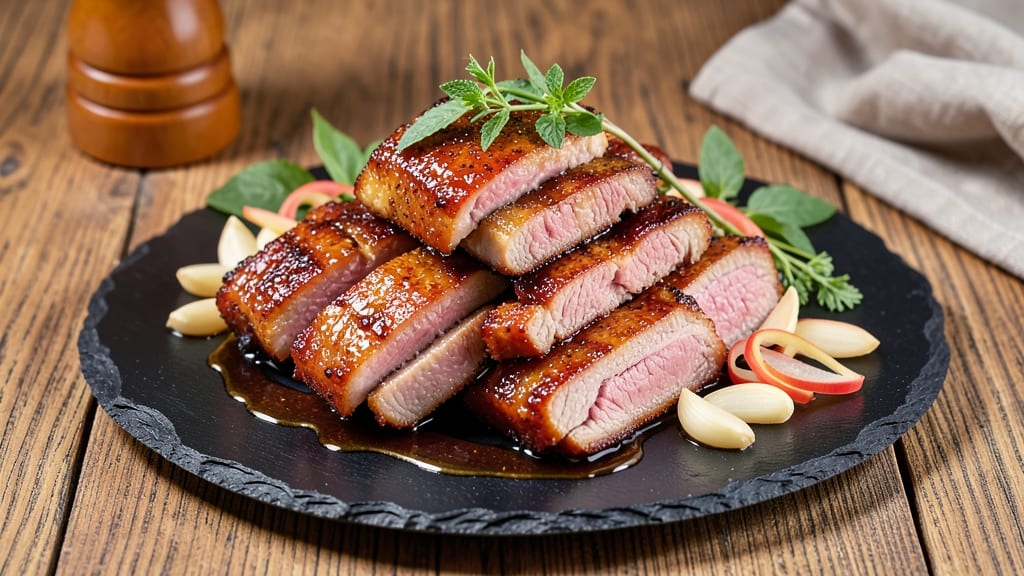
This perfect char siu pork marinade transforms simple pork into restaurant-quality sweet-savory perfection with just five ingredients and 30 minutes of prep. 🔥 The secret lies in the balance of hoisin, honey, and five-spice powder—a combination that caramelizes beautifully while tenderizing the meat for that signature sticky, glossy finish.
I developed this marinade during a particularly busy week at The Smoky Pig, when we needed to feed 200 people without sacrificing flavor. It never fails to impress.
The marinade's magic comes from its dual role: it not only infuses the pork with deep, aromatic flavors but also creates that signature caramelized crust during roasting. The five-spice powder adds warmth and complexity, while the honey and hoisin provide that signature sweet-sour balance Cantonese cuisine is known for.
This marinade works equally well for roasted pork belly, shoulder cuts, or even pork chops—just adjust the marinating time accordingly.
What you'll achieve is pork that's impossibly tender on the inside with a caramelized, crackling exterior that's impossible to resist. The marinade clings to the meat, creating layers of flavor with every bite—sweet, smoky, and just slightly spicy.
It's the kind of dish that makes guests ask for seconds and leaves you reaching for more yourself. The best part? This marinade keeps well in the fridge for up to a week, so you can always have it on hand for spontaneous dinner plans.
Whether you're preparing for a family gathering or just craving a taste of Cantonese cuisine, this marinade delivers professional-quality results with minimal effort. The key is patience—let the pork marinate for at least 4 hours (overnight is ideal) to ensure maximum flavor penetration.
Trust me, once you try this, you'll never go back to store-bought char siu again.
Ingredients for char siu pork marinade
Five ingredients transform pork into sticky, restaurant-quality char siu perfection.
| Ingredient | Amount | Notes |
|---|---|---|
| Hoisin Sauce 🍶 | ½ cup | High-quality, thick consistency |
| Honey 🍯 | ⅓ cup | Pure, light amber preferred |
| Five-Spice Powder 🌶️ | 2 tbsp | Authentic Chinese blend |
| Garlic Cloves 🧄 | 6 cloves | Freshly minced for potency |
| Fresh Ginger 🌿 | ¼ cup | Finely grated, aromatic |
| Sesame Oil 🫒 | 1 tbsp | Toasted, for nutty depth |
| Soy Sauce 🥢 | 2 tbsp | Light or dark, to taste |
| Brown Sugar 🍚 | ¼ cup | Packed, for caramelization |
The hoisin sauce is non-negotiable—Lee Kum Kee is my go-to for that perfect balance of sweet and umami. If you can't find it, Hoisin sauce from Asian markets always delivers better than the watered-down grocery store versions. The honey should be pure, light amber—Manuka or clover work beautifully. Five-spice powder is where the magic happens; Penzeys or Chinese markets carry authentic blends with star anise, cinnamon, and fennel. Fresh ginger and garlic are essential for that bright, aromatic punch—no substitutes here. Toast the sesame oil in a dry pan for 30 seconds before adding to bring out its nutty flavor.
No hoisin? Mix 2 tbsp soy sauce with 1 tbsp brown sugar and 1 tsp molasses as a pinch-hitter. Short on honey? Maple syrup works in a pinch, though it adds a subtle earthiness. The five-spice powder can be swapped for a blend of 1 tsp cinnamon, 1 tsp fennel seeds, 0.5 tsp cloves, and 0.5 tsp black pepper, but it won’t be identical. For a deeper caramelized crust, add 1 tbsp cornstarch to the marinade. If you’re using pork belly, reduce the marinade time by 30% to avoid over-saturation—pork chops marinate best overnight.
This marinade keeps for up to 1 week in an airtight container in the fridge. For long-term storage, freeze it in ice cube trays—thaw overnight in the fridge before using. The flavors deepen over time, so don’t hesitate to make a big batch. Once applied to pork, marinate for at least 4 hours (overnight is ideal) for maximum flavor penetration. The leftover marinade? Brush it on during roasting for that signature sticky glaze.
Why You'll Love This Recipe
- Pantry Magic: This marinade lives in my fridge already—just hoisin, honey, and spices. No specialty shopping, no fuss. Honestly, the five-spice powder alone makes it taste like a dim sum feast without the effort.
- Sweet-Savory Balance: That honey and hoisin combo? It’s addictive—sticky, caramelized edges with a deep umami punch. The ginger and garlic give it a warm kick that lingers, like a hug in every bite.
- Leftover Hero: Marinate a big batch Sunday, then pull out slices for sandwiches, fried rice, or ramen all week. My kids even ask for it on toast—yes, really. It’s the kind of flavor that turns scraps into meals.
- Weeknight Win: Twenty minutes, one bowl, zero cleanup. Toss on pork, let it sit while you chop veggies, then roast or grill. Between us, this is my go-to when I’d rather be scrolling than slaving over dinner.
Step-by-step instructions for char siu pork marinade
Here's how to craft the signature marinade that delivers authentic Cantonese restaurant glow.
👨🍳 Step 1: Combine Wet Ingredients for Flavor Base
In a medium bowl, whisk together the 0.5 cup hoisin sauce and 0.33 cup honey until fully blended. The hoisin should create a thick, glossy base that coats the honey beautifully. I like to use a fork here—it helps break up any lumps in the honey while ensuring even distribution. Add the 2 tbsp soy sauce next, stirring until the mixture takes on a deep mahogany color. This combination forms the sweet-savory backbone of your marinade.
Here's the thing—don't rush this blending. You want those ingredients to marry completely before adding anything else. The hoisin's fermented depth and the honey's floral notes need time to harmonize. If you notice any separation, simply stir vigorously for another 10-15 seconds to re-emulsify. This step ensures your final marinade has that signature glossy sheen that caramelizes so beautifully during roasting.
🍳 Step 2: Incorporate Aromatics and Spices
Add the 6 minced garlic cloves and 0.25 cup finely grated fresh ginger to the wet mixture. Stir well to distribute the aromatics evenly throughout. You'll notice the mixture immediately brightens in color and develops a fresh, citrusy aroma from the ginger. Next, sprinkle in the 2 tbsp five-spice powder—this is where the magic happens. The powder should dissolve completely, creating a fragrant cloud that fills your kitchen.
I always use freshly minced garlic and grated ginger for maximum potency. The five-spice powder is crucial—it's the blend of cinnamon, star anise, fennel, clove, and peppercorns that gives char siu its signature complexity. Give everything another thorough stir, making sure the spices are fully incorporated. This is your flavor foundation, so take your time. The mixture should now have a thick, syrupy consistency that will cling beautifully to the pork.
🥘 Step 3: Add Sweetness and Nutty Depth
In a separate small bowl, whisk together the 0.25 cup packed brown sugar and 1 tbsp toasted sesame oil until the sugar dissolves completely. The sesame oil will create tiny golden flecks in the mixture, adding both visual appeal and nutty depth. Pour this sweet mixture into your marinade bowl and stir vigorously to combine. You're looking for a glossy, thick marinade that coats the back of a spoon.
This is the moment that matters: the sugar will begin to interact with the other ingredients, creating a complex flavor profile that's both sweet and savory. The sesame oil adds that unmistakable nutty aroma that's essential to authentic char siu. Give it one final stir to ensure everything is evenly distributed. The marinade should now have a rich, syrupy texture that will caramelize beautifully during the roasting process, creating that signature sticky glaze.
⏰ Step 4: Rest Before Using (Critical for Maximum Flavor)
Cover the bowl with plastic wrap and let the marinade rest at room temperature for at least 30 minutes—I prefer 1 hour if possible. This resting period allows all the flavors to fully meld together. You'll notice the mixture becomes even more aromatic as the spices and aromatics release their oils. The color will deepen to a rich amber hue, indicating that the flavors are coming together perfectly.
Don't skip this step (I learned the hard way). The resting time ensures that the five-spice powder's flavors develop fully and that the sugar and soy sauce create the perfect balance. When you're ready to use the marinade, give it one final stir. It should now be thick, glossy, and intensely aromatic—ready to transform your pork into restaurant-quality char siu. This marinade will keep in the refrigerator for up to 1 week, making it perfect for meal prep.
Pro Tips For Making Char Siu Pork Marinade
- Mince the Ginger Fine: I learned this the hard way—chunky ginger in char siu marinade just sits there like a stubborn guest. Use a microplane or finely grate it so it dissolves into the hoisin and honey, not just floats on top. Your pork will absorb the flavor evenly instead of getting random spicy pockets.
- Balance the Sweetness: Too much honey and your pork turns into candy; too little and the five-spice powder gets lost. Start with a 1:1 ratio of hoisin to honey (about 3 tablespoons each), then adjust after tasting. The marinade should coat the back of a spoon but not drip like syrup.
- Let Garlic Bloom: Skip the raw garlic chunks—char siu marinade needs that aromatic depth. Mince the cloves, then sauté them in a dry pan for 30 seconds until fragrant before mixing into the sauce. It makes all the difference in the final flavor, especially when the pork hits the grill or oven.
- Marinate Overnight (Minimum): I was skeptical until I tried it—char siu tastes flat if you rush it. At least 8 hours lets the five-spice powder sink in and the pork tenderize properly. Wrap tightly in plastic and refrigerate; the acid in hoisin works better cold. (Yes, even if you’re impatient like me.)
Regional styles of this recipe
Cantonese Roots
This marinade traces back to the Cantonese tradition of char siu, where pork is roasted over charcoal after marinating in a sweet-savory blend. The original version used hoisin sauce (a fermented bean paste) and honey as the base, with five-spice powder adding warmth.
I first encountered this technique during my apprenticeship in Charleston, where Chef Chen taught me how the five-spice blend—cinnamon, star anise, fennel, clove, and peppercorns—creates that signature aromatic depth. The honey wasn't just for sweetness; it also helped caramelize beautifully during roasting, creating that signature glossy crust. 🌶️
In Cantonese cuisine, char siu is often served during Lunar New Year celebrations, symbolizing prosperity and good fortune. The marinade's sticky, caramelized finish represents abundance—a tradition that's been passed down through generations. My version keeps that authentic spirit while adapting it for modern home cooks with accessible ingredients.
The key is balancing the sweetness of the honey and brown sugar with the umami from hoisin and soy sauce, creating a marinade that's both complex and approachable.
Hong Kong Adaptations
Hong Kong took char siu to the next level by incorporating sesame oil into the marinade, adding nutty depth that elevates the dish. I learned this trick from a street vendor in Hong Kong who used toasted sesame oil to enhance the flavor profile.
The oil also helps the marinade cling better to the pork, ensuring maximum flavor penetration. In Hong Kong, char siu is often served in steamed buns or as part of a dim sum spread, but the marinade itself remains consistent across preparations.
The addition of extra garlic and ginger in Hong Kong-style versions adds a bright, fresh contrast to the richness of the pork.
One adaptation I love is using light soy sauce instead of dark for a cleaner flavor profile, which is common in Hong Kong-style char siu. This version also often includes a touch of Shaoxing wine, which adds a subtle depth and helps tenderize the meat.
If you want to try this, add 1 tablespoon of Shaoxing wine to the marinade and let it rest for an extra 30 minutes to allow the alcohol to evaporate. The result is a more nuanced flavor that still delivers that signature sticky, caramelized finish.
Taiwanese Twist
Taiwanese char siu often incorporates black pepper into the marinade, adding a subtle heat that balances the sweetness. I picked this up during a trip to Taipei, where I noticed how the black pepper enhanced the five-spice blend without overpowering it.
The Taiwanese version also tends to use slightly more honey—sometimes up to 0.5 cup—to create an even stickier glaze. This adaptation works particularly well for pork belly, where the extra sweetness helps create a more dramatic caramelized crust. 🍯
Another Taiwanese technique is to add a pinch of baking soda to the marinade, which helps tenderize the meat and creates a slightly crispier exterior. I've found that adding ¼ teaspoon of baking soda to the marinade (just before applying it to the pork) makes a noticeable difference in texture.
The baking soda also helps the marinade penetrate the meat more effectively, ensuring deeper flavor infusion. This version is perfect if you're working with tougher cuts of pork, like shoulder or butt, where extra tenderization is key.
Modern Shortcuts
For busy home cooks, I've developed a quick-char siu marinade that delivers similar results with less prep time. Simply mix 0.3 cup hoisin sauce, 0.25 cup honey, 1 tbsp five-spice powder, 1 tbsp soy sauce, and 1 tbsp brown sugar.
This version skips the garlic and ginger but still delivers that signature sweet-savory balance. It's perfect for weeknight dinners when you don't have time to marinate overnight. The trade-off is slightly less depth in flavor, but it's a great compromise for convenience. 💡
Another modern adaptation is using maple syrup instead of honey for a vegan-friendly version. The maple syrup adds a subtle earthiness that pairs beautifully with the five-spice powder.
To make this version, simply replace the honey with 0.33 cup maple syrup and add 1 teaspoon of apple cider vinegar to balance the sweetness. This adaptation works particularly well for those who want to enjoy char siu without the honey, while still achieving that signature sticky, caramelized finish.
Nutrition facts
Frequently asked questions
Can I use this marinade for other meats besides pork?
While this marinade was designed specifically for pork, you can absolutely use it for chicken or tofu with great results! The sweet-savory balance works beautifully on chicken thighs or breasts, though reduce the marinating time to 2-3 hours to avoid over-tenderizing. For tofu, marinate for 1 hour maximum—press the tofu first to remove excess water. The five-spice powder adds wonderful depth to any protein.
How do I prevent the pork from becoming too sweet?
Balance is key! If the marinade tastes too sweet, add 1 extra tablespoon of soy sauce to deepen the umami profile. For a more complex flavor, try adding ½ teaspoon of black pepper or 1 teaspoon of Shaoxing wine to the marinade. The roasting process will also help caramelize the sweetness into a more balanced finish. Start with the original recipe and adjust based on your taste preferences.
Can I make this marinade ahead of time?
This marinade keeps perfectly in an airtight container in the fridge for up to 1 week. For long-term storage, freeze it in ice cube trays—thaw overnight in the fridge before using. The flavors actually deepen over time, making it perfect for meal prep. Just give it a good stir before applying to ensure even distribution of the spices.
What's the best way to get that signature caramelized crust?
For that restaurant-quality crust, roast the pork at 425°F (220°C) for the last 15-20 minutes of cooking. Brush with extra marinade during the last 5 minutes to create a sticky glaze. For extra crispiness, finish under a broiler for 2-3 minutes, watching closely to avoid burning. The high heat helps caramelize the sugars in the marinade beautifully.
Do I need to use authentic five-spice powder?
While authentic Chinese five-spice powder gives the best results, you can make a substitute using 1 teaspoon cinnamon, ½ teaspoon fennel seeds, ½ teaspoon cloves, ½ teaspoon black pepper, and ¼ teaspoon star anise. Toast the spices lightly in a dry pan before grinding them into a powder. The flavor won't be identical but will still provide that warm, aromatic complexity. For convenience, store-bought blends work fine too!