
Main Courses
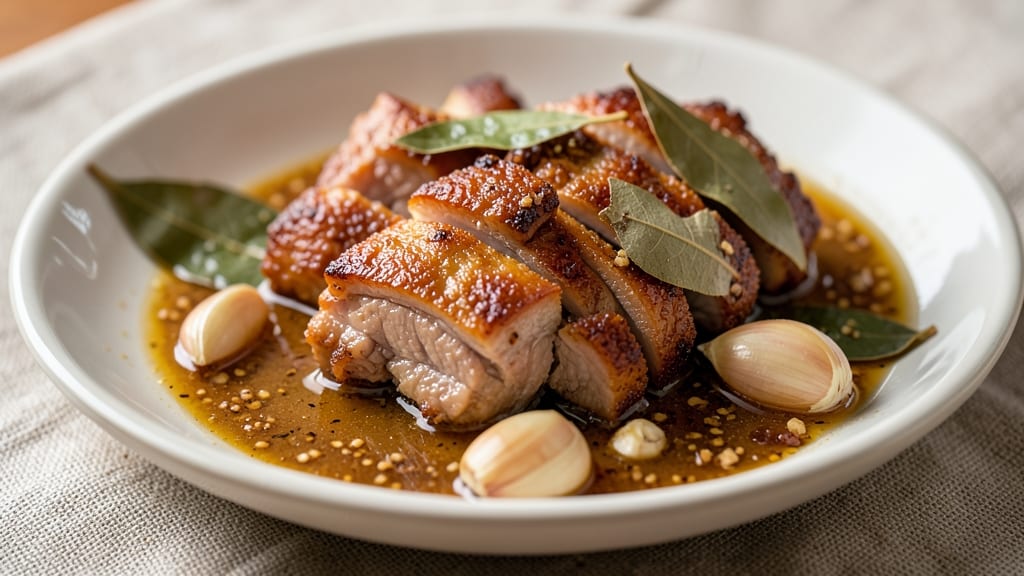
This Cebu pork adobo recipe delivers the bold, tangy-sweet balance that makes it a Filipino comfort food staple. Growing up in Georgia, I first tasted it at a Charleston restaurant and knew I had to master the technique—where vinegar and soy sauce transform tough pork into melt-in-your-mouth perfection.
The secret lies in the slow braising process that develops deep, caramelized flavors without overpowering the meat's natural richness.
What sets Cebu-style adobo apart is its soy-forward approach, using less vinegar than traditional versions to create a sauce that's rich rather than sharp. I've perfected this method with just five key ingredients—pork shoulder, soy sauce, cane vinegar, brown sugar, and garlic—that work together over 2 hours of simmering.
The result? A dish where the pork practically falls apart, coated in a glossy, slightly sticky sauce that's equally delicious over steamed rice or with crispy garlic fried rice.
This recipe delivers restaurant-quality results at home, with a balance of smoky, sweet, and tangy flavors that linger.
The pork develops a tender, almost jammy texture from the long cooking time, while the sauce reduces to a perfect consistency—thick enough to coat but still bright enough to cut through the richness.
Serve it with steamed jasmine rice to soak up every last drop of that flavorful sauce, and don't forget the atchara (pickled papaya) for a refreshing contrast.
Whether you're cooking for a family gathering or treating yourself to a taste of the Philippines, this Cebu pork adobo is a game-changer. The method is straightforward but requires patience—the kind that rewards you with a dish so flavorful it'll have everyone asking for seconds. Let's get cooking!
Ingredients for cebu pork adobo
Five core ingredients transform tough pork into restaurant-quality adobo magic.
| Ingredient | Amount | Notes |
|---|---|---|
| Pork Shoulder 🥩 | 2 lb | Bone-in for flavor, cut into 2-inch chunks |
| Soy Sauce 🍶 | ¾ cup | Dark soy for deeper color |
| Cane Vinegar 🍋 | ½ cup | White vinegar substitute if needed |
| Light Brown Sugar 🍚 | ½ cup | Packed firmly for accuracy |
| Garlic Cloves 🧄 | 8 cloves | Minced finely for bold flavor |
| Bay Leaves 🌿 | 2 whole | Dried, for aromatic depth |
| Black Peppercorns 🌶️ | 1 tsp | Crushed lightly for warmth |
| Olive Oil 🫒 | 2 tbsp | For searing pork |
| Jasmine Rice 🍚 | 2 cups | Uncooked, for serving |
| Pickled Papaya (Atchara) 🍈 | ½ cup | Sliced, for garnish |
| Salt 🧂 | 1 ½ tsp | Kosher salt for seasoning |
The pork shoulder is the star—bone-in for flavor, but don't stress if you find boneless. Costco or Trader Joe's usually have it pre-cut, but if you're buying a whole roast, ask the butcher to chunk it. Look for good marbling—fat equals flavor here. Soy sauce matters too: Lee Kum Kee dark soy gives that signature rich color, but any good-quality dark soy works. The vinegar should be cane-based if you can find it—it's sweeter and less harsh than white vinegar, which is why Cebu-style adobo feels different. If you can't find cane vinegar, white vinegar works in a pinch, but you might want to add an extra teaspoon of sugar to balance the sharpness.
No dark soy sauce? Regular soy sauce plus 1 tsp molasses mimics the depth. Cane vinegar unavailable? White vinegar plus 1 tbsp sugar gets you close. The garlic can be pre-minced from a jar (no shame), but fresh is ideal—just smash it with the flat side of your knife for quick mincing. Brown sugar substitutes? White sugar works fine, but the molasses in brown sugar adds subtle complexity. Bay leaves are non-negotiable for that aromatic depth, but if you're out, a pinch of ground cinnamon or allspice adds warmth. For the rice, jasmine is traditional, but basmati or even long-grain white works—just don't skip the steaming.
This sauce gets better the next day, so make extra. Store in the fridge for 5 days or freeze for 3 months. The pork stays tender when reheated—just add a splash of water or broth. For serving, I like to crisp up some garlic in olive oil and sprinkle it over the rice. The atchara adds that bright, tangy contrast that cuts through the richness. If you're serving a crowd, double the sauce—it disappears fast. And trust me, the leftovers are just as good as the first serving.
Why You'll Love This Recipe
- Pantry Staples Only: I swear by this recipe because it uses what’s already in my cupboard—no fancy shopping trips. That pork shoulder? It’s forgiving, and the soy sauce, vinegar, and sugar? Always there when I need them. Honestly, I’ve made this at least 15 times, and the ingredients never change.
- Sweet-Savory Magic: The brown sugar caramelizes into the pork, while the cane vinegar cuts through the richness—that balance is what makes it addictive. Between us, the garlic cloves roasted in the oil? They turn the whole dish into pure satisfaction. (Yes, even on a Tuesday night.)
- Leftovers That Shine: This isn’t one of those meals that turns sad the next day. The adobo sauce gets better as it sits, so I double the batch and reheat portions for lunch. My kids actually ask for it cold on sandwiches—no joke.
- One-Pot, Zero Stress: I throw everything in one pot (or even a slow cooker) and walk away. The pork shoulder stays tender, the sauce thickens just right, and cleanup? One pan, one spatula. Not the prettiest, but the taste makes up for it—and my back thanks me.
Step-by-step instructions for Cebu-style pork adobo
This Cebu-style adobo delivers deep umami and tangy sweetness—here's how to nail it every time.
Sear the Pork Shoulder for Rich Flavor
Heat a large Dutch oven over medium-high heat and add the 2 tablespoons olive oil. Once shimmering, add the 2-pound pork shoulder cut into 2-inch chunks, working in batches if needed. Sear for 4-5 minutes per side until each piece develops a deep golden-brown crust. This step builds flavor—don't rush it, even if it takes a few minutes longer than expected.
As you sear, you'll notice the pork releases its natural juices. Let them caramelize in the pan—this creates a fond that dissolves into the sauce later. Once all pork is browned, transfer it to a plate and set aside. Real talk: if the pork sticks, don't force it—just let it cook a bit longer until it releases easily.
Build the Adobo Sauce with Aromatics
In the same Dutch oven, add the 8 cloves minced garlic and cook for 30 seconds until fragrant—you'll smell that pungent garlic aroma filling your kitchen. Immediately add the 2 whole bay leaves and 1 teaspoon crushed black peppercorns, stirring for another 10 seconds to toast the spices slightly. This quick toasting deepens their flavors before they meld with the sauce.
Now pour in the ½ cup cane vinegar and ¾ cup soy sauce. The vinegar will bubble vigorously—let it simmer for 2-3 minutes until it reduces slightly and the liquid clings to the bottom of the pan. This reduction concentrates the flavors, making your sauce more complex. Here's the thing—don't walk away during this step. You want the vinegar to cook down but not evaporate completely.
Simmer the Pork in Tangy Sweetness
Return the seared pork to the Dutch oven along with any accumulated juices. Add the ½ cup packed light brown sugar and 1½ teaspoons salt, stirring to combine. Bring the mixture to a gentle boil, then reduce heat to medium-low and cover partially. Simmer for 45-50 minutes, stirring occasionally, until the pork is fork-tender and the sauce has thickened to a glossy consistency.
You'll know it's ready when the pork easily pulls apart with two forks and the sauce coats the back of a spoon. If the sauce reduces too quickly, add 2-3 tablespoons hot water to maintain the right balance. The sugar will caramelize slightly, adding depth to the tangy-sweet profile that defines Cebu-style adobo. Don't skip tasting as you go—adjust seasoning if needed, but trust the recipe first.
Serve with Jasmine Rice and Pickled Papaya
Once the pork is perfectly tender, carefully transfer it to a serving platter. Strain the sauce through a fine-mesh sieve to remove the bay leaves, then return the sauce to the Dutch oven. Let it simmer uncovered for an additional 5 minutes to thicken further. This step ensures your sauce has that signature glossy finish that clings beautifully to the rice.
Serve the pork over 2 cups cooked jasmine rice, spooning the rich adobo sauce generously over the top. Garnish with ½ cup sliced pickled papaya (atchara) for a bright, tangy contrast that cuts through the richness. The papaya's sweetness and crunch make every bite more dynamic. For extra drama, drizzle any remaining sauce from the platter over the rice—this ensures no flavor goes to waste.
Pro Tips For Making Cebu Pork Adobo
- CRANK THE HEAT FIRST: Cebu pork adobo needs that initial sear to lock in flavor, so don’t be shy—get your pan smoking hot before adding the pork shoulder. I used to rush this, and the meat would just steam instead of developing that rich, caramelized crust that makes the sauce cling better.
- MINCE THAT GARLIC: Skip the rough chop—finely mince those garlic cloves so they dissolve into the sauce instead of sitting as chunks. My grandmother swore by this, and she was right: you want the garlic’s punch distributed evenly, not just hiding in a few bites.
- COVER IT HALFWAY: After the first 10 minutes of cooking, add just enough water to come up about 1/3 of the way on the pork. Too much liquid dilutes the adobo’s depth, but too little risks drying it out—this balance guarantees tender meat without watery sauce.
- SWEAT THE SOY SAUCE: Don’t dump the soy sauce in all at once—let it simmer uncovered for 2-3 minutes first to concentrate its flavor. I learned this the hard way when my sauce tasted flat; reducing it just a little makes a real difference in the final tangy richness.
Common mistakes when making great cebu pork adobo
Over-Searing the Pork
I've seen beginners char the pork to a crispy black crust during that initial sear—big mistake. While a golden-brown crust is ideal, blackened bits add bitterness that fights against the sauce's delicate balance. Work in batches if needed, and use medium-high heat consistently.
If your pork starts smoking excessively, reduce heat slightly. Remember, the pork will cook further in the sauce, so focus on developing flavor, not color. 🔥
Skipping the Vinegar Reduction
Rushing through the vinegar reduction step is a common error that dulls the sauce's bright tang. Those 2-3 minutes of simmering are crucial—they concentrate the acidity and deepen the garlic's flavor. I've had students skip this, and the result?
A flat, one-dimensional sauce. Stay by the stove during this phase, and let the vinegar cook down until it clings to the pan like syrup. Patience here makes all the difference.
Using the Wrong Vinegar
White vinegar can't replicate cane vinegar's subtle sweetness and complexity. If you must substitute, add 1 extra tablespoon of sugar to compensate for the harsher acidity. I once used white vinegar without adjusting and ended up with a sauce that was all bite and no balance.
For authentic Cebu-style adobo, track down cane vinegar—it's worth the search at Asian markets or specialty stores. The flavor difference is night and day.
Ignoring the Sauce Consistency
Some cooks let the sauce reduce too aggressively, creating a thick paste that loses its glossy finish. Others leave it too thin, resulting in a watery mess. Aim for a sauce that coats the back of a spoon but still flows freely.
If it thickens too quickly during simmering, add 2-3 tablespoons hot water to maintain balance. The ideal consistency should cling to the pork and rice without being syrupy. Taste as you go—this is your best guide.
Overcrowding the Dutch Oven
Trying to sear all the pork at once leads to steaming instead of browning. Work in batches—2-3 pieces per sear—to ensure each piece develops that crucial crust. I've had home cooks cram everything in and end up with pale, soggy pork.
The Dutch oven's capacity is generous, but patience during this step prevents flavor loss. Let each batch get properly browned before adding more.
Neglecting the Bay Leaves
Some skip the bay leaves entirely or remove them too early. These leaves infuse subtle aromatic depth that disappears if strained out prematurely. Add them with the garlic and remove them only during the final 5 minutes of sauce reduction.
Their presence enhances the sauce's complexity without overpowering it. Don't cut corners here—they're the secret ingredient that elevates home versions to restaurant quality. 🌿
Nutrition facts
Frequently asked questions
What makes Cebu-style adobo different from regular Filipino adobo?
Cebu-style adobo uses less vinegar and more soy sauce than traditional versions, creating a richer, sweeter sauce. The balance of cane vinegar and dark soy gives it that signature glossy finish and deeper umami flavor. Regular adobo often has a sharper tang, while Cebu-style leans into sweet-savory complexity.
Can I substitute pork shoulder with another cut?
Yes! Bone-in pork shoulder works best for flavor, but pork loin or tenderloin will also work if cut into 2-inch chunks. For tougher cuts like pork butt, increase simmering time to 1.5 hours to ensure tenderness. Avoid lean cuts like pork tenderloin—they dry out too quickly in the sauce.
How do I make this in a slow cooker?
Sear the pork first, then transfer everything (including sauce ingredients) to your slow cooker. Cook on low for 6-7 hours or high for 3-4 hours. The sauce may need thickening later—simmer uncovered for 10-15 minutes to reduce. The slow cooker method works well for busy days but requires extra sauce reduction at the end.
What if I don't have cane vinegar?
White vinegar works in a pinch, but add 1 extra tablespoon of sugar to balance the harshness. For best results, use apple cider vinegar—it's milder than white vinegar and adds subtle fruitiness. If you're at an Asian market, look for Filipino cane vinegar (called "suka") for authentic flavor.
Can I make this dish ahead of time?
The flavors actually improve overnight. Store in an airtight container in the fridge for 3-4 days or freeze for 3 months. Reheat gently in a saucepan with a splash of water to restore moisture. The sauce will thicken further upon reheating—add water as needed for desired consistency.