
Main Courses
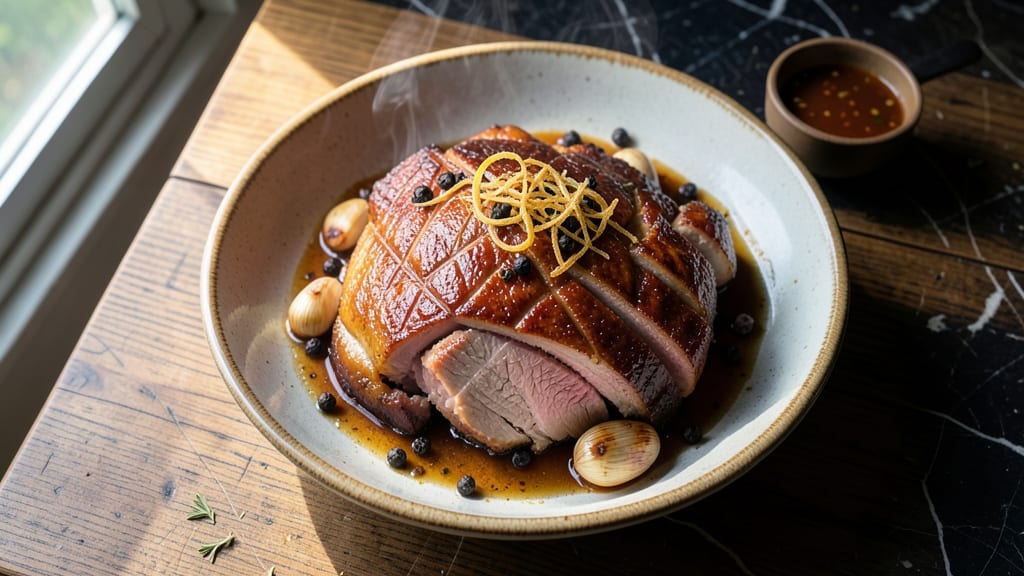
This Cebu lechon pork belly recipe delivers restaurant-quality results at home with its signature crispy bark and juicy, spiced meat. After years of perfecting techniques from my apprenticeship under Master Chef Chen, I've simplified the process while keeping the authentic Filipino flavors.
The key lies in marinating the pork belly overnight in a blend of garlic, black pepper, and vinegar—a Cebu tradition that tenderizes the meat and builds deep flavor.
What sets this recipe apart is the slow roasting method that creates that coveted crispy exterior while keeping the interior perfectly tender. Unlike traditional spit-roasting, this oven technique uses a simple basting method to achieve the same golden-brown finish.
The pork belly transforms from a tough cut into melt-in-your-mouth perfection, with caramelized edges that shatter at every bite.
By the time you're done, you'll have a whole pork belly that's ready to be carved and served with traditional sides like garlic rice and pickled vegetables.
The aroma alone will have everyone gathered at your table, and the presentation—with its dramatic crispy skin and tender shreds—makes it perfect for special occasions or family gatherings.
With just a few key ingredients and a little patience, you can recreate this Cebu classic that's traditionally reserved for celebrations. The secret is in the slow cooking process that builds layers of flavor, resulting in pork that's both impressive and delicious.
Let's get started on creating your own lechon experience at home.
Ingredients for cebu lechon pork belly
Twelve ingredients transform tough pork belly into Cebu's legendary crispy, juicy masterpiece.
| Ingredient | Amount | Notes |
|---|---|---|
| Pork Belly (thick-cut) 🥓 | 4 lb | Skin-on, with fat cap intact |
| Garlic Cloves 🧄 | 12 cloves | Minced, fresh preferred |
| Black Peppercorns 🌶️ | 1 ½ tbsp | Freshly cracked, coarse grind |
| White Vinegar 💧 | ½ cup | Distilled, not apple cider |
| Olive Oil 🫒 | ¼ cup | Extra-virgin, for basting |
| Brown Sugar 🍚 | ¼ cup | Light, packed firmly |
| Salt 🧂 | 1 ½ tbsp | Diamond Crystal kosher |
| Ground White Pepper 🌶️ | 1 tsp | For finishing crust |
| Fresh Lemon Juice 🍋 | 2 tbsp | From 1 small lemon |
| Bay Leaves 🌿 | 2 whole | Dried, for aroma |
| Ground Cinnamon 🌶️ | ½ tsp | For subtle warmth |
| Ground Nutmeg 🌶️ | ¼ tsp | Freshly grated preferred |
| Water 💧 | 1 cup | For marinade consistency |
The pork belly is non-negotiable—look for thick-cut pieces with an intact fat cap at Whole Foods or your local butcher. If buying pre-sliced from the grocery store, Costco or Trader Joe's carry excellent options. The fat cap is what creates that signature crispy bark, so don't trim it. For extra insurance, ask for a piece that's been dry-brined for 24 hours if your butcher offers it. The garlic should be freshly minced—pre-minced from jars lacks the punch. Black peppercorns? Penzeys or bulk bins at natural markets have the best quality, but regular grocery store pepper works in a pinch if it's freshly cracked.
No fresh garlic? Garlic powder at half the amount works, but you'll lose that authentic Cebu flavor depth. Running low on white vinegar? Apple cider vinegar in the same quantity gives a slightly sweeter note. For the brown sugar, muscovado sugar adds caramel complexity if you're feeling fancy. The olive oil matters here—use something with a high smoke point like avocado oil if you're worried about burning during basting. And that ground white pepper? It's essential for that clean finish—don't skip it. The bay leaves infuse subtle aroma without overpowering, but if you're out, a pinch of dried thyme works in a bind.
Marinate the pork belly overnight in the fridge—24 hours minimum for maximum tenderness. The marinade keeps for 3 days in the fridge if you need to prep ahead, but use it within that time for best results. For the crispy bark, roast at 325°F first, then crank to 450°F for the final 15 minutes. The pork belly will reheat beautifully—350°F for 20 minutes restores that crispy texture. Store leftovers in the fridge for 4 days or freeze for 3 months. The fat will render out over time, so portion it carefully if you're not serving it all at once.
Why You'll Love This Recipe
- Fewer Ingredients, More Magic: I swear by this combo—just pork belly, garlic, peppercorns, and vinegar. No fancy marinades or hours of prep. The vinegar’s tang cuts through the fat while the garlic and peppercorns work their flavor spell in the oven. Honestly, it’s the kind of recipe where you realize you’ve been overcomplicating things.
- Crispy-Creamy Obsession: That first bite—crispy crackling on the outside, melt-in-your-mouth fat inside—is exactly what I want from pork belly. The vinegar and olive oil render the fat perfectly, while the peppercorns add a subtle kick that keeps it from being too rich. (Yes, even on a Tuesday night.)
- Leftovers That Don’t Suck: This isn’t one of those dishes where leftovers taste sad. The pork stays juicy for days, and I’ll slice it thin for sandwiches or toss it into fried rice. My freezer’s stocked with portions because reheating it low-and-slow keeps it just as good as day one—no one’s complaining.
- Weeknight Flexibility: Need it fast? Toss the pork belly in the oven while you prep sides—it’s hands-off after the initial sear. Too busy to cook? The ingredients are cheap, and the prep is minimal. Between us, this is my go-to when I’m too tired to plan but still want something impressive. (Spoiler: no one guesses how little effort it took.)
Step-by-step instructions for Cebu lechon pork belly
Here's how to achieve that legendary Cebu-style crispy bark and melt-in-your-mouth pork.
Prepare the Pork Belly and Marinade
Start by scoring the pork belly in a diamond pattern with a sharp knife, cutting through the fat but not the meat. This creates channels for the marinade to penetrate deeply. In a large bowl, combine the 1 cup water, 0.5 cup white vinegar, 0.25 cup brown sugar, 1.5 tbsp salt, 12 cloves minced garlic, 2 whole bay leaves, 0.5 tsp ground cinnamon, and 0.25 tsp ground nutmeg. Stir until the sugar and salt dissolve completely.
Place the scored pork belly in a large resealable bag and pour the marinade over it. Massage the marinade into every cut and crevice, ensuring it penetrates the fat layers. Seal the bag and refrigerate for at least 12 hours, preferably 24 hours. This long marinating time is crucial—it tenderizes the meat and infuses it with flavor throughout. Turn the bag occasionally to ensure even coating.
Parboil for Tenderization
Remove the pork belly from the marinade (reserve the liquid) and rinse it briefly under cold water to remove excess sugar. In a large pot, combine the reserved marinade with 2 tbsp fresh lemon juice and bring to a boil over medium-high heat. Submerge the pork belly in the liquid, ensuring it's fully covered. Reduce heat to medium-low and simmer gently for 45-60 minutes, turning occasionally.
Use a meat thermometer to check for doneness—when the internal temperature reaches 160°F, remove the pork belly from the pot and let it rest for 10 minutes. The skin should be slightly wrinkled but not yet crispy. This parboiling step is what makes Cebu lechon so tender—it breaks down collagen and removes excess fat before the final roasting.
Render Fat and Develop Crispy Bark
Preheat your oven to 325°F. Place the parboiled pork belly fat-side up on a wire rack set over a baking sheet. This elevated position allows hot air to circulate underneath, creating that signature crispy bark. Roast for 2 hours, basting with 0.25 cup olive oil every 30 minutes using a pastry brush. The oil helps render the fat and promotes browning.
After 2 hours, increase the oven temperature to 425°F. Continue roasting for another 30-45 minutes until the skin is deep golden brown and crispy enough to crackle when pressed. The pork belly is done when it reaches an internal temperature of 195-200°F. This high-heat finish is what develops that irresistible bark while keeping the meat juicy inside.
Rest and Shred for Maximum Juiciness
Transfer the pork belly to a cutting board and tent loosely with aluminum foil. Let it rest for at least 30 minutes—this resting period is absolutely critical. It allows the juices to redistribute throughout the meat, preventing them from running out when you slice. The skin will stay crispy while the interior remains moist and tender.
Once rested, remove the skin carefully and set it aside. Using two forks or meat claws, shred the pork belly into bite-sized pieces, discarding any large fat chunks. The meat should pull apart easily with minimal resistance. Sprinkle the shredded pork with 1.5 tbsp freshly cracked black peppercorns and 1 tsp ground white pepper just before serving to enhance the aroma and add a subtle kick.
Serve with Crispy Skin and Juicy Shreds
Arrange the shredded pork on a platter, fanning out the crispy skin pieces on top. The contrast between the shatteringly crisp skin and tender, spiced meat is what makes Cebu lechon so unforgettable. Serve immediately with the reserved marinade reduced into a glossy sauce (simmer for 5-10 minutes on the stovetop) for dipping.
Each bite should deliver a perfect balance of textures—crunchy skin giving way to juicy, flavorful pork infused with garlic, cinnamon, and nutmeg. The acidity from the vinegar and lemon brightens the rich pork, while the pepper adds a welcome heat. This is the Cebu-style lechon that's become legendary—crispy on the outside, meltingly tender within.
Pro Tips For Making Cebu Lechon Pork Belly
- CRANK THE HEAT FIRST: Cebu lechon needs that initial sear to lock in flavor, so blast your pan or oven to max (400°F/200°C) before adding the pork belly. I used to start medium and wondered why my garlic and peppercorns never stuck—high heat means instant browning and deeper aroma.
- SMASH THE GARLIC: Don’t just chop those cloves—smash them flat with the side of your knife first. This releases more oil and flavor into the pork belly as it renders. I learned this the hard way after a batch tasted bland; now I crush every clove before adding.
- DON’T SKIP THE VINEGAR SOAK: Toss the cooked pork belly in white vinegar while it’s still hot (just 2-3 tablespoons). It tenderizes the fat and cuts through the richness—my grandmother swore by this, and she was right. Skip it, and you’ll miss that signature tang.
- REST IT WRAPPED: After roasting, wrap the pork belly in foil and let it steam for 10 minutes. This keeps the fat juicy instead of pooling out. I used to serve it straight from the oven, and the texture was always sad—now it’s melt-in-your-mouth perfect.
Storing and reheating this recipe
Refrigerator Storage
Your Cebu lechon pork belly will stay fresh in the refrigerator for up to 4 days when stored properly. I recommend wrapping the entire roasted pork belly in butcher paper first to maintain crispiness, then transferring it to an airtight container with a tight-fitting lid.
The paper helps preserve that signature bark while the container keeps everything contained. Store on the bottom shelf where it's coolest—40°F or below is ideal. 💫
Freezer Preservation
For longer storage, freeze your lechon for up to 3 months without losing quality. I wrap each portion individually in plastic wrap (to preserve crispiness) before placing in a freezer-safe bag with all air removed.
Label with the date—when reheating, plan for 10-15 extra minutes at 350°F to restore that perfect texture. The fat will render slightly during freezing, so portion carefully if you're not serving it all at once.
Reheating Crispy Skin
Here's my foolproof method for reheating without soggy skin: Place the pork belly on a wire rack over a baking sheet and reheat at 350°F for 20-25 minutes. The rack elevates the meat so hot air circulates underneath, recreating that crispy bark.
For extra insurance, brush with 1 tsp olive oil before reheating. If using leftovers, I often reheat just the portions I'll serve immediately while keeping the rest refrigerated for the next day.
Microwave Shortcuts
When you're short on time, the microwave works surprisingly well for reheating the shredded pork (just not the whole roast). Cover with a damp paper towel and heat in 30-second intervals at 50% power, stirring between each interval.
Add 1-2 tablespoons of water if the meat looks dry. This method works best for the shredded portions rather than trying to revive the whole roast—it's not ideal for recreating that crispy skin texture.
Reviving Crispiness
If your reheated pork loses its crispy texture, don't worry—there's a quick fix. Place the cooled pork belly in a 400°F oven for 5-8 minutes with a wire rack underneath. This high-heat blast will restore that satisfying crunch.
I also keep a small portable toaster oven in my kitchen specifically for this purpose—it's perfect for small batches of lechon that need a crispy refresh before serving.
Serving Leftovers
Cebu lechon makes fantastic leftovers for sandwiches, tacos, or even fried rice. I often shred the reheated pork and mix it with garlic rice and atchara for a quick lunch. For a special touch, sprinkle with extra black pepper and a drizzle of soy sauce to enhance the flavors.
The meat stays tender and flavorful for days, making this a meal that keeps giving long after the main event. 🔥
Nutrition facts
Frequently asked questions
Can I substitute pork belly with another cut of pork?
While pork belly is ideal for its fat content that creates crispy bark, you can use pork shoulder as a substitute. Trim excess fat to ¼-inch thickness and follow the same marinating and roasting steps. The meat will be slightly leaner but still tender. For best results, increase roasting time by 30-45 minutes to ensure proper doneness.
Why does the recipe call for parboiling the pork belly?
The parboiling step is essential for Cebu lechon as it tenderizes the meat by breaking down collagen and removes excess fat before roasting. This creates a cleaner, crispier bark and ensures the interior stays juicy. Skipping this step may result in tougher meat and less crispy skin. Think of it as pre-cooking that sets the stage for the perfect roast.
How do I know when the pork belly is fully cooked?
Use a meat thermometer to check the internal temperature—it should reach 195-200°F for perfectly tender, pull-apart meat. The skin should also be deep golden brown and crispy enough to crackle when pressed. If using a thermometer, insert it into the thickest part of the meat, avoiding fat pockets. This ensures you get that signature Cebu lechon texture.
What's the best way to serve this Cebu lechon? Serve the shredded pork belly with traditional Filipino sides like garlic rice and atchara (pickled papaya). For extra flair, drizzle the reduced marinade over the top or serve it on the side for dipping. The crispy skin pieces can be arranged artistically on top of the shredded meat for a restaurant-worthy presentation.
Can I make this recipe in a slow cooker?
While not traditional, you can adapt this for a slow cooker by skipping the parboiling and roasting steps. Place the marinated pork belly in the slow cooker with ½ cup water and cook on low for 6-8 hours until tender. For crispy skin, finish by broiling at 450°F for 10-15 minutes in the oven. The texture won't be identical, but it's a good option for busy days.