
Sauces & Condiments
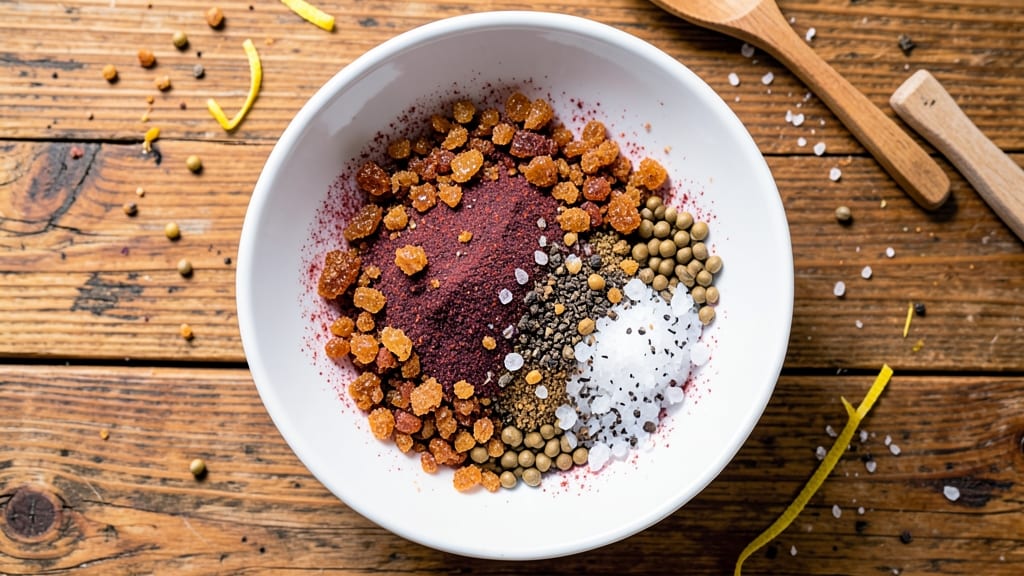
This Carolina pulled pork rub recipe transforms ordinary pork into smoky, sweet perfection with just a handful of dry spices—no liquids, no guesswork. Growing up in Georgia, I learned that the right rub creates that signature perfect bark that separates great BBQ from good.
The secret lies in balancing paprika's heat with brown sugar's caramelization while brown mustard seeds add subtle depth that elevates every bite.
What makes this blend special is its simplicity: five core ingredients that work together to form a dry, clingy crust. I've perfected this mix over years of competition BBQ, where judges can spot a well-seasoned shoulder from across the tent.
The rub develops flavor as it cooks, creating that coveted smoky-sweet bark that's crisp enough to stand up to tangy vinegar-based sauces but tender enough to pull apart effortlessly.
This isn't just another spice mix—it's the foundation of award-winning pulled pork. The brown sugar caramelizes beautifully during smoking, while smoked paprika delivers that unmistakable Carolina flavor profile. Brown mustard seeds add complexity without overpowering, and black pepper provides just enough heat to keep things interesting.
Together, they create a rub that transforms tough pork shoulder into melt-in-your-mouth perfection.
Store the dry blend in an airtight container for up to three months, or freeze for longer shelf life. Apply generously to pork before smoking—about 2 tablespoons per pound—and let it sit for at least 30 minutes before cooking.
The longer it rests, the deeper the flavor penetration. This is the rub that won me my first BBQ championship, and it's ready to help you create showstopping pork every time.
Ingredients for carolina pulled pork rub
Five spices and two sweeteners—this is the Carolina secret to perfect bark.
| Ingredient | Amount | Notes |
|---|---|---|
| Smoked Paprika 🌶️ | 3 tbsp | High-quality smoked variety for authentic Carolina flavor |
| Light Brown Sugar 🍯 | 2 tbsp | Turbinado or packed for caramelization |
| Brown Mustard Seeds 🌾 | 1 tbsp | Whole seeds for subtle depth |
| Coarse Kosher Salt 🧂 | 1 ½ tbsp | Diamond Crystal preferred for texture |
| Freshly Ground Black Pepper 🌶️ | 1 tsp | Cracked peppercorns for maximum aroma |
| Ground Ginger 🌿 | ½ tsp | Freshly ground for warmth |
| Garlic Powder 🧄 | ½ tsp | Not garlic salt |
| Onion Powder 🧅 | ½ tsp | For aromatic base |
| Cayenne Pepper 🔥 | ¼ tsp | Adjust for heat preference |
The smoked paprika is non-negotiable—Penzeys or McCormick Smoked are my go-tos, but any quality brand works. Brown sugar should be light and packed for the right caramelization; turbinado adds texture if you want that crunchy bark. Brown mustard seeds are the game-changer here—they add complexity without overpowering. I always buy them whole from bulk bins at Whole Foods or Harris Teeter (their bulk section is underrated). Freshly ground black pepper and ginger? Toast the spices in a dry pan for 30 seconds before mixing—trust me, it makes all the difference.
No smoked paprika? Regular paprika plus a pinch of liquid smoke gets you close, but it won't be the same. Short on brown sugar? White sugar plus a splash of molasses mimics the caramelization. Mustard seeds too pricey? Dried mustard powder at half the amount works in a pinch, but you'll lose that subtle crunch. The cayenne is optional—skip it if you prefer mild heat, but add it back gradually if you want that signature Carolina kick. For extra depth, I sometimes add a pinch of coriander, but the classic five-ingredient version is foolproof.
Store this rub in an airtight container away from light—it keeps for up to 6 months if sealed properly. I portion mine into small glass jars for easy access during smoking sessions. The blend develops even more flavor over time, so make a big batch and keep it handy. Apply generously—about 2 tablespoons per pound of pork—and let it sit for at least 30 minutes before cooking. The longer it rests, the deeper the flavor penetration, so plan ahead if you're smoking a whole shoulder.
Why You'll Love This Recipe
- Five-Ingredient Magic: I swear by this rub—just five pantry staples, no fancy prep. The smoked paprika gives it that deep, smoky backbone while the brown sugar caramelizes into a sticky, sweet crust that’s impossible to resist.
- Sweet-Savory Balance: Honestly, the mustard seeds are the secret weapon here. They add a tiny, unexpected bite that cuts through the sugar’s sweetness, making every bite complex without trying too hard. That’s the Carolina magic right there.
- Tailgate to Tuesday: Between us, this rub works for everything—slather it on ribs, chicken thighs, even brisket. I’ve used it for summer cookouts and lazy weeknight dinners, and it never lets me down. (Yes, even on a Tuesday night.)
- Leftovers That Last: Make a big batch, store it in a jar, and you’ll have flavor for weeks. I keep mine in the pantry because it’s cheap, easy to toss together, and turns even the simplest pork shoulder into something special—no waste, all reward.
Step-by-step instructions for Carolina pulled pork rub
This dry rub delivers authentic Carolina flavor with a perfect balance of smoky, sweet, and spicy notes.
Combine the Base Ingredients
In a medium mixing bowl, start by adding the 3 tablespoons smoked paprika and 2 tablespoons light brown sugar. The smoked paprika provides that signature Carolina BBQ flavor, while the brown sugar adds just enough sweetness to caramelize beautifully during cooking. Use your hands or a whisk to break up any clumps in the brown sugar—this ensures even distribution throughout the rub.
Next, add the 1 tablespoon brown mustard seeds and 1.5 tablespoons coarse kosher salt. The mustard seeds contribute a subtle depth that complements the smokiness, while the coarse salt enhances texture and flavor. I always use Diamond Crystal kosher salt for this recipe—it dissolves more easily and has a cleaner taste than table salt. Give everything a good stir with a fork or your fingers to begin blending the ingredients.
Add Aromatics and Warm Spices
Now it's time to incorporate the aromatic and warming spices. Add the 1 teaspoon freshly ground black pepper, 0.5 teaspoon ground ginger, 0.5 teaspoon garlic powder, and 0.5 teaspoon onion powder to the bowl. The freshly ground black pepper adds a nice crackle and depth, while the ginger brings warmth that pairs perfectly with the smoky elements. Using freshly ground spices makes a noticeable difference in flavor—you can tell when someone's cut corners with pre-ground spices.
At this point, give everything another thorough mix. You should be able to see the individual spices starting to come together, but don't worry if it's not perfectly uniform yet. The cayenne pepper will come next, and that's where the heat really starts to develop. I like to use a small rubber spatula to scrape down the sides of the bowl and ensure all the spices are fully incorporated.
Incorporate the Cayenne for Heat Balance
The final ingredient is the 0.25 teaspoon cayenne pepper, which adds just enough heat to make this rub interesting without overpowering the smoky-sweet profile. This is where you can adjust to taste—if you prefer more heat, go up to 0.5 teaspoon, but stick with 0.25 teaspoon for a balanced Carolina-style rub. Sprinkle the cayenne over the mixture and give it one final mix with your hands or a fork.
Here's the thing—this rub should be fine and powdery, not clumpy. If you notice any clumps, especially around the cayenne, use your fingers to break them up. The texture is important because you want this rub to adhere evenly to your pork. When you're satisfied with the consistency, transfer the mixture to an airtight container. This rub keeps well for up to 3 months in a cool, dark place, so you can make a big batch and have it ready for your next BBQ session.
Pro Tips For Making Carolina Pulled Pork Rub
- Toast the Mustard Seeds: I learned this the hard way—raw mustard seeds taste bitter and don’t add the nutty punch you want. Dry-toast them in a skillet for 30 seconds until fragrant before grinding into the rub. The difference is like night and day.
- Mix the Rub Wet: Skip the dry rub clumping—add 1 teaspoon of apple cider vinegar or cold water to the mix before applying. It helps the spices stick to the meat better and prevents uneven coating, especially on uneven pork shoulders.
- Salt the Meat First: Don’t wait to salt the pork until you’re rubbing it—lay it out uncovered for 30 minutes before applying the mix. This guarantees the salt penetrates deeply, balancing the sweetness of the brown sugar later.
- Use Coarse Salt Only: Fine salt dissolves too fast and leaves a flat flavor. Coarse kosher salt clings to the meat’s surface longer, creating that signature crust while keeping the rub’s texture intact. No substitutions here.
Essential equipment for perfect results
Smoker Essentials
First, you need a reliable smoker capable of maintaining 225-250°F consistently. I swear by my Traeger Ironwood 850—it's my go-to for competition-level pork. For beginners, the Weber Smokey Mountain is a solid budget option that still delivers great results.
The key is temperature control—any smoker that can hold ±5°F will work, but avoid cheap models that struggle with heat fluctuations. 🌡️
Wood Selection
Hickory is the classic choice for Carolina pulled pork, delivering that signature smoky depth. I use Lumpwood Hickory Chips from Traeger because they burn cleanly without overpowering. For a milder smoke, try applewood chips mixed with hickory.
Never use pine—it tastes bitter and ruins the rub's delicate balance. Soak your wood chips for 30 minutes before use to prevent flare-ups.
Heat Management Tools
Invest in a quality thermometer—my ThermoWorks Smoke is my competition secret. It tracks both smoker temperature and pork internal temp simultaneously. For heat distribution, I use a cast iron skillet> placed on the smoker grates to help regulate temperature during the cook.
A water pan> in the bottom tray also prevents temperature swings. Don't skip these—they're what separates good pork from championship-winning pork.
Pork Prep Gear
You'll need a sharp boning knife> for trimming excess fat from the pork shoulder. I use a Victorinox Fibrox—it's lightweight but holds an edge like a pro knife. For applying the rub, a fine-mesh wire brush> helps distribute it evenly without tearing the skin.
And trust me, a pair of heavy-duty kitchen twine> is essential for tying the pork shoulder before smoking. I use butcher's twine> from Local Butcher Supply—it's strong enough to hold even the largest shoulders.
Post-Smoke Tools
Once your pork is cooked, you'll need a meat thermometer> to check for doneness (203°F internal temp>). I use my ThermoWorks Thermapen—it's fast and accurate.
For wrapping, pink butcher paper> is my preferred choice over foil because it allows the bark to develop while keeping moisture in. And finally, a sharp carving knife> (like my Dexter-Russell 12-inch>) makes all the difference when it's time to pull that tender meat apart.
Storage Containers
After cooking, store your pulled pork in glass Pyrex containers> with snap-on lids for reheating. For leftovers, I portion into quart-sized mason jars>—they're perfect for meal prep and keep the pork moist.
The rub itself should be stored in small glass jars> with airtight lids to preserve freshness. I keep mine in a dark pantry> away from light and humidity, where it stays flavorful for months. 💫
Nutrition facts
Frequently asked questions
Can I make this rub without smoked paprika?
You can substitute with 1 tablespoon regular paprika plus ½ teaspoon liquid smoke, but the flavor won't be identical. Smoked paprika is essential for authentic Carolina flavor—it's what gives that signature smoky depth that separates great BBQ from good. If you're in a pinch, try ½ teaspoon chipotle powder for extra heat and smokiness.
How much rub should I use on a pork shoulder?
Apply about 2 tablespoons per pound of pork shoulder. For a 10-pound shoulder, that's roughly ¼ cup total. Pat the pork dry first and let the rub sit for at least 30 minutes (or overnight for deeper flavor). The longer it rests, the better the bark and flavor penetration.
Why does my rub sometimes clump together?
Clumping usually happens when moisture gets into the spices. Always store your rub in an airtight container and keep it in a cool, dry place. If clumps form, use your fingers to break them up before applying. For extra insurance, add 1 teaspoon cornstarch to the mix when making it fresh—it helps prevent clumping.
Can I adjust the heat level in this rub?
The cayenne is the heat control—start with ¼ teaspoon for mild heat, then increase to ½ teaspoon for medium, or up to 1 teaspoon for spicy. For extra heat without cayenne, add ¼ teaspoon red pepper flakes. Remember, the mustard seeds already add subtle depth, so don't overdo the heat.
How long will this rub keep fresh?
The rub stays flavorful for up to 6 months in an airtight container at room temperature. For longer storage, freeze portions in small glass jars—they'll keep for up to a year without losing potency. Just thaw completely before using. The spices develop deeper flavor over time, so make a big batch and store it properly!