
Main Courses
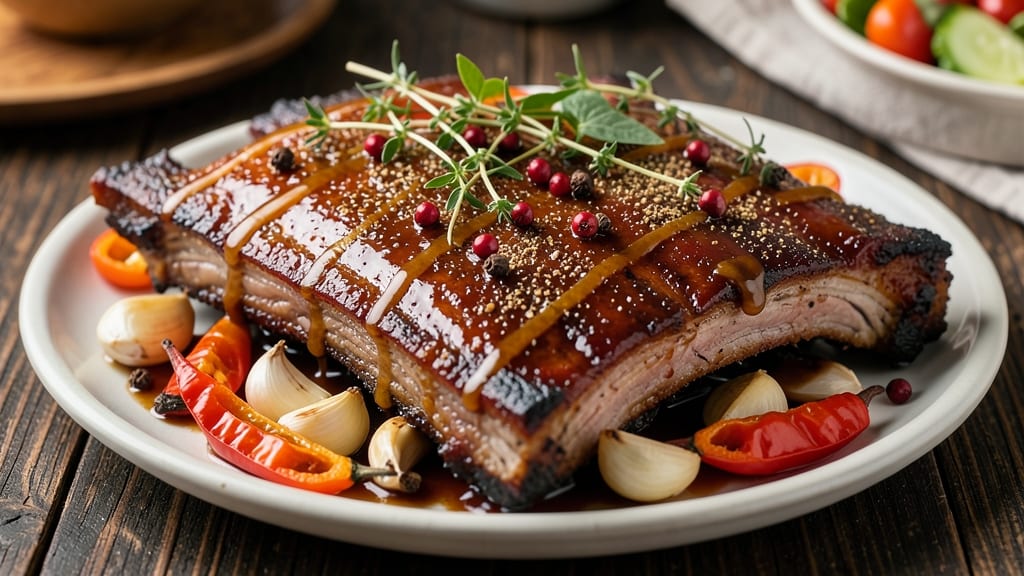
This Caribbean pork ribs recipe brings the bold flavors of the islands to your grill, where smoky jerk spices meet sweet pineapple glaze in every bite. 🔥 I developed this method after years of perfecting Caribbean techniques, blending the heat of allspice and Scotch bonnet with the tangy sweetness of tropical fruit.
The ribs get their signature crunch from a slow-smoked start, then finish with a quick glaze that caramelizes into a sticky, flavor-packed crust.
The secret lies in the marinade—jerk seasoning packed with thyme, garlic, and vinegar tenderizes the meat while building deep, aromatic layers. We use a two-stage cooking process: first low-and-slow to render fat and collagen, then a high-heat finish to create that prized caramelized bark.
This approach ensures tender meat with a crisp exterior that holds up perfectly, even when cutting through the ribs.
What you'll end up with is ribs that deliver restaurant-quality Caribbean flavors at home—juicy, tender meat with a perfect balance of heat, sweetness, and smoky depth. The pineapple glaze adds a bright tang that cuts through the richness, while the jerk seasoning provides that signature island kick.
These ribs are ideal for feeding a crowd or meal prepping, as they reheat beautifully while maintaining their texture.
Serve with classic sides like coconut rice, fried plantains, or a crisp coleslaw to complete the experience. Pair with a cold rum punch or sorrel for the full Caribbean dining experience. Let's get cooking—your taste buds are about to take a tropical vacation.
Ingredients for caribbean pork ribs
Six bold flavors and two-stage cooking bring restaurant-quality Caribbean ribs to your grill.
| Ingredient | Amount | Notes |
|---|---|---|
| Pork Ribs (Baby Back) 🥩 | 4 lb | Bone-in, meaty cuts preferred |
| Scotch Bonnet Peppers 🌶️ | 2 whole | Seeds removed for less heat |
| Fresh Thyme 🌿 | ½ cup | Stems removed, loosely packed |
| Garlic Cloves 🧄 | 8 cloves | Peeled, smashed for marinade |
| Allspice Berries 🌶️ | 1 ½ tbsp | Ground fresh for intensity |
| Ground Cumin 🌿 | 1 ½ tbsp | Toasted for deeper aroma |
| Brown Sugar 🍚 | ½ cup | Light or dark variety |
| Apple Cider Vinegar 🍎 | ½ cup | For tangy marinade base |
| Fresh Pineapple 🍍 | 1 whole | Juiced and puréed for glaze |
| Honey 🍯 | ¼ cup | For glaze sweetness |
| Soy Sauce 🥢 | ¼ cup | For umami depth |
| Olive Oil 🫒 | ¼ cup | Extra-virgin for richness |
| Salt 🧂 | 2 tbsp | Kosher or sea salt |
| Black Peppercorns 🌶️ | 1 ½ tsp | Freshly cracked |
| Cinnamon Stick 🌿 | 1 whole | For smoky depth in glaze |
The ribs are non-negotiable—baby back cuts deliver the best balance of meat and fat. Costco or your butcher will have them pre-cut, but if buying whole, trim to 3-4 ribs per rack. For the Scotch bonnet, Caribbean markets often carry them fresh, but frozen works too—just thaw and deseed. Fresh thyme and allspice are worth the splurge: Penzeys or bulk bins at Whole Foods have the best quality. Toast your cumin seeds in a dry pan for 30 seconds before grinding—game-changer for aroma.
No Scotch bonnet? Habanero at half the amount brings similar heat, or swap for 1 tbsp cayenne. Fresh thyme wilted? Dried at 1/4 the amount works in a pinch. The pineapple glaze can be made ahead—store in a jar for 5 days. For extra smokiness, add 1 tbsp smoked paprika to the marinade. The brown sugar in the glaze caramelizes beautifully, so light brown sugar gives the best texture. Need to skip the honey? Maple syrup works 1:1—just reduce the liquid slightly if your pineapple is extra juicy.
Marinate ribs overnight for maximum tenderness, but never more than 24 hours—longer breaks down the meat. The glaze reheats beautifully, so double it if feeding a crowd. Store cooked ribs in the fridge for 4 days or freeze for 3 months. For reheating, wrap tightly in foil and bake at 300°F until warm, about 15-20 minutes. The pineapple glaze freezes well too—just thaw and reheat gently to avoid curdling.
Why You'll Love This Recipe
- One-Pot Magic: I swear by this—just ribs, a few peppers, and some herbs tossed in one pan. No marinating overnight, no fancy tools. The Scotch bonnet does all the work while you sip your drink.
- Fiery-Sweet Balance: That first bite? The charred edges meet the tender meat, then boom—the allspice and thyme hit like a warm hug, but the bonnet pepper keeps it exciting. (Yes, even on a Tuesday night.)
- Leftovers That Win: These ribs taste better the next day—crispy bits turn into a smoky, saucy mess you’ll scrape off plates. I meal prep them all the time; just reheat and watch people beg for seconds.
- Budget Crowd-Pleaser: A whole rack of baby backs feeds six for under $20, and the spices? You’ll use them again. Honestly, my college roommates and I lived on this—easy, cheap, and no one complained.
Step-by-step instructions for Caribbean pork ribs
Here's how to transform tough ribs into fall-off-the-bone tender morsels with Caribbean flair.
👨🍳 Step 1: Prepare the Jerk Marinade
In a food processor, pulse the 2 whole Scotch Bonnet Peppers (seeds removed) until finely chopped. Add the 0.5 cup fresh thyme, 8 cloves garlic cloves, 1.5 tbsp allspice berries, 1.5 tbsp ground cumin, 2 tbsp salt, and 1.5 tsp black peppercorns. Pulse until combined but still slightly textured.
Transfer to a large bowl and whisk in the 0.5 cup brown sugar, 0.5 cup apple cider vinegar, 0.25 cup olive oil, and 0.25 cup soy sauce. The marinade should be thick but pourable. Taste and adjust seasoning—this is your flavor foundation.
🍳 Step 2: Marinate the Ribs Overnight
Pat the 4 lb pork ribs completely dry with paper towels—this is crucial for crispy bark. Place them in a large zip-top bag and pour the marinade over them, coating thoroughly. Seal the bag and massage the marinade into the ribs, ensuring it penetrates the cracks and crevices.
Refrigerate for at least 12 hours (overnight is ideal). The acid in the vinegar and the spices will tenderize the meat while developing deep, complex flavors. Turn the bag occasionally to ensure even coating.
🔥 Step 3: Sear the Ribs for Maximum Flavor
Preheat your grill or grill pan to medium-high heat. Remove the ribs from the marinade (reserve the marinade for basting) and let them sit at room temperature for 30 minutes. This ensures even cooking and prevents cold spots.
Sear the ribs for 5-7 minutes per side until deeply browned and caramelized. You want that Maillard reaction happening—look for dark golden-brown crust and a tantalizing charred aroma. Brush with reserved marinade every 2 minutes to keep them moist and flavorful.
🥘 Step 4: Slow Cook to Tender Perfection
Reduce heat to low (around 250°F) and continue cooking the ribs for 2-2.5 hours, basting with marinade every 30 minutes. The ribs are done when they easily pull apart at the bone and the internal temperature reaches 195-203°F.
Here's the thing—patience is key. The ribs will look dry at first, but as they break down, they'll become irresistibly tender. Keep them covered with foil if they start to dry out too quickly, but aim for that beautiful bark to remain intact.
🍍 Step 5: Create the Pineapple Glaze
While the ribs cook, blend the 1 whole fresh pineapple (peeled, cored, and chopped) with the 0.25 cup honey and 1 whole cinnamon stick in a blender until smooth. Strain through a fine-mesh sieve to remove any fibrous bits—you want a silky glaze.
Simmer the pineapple mixture in a saucepan over medium heat for 10-12 minutes until it thickens slightly and coats the back of a spoon. The aroma will be intoxicating—sweet, tangy, and just a hint of smoky cinnamon. This glaze is your rib's final flavor boost.
🍽️ Step 6: Glaze and Serve
Transfer the cooked ribs to a serving platter and generously brush with the pineapple glaze. Return them to the grill or oven for 2-3 minutes to caramelize the glaze and create a sticky, glossy finish. The contrast of the sweet glaze with the smoky, spicy ribs is what makes this dish unforgettable.
Let the ribs rest for 5 minutes before serving. They should be falling apart with just a gentle pull, coated in that glossy glaze that ties all the flavors together. Serve with extra glaze drizzled on top and fresh pineapple slices on the side for a true Caribbean feast.
Pro Tips For Making Caribbean Pork Ribs
- Char Not Sear: DESCRIPTION: That first sear with Scotch bonnet and garlic? Don’t rush it—let the ribs hit 400°F (200°C) for 5 minutes straight, skin-side down. I used to flip too soon, and the crust would turn to mush when the sauce came in. Wait until the edges are deep golden, almost caramelized, before you even think about moving them.
- Toast the Allspice: DESCRIPTION: Whole allspice berries? Dry-toast them in a separate pan for 30 seconds until fragrant. My grandmother swore by this, and she was right: it deepens the nutty, peppery notes instead of letting them turn bitter. Crush them after toasting—just enough to release the oils, not into dust.
- Wrap the Bonnet: DESCRIPTION: Scotch bonnet peppers pack heat, but their seeds and membranes are where the fire lives. Slit the pepper lengthwise, scrape out the seeds, then wrap the halves in foil before slicing. This keeps your hands safe and ensures the ribs get the fruit’s sweetness, not just its sting.
- Sauce in Stages: DESCRIPTION: Don’t dump the full marinade or sauce at once—build flavor. After the initial sear, add half the liquid, let it reduce for 5 minutes, then flip and repeat. I learned this the hard way: adding everything at once just steams the ribs instead of caramelizing them. Patience here makes the difference between "good" and "showstopper."
Dietary considerations for this recipe
Gluten-Free Adaptations
This recipe is naturally gluten-free, but I always double-check labels for hidden gluten in soy sauce and spices. Use tamari instead of regular soy sauce—it's gluten-free and adds even more umami depth. For the marinade, ensure your brown sugar is certified gluten-free, and check your apple cider vinegar label too.
The pineapple glaze remains perfectly safe as long as you avoid cross-contamination with gluten-containing ingredients during prep. 🌱
Low-Sodium Options
If you're watching your sodium intake, reduce the salt in the marinade to 1 tbsp and replace the remaining 1 tbsp with 1.5 tsp smoked paprika. The soy sauce can be swapped for coconut aminos (use ¼ cup) to maintain umami without extra sodium.
I also recommend using low-sodium chicken broth instead of soy sauce for a lighter option—just add ¼ cup to the marinade. The flavor stays rich, but the sodium drops significantly. ⚡
Dairy-Free Considerations
This recipe is already dairy-free, but I often get asked about serving suggestions. For sides, skip any creamy sauces or cheesy toppings. Instead, serve with coconut rice (cooked in coconut milk) and fried plantains for a naturally dairy-free Caribbean spread.
The pineapple glaze and jerk seasoning are both completely free of dairy, so you can enjoy these ribs worry-free. 🍍
Heat Adjustments
If you're sensitive to heat, reduce the Scotch bonnet peppers to just 1 whole pepper or swap them for ½ habanero. For a milder marinade, I also recommend cutting the allspice to 1 tsp and adding 1 tsp ground ginger instead—it adds warmth without the same level of heat.
The pineapple glaze remains perfectly safe and can be adjusted with extra honey if you want to balance any lingering spice. 🌶️
Protein Swaps
While pork ribs are the star here, you can adapt this technique for other proteins. For chicken thighs, use 2 lbs bone-in and cut the marinating time to 6-8 hours. For beef short ribs, increase the cooking time to 3-4 hours at 250°F.
The pineapple glaze works beautifully on both—just adjust the cooking time to match the protein's density. The jerk seasoning is versatile enough to shine on any meat! 🥩
Allergy-Friendly Prep
For nut allergies, this recipe is already safe, but always check your honey label—some brands process in facilities with nuts. If you need to avoid honey entirely, swap it for maple syrup in the glaze. For soy allergies, replace the soy sauce with coconut aminos as mentioned earlier.
I also recommend using separate utensils and cutting boards for prep if you're cooking for someone with severe allergies to avoid cross-contamination. Safety first! 💪
Nutrition facts
Frequently asked questions
Can I use regular bonnet peppers instead of Scotch bonnet?
Regular bonnet peppers work well, though they're slightly milder. For maximum heat, use 2 whole peppers (seeds removed) just like the recipe calls for. If you prefer even less heat, reduce to 1 pepper or swap for ½ habanero. The key is maintaining the pepper's fruity, slightly smoky character that balances the sweet glaze.
How do I get the ribs extra crispy without drying them out?
The secret is in the two-stage cooking process. After searing, reduce heat to 250°F and cook low-and-slow until tender (195-203°F internal temp). Then finish with a quick 2-3 minute high-heat sear or broil to crisp the bark. Wrap in foil during the slow cook if they start drying—just uncover for the final crisp. The pineapple glaze adds moisture while creating that glossy, sticky crust.
What's the best way to reheat leftover Caribbean pork ribs?
Wrap ribs tightly in foil and bake at 300°F for 15-20 minutes until warmed through. The foil traps moisture, preventing dryness. For extra crispiness, broil for 1-2 minutes at the end. Reheating works best within 4 days—after that, texture may soften. The pineapple glaze reheats beautifully too—simmer gently if you want to use it as a sauce.
Can I make this recipe in an oven instead of on a grill?
Yes! Preheat oven to 275°F for the slow cook and 450°F for searing. Sear ribs in an oven-safe skillet first, then transfer to a baking dish with reserved marinade. Cover with foil and bake for 2-2.5 hours, basting every 30 minutes. Finish with the glaze under the broiler for 2-3 minutes to caramelize. The oven method works perfectly—just monitor closely to prevent drying.
What sides pair best with these Caribbean ribs?
For a full island experience, serve with coconut rice, fried plantains, and Caribbean coleslaw (made with lime and cilantro). My go-to combo includes crispy conch fritters or black beans with sofrito for extra protein. The sweet-tangy glaze on the ribs pairs beautifully with cool, creamy sides—think avocado salad or mango salsa to cut through the richness.