
Side Dishes
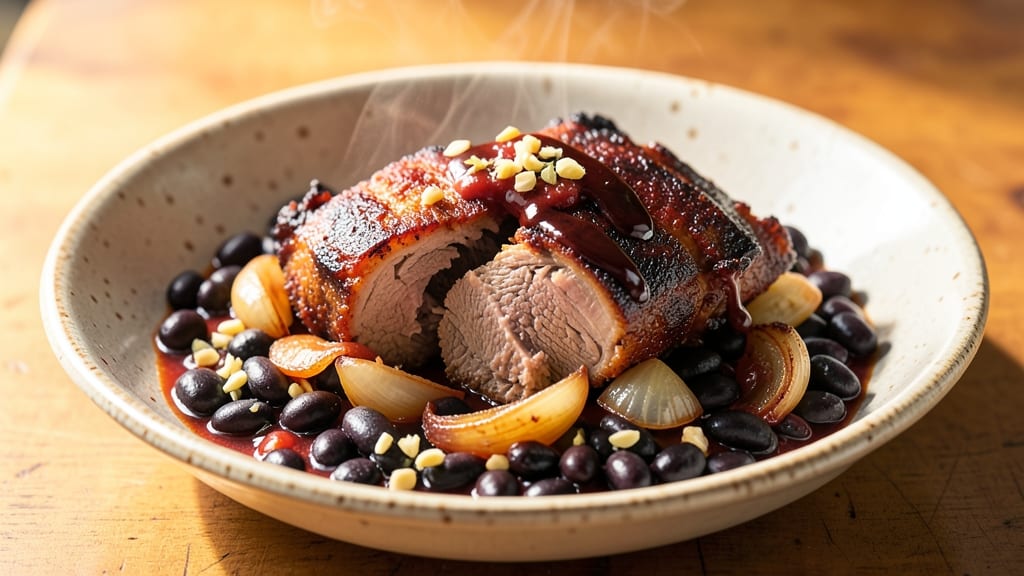
This black beans with pork Ilocano recipe brings the bold flavors of the Philippines to your kitchen in one rich, aromatic pot. 🌟 The secret lies in slow-cooked pork simmered with black beans, garlic, and soy sauce until the meat falls apart and the sauce thickens into a smoky, savory perfection.
I first tasted this dish in an Ilocano home where the family insisted it was "the soul of their table"—and I've been perfecting it ever since.
The beauty of this recipe is its simplicity: just a handful of ingredients that work together to create deep, layered flavors.
Pork shoulder breaks down into tender, juicy bites, while the black beans absorb the rich sauce, creating a dish that's hearty enough for a main course but balanced enough to serve as a side. The Ilocano technique of balancing sweet, salty, and umami flavors transforms simple ingredients into something extraordinary.
What you'll end up with is a dish that's smoky from the garlic, rich from the soy, and tender from the slow cooking. The pork becomes so flavorful it practically melts in your mouth, while the beans hold their shape just enough to provide texture.
This is comfort food at its finest—warm, satisfying, and packed with the kind of flavors that make you want to linger at the table.
Perfect for family dinners, potlucks, or when you're craving something hearty and full of character. The leftovers reheat beautifully, making it an ideal meal for busy weeks. Let's get cooking—this dish is worth every minute of the wait.
Ingredients for black beans with pork ilocano
Pork shoulder, black beans, and garlic—the core trio for Ilocano soul food.
| Ingredient | Amount | Notes |
|---|---|---|
| Pork Shoulder 🍖 | 2 lb | Bone-in, cut into 1-inch cubes |
| Black Beans 🫘 | 2 cups | Dry, soaked overnight or canned (rinsed) |
| Garlic Cloves 🧄 | 8 cloves | Minced, for deep smoky flavor |
| Soy Sauce 🥫 | ½ cup | Dark or regular, for umami richness |
| Onions 🧅 | 1 whole | Yellow or red, chopped (about 1.5 cups) |
| Tomatoes 🍅 | 4 whole | Roma or vine, chopped (or 1 can crushed) |
| Bay Leaves 🌿 | 2 whole | Dried, for aromatic depth |
| Black Peppercorns 🌶️ | 1 tsp | Ground, for subtle heat |
| Salt 🧂 | 1 ½ tsp | Kosher or sea salt, adjust to taste |
| Olive Oil 🫒 | 2 tbsp | Extra-virgin, for searing pork |
| Sugar 🍚 | 1 tbsp | White or brown, balances flavors |
| Water 💧 | 2 cups | For simmering, adjust as needed |
| Fresh Cilantro 🌿 | ¼ cup | Chopped, for garnish (optional) |
The pork shoulder is non-negotiable here—bone-in, cut into 1-inch cubes—it’s what gives this dish its signature tenderness. Look for well-marbled cuts at Costco or your local butcher; they’ll have the best flavor. If you’re short on time, soak the dry black beans overnight (or use canned, drained and rinsed). The garlic? Freshly minced makes all the difference—don’t use pre-minced jars. For the soy sauce, dark soy adds depth, but regular works too. The tomatoes? Roma or vine tomatoes hold their shape better than beefsteak varieties.
No soy sauce? Coconut aminos or tamari work in a pinch, though the flavor will be slightly different. Short on garlic? Garlic powder at half the amount gets you close, but fresh is ideal. Using canned tomatoes? San Marzano is the gold standard, but any good-quality canned tomatoes will do. The sugar balances the saltiness—brown sugar adds a caramel note, but white sugar works fine. For extra richness, add a splash of coconut milk at the end, but it’s not traditional. And if you’re feeling adventurous, a dash of calamansi juice (or lime) brightens the dish up.
This dish tastes even better the next day—leftovers keep for 4-5 days in the fridge, and it freezes beautifully for up to 3 months. I like to portion it into containers so I can grab it for quick lunches. The pork will keep its moisture if you cover it with sauce before storing. For serving, a sprinkle of fresh cilantro adds a pop of color, but it’s purely decorative—skip it if you’re out. The sauce thickens as it cools, so add a splash of water if it’s too thick when reheating.
Why You'll Love This Recipe
- One-Pot Magic: This recipe lives in a single pot—no chopping boards, no extra pans, just pork shoulder simmering with black beans until everything melts into one rich, saucy bowl. Honestly, the cleanup is so minimal I’ll often just rinse the pot and call it a day.
- Pork & Beans Harmony: That deep, smoky pork shoulder paired with tender black beans? It’s like a hug in a bowl. The soy sauce and garlic cloves caramelize into a glossy glaze that makes every bite feel indulgent, even when it’s just weeknight dinner.
- Lunchbox Hero: Between us, this dish is my secret weapon for meal prep. The leftovers reheat beautifully—pack it in containers, and suddenly you’ve got a hearty lunch for three days. My kids (yes, even the picky ones) grab extra servings without complaint.
- Budget Stretch: Pork shoulder is affordable, black beans are a pantry staple, and you’re using basic pantry staples like soy sauce and onions. I’ve made this for $12 and fed four people with enough leftovers for another meal—no guilt, just flavor.
Step-by-step instructions for black beans with pork Ilocano
This one-pot wonder delivers smoky, savory perfection with minimal effort.
🔥 Step 1: Sear the Pork Shoulder for Deep Flavor
Heat the 2 tablespoons olive oil in a large Dutch oven over medium-high heat until shimmering. Add the 2 lb pork shoulder, cut into 1-inch cubes, and sear in batches for 3-4 minutes per side until golden brown and crispy. You want that rich, caramelized crust to form—it's the foundation of the dish's flavor.
Don't overcrowd the pan or the pork will steam instead of sear. Work in batches if needed, keeping the cooked pork warm in a separate bowl. Once all pieces are browned, remove them from the pot and set aside. You'll notice the pork releases some fat—this is good! It'll create a rich base for your sauce.
🍳 Step 2: Build the Aromatic Base
In the same Dutch oven, add the 1 whole onion (chopped) and 8 cloves garlic (minced). Cook for 3-4 minutes until the onions soften and the garlic becomes fragrant—you should smell that sweet, garlicky aroma filling your kitchen. This is where the magic starts.
Add the 2 whole bay leaves, 1 tablespoon sugar, 1 teaspoon ground black peppercorns, and 1.5 teaspoons salt. Stir everything together for 30 seconds to toast the spices slightly. The sugar will caramelize just a bit, adding depth to the sauce. Here's the thing—don't skip this step. These aromatics are the soul of the dish.
🥘 Step 3: Simmer the Black Beans with Tomatoes
Pour in the 0.5 cup soy sauce and 2 cups water. Stir well to deglaze the pot, scraping up any browned bits from the bottom—those bits pack serious flavor. Add the 2 cups black beans (soaked overnight or rinsed canned) and 4 whole tomatoes (chopped). Bring everything to a gentle boil, then reduce heat to medium-low and let it simmer uncovered for 15 minutes.
You'll see the beans start to soften and the tomatoes break down into the sauce. Stir occasionally to prevent sticking. The liquid should reduce slightly, but not too much—you want a thick, stew-like consistency. If it gets too thick, add a splash of water. This is where the beans absorb all those beautiful flavors from the pork and aromatics.
⏰ Step 4: Finish with Pork and Rest
Return the pork to the pot, nestling it among the beans. Add the 2 cups water if needed to maintain a sauce consistency that coats the back of a spoon. Cover and simmer on low heat for 1.5 to 2 hours, stirring occasionally, until the pork is fork-tender and falls apart easily. The beans should be completely tender with no hard spots.
Real talk: Your house will smell incredible during this time. The pork will release its juices, creating a rich, smoky sauce that coats everything. When the pork is tender, turn off the heat and let the whole dish rest for 10 minutes covered. This resting period lets the flavors meld together perfectly—don't skip it, even if it's hard to wait.
🍽️ Step 5: Garnish and Serve
Remove the 2 bay leaves before serving. Taste and adjust seasoning with more salt or soy sauce if needed. Ladle the black beans and pork into bowls, garnishing each serving with 0.25 cup chopped fresh cilantro. The bright, fresh cilantro cuts through the richness of the pork and beans, balancing the dish beautifully.
Serve immediately with steamed rice or warm crusty bread to soak up that delicious sauce. Each bite should deliver tender pork, creamy beans, and a complex blend of smoky, garlicky, and umami flavors. This dish tastes even better the next day as the flavors continue to develop—so make extra if you can!
Pro Tips For Making Black Beans With Pork Ilocano
- Brown the Pork First: Don’t skip this step—sear the pork shoulder in small batches until deeply browned. That crust locks in flavor and prevents the meat from turning greasy later. I used to rush this, and the dish always tasted flat until I learned to let the pork develop color first.
- Soak Beans Overnight: Black beans cook faster and stay creamier if soaked for at least 4 hours. Drain and rinse them before adding to the pot—this cuts down on cooking time and keeps the texture tender, not mushy. (Yes, even if you’re impatient like me.)
- Simmer Low and Slow: After browning the pork and sautéing the aromatics, reduce heat to a gentle simmer. Too much boiling toughens the pork and turns the beans to mush. Cover the pot and let it cook at a steady, quiet bubble—this is where the flavors meld.
- Taste the Soy Sauce: Soy sauce is the backbone of the dish, so don’t just eyeball it. Add a tablespoon at a time, taste, and adjust—you want it savory but not overpowering. If the pork’s already salty, cut back and balance with a splash of vinegar or a pinch of sugar.
Common mistakes when making this dish
Overcrowding the Pot
One of the biggest mistakes I see is trying to rush the searing by overcrowding the Dutch oven with too many pork cubes at once. When you pack the pork too tightly, it steams instead of developing that crucial caramelized crust that forms the flavor base.
Work in batches—2-3 minutes per side on medium-high heat—until you see golden-brown edges. That crispy crust releases fat and flavor into the pot, which is essential for building depth. 🔥
Skipping the Deglaze
After searing the pork, many people wipe out the Dutch oven before adding aromatics, but that means losing all those delicious browned bits stuck to the bottom. Those bits—called fond—are packed with flavor. Instead, deglaze with soy sauce and water while scraping up those bits.
This step adds layers of umami that make the difference between good and extraordinary. I've tasted versions where this was skipped, and it's noticeably less rich.
Underestimating Cook Time
Pork shoulder needs patience—1.5 to 2 hours of simmering at low heat is non-negotiable for tender, fall-apart meat. I've seen people rush this step, checking the pork at 1 hour and finding it still tough. Use a meat thermometer to check for doneness at 203°F internal temperature.
The beans also need time to soften completely—don't cut corners here. The longer it simmers, the more the flavors meld together into that perfect Ilocano harmony.
Ignoring the Resting Period
After the pork is tender, the worst mistake is serving it immediately. Letting the dish rest for 10 minutes covered allows the juices to redistribute throughout the pork and beans, ensuring every bite is moist and flavorful.
Skipping this step means dry, stringy pork that falls apart at the first forkful. I know it's tempting to dig in right away, but trust me—those 10 minutes make all the difference. ✨
Using Pre-Minced Garlic
Freshly minced garlic is the secret weapon in this dish. Pre-minced garlic from jars lacks the aromatic punch and often contains anti-browning agents that mute flavor. When you crush 8 fresh cloves and cook them until fragrant, you release their full potential—sweet, pungent, and deeply savory.
I've made this dish with jarred garlic, and while it's edible, it just doesn't have that same soulful depth that makes this recipe special.
Over-Salting Early
It's easy to overdo the salt when seasoning the aromatics, especially if you're used to building flavors gradually. The soy sauce already adds significant saltiness, so start with just 1.5 teaspoons of salt and taste as you go. You can always add more, but you can't take it out.
I've had to rescue dishes where the beans turned bland because the pork was oversalted from the start. Taste the sauce before adding the pork back in—adjust gradually to avoid regret. 🧂
Nutrition facts
Frequently asked questions
Can I substitute pork shoulder with another cut?
Pork shoulder is ideal for its fat content and tenderness, but you can use pork butt or pork loin in a pinch. For loin, cut into 1-inch cubes and reduce cooking time to 1 hour since it's leaner. Avoid pork tenderloin—it's too dry for this dish. If using bone-in cuts, leave the bones in for extra flavor but remove them before serving.
How do I make this dish vegetarian?
Swap the pork for extra-firm tofu (pressed and cubed) or mushrooms (shiitake or portobello) for umami. Use 1.5 cups vegetable broth instead of water and add 1 tablespoon miso paste for depth. The beans will still absorb flavors beautifully, though the texture will differ. For a meaty substitute, try tempeh or seitan seared first.
Why does my pork turn out tough?
Tough pork usually means either undercooking or overcrowding during searing. Use a meat thermometer to check for 203°F internal temp—pork shoulder needs 1.5-2 hours of low simmering. Also, sear in batches to develop a crispy crust. If the pork is still firm, add 1 cup water and simmer 30 more minutes covered. The beans should be tender too—if not, extend cooking time.
Can I make this in an Instant Pot?
Yes! Sear the pork first in a skillet, then transfer to your Instant Pot with all ingredients (except cilantro). Cook on high pressure for 40 minutes, then quick-release. The beans may not be as creamy, but the pork will be tender. For extra richness, add 2 tablespoons coconut milk at the end. Natural release works better for flavor development.
What's the best way to store leftovers?
Store in an airtight container with the sauce covering the pork and beans. Keeps 4-5 days in the fridge or 3 months in the freezer. Reheat gently on low heat with a splash of water to restore moisture. The flavors actually improve overnight as they meld! For reheating, stir occasionally to prevent sticking.