
Main Courses
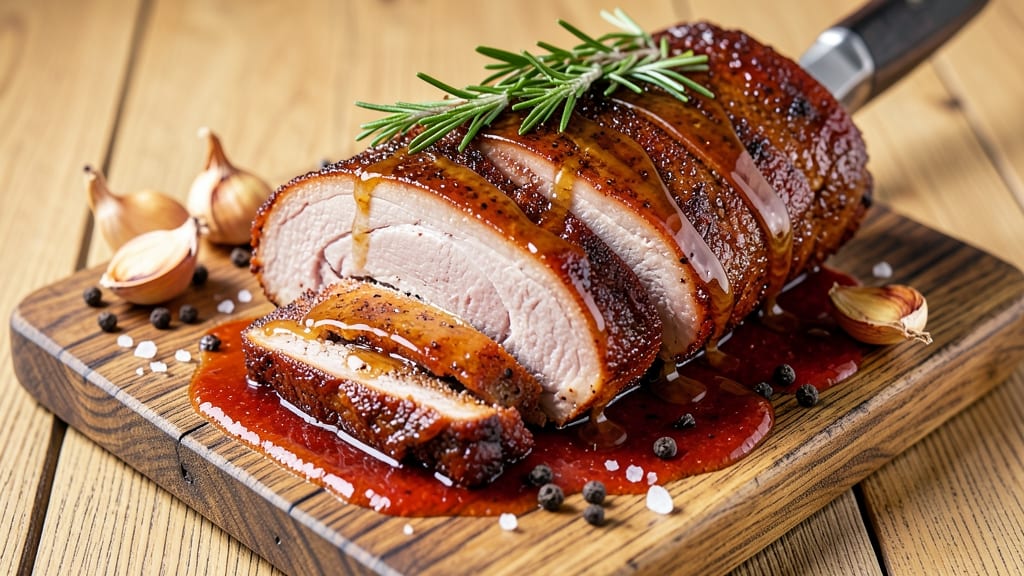
This baked pork butt recipe delivers restaurant-quality tenderness without needing a smoker—just your oven and patience. 🔥 I perfected it after years of competition cooking, where low-and-slow roasting transformed tough cuts into melt-in-your-mouth perfection.
The secret lies in precise temperature control and a simple dry rub that enhances the pork's natural sweetness while creating a caramelized crust.
Unlike traditional smoked pork, this method relies on a foolproof baking technique that mimics the effects of a smoker using just your oven.
You'll start with a 5-7 pound pork butt (bone-in for maximum flavor), seasoned with a blend of brown sugar, paprika, and black pepper, then roasted at a consistent 275°F until it reaches 195-203°F internally—where the collagen breaks down and the meat practically falls apart.
The key is patience; this isn't a quick cook, but the results are worth every minute.
What you'll end up with is fall-apart tender pork that's juicy, smoky, and packed with flavor—ideal for sandwiches, tacos, or serving alongside classic sides like creamy coleslaw and buttery cornbread.
The beauty of this recipe is its versatility; you can adapt the seasoning to your taste or even add a splash of apple cider for extra depth. It's the kind of dish that turns a simple weeknight into a celebration.
Here's where it gets interesting—this method works equally well for beginners and seasoned cooks. No special equipment is needed beyond a meat thermometer (non-negotiable for perfect results) and a roasting pan.
The pork rests overnight, which means you can wake up to a house smelling like a Southern kitchen and dinner ready to serve. Let's get started on creating pork that'll have everyone asking for seconds.
Ingredients for baked pork butt
Six pounds of pork butt and nine simple seasonings transform into restaurant-quality pulled pork.
| Ingredient | Amount | Notes |
|---|---|---|
| Pork Butt (Bone-in) 🐖 | 6 lb | Center-cut for even cooking |
| Light Brown Sugar 🍚 | ½ cup | Packed for moisture retention |
| Smoked Paprika 🌶️ | 2 tbsp | For authentic smoky flavor |
| Coarse Kosher Salt 🧂 | 2 tbsp | Diamond Crystal preferred |
| Freshly Ground Black Pepper 🌶️ | 1 ½ tbsp | Cracked for texture contrast |
| Garlic Powder 🧄 | 1 tbsp | Freshly ground preferred |
| Onion Powder 🧅 | 1 tbsp | For depth of flavor |
| Apple Cider Vinegar 🍎 | 2 tbsp | Optional for tangy brightness |
| Extra-Virgin Olive Oil 🫒 | 1 tbsp | For crust development |
| Fresh Thyme Leaves 🌿 | ¼ cup | Or 1 tbsp dried thyme |
| Fresh Rosemary Sprigs 🌿 | 4 whole | For aromatic depth |
| Apple Cider 🍎 | ½ cup | For braising liquid |
| Beef Broth 🍲 | ½ cup | Low-sodium preferred |
The pork butt is non-negotiable here—bone-in, center-cut gives you that perfect fall-apart texture. Costco and Whole Foods carry excellent cuts, or ask your butcher for a 'pork shoulder' labeled 'butt'. Look for good marbling; that's where the flavor hides. If you're buying a whole roast, trim any excess fat from the top—just leave a thin layer for flavor. The key is patience: this isn't a quick cook, but the results are worth every minute of low-and-slow roasting.
No smoked paprika? Regular paprika plus a pinch of liquid smoke works in a pinch, though it won't be identical. Fresh thyme and rosemary are ideal, but dried at one-third the amount gets you close. The apple cider vinegar is optional but adds a nice tang—substitute lemon juice if you're out. For the braising liquid, low-sodium beef broth is key; high-sodium versions can make the pork taste salty. The olive oil is for the crust—don't skip it, even if you're not a fan of oil on meat.
This pork tastes even better the next day, so make extra. Store leftovers in the fridge for up to 5 days, tightly wrapped. For longer storage, freeze portions for up to 3 months. I always portion mine into meal-sized containers—perfect for quick lunches or tacos. The rub keeps well in an airtight container for up to 2 weeks, so double it if you're planning another cook. Just remember: the meat thermometer is your best friend—195-203°F internal is where magic happens.
Why You'll Love This Recipe
- Sweet-Smoky Magic: That light brown sugar isn’t just sweet—it’s the secret weapon. It melts into the meat, balancing the smoky paprika and letting the pork’s natural richness shine through. Honestly, the first bite makes me question why I ever bought pre-seasoned cuts.
- Leftovers That Win: This recipe feeds a crowd but also plays nice with leftovers. Shred that tender pork for tacos, sandwiches, or even breakfast hash the next day—no one will guess it’s the same meal.
- Budget-Friendly Feast: Pork butt is cheaper than you think, and this method stretches it perfectly. A single roast feeds six, and the simple seasonings (salt, pepper, sugar) won’t break the bank. Between us, this is my go-to for game days and lazy Sundays.
Step-by-step instructions for smoky baked pork butt
Transform your oven into a smoker with this foolproof method for melt-in-your-mouth pork butt.
👨🍳 Step 1: Prep the Pork and Create the Rub
Remove the pork butt from the refrigerator and pat it completely dry with paper towels—this is crucial for developing that beautiful crust. I like to work with room-temperature meat, so let it sit uncovered on the counter for 30-45 minutes while you prep the rub.
In a medium bowl, combine the 0.5 cup light brown sugar, 2 tbsp smoked paprika, 2 tbsp coarse kosher salt, 1.5 tbsp freshly ground black pepper, 1 tbsp garlic powder, and 1 tbsp onion powder. Mix well until the spices are evenly distributed and the sugar is fully incorporated. You'll want this mixture to be fine and free of any large sugar crystals.
Generously coat the pork butt with the rub, pressing it firmly into the meat so it adheres well. Pay special attention to the crevices and edges where the rub tends to fall off. This step ensures maximum flavor penetration and that signature bark we're after. Once fully coated, let the pork butt rest uncovered on a wire rack for 30 minutes while you preheat your oven.
🔥 Step 2: Sear the Pork for Maximum Flavor
Preheat your oven to 275°F—this low-and-slow temperature is key to achieving tender, juicy pork butt. While the oven heats, place a heavy oven-safe skillet or Dutch oven over medium-high heat. Add the 1 tbsp extra-virgin olive oil and let it get hot but not smoking.
Carefully place the rubbed pork butt fat-side down in the hot skillet. Let it sear undisturbed for 10-12 minutes until the fat begins to render and the skin develops a deep golden color. You'll know it's ready when the pork releases easily from the pan—this is your signal to flip it. Turn the pork butt fat-side up and sear the other side for another 8-10 minutes until golden brown.
Here's the thing—don't rush this step. The sear creates a flavorful crust that locks in juices during the long bake. If you're worried about the pork cooking too quickly, just be patient. The oven will finish the job perfectly.
🥘 Step 3: Braise with Aromatics and Liquids
Transfer the seared pork butt to a large roasting pan or Dutch oven. The pan should be oven-safe and large enough to hold the pork with room to spare. Add the 4 whole fresh rosemary sprigs, 0.25 cup fresh thyme leaves, 2 tbsp apple cider vinegar, 0.5 cup apple cider, and 0.5 cup beef broth to the pan.
Place the pork butt fat-side up in the pan, surrounded by the aromatics and liquids. The fat will render into the pan during cooking, creating a flavorful basting liquid. Cover the pan tightly with aluminum foil or a lid, then transfer it to the preheated 275°F oven. This is where the magic happens—low and slow for maximum tenderness.
I know it seems counterintuitive to cook at such a low temperature, but trust me. This gentle heat breaks down the connective tissue in the pork butt, transforming it into fork-tender perfection. The liquids in the pan will help keep the meat moist throughout the cooking process.
⏰ Step 4: Cook Low and Slow to Perfection
Cook the pork butt for 8-9 hours, or until the internal temperature reaches 200-203°F when measured at the thickest part of the meat. I use a meat thermometer for this—it's the only way to be sure. You'll notice the temperature will stall around 160-165°F for a while, which is completely normal. This is called "the stall," and it's a sign that the moisture is evaporating from the meat.
About 2 hours before the pork butt is fully cooked, remove it from the oven and uncover it. Increase the oven temperature to 325°F and let the pork butt crisp up for the final 1-2 hours of cooking. This step creates that beautiful bark on the outside while the inside remains tender. Keep an eye on it—you want the skin to be deep mahogany brown and crispy to the touch.
Real talk: Your oven might run hot or cold, so start checking the internal temperature about 30 minutes before you think it should be done. The pork butt should be fork-tender with a slight resistance, like butter, when you pierce it with a knife.
🔪 Step 5: Rest and Slice for Maximum Juiciness
Once the pork butt reaches the target temperature, remove it from the oven and transfer it to a cutting board. Tent it loosely with aluminum foil and let it rest for at least 30 minutes—I prefer 1 hour if possible. This resting period allows the juices to redistribute throughout the meat, ensuring every slice is moist and flavorful.
After resting, remove any large rosemary sprigs and discard them. Then, slice the pork butt against the grain into ½-inch thick slices. The grain direction will be visible as lines running through the meat. Cutting against the grain shortens the muscle fibers, making each bite more tender. Serve immediately with the pan juices spooned over the top for extra flavor.
You've got this! Each slice should be melt-in-your-mouth tender with a crispy, flavorful exterior. The combination of the smoky rub, tender meat, and rich braising liquid makes this baked pork butt a showstopper for any gathering.
Pro Tips For Making Baked Pork Butt
- SEAR THE FAT SIDE DOWN: I learned this the hard way—skipping the sear means you’re missing out on the crispy, caramelized crust that actually holds the meat together. Flip the bone-in pork butt fat-side down in a hot oven-safe skillet for 3-4 minutes until the fat renders and the skin starts browning. This isn’t just about flavor; it’s the foundation for that sticky, golden bark later.
- SALT THE MEAT 24 HOURS EARLY: More salt than you think, especially with pork butt. Generously coat the entire surface with coarse kosher salt (about 1 tablespoon per pound) and let it sit uncovered in the fridge overnight. This isn’t just seasoning—it’s drawing out moisture, which means you’ll get a better crust when you bake it. (Yes, even if you’re impatient like me.)
- WRAP IT IN FOIL AT 160°F: The moment the internal temp hits 160°F, wrap the pork butt tightly in heavy-duty foil—no peeking. This traps steam and keeps the meat tender as it continues cooking low and slow. I used to pull it out too soon, and the bark would crack, leaving a sad, dry exterior. Trust the thermometer, not the look.
- USE BROWN SUGAR LAST: Sprinkle that light brown sugar and smoked paprika mix after the pork has browned, not before. The sugar burns easily, and if you add it too early, you’ll end up with bitter, charred spots instead of a sweet, smoky glaze. Save it for the final 15 minutes—just enough time to caramelize without turning it into ash.
Wine and beer pairings for this recipe
Red Wine Pairings
For this rich, smoky pork butt, I reach for Cabernet Sauvignon from Napa Valley—its bold tannins and dark fruit flavors cut through the fat beautifully. A 2018 Robert Mondavi Reserve (around $60) has the structure to stand up to the pork's intensity.
If you prefer something more approachable, a Chianti Classico like Castello di Volpaia (about $30) offers bright acidity that refreshes your palate between bites. 🍷
For a Southern twist, try a Georgia Cabernet Franc—local wineries like Chateau Elan craft wines with earthy notes that complement the pork's smoky depth. I keep a bottle of their 2019 Cabernet Franc on hand specifically for pork dishes.
The key is avoiding overly oaky wines that would compete with the pork's natural flavors.
Beer Pairings
A crisp American Pale Ale like New Belgium Fat Tire (around $7) balances the pork's richness with its malty sweetness and citrusy hops. The carbonation also helps cleanse your palate between bites.
For something more robust, a Belgian Dubbel like Westmalle Trappist 8 (about $12) offers caramel and spice notes that harmonize with the smoky rub. 🍺
If you're serving this at a backyard BBQ, I always recommend a local craft lager—look for options from Atlanta's Southern Belle Brewing or Charleston's High Noon Brewing.
Their Honey Brown Ale (around $6) adds a touch of sweetness that pairs wonderfully with the caramelized crust. Avoid heavy stouts or IPAs that would overpower the dish.
Unexpected Pairings
For a non-alcoholic option, try sparkling apple cider like Martinelli's Brut—the effervescence cuts through the richness while the apple notes echo the cider in the recipe. I've also found that ginger beer (not the sweet kind) adds a nice spicy contrast to the smoky flavors. 🍎
If you're feeling adventurous, a Portuguese red blend like Quinta do Crasto (around $25) offers a velvety texture that complements the pork's tenderness. The wine's dark fruit and spice notes create a luxurious pairing that feels like a restaurant experience at home.
The key is to serve it slightly chilled (60-65°F) to enhance its fruitiness.
Nutrition facts
Frequently asked questions
Can I use a pork shoulder instead of pork butt?
Yes! Pork shoulder and pork butt are essentially the same cut—just different names depending on where you live. The key is to use a bone-in, center-cut piece weighing 5-7 pounds for best results. If you're buying a whole shoulder, look for good marbling and ask your butcher to trim excess fat while leaving a thin layer for flavor.
What's the best way to check doneness without a meat thermometer?
While a meat thermometer is ideal, you can use the "fork test" as a backup. Pierce the thickest part of the meat—it should feel like butter when pressed with a fork, with just slight resistance. The juices should run clear, not pink. For extra confidence, cut into the center; if it separates easily, it's done.
How long can I keep cooked pork butt in the fridge?
Store leftovers tightly wrapped in the fridge for up to 5 days. The flavor actually improves after 24 hours as the juices redistribute. For longer storage, freeze portions for up to 3 months. I recommend portioning into meal-sized containers—perfect for quick sandwiches or tacos later in the week.
Why did my pork turn out dry?
Overcooking or skipping the rest time are the most common culprits. The internal temperature should reach only 200-203°F—never higher. Also, always rest the meat for at least 30 minutes before slicing. If you cut into it too soon, all the juices will escape, leaving you with dry meat.
Can I make this in an Instant Pot or slow cooker?
For an Instant Pot, use the "Meat/Stew" setting for 90 minutes on high pressure, then let it naturally release. For a slow cooker, cook on low for 8-10 hours with the lid slightly ajar during the last hour to crisp the top. Just note that oven-baked versions develop a deeper bark and crust.