
Main Courses
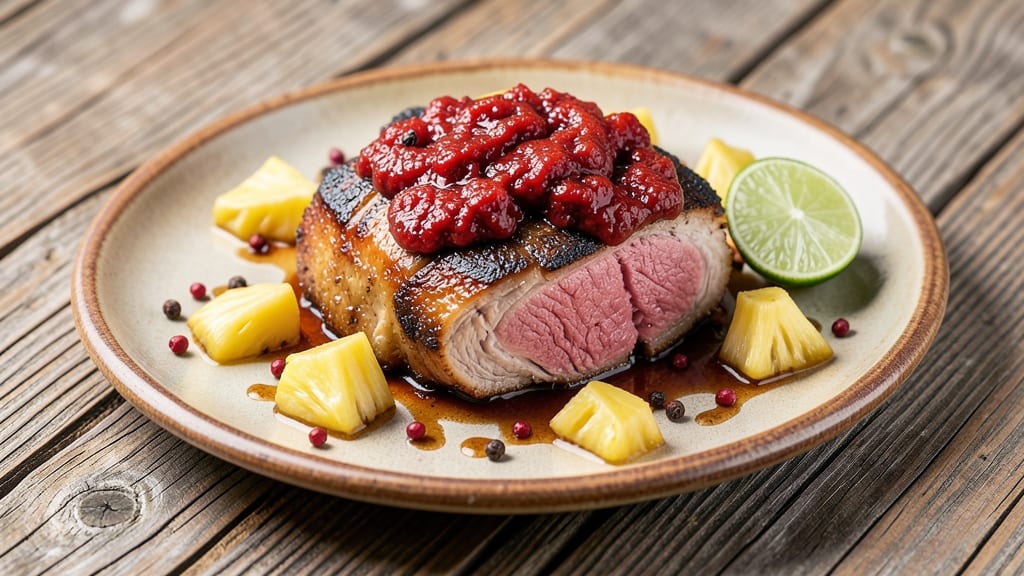
This Caribbean dove pork recipe transforms humble pork shoulder into a tender, aromatic masterpiece—where spiced rum, pineapple, and citrus create a symphony of flavors. ✨ As a pitmaster who’s spent years perfecting pork, I’ve adapted this dish to balance traditional techniques with modern precision, ensuring every bite delivers that signature Caribbean warmth.
The secret lies in the marinade—a blend of allspice, Scotch bonnet, and lime that tenderizes the meat while infusing it with bold, tropical notes.
Unlike many recipes that rely on heavy sauces, this method braises the pork slowly, allowing the spices to meld into the meat rather than just coating the surface. The result? Juicy, fall-apart pork with a crust that crackles with caramelized depth.
Pair it with classic sides like steamed callaloo or coconut rice, and you’ve got a meal that feels like a Caribbean vacation—without the travel. The spiced rum adds a subtle warmth, while the pineapple and citrus brighten each bite, making this dish perfect for gatherings or a special weeknight dinner.
It’s the kind of recipe that turns a simple pork cut into something extraordinary.
For those who love history, this dish traces back to colonial Caribbean traditions where pork was a staple, often slow-cooked with local ingredients. Today, it’s a celebration of heritage with a modern twist—easy enough for weeknights but impressive enough for company. Let’s get cooking!
Ingredients for caribbean dove pork
Transform humble pork shoulder into Caribbean-inspired tenderness with these aromatic, tropical ingredients.
| Ingredient | Amount | Notes |
|---|---|---|
| Pork Shoulder 🍖 | 3 lb | Bone-in, cut into 2-inch chunks |
| Spiced Rum 🍹 | ½ cup | Dark rum like Captain Morgan |
| Fresh Pineapple 🍍 | 1 cup | Diced, fresh or frozen |
| Scotch Bonnet Pepper 🌶️ | 2 whole | Seeds removed for less heat |
| Fresh Lime Juice 🍋 | ¼ cup | Freshly squeezed, no pulp |
| Allspice Berries 🌿 | 1 tbsp | Ground or whole, toasted |
| Garlic Cloves 🧄 | 6 cloves | Minced, fresh preferred |
| Fresh Ginger 🧡 | ½ cup | Finely grated, peeled |
| Onion 🧅 | 1 whole | Yellow, diced |
| Tomato Paste 🍅 | 2 tbsp | Smooth, no sugar added |
| Olive Oil 🫒 | ¼ cup | Extra-virgin, for searing |
| Salt 🧂 | 1 ½ tsp | Diamond Crystal preferred |
| Black Peppercorns 🌶️ | ½ tsp | Freshly cracked |
| Fresh Thyme 🌿 | ¼ cup | Leaves only, chopped |
The pork shoulder is the foundation here—bone-in cuts develop richer flavor during braising. Look for well-marbled cuts at your butcher or Whole Foods if you're unsure. The Scotch bonnet pepper is non-negotiable for that signature Caribbean heat, but if you can't find it, habanero at half the amount works. Fresh ginger and lime should be vibrant—yellowing or shriveled means it's past its prime. For the rum, Captain Morgan is my go-to, but any dark rum will do. Toast the allspice berries for 30 seconds in a dry pan before grinding to deepen their aroma—game-changer for depth.
No Scotch bonnet? Red pepper flakes at 1/4 teaspoon will give you a milder kick. Fresh ginger too fibrous? Powdered ginger at half the amount works in a pinch, though texture will differ. The tomato paste can be swapped for 1/4 cup crushed tomatoes if you prefer less intensity. For the pineapple, fresh is ideal, but frozen works if you thaw and drain it well. The thyme can be dried at 1/4 teaspoon, though fresh is preferred. If you're short on time, pre-minced garlic saves steps, but fresh always tastes better. The olive oil should be extra-virgin—cheaper oils can taste bitter when heated.
Pork shoulder keeps 3-4 days in the fridge before cooking—pat it dry and store in a sealed container. The marinade components (rum, lime juice, ginger) can be prepped 2 days ahead and stored in the fridge. Once braised, the pork reheats beautifully—350°F for 20 minutes restores moisture. Portion into containers for 4-5 days of leftovers, or freeze for 3 months. The sauce thickens as it cools, so add a splash of water when reheating if needed. Store in glass jars for best flavor retention.
Why You'll Love This Recipe
- One-Pot Magic: I swear by this—just toss everything in a deep pan, let it simmer, and walk away. No fancy layers, no stressing over timings. That spiced rum and pineapple do all the heavy lifting while you sip your drink.
- Sweet Heat Balance: Honestly, the Scotch bonnet isn’t just for thrill-seekers—it’s the secret handshake. A little charred, a little fresh, and that lime juice cuts through the richness like a cool breeze. The pork? So tender it falls apart, but with just enough bite.
- Party in a Pan: Between us, this is my go-to for gatherings. Serve it with rice and beans, and suddenly you’ve got a full spread without slaving away. (Yes, even on a Tuesday night.) The flavors sing louder when shared—trust me, your guests will ask for the recipe.
- Leftovers That Don’t Suck: I make this for Sunday dinner, and it’s still just as good reheated three days later. The pineapple keeps it bright, the rum adds depth, and the pork? It only gets better with time. Budget-friendly, foolproof, and zero food waste. Win.
Step-by-step instructions for spiced rum-braised pork shoulder
Here's the method for tender, aromatic pork shoulder with deep Caribbean flavors.
🔥 Step 1: Sear the Pork Shoulder for Maximum Flavor
Heat a large Dutch oven over medium-high heat until a drop of water sizzles instantly. Add 0.25 cup olive oil and let it shimmer for 1 minute. Working in batches to avoid crowding, add the 3 lb pork shoulder in 2-inch chunks, searing each side for 3-4 minutes until deeply golden brown. This step develops the Maillard reaction, creating that rich, caramelized crust we want.
As you sear, I press down gently on each piece with a metal spatula—this prevents curling and ensures even contact with the pan. Transfer the browned pork to a plate and set aside. Real talk: don't rush this step. The deeper the color, the more complex the flavor will be in the finished dish.
🍳 Step 2: Build the Aromatic Base
In the same Dutch oven, reduce heat to medium and add 1 whole diced onion. Cook for 5 minutes until softened and translucent. Add 6 minced garlic cloves and 0.5 cup finely grated fresh ginger, cooking for another 1 minute until fragrant—this is where the foundation of your flavor happens.
Stir in 1 tbsp allspice berries and 0.25 cup chopped fresh thyme, toasting for 30 seconds until you can smell the warm spices. Add 2 tbsp tomato paste and cook for 1 minute to deepen its flavor. This aromatic blend will infuse the pork with layers of complexity during the braising process.
🍳 Step 3: Deglaze and Combine All Ingredients
Pour in the 0.5 cup spiced rum and scrape up all the browned bits from the bottom of the pot with a wooden spoon. This deglazing captures all that concentrated flavor. Let it simmer for 2 minutes until reduced by half, then add 1 cup diced fresh pineapple, 0.25 cup fresh lime juice, and 2 whole seeded Scotch bonnet peppers (cut in half).
Return the pork shoulder to the pot, along with 1.5 tsp salt and 0.5 tsp freshly cracked black peppercorns. The citrus and pineapple will tenderize the meat while adding a bright contrast to the rich pork. Here's the thing—if you're using frozen pineapple, don't thaw it first. The cold chunks will help keep the pork moist during the long cook.
⏰ Step 4: Braise Until Fork-Tender
Cover the Dutch oven and transfer to a 325°F oven. Braise for 3-3.5 hours until the pork is fork-tender and the internal temperature reaches 200-205°F. I check for doneness by inserting a meat thermometer into the thickest piece—when it slides in easily and the meat is tender, it's ready.
About 30 minutes before the pork is done, remove the lid and increase the oven temperature to 375°F to create a caramelized crust on the pork. This final step adds texture contrast and intensifies the flavors. The sauce should be thick and glossy, with the pineapple pieces softened but still holding their shape.
🍽️ Step 5: Rest and Serve with Confidence
Transfer the pork shoulder to a cutting board and tent loosely with aluminum foil. Let it rest for at least 20 minutes—this crucial step allows the juices to redistribute throughout the meat. During this time, skim any excess fat from the braising liquid and reduce it by 10 minutes on the stovetop if you prefer a thicker sauce.
Slice the pork shoulder against the grain into ½-inch thick pieces and serve with the braising sauce spooned over the top. The result should be tender, flavorful meat with a perfect balance of sweet, spicy, and savory notes. For presentation, garnish with additional chopped fresh thyme and lime wedges. This dish pairs beautifully with steamed white rice or roasted plantains.
Pro Tips For Making Caribbean Dove Pork
- Braise the Shoulder Long: Skip the urge to rush—this isn’t a quick sear-and-done deal. Aim for at least 3 hours on low heat (275°F/135°C) until the meat falls apart. I used to pull it at 2.5 hours, thinking it was done, only to find it still tough. Patience here means fork-tender pork that soaks up the rum-pineapple sauce like a sponge.
- Toast the Pineapple First: Dice the pineapple and sear it in a hot pan for 2-3 minutes until caramelized before adding it to the braise. Sounds weird, but it works: the edges turn sticky and deepen the flavor instead of just floating blandly in the sauce. (Yes, even if you’re impatient like me.)
- Mince the Scotch Bonnet: Don’t just chop it—mince the Scotch Bonnet finely (seeds and all) and distribute it evenly in the sauce. A few big chunks mean one bite of fire, the next of nothing. I learned this the hard way after serving a guest who nearly choked. Spread it like salt, and the heat blends in smoothly.
- Deglaze with Rum Early: After browning the pork, dump in the spiced rum immediately and let it sizzle for 30 seconds before adding liquids. This locks in the caramelized bits that would otherwise turn to sludge. I skip this when I’m lazy, but the dish is noticeably better when I don’t—like the difference between a good cocktail and a watered-down one.
Wine and beer pairings for this caribbean dove pork
Rum-Based Wines
For a bold but balanced pairing, reach for a dark rum-infused red blend—think RumBarrel Aged Cabernet Sauvignon or Diplomático Reserva Exclusiva. These wines have been aged in rum barrels, mirroring the dish’s spiced rum braise while adding rich tannins that stand up to the pork’s richness.
The rum notes in the wine echo the recipe’s star ingredient, creating a harmonious bridge between dish and drink. 🍷
Tropical White Wines
If you prefer white, a Caribbean-inspired white wine like Banana Wines Banana Rum White or Plantation 3 Stars delivers citrus and tropical fruit notes that complement the pineapple and lime.
These wines have been barrel-aged with rum, giving them a subtle sweetness and spice that pairs beautifully with the dish’s bright acidity. Serve slightly chilled for the best contrast.
Light-Bodied Beers
A light lager or pilsner cuts through the richness without overwhelming the dish. I recommend Corona Premier or Heineken—their crisp, clean profiles let the pork’s spices and citrus shine.
For a local Caribbean option, Red Stripe (Jamaica) offers a slightly malty balance that works surprisingly well. Avoid heavy stouts or IPAs, which would clash with the dish’s delicate sweetness.
Non-Alcoholic Options
For a refreshing non-alcoholic match, ginger beer with a splash of lime juice mimics the dish’s spicy-sweet profile. I love Feather Ginger Beer—its effervescence cleanses the palate between bites.
Alternatively, a pineapple-mango smoothie with a dash of Scotch bonnet syrup delivers tropical brightness without alcohol. Both options keep the Caribbean spirit alive!
Pairing Pro Tips
Serve your wine or beer slightly cooler than room temperature—about 50-55°F for whites and 55-60°F for reds. This enhances the flavors without muting the dish’s warmth.
For a true Caribbean experience, pair with fresh coconut water on the side—it cools the palate and adds a subtle sweetness that rounds out the meal. 🌴
Nutrition facts
Frequently asked questions
What makes this Caribbean dove pork different from regular pork dishes?
This recipe uses Scotch bonnet peppers and spiced rum as key flavor builders, creating a unique sweet-spicy-savory profile. The slow braising method with tropical ingredients like pineapple and lime sets it apart from traditional roasted or grilled pork dishes, giving it that signature Caribbean warmth.
Can I substitute Scotch bonnet pepper if I can't find it?
Yes! Use 1/4 teaspoon red pepper flakes for mild heat or 1 habanero pepper (seeds removed) for similar spice intensity. For the best flavor, toast the pepper first to enhance its aroma before adding to the braise.
How do I know when the pork is fully cooked?
The pork is done when it reaches an internal temperature of 200-205°F and is fork-tender. A meat thermometer is your best tool—insert it into the thickest piece to check. The sauce should also be thick and glossy, with softened pineapple pieces still holding their shape.
What are the best sides to serve with this dish?
Classic Caribbean pairings include steamed white rice, roasted plantains, or callaloo greens. For a modern twist, try coconut rice or fried dumplings. The bright acidity of the pork balances perfectly with these sides.
Can I make this recipe in a slow cooker?
After searing the pork, transfer everything to a 6-quart slow cooker and cook on low for 8-10 hours. Add 1/4 cup water to prevent drying out. The low-and-slow method works beautifully for tenderizing the meat while keeping the flavors intact.