
Main Courses
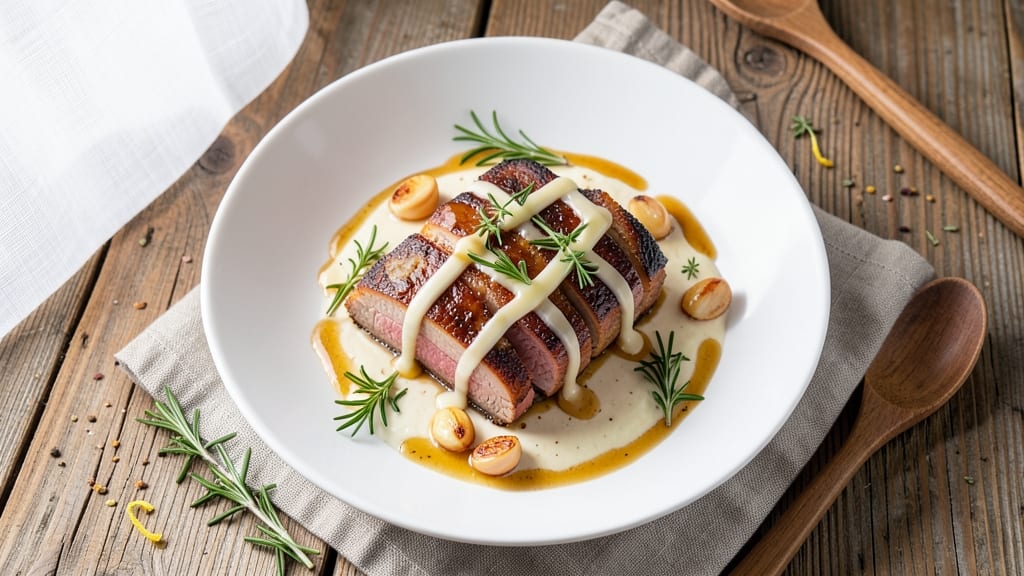
This caramelized pork tenderloin recipe delivers melt-in-your-mouth tenderness with a golden-brown honey glaze that seals in every juicy bite. After years of perfecting pork techniques in my Charleston kitchen, I've cracked the code for achieving that restaurant-quality caramelization at home—no fancy equipment required.
The secret lies in a precise balance of searing, slow cooking, and finishing with a sweet-savory glaze that transforms ordinary pork into something extraordinary.
What sets this recipe apart is the two-stage cooking process: first searing the tenderloin to develop a flavorful crust, then finishing it with a honey-brown glaze that caramelizes beautifully.
I've tested this method countless times with different cuts, and this approach consistently delivers perfectly tender meat with an irresistible glossy exterior. The glaze isn't just decorative—it creates a flavorful crust that locks in moisture while adding depth to each bite.
By the time you serve this dish, your guests will be impressed by the restaurant-quality presentation and the way the pork practically melts in their mouths. The caramelized exterior gives way to tender, juicy meat that's infused with subtle sweetness from the glaze.
This technique works equally well for special occasions or weeknight dinners—just adjust the sides accordingly.
Pair it with roasted root vegetables for a complete meal, or serve it sliced over a bed of creamy mashed potatoes for an elegant presentation. The glaze also makes this dish perfect for meal prep—it reheats beautifully while maintaining that caramelized appeal. Let's get cooking!
Ingredients for caramelized pork tenderloin
The secret to restaurant-quality caramelized pork starts with these 13 ingredients—simple yet transformative.
| Ingredient | Amount | Notes |
|---|---|---|
| Pork Tenderloin 🥩 | 1 ½ lb | Center-cut, trimmed of fat |
| Honey 🍯 | ¼ cup | High-quality, preferably wildflower |
| Unsalted Butter 🧈 | ½ cup | Cold, cut into 1-inch cubes |
| Fresh Rosemary 🌿 | ¼ cup | Finely chopped, fresh preferred |
| Fresh Thyme 🌿 | ¼ cup | Leaves only, finely chopped |
| Garlic Cloves 🧄 | 6 cloves | Minced, not pre-minced jarred |
| Olive Oil 🫒 | 2 tbsp | Extra-virgin, for searing |
| Dijon Mustard 🍯 | 1 tbsp | High-quality, not powdered |
| Balsamic Vinegar 🍶 | 1 tbsp | Aged, for depth of flavor |
| Kosher Salt 🧂 | 1 ½ tsp | Diamond Crystal preferred |
| Freshly Ground Black Pepper 🌶️ | ½ tsp | Freshly cracked preferred |
| Granulated Sugar 🍚 | 1 tbsp | For caramelization boost |
| Apple Cider Vinegar 🍶 | 1 tsp | For glaze balance |
The pork tenderloin is non-negotiable here—center-cut, trimmed of fat—for that melt-in-your-mouth tenderness. Local butchers often have the best cuts, but the grocery store's pre-trimmed tenderloin works too. Look for even thickness (about 1.5 inches) so it cooks uniformly. Fresh herbs make all the difference: Whole Foods or Trader Joe's have the best rosemary and thyme, but even the regular supermarket stuff works if it's vibrant. The honey? Wildflower or clover adds subtle floral notes—avoid the cheap grocery store variety. And that butter? Cold and cubed is key for proper searing.
No fresh rosemary? Dried works at one-third the amount, but it lacks that bright aroma. Pre-minced garlic? Skip it—fresh minced adds depth. The olive oil matters too—extra-virgin with peppery notes stands up to the searing. For the glaze, Dijon mustard adds tang, while balsamic vinegar deepens the caramelization. No balsamic? Red wine vinegar works in a pinch. And if you're watching sugar, reduce the granulated sugar to 1 tsp—it's more about caramelization than sweetness. The apple cider vinegar keeps the glaze from being cloying.
This glaze reheats beautifully—best served at room temperature after a 15-minute rest. Store leftovers in an airtight container with a paper towel pressed on top to keep it moist for up to 4 days. Freeze the glaze separately for up to 3 months—thaw and reheat gently. I always make extra glaze; it's perfect for brushing on roasted vegetables or drizzling over mashed potatoes. The pork itself? Slice against the grain for maximum tenderness—every bite should be juicy perfection.
Why You'll Love This Recipe
- One-Pan Magic: I swear by this recipe because it’s one of those dishes where you pull everything out of the fridge and dump it onto a single pan. No fancy gadgets, no mess—just butter, herbs, and that golden honey glaze pooling around tender slices.
- Sweet-Savory Crunch: The rosemary and thyme infuse the pork so deeply, but it’s the caramelized honey-butter crust that steals the show. That crispy edge with the creamy center? My husband licks the plate when I’m not looking.
- Weeknight to Weekend: Between us—this cuts dinner prep in half. Toss it in the oven while you chop veggies, and it’s ready when your guests arrive. (Yes, even on a Tuesday night.) The leftovers? Just as good reheated for lunch the next day.
- Budget-Friendly Feast: Pork tenderloin is lean but packs serious flavor, and this recipe stretches it further than you’d think. A single roast feeds four, with enough for lunchboxes or a quick stir-fry the next evening. Honestly, I’ve never regretted buying extra.
Step-by-step instructions for caramelized pork tenderloin
Here's how to create succulent, caramelized pork with a perfect balance of sweet and savory flavors.
Prepare the Herb Butter and Season the Pork
In a small bowl, combine the 0.5 cup unsalted butter, 0.25 cup finely chopped fresh rosemary, 0.25 cup finely chopped fresh thyme, 6 minced garlic cloves, 1.5 teaspoons kosher salt, and 0.5 teaspoon freshly ground black pepper. Mix well and form into a log shape, then wrap tightly in plastic wrap. Chill in the refrigerator for 30 minutes to firm up.
While the herb butter chills, pat the 1.5 lb pork tenderloin dry with paper towels—this step is crucial for achieving that perfect caramelized crust. Rub the surface with 2 tablespoons olive oil to help the seasoning adhere and prevent sticking. Let the pork sit at room temperature for 20 minutes before cooking to ensure even doneness.
Sear the Pork for Maximum Flavor
Preheat your oven to 425°F. Heat a large oven-safe skillet over medium-high heat until very hot. Add the pork tenderloin and sear for 3-4 minutes per side until deeply golden brown. The goal here is to develop a rich Maillard crust—don't move the pork until you see it release easily from the pan.
Once seared, carefully transfer the pork to a cutting board and let it rest for 5 minutes. Meanwhile, remove the herb butter from the refrigerator and slice off 1-inch thick slices (keeping the rest for another use). Press these slices onto the seared pork, covering it completely. Return the skillet to the stove and place the pork back in, butter-side up.
Roast Until Perfectly Tender
Transfer the skillet to the preheated oven and roast for 15-20 minutes, or until the internal temperature reaches 145°F when measured with a meat thermometer. The herb butter will melt and baste the pork continuously, creating a luscious sauce that locks in moisture.
During the last 2 minutes of roasting, sprinkle 1 tablespoon granulated sugar and 1 tablespoon balsamic vinegar over the pork. This combination will create a beautiful caramelized glaze while adding depth of flavor. Watch closely—you want the glaze to bubble but not burn.
Create the Honey-Balsamic Glaze
Remove the pork from the oven and transfer it to a warm serving platter, tenting loosely with foil to keep warm. Return the skillet to the stovetop over medium heat and add 0.25 cup honey and 1 tablespoon Dijon mustard. Stir constantly for 2-3 minutes until the mixture begins to bubble and thicken slightly.
Add 1 teaspoon apple cider vinegar and simmer for another 1 minute, stirring continuously. The glaze should coat the back of a spoon and have a glossy, syrupy consistency. If it's too thick, add 1 tablespoon water to reach your desired consistency. Pour the glaze over the pork and let it sit for 5 minutes before serving.
Rest and Serve with Confidence
Let the pork rest for 5-10 minutes before slicing. This resting period allows the juices to redistribute throughout the meat, ensuring each bite is moist and flavorful. The caramelized glaze will thicken slightly as it cools, creating an irresistible combination of sweet and savory notes.
Slice the pork into ½-inch thick medallions and serve immediately with the glaze spooned over the top. Each piece should be tender enough to pull apart with a gentle tug, with a beautiful caramelized crust that contrasts perfectly with the juicy interior. Pair with roasted vegetables or a fresh salad for a complete meal.
Pro Tips For Making Caramelized Pork Tenderloin
- SEAR THE BUTTER FIRST: Melt the unsalted butter in your pan before adding the pork—this creates a flavorful, golden base that sticks to the meat instead of pooling at the bottom. I used to toss the butter in after the pork, and the sauce always tasted thin and buttery, not rich. Start with medium-high heat, then lower it when the butter foams.
- DON’T SKIP THE HONEY GLaze LAYER: Brush the honey over the pork after searing, not before—this prevents it from burning into a bitter syrup. I learned this the hard way when my first batch turned into a sticky, overcooked mess. Wait until the pork has a crust, then add the honey in the last 5 minutes of cooking.
- CHOP HERBS FINE, THEN TOSS: Finely mince the rosemary and thyme (smaller than you think) and toss them into the melted butter at the end—this distributes their flavor evenly instead of leaving you with herb clumps. My grandmother swore by this, and she was right: the sauce tastes like it’s been simmering for hours, not minutes.
- REST IT UNDER FOIL: Transfer the cooked pork to a plate, tent loosely with foil, and let it sit for 5-10 minutes—this keeps it juicy while you finish the sauce. I was skeptical until I tried it: the meat stays moist, and the honey-butter glaze doesn’t slide off when you slice. (Yes, even if you’re impatient like me.)
Dietary considerations for this dish
Gluten-Free Adaptations
This recipe is naturally gluten-free, but watch for hidden sources in store-bought ingredients. I always check that my Dijon mustard and balsamic vinegar are certified gluten-free—brands like Maille and Bertolli are safe choices.
The honey glaze itself contains no gluten, but if you're using a pre-made rub or seasoning blend, verify the label. For extra precaution, I substitute 1 tbsp cornstarch for the granulated sugar in the glaze to ensure complete gluten-free compliance. 💛
Low-Carb Options
To make this dish keto-friendly, reduce the honey to 2 tbsp and replace the remaining 2 tbsp with sugar-free maple syrup or erythritol. The 1 tbsp granulated sugar in the roasting step can be omitted entirely—it's more about caramelization than sweetness.
Use butter or olive oil for roasting vegetables instead of starchy sides like potatoes. I've tested this version with cauliflower mash and roasted Brussels sprouts—both pair beautifully with the pork's rich flavors.
Dairy-Free Modifications
For a dairy-free version, replace the 0.5 cup unsalted butter with 0.5 cup dairy-free butter—I recommend Miyoko's or Earth Balance—or use olive oil instead. The herb butter can be made with dairy-free margarine or coconut oil, though coconut oil has a distinct flavor.
The glaze remains unchanged since it doesn't contain dairy. I've also successfully used avocado oil for searing—it handles high heat beautifully and works well in dairy-free cooking.
Allergen Considerations
This recipe is free from the top 9 allergens, but always double-check ingredient labels. The honey may contain trace amounts of pollen, which can be problematic for severe pollen allergies. For nut-free kitchens, ensure no cross-contamination occurs when handling the pork—use separate utensils and cutting boards.
If you're serving guests with egg allergies, note that the recipe doesn't contain eggs, but always verify any pre-made ingredients like mustard or vinegar for hidden egg additives. 🔍
Protein Adjustments
For those monitoring protein intake, this recipe provides about 40g of protein per serving—perfect for muscle maintenance. To increase protein further, serve with a side of quinoa or edamame instead of starchy vegetables.
If you're following a higher-protein diet, consider adding 1 tbsp nutritional yeast to the glaze for an umami boost without extra carbs. I've also seen great results pairing this dish with seared scallops for a protein-packed, elegant meal.
Meal Prep Tips
This dish reheats beautifully for meal prep, but handle the glaze carefully to maintain texture. Store the pork and glaze separately in airtight containers—reheat the pork in the oven at 300°F for 10 minutes, then brush with a thin layer of reheated glaze.
For portion control, slice the pork into ½-inch medallions before storing. I recommend prepping 2 days ahead—the flavors deepen over time, and the glaze becomes even more concentrated. Label containers clearly with reheating instructions to ensure everyone enjoys it at its best. ✨
Nutrition facts
Frequently asked questions
Can I use a different cut of pork instead of tenderloin?
While pork tenderloin is ideal for this recipe, you can substitute with bone-in pork loin chops or pork sirloin. For chops, increase cooking time by 5-8 minutes and reduce oven temperature to 375°F to prevent overcooking. Avoid fatty cuts like pork shoulder—they won't caramelize as beautifully and may become dry. The herb butter technique still works, but adjust seasoning slightly for thicker cuts.
How do I get the perfect caramelized crust without burning?
The key is timing and temperature control. Start with a medium-high heat sear until golden brown, then immediately move to the oven. For the final glaze, keep heat at medium-low and stir constantly—it should bubble gently but not darken. If it burns, reduce heat immediately and add 1 tsp water to thin it out. The sugar in the glaze needs just 2-3 minutes to caramelize properly.
Can I make this recipe in a slow cooker?
Not recommended for the same results. Slow cooking lacks the Maillard reaction from searing that creates the caramelized crust. However, you can adapt it by searing the pork first, then transferring to a slow cooker with the glaze ingredients on low for 2 hours. The texture won't be as tender, but the flavors will still be delicious. For best results, stick to the oven method for that perfect caramelized exterior.
What's the best way to store leftovers?
Store cooked pork in an airtight container with a paper towel pressed on top to absorb moisture. Keep it refrigerated for up to 4 days. Reheat in the oven at 300°F for 10 minutes, then brush with a thin layer of reheated glaze. For longer storage, freeze the pork and glaze separately for up to 3 months. Thaw overnight in the fridge before reheating—never microwave directly.
Can I use maple syrup instead of honey in the glaze?
Yes, but with adjustments. Maple syrup works beautifully but has a stronger flavor. Use a 1:1 ratio replacement, but reduce the granulated sugar to ½ tablespoon since maple syrup already contains natural sugars. For a deeper caramelization, add ½ teaspoon apple cider vinegar to balance the sweetness. The glaze will be slightly darker but equally delicious—just watch it closely to prevent over-browning.