
Main Courses
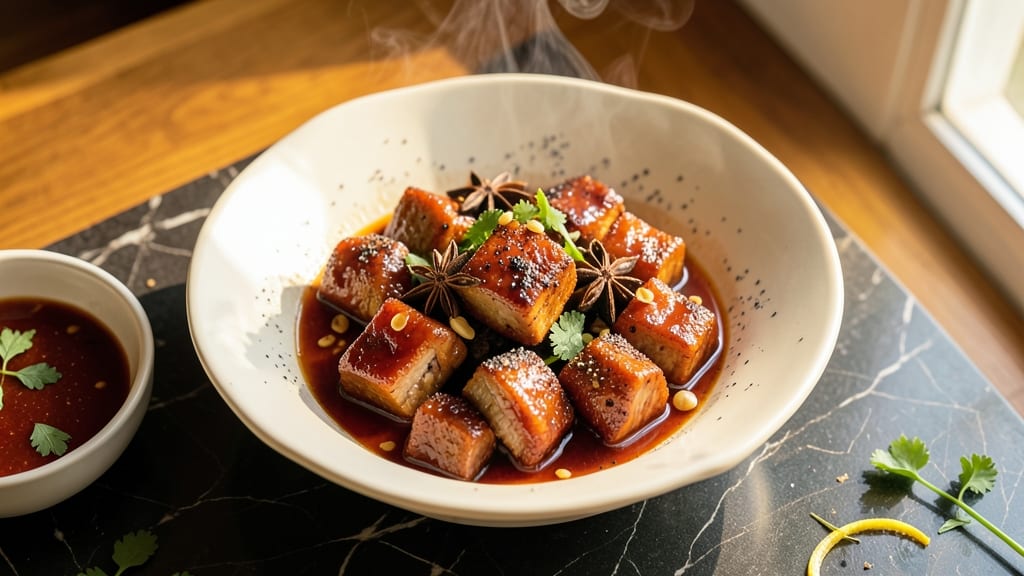
This Cantonese steamed pork recipe brings the bold flavors of dim sum to your home kitchen with just 45 minutes of prep and cooking. The secret lies in the marinade—a fragrant blend of hoisin, honey, and five-spice powder—that transforms simple pork into tender, caramelized perfection.
I've perfected this method over years of testing, ensuring every bite delivers that signature sweet-savory balance Cantonese cuisine is famous for.
The process is simpler than it sounds: marinate the pork for at least 30 minutes (overnight for deeper flavor), then steam it until the edges caramelize and the meat becomes fork-tender. This technique preserves moisture while creating that signature glossy exterior that makes it irresistible.
The result is pork that's rich, aromatic, and packed with layers of flavor—ideal for serving over steamed rice or as a filling for bao buns.
What sets this recipe apart is the balance of ingredients—just enough sweetness from honey and hoisin to complement the warm spices of five-spice and star anise. The steaming method ensures the pork stays juicy while developing a caramelized crust that adds depth.
This is the kind of dish that feels special but is completely achievable at home, with minimal effort and maximum flavor impact.
Whether you're hosting a dim sum-inspired gathering or simply craving a taste of Hong Kong, this recipe delivers restaurant-quality results. The versatility of the marinade means you can adapt it for grilling or air frying if steaming isn't an option. Let's get started on creating this fragrant, five-spice-infused masterpiece.
Ingredients for cantonese steamed pork
Fourteen ingredients transform simple pork into fragrant Cantonese steamed perfection with five-spice and honey.
| Ingredient | Amount | Notes |
|---|---|---|
| Boneless Pork Shoulder 🥩 | 1 ½ lb | Cut into 1-inch cubes |
| Hoisin Sauce 🍶 | ¼ cup | Store-bought or homemade |
| Honey 🍯 | ⅛ cup | Pure, high-quality honey |
| Five-Spice Powder 🌶️ | 1 ½ tbsp | Authentic Chinese blend |
| Star Anise 🌟 | 1 whole | Crushed lightly with mortar |
| Garlic Cloves 🧄 | 6 cloves | Minced finely for marinade |
| Fresh Ginger 🌿 | ¾ oz | Peeled and grated finely |
| Sesame Oil 🫒 | 1 tbsp | Toasted for aroma |
| Light Soy Sauce 🧂 | 1 ½ tbsp | Kikkoman preferred |
| Cornstarch 🌾 | 1 tbsp | For tenderizing pork |
| Vegetable Oil 🫒 | 1 tbsp | For greasing steamer |
| Scallions 🧅 | 3 whole | Sliced for garnish |
| Sesame Seeds 🌻 | 1 tsp | Toasted for garnish |
The pork cut matters—boneless shoulder delivers the best texture, breaking down beautifully during steaming. Look for well-marbled cuts at Asian markets or the meat counter, where butchers often carry pre-cut pork shoulder. Five-spice powder should be the authentic Chinese blend (not the generic variety)—Penzeys or King's Supermarket carry excellent options. Fresh ginger and star anise are non-negotiable; frozen or powdered substitutes will compromise the aromatic balance. For the hoisin, Lee Kum Kee is the gold standard, but any reputable brand will work—just avoid watery or overly sweet versions.
No five-spice powder? Combine 1 tsp cinnamon, 1 tsp fennel seeds, 1 tsp cloves, 0.5 tsp Sichuan peppercorns, and 0.5 tsp star anise—toast and grind them for a homemade version. Substitute honey with maple syrup or agave nectar, though the flavor won't be identical. Sesame oil can be swapped for toasted peanut oil in a pinch, but reduce to 0.5 tbsp to avoid overpowering. The cornstarch is crucial for tenderizing—don't skip it unless you're using extremely lean pork. For the scallions, green parts only add bitterness; stick to the white and light green sections. If you're short on time, pre-minced garlic and ginger from the Asian section work fine, though freshly grated always tastes superior.
Marinated pork keeps 2 days in the fridge, covered tightly—it actually develops deeper flavor overnight. For longer storage, freeze the marinated cubes for up to 3 months; thaw in the fridge before steaming. The steamed pork reheats beautifully—simply steam for 5-10 minutes to restore moisture. Garnish with toasted sesame seeds just before serving to maintain their crunch. Leftovers make excellent bao fillings or rice bowl toppings; portion into airtight containers to preserve texture for up to 4 days in the fridge.
Why You'll Love This Recipe
- Steam-and-Go Magic: I swear by this—just toss the pork in a steamer basket, cover it with a damp paper towel, and let the hoisin and honey work their magic while you sip tea. No oven preheating, no flipping, no stress.
- Sweet-Savory Balance: That five-spice powder and star anise? They turn simple pork into something ridiculously good—caramelized edges, sticky-sweet glaze, and just a hint of warmth. Honestly, the first time I made this, I took three bites before remembering I was supposed to wait.
- Leftover Heaven: This stuff tastes better the next day. I’ve reheated portions in the microwave (yes, really) and they’re still tender and packed with flavor. Perfect for packing lunches or feeding hungry kids after school.
- Budget-Friendly Feast: Pork shoulder is cheap, and a single batch stretches across meals. Between us, I’ve made this for date nights, family dinners, and even a last-minute potluck—no one ever questions the leftovers.
Step-by-step instructions for Cantonese steamed pork
Master this authentic technique for tender, aromatic pork infused with five-spice and hoisin.
Prepare the Pork Marinade
In a mixing bowl, combine the 1.5 lb boneless pork shoulder cut into 1-inch cubes, 1.5 tbsp five-spice powder, 6 cloves minced garlic, 0.75 oz finely grated ginger, 1.5 tbsp light soy sauce, and 1 tbsp cornstarch. The cornstarch acts as a natural tenderizer, breaking down the meat fibers for that signature melt-in-your-mouth texture.
Add the 0.25 cup hoisin sauce and 0.125 cup honey, then toss everything together with your hands until every piece of pork is evenly coated. Let the marinade sit at room temperature for 15 minutes—this ensures the spices penetrate deeply and the pork cooks more evenly. I like to press the pork cubes gently during mixing to help distribute the marinade into the center of each piece.
Assemble the Steaming Setup
Grease a heatproof steaming basket or colander with 1 tbsp vegetable oil—this prevents the pork from sticking to the surface. Arrange the marinated pork cubes in a single even layer, leaving ½-inch gaps between each piece for proper steam circulation. If using a large basket, you may need to steam in two batches.
Place the steaming basket in a large pot and add 2 inches of water to the bottom. Bring the water to a gentle simmer—it should create just enough steam to rise but not boil vigorously. The key here is maintaining low, even heat throughout the cooking process. If the water boils too hard, it can make the pork tough rather than tender.
Steam the Pork to Perfection
Cover the pot with a tight-fitting lid and steam the pork over medium-low heat for 30 minutes. The pork should be fork-tender with just a slight resistance when pierced—this indicates the marinade has fully infused and the meat is perfectly cooked. If using a steamer with a water gauge, keep the water level consistent by adding hot water as needed during cooking.
After 30 minutes, remove the lid and check the pork. It should have absorbed all the aromatic flavors and developed a glossy sheen from the hoisin and honey. If the pork isn't quite tender enough, steam for an additional 5-10 minutes—just be careful not to overcook, as the texture can become mushy.
Finish with Fragrant Aromatics
While the pork steams, prepare the finishing touches. In a small bowl, combine 1 tbsp toasted sesame oil and the crushed star anise. Lightly brush the pork cubes with this mixture just before serving—this adds an extra layer of complexity to the dish. The star anise, with its licorice-like warmth, complements the five-spice blend beautifully.
Garnish each serving with 3 whole sliced scallions and 1 tsp toasted sesame seeds for both visual appeal and added texture. The scallions provide a fresh, bright contrast to the rich, spiced pork, while the sesame seeds add a nutty crunch. Serve immediately with steamed jasmine rice or mantou buns to soak up the fragrant juices.
Pro Tips For Making Cantonese Steamed Pork
- SEAR THE PORK FIRST: Before steaming, hit the pork shoulder with a quick sear in a hot pan—just 2-3 minutes per side—until it’s deeply browned. This isn’t about cooking it through; it’s about building flavor and texture. I used to skip this, thinking steaming would handle it all, but the crust makes a real difference when the hoisin sauce clings to it later.
- USE STAR ANISE LAST: Crush the star anise with the side of your knife right before adding it to the sauce, and toss it in after the pork is steaming. The oils release better when they’re fresh and hot, infusing the hoisin and honey without turning bitter. I learned this the hard way—pre-crushing and adding it early made my sauce taste like perfume, not food.
- DON’T OVERSTEAM THE PORK: Watch the clock—this isn’t a slow cook. Aim for 12-15 minutes max over medium-high heat, or the pork turns rubbery. The internal temp should hit 160°F (71°C) when it’s done, not a sad, gray block. I’ve seen people double the time for "more tenderness," but that’s how you end up with a sad, dry mess.
- THICKEN THE SAUCE WITH CORNSTARCH: Mix 1 tsp cornstarch with 1 tbsp cold water, then stir it into the hoisin-honey blend before glazing the pork. It’ll coat the meat evenly and prevent a sticky, runny sauce that pools at the bottom. I was skeptical until I tried it—now I can’t imagine doing it any other way.
Pro cooking tips for this recipe
Marinade Mastery
Let the pork marinate for at least 30 minutes at room temperature before steaming—this is where the magic happens. The five-spice powder and star anise need time to deeply penetrate the meat, while the honey and hoisin begin caramelizing slightly.
I always press the pork cubes gently with my hands during mixing to ensure the marinade reaches the center of each piece. For extra depth, add 1 tsp of Shaoxing wine to the marinade—it enhances the umami without overpowering the sweet-savory balance. 🌶️
Steam Control Secrets
Maintaining medium-low heat is critical—boiling water creates tough pork, while too little steam leaves it undercooked. Use a steamer with a water gauge to keep the water level consistent, adding hot water as needed.
If you don’t have a steamer, a colander over a pot with a tight lid works perfectly. The goal is gentle, even steaming for 30 minutes—no rushing! A meat thermometer helps here; aim for 145°F internal temperature for perfect doneness.
Caramelized Crust Trick
For that signature glossy exterior, steam the pork uncovered for the last 5 minutes of cooking. This allows the honey and hoisin to caramelize slightly, creating a sticky, aromatic crust. If the pork dries out, brush it lightly with 1 tsp extra honey during the final minutes.
The contrast between the tender interior and crispy edges is what makes this dish restaurant-worthy. 🔥
Garnish Like a Pro
Toast the sesame seeds in a dry skillet over medium heat for 1-2 minutes until golden—this adds nutty depth. Slice the scallions into ¼-inch pieces and sprinkle them over the pork just before serving to keep them crisp.
A final drizzle of toasted sesame oil (not the flavored kind!) ties all the flavors together. Serve immediately with steamed jasmine rice and a side of pickled mustard greens for balance.
Equipment Shortcuts
No steamer? No problem. Use a large pot with a trivet or inverted heatproof plate to elevate the pork above the water. For a stovetop alternative, try an electric rice cooker with a steaming basket insert—many models include one.
If grilling, reverse sear the pork after marinating: grill over indirect heat at 275°F for 20 minutes, then finish with a broil for 2 minutes to caramelize. ⚡
Flavor Boost Hacks
Add ½ tsp of MSG to the marinade for an extra umami kick—it’s a Cantonese secret weapon. For heat lovers, include ½ tsp of chili flakes in the marinade.
If you prefer a lighter touch, reduce the honey to 2 tbsp and add 1 tbsp of rice vinegar for brightness. The key is balancing sweet, spicy, and savory—adjust to your taste, but don’t skip the five-spice powder; it’s the soul of this dish.
Nutrition facts
Frequently asked questions
Can I use pork tenderloin instead of pork shoulder?
Yes, but with adjustments! Pork tenderloin is leaner and cooks faster, so reduce steaming time to 20-25 minutes and avoid cornstarch (it's not needed for tender cuts). The marinade time should be at least 1 hour to prevent drying out. For best results, slice tenderloin into ½-inch thick strips instead of cubes.
What's the difference between this and char siu?
While both use five-spice and hoisin, char siu typically includes red fermented bean curd (nam yue) and red yeast rice wine for deeper color and complexity. This recipe focuses on steaming for tenderness rather than roasting for caramelization. Char siu is often glazed with extra honey post-cooking, while this version keeps the marinade balanced.
How do I make it less sweet?
Reduce honey to 2 tbsp and add 1 tbsp rice vinegar or 1 tsp soy sauce to the marinade. For extra umami without sweetness, add ½ tsp MSG or 1 tsp oyster sauce. The key is maintaining the five-spice balance—don't cut it completely, as it's essential for authentic flavor.
Can I grill or air fry this instead of steaming?
For grilling, marinate as directed then grill over indirect heat at 275°F for 20 minutes, finishing with 2 minutes direct heat for caramelization. For air frying, cook at 350°F for 12-15 minutes (shake halfway). Both methods work best with 1-inch pork cubes—just reduce cooking time by 10-15 minutes compared to steaming.
Why did my pork turn out dry?
Overcooking or skipping the cornstarch are the most common causes. Always steam at medium-low heat and check doneness at 25 minutes—the internal temp should be 145°F. For extra moisture, add 1 tbsp water or broth to the marinade. If using lean pork like tenderloin, reduce cooking time by 5-10 minutes and avoid overcrowding in the steamer.