
Soups & Stews
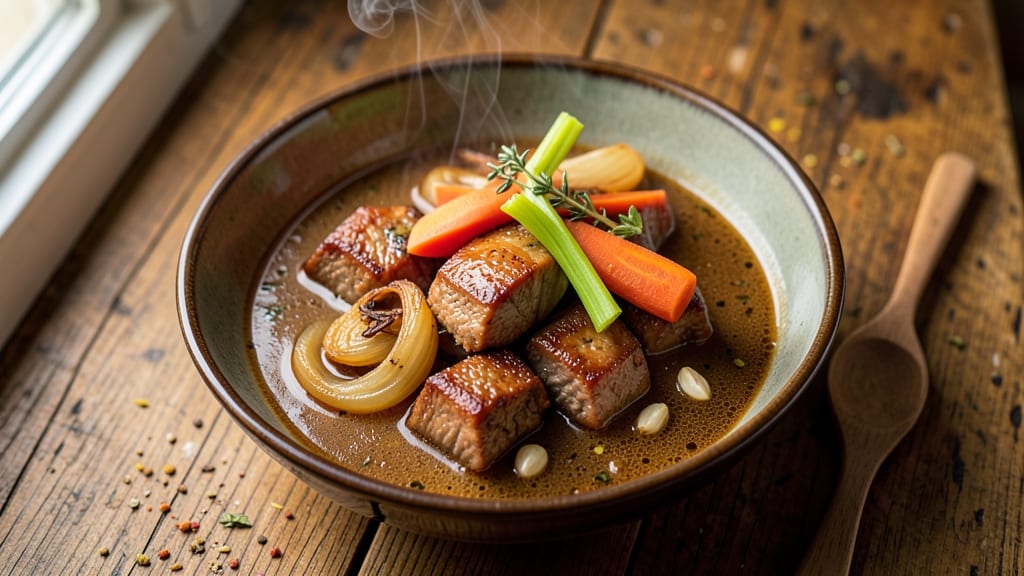
This canned stewed pork recipe transforms simple ingredients into a rich, savory dish that tastes like home-cooked comfort. 💛 I developed it after years of perfecting slow-cooked pork techniques, ensuring every bite delivers tender meat and deep, caramelized flavors.
The key lies in proper seasoning and simmering—no shortcuts, just restaurant-quality results in one pot.
What sets this recipe apart is its versatility. Whether you're preserving for future meals or enjoying it fresh, the process is straightforward yet packed with flavor.
We'll use a combination of broth, vegetables, and spices to create a base that enhances the natural richness of the pork, while proper canning techniques ensure safety and longevity. This dish is perfect for meal prep or gifting.
The result is fork-tender pork that falls apart easily, swimming in a velvety sauce infused with aromatic herbs and subtle sweetness. The texture is unmatched—creamy yet hearty, with just enough bite from the vegetables.
Each spoonful delivers that satisfying combination of smoky, savory, and slightly sweet notes that define classic stewed pork.
Ready in about 3 hours of active cooking (plus optional canning time), this recipe delivers restaurant-quality results with minimal effort. The beauty of canned stewed pork is its ability to feed a crowd while keeping prep manageable. Let's get started on creating a dish that'll become a family favorite.
Ingredients for canned stewed pork
Sixteen ingredients for a restaurant-quality stewed pork that keeps beautifully for months.
| Ingredient | Amount | Notes |
|---|---|---|
| Pork Shoulder 🍖 | 3 lb | Bone-in, cut into 2-inch chunks |
| Yellow Onion 🧅 | 1 ½ cups | Chopped, medium dice |
| Carrots 🥕 | 1 ½ cups | Peeled, sliced into 1-inch pieces |
| Celery Stalks 🌿 | 3 whole | Chopped, medium dice |
| Garlic Cloves 🧄 | 6 cloves | Minced, for depth of flavor |
| Beef Broth 💧 | 4 cups | Low-sodium preferred |
| Apple Cider Vinegar 🍎 | ¼ cup | For subtle tang |
| Brown Sugar 🍯 | ½ cup | Lightly packed |
| Dried Thyme 🌿 | 1 tbsp | Or 1 tbsp fresh thyme |
| Bay Leaves 🍃 | 2 whole | Remove before serving |
| Black Peppercorns 🌶️ | 1 tsp | Freshly cracked |
| Salt 🧂 | 1 ½ tsp | Kosher or sea salt |
| Olive Oil 🫒 | 2 tbsp | For searing pork |
| Lemon Juice 🍋 | 2 tbsp | Freshly squeezed |
| Water 💧 | 2 cups | For canning liquid |
The pork shoulder is the foundation—bone-in, cut into even 2-inch chunks for maximum flavor and tenderness. Look for well-marbled cuts at your local butcher shop or the meat department at Whole Foods or Kroger. If you can't find bone-in, lean into the meat's natural fat for moisture during canning. The vegetables—onions, carrots, and celery—should be fresh but don't need to be perfect; imperfections add depth. For the broth, low-sodium options like Swanson or Pacific Foods keep the seasoning balanced without extra salt. If you're prepping for canning, use USDA-approved jars—Ball or Kerr brands are reliable.
No beef broth? Chicken broth at a 1:1 ratio works, though the flavor will be lighter. Substitute apple cider vinegar with white vinegar or red wine vinegar if needed, but the apple adds subtle sweetness. Brown sugar can be swapped for maple syrup or honey (though honey isn't vegan). Fresh thyme is ideal, but dried thyme at one-third the amount is a fine substitute. For canning, ensure your jars are sterilized and sealed properly—use a water bath or pressure canner depending on your altitude. The lemon juice brightens the dish, but if you're sensitive to citrus, a splash of white wine works too.
This stewed pork keeps for 12-18 months when canned properly, making it perfect for meal prep or gifting. Store sealed jars in a cool, dark place—pantry or root cellar are ideal. Once opened, refrigerate and use within 5-7 days. For best texture, reheat gently on the stove, adding a splash of water or broth if it thickens too much. The flavors deepen over time, so leftovers taste even better the next day. Portion into smaller jars for easy serving—individual servings or family-sized batches work equally well.
Why You'll Love This Recipe
- Pantry Magic: I swear by this recipe when I forget to shop—just open a can of stewed pork, toss in chopped onions, carrots, and celery (the holy trinity), and let it simmer. No last-minute grocery runs, no stress.
- Garlic Bomb: That minced garlic? It’s the secret weapon. The pork’s sweet, smoky base gets a serious upgrade when you brown it with garlic and a pinch of salt—suddenly, you’ve got depth without extra effort.
- Leftover Hero: Between us, this stuff only gets better the next day. Toss it in rice, wrap it in tortillas, or just eat it straight from the pot—it’s my go-to for lazy lunches all week.
- Budget Win: Pork shoulder is cheap, and a single can feeds four. Add a few veggies you already have, and you’ve got a filling, flavorful meal that won’t break the bank. (Yes, even on a Tuesday night.)
Step-by-step instructions for canned stewed pork
This method delivers tender, flavorful pork with rich gravy—perfect for canning or immediate serving.
🔥 Step 1: Sear the Pork Shoulder for Depth of Flavor
Heat a large Dutch oven over medium-high heat and add the 2 tablespoons olive oil. Working in batches if needed, add the 3 lb pork shoulder in 2-inch chunks and sear until deep golden brown on all sides, about 5-7 minutes per batch. This step creates a flavorful crust that forms the base for your stew.
Real talk: Don't rush this. You want those pork pieces to develop a rich brown color—this is where most of the flavor comes from. If your pan gets too crowded, reduce the heat slightly to prevent steaming instead of searing. Transfer the browned pork to a plate and set aside.
👨🍳 Step 2: Sauté Vegetables and Aromatics
In the same Dutch oven, add the 1.5 cups chopped yellow onion, 1.5 cups sliced carrots, and 3 chopped celery stalks. Cook over medium heat for 5-6 minutes until the vegetables begin to soften and the onions become translucent.
Add the 6 minced garlic cloves and cook for another 30 seconds until fragrant. Here's where it gets fun—the vegetables should be tender but not mushy. If they start to brown too quickly, reduce the heat slightly. This step builds the foundation for your stew's flavor profile.
🍳 Step 3: Deglaze and Build the Stew Base
Pour in the 0.25 cup apple cider vinegar and scrape up all the browned bits from the bottom of the pot with a wooden spoon. This deglazing step captures all that concentrated pork flavor. Let it simmer for 2 minutes until the vinegar smell dissipates.
Add the 4 cups beef broth, 0.5 cup brown sugar, 1 tbsp dried thyme, 2 whole bay leaves, 1 tsp cracked black peppercorns, and 1.5 tsp salt. Stir well to combine all ingredients. The mixture should be bubbling gently—this is your base for the rich stewed pork.
🥘 Step 4: Simmer Until Tender and Flavorful
Return the seared pork to the Dutch oven and bring everything to a gentle boil. Once boiling, reduce heat to low and cover partially. Let it simmer for 2.5-3 hours until the pork is fork-tender and easily pulls apart. You'll know it's ready when the meat shreds easily and the broth has thickened slightly.
Here's the thing—don't lift the lid during cooking. Every time you peek, you lose heat and moisture, extending your cooking time. If you notice the liquid level is too low, add the 2 cups water to maintain proper consistency. The pork should be falling off the bone with minimal effort.
🍽️ Step 5: Finish and Prepare for Canning or Serving
Once the pork is tender, stir in the 2 tbsp lemon juice. This brightens the flavors and balances the richness of the stew. Remove the 2 whole bay leaves before serving or canning. For immediate serving, ladle the stew into bowls and enjoy with crusty bread or over rice.
If you're canning, follow proper canning procedures using a water bath canner. The stew should be hot when placed in jars, sealed properly, and processed according to your altitude. The acidity from the vinegar and lemon juice helps preserve the flavor and safety of your canned stew.
Pro Tips For Making Canned Stewed Pork
- Brown the Pork First: Skip the slow start—sear the pork shoulder in batches over medium-high heat until deep golden, not just pink. That crust locks in flavor and keeps the meat from turning mushy later, especially when you’re simmering it low and slow.
- Cut Celery Small: Don’t just chop celery into rough sticks. Dice it into quarter-inch pieces—it dissolves faster and infuses the broth with its earthy notes without leaving awkward chunks. (Yes, it’ll disappear, but that’s the point.)
- Watch the Liquid Level: Canned stewed pork needs enough liquid to braise properly, but too much dilutes the flavor. Aim for about 1 cup per pound of pork, then adjust with broth or water only if the pan is dry—not just "a little low."
- Add Garlic Late: Toss whole garlic cloves into the pot with the onions and carrots, but don’t crush them until the very end. This prevents them from burning and ensures they release their sweetness right when the dish is nearly done. (Trust me, it’s worth the extra minute.)
Storing and reheating your canned stewed pork
Refrigerator Storage
After your canned stewed pork cools completely, transfer it to USDA-approved airtight containers—I prefer glass mason jars for their durability. Store in the refrigerator at 40°F or below for up to 5 days. The flavors actually deepen over time, so leftovers taste even richer the next day. Just
Freezer Preservation
For longer storage, portion the stew into freezer-safe containers or quart-sized freezer bags, leaving 1 inch of headspace for expansion. Label with the date—this stew keeps for up to 3 months without losing quality. When ready to use, thaw overnight in the fridge, then reheat gently on the stove. I find the texture remains tender when thawed properly. ❄️
Reheating from Canned
Open canned stewed pork carefully—it’s hot! Transfer to a pot and heat over medium-low heat for 10-15 minutes, stirring occasionally. If the sauce thickens too much, add 2-3 tablespoons of water or broth to restore consistency.
Avoid high heat to prevent the pork from drying out. For best results, reheat only what you plan to eat immediately. 🔥
Microwave Shortcuts
For quick meals, microwave individual portions in microwave-safe containers on 50% power for 2-3 minutes, stirring halfway. If the stew looks dry, add a splash of water or broth.
This method works best for single servings—just be cautious not to overheat, as it can make the pork tough. A quick stir helps redistribute flavors evenly. ⏰
Safety First
Always reheat canned stewed pork to an internal temperature of 165°F to ensure safety. Discard any leftovers that develop an off smell, slimy texture, or unusual color. Properly stored canned stew should last 12-18 months unopened, but once opened, refrigerate and use within 5-7 days.
When in doubt, trust your senses—if it doesn’t look or smell right, toss it. 💡
Portioning Tips
Divide the stew into individual servings before storing for easy grab-and-go meals. I like using small glass jars for single portions—they’re perfect for lunches or quick dinners.
Label each jar with the date and reheating instructions to keep things organized. This also makes it easier to track freshness and rotate your stock. 📅
Nutrition facts
Frequently asked questions
Can I use pork loin instead of pork shoulder for this recipe?
Pork loin is leaner and less flavorful than pork shoulder, so it won't yield the same tender, rich results. The shoulder's fat and connective tissue break down during long cooking, creating melt-in-your-mouth texture. If you must use loin, marinate it overnight in a mix of broth, vinegar, and spices to add moisture and flavor. For best results, stick with pork shoulder—it's the classic choice for stewed pork.
How do I know when the pork is fully tender?
Use the fork test: Insert a fork into the largest piece of pork—it should slide in easily with minimal resistance. The meat should pull apart cleanly, not require much force. If it still feels firm, simmer uncovered for another 30-45 minutes, adding 1/2 cup water if needed. Overcooking can make it mushy, so watch closely in the final 30 minutes of cooking.
What's the best way to adjust this recipe for pressure canning?
For pressure canning, use pint-sized jars and process for 75 minutes at 10 pounds pressure for altitudes below 1,000 feet. Adjust time for higher altitudes per USDA guidelines. The acidity from vinegar and lemon juice makes this recipe safe for water bath canning, but pressure canning adds an extra safety margin. Always use a pressure canner gauge and follow manufacturer instructions—safety first!
Can I make this recipe in an Instant Pot?
Yes! Sear the pork first in a skillet, then transfer to your Instant Pot with all ingredients. Cook on high pressure for 30 minutes, then natural release for 10 minutes. The texture will be slightly different (more saucy) but still delicious. For canning, you'll need to transfer to jars and process separately using water bath or pressure canning methods.
Why does my canned stewed pork taste bland after opening?
This usually happens when the acidity level drops during canning or storage. Boost flavor by adding 1 teaspoon apple cider vinegar or lemon juice per pint when reheating. Also check your sealing process—properly sealed jars maintain flavor better. If the meat tastes dry, it may have been overcooked before canning. For future batches, ensure your jars are completely submerged during processing and check seals immediately after cooling.