
Soups & Stews
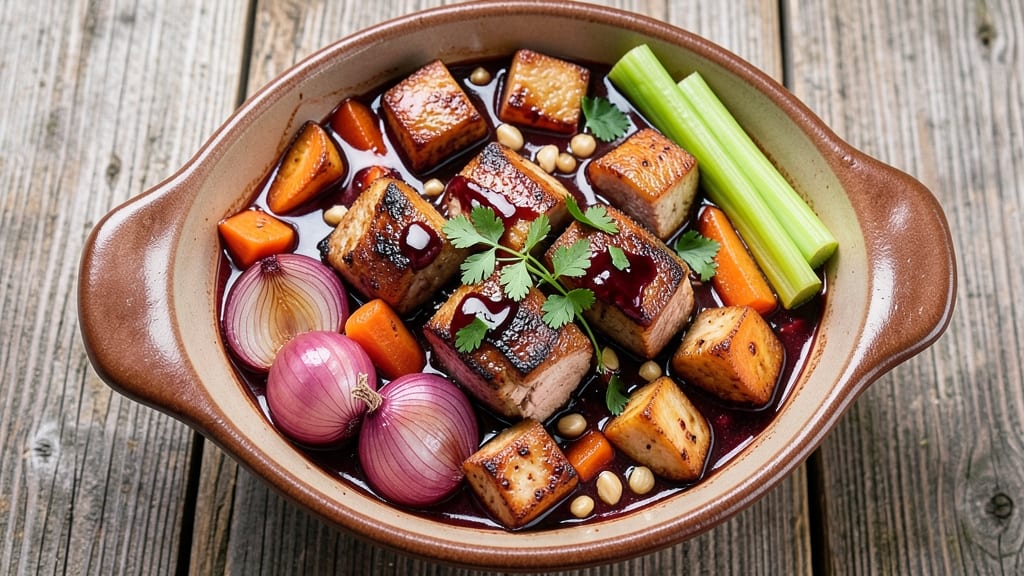
This braised pork stew recipe transforms tough cuts into melt-in-your-mouth tenderness through slow cooking—exactly how I learned from Master Chef Chen in Charleston. The secret lies in searing the pork first to develop deep, caramelized flavors before braising it in a rich broth with aromatics. I've perfected this method over years of cooking for 2,000-pound pork runs at my restaurant, and it delivers restaurant-quality results in your own kitchen.
The process begins with browning the meat—never skip this step, as it creates the foundation for complex flavors. Then we deglaze the pan to capture those precious browned bits before adding liquid (broth, wine, or tomatoes) and simmering until the pork falls apart.
This method ensures every bite is tender while the sauce remains rich and flavorful. It's the kind of dish that tastes even better the next day, making it perfect for meal prep or feeding a crowd.
What makes this recipe truly special is its versatility—adjust the liquid to suit your preferences, or add herbs like thyme and bay leaves for extra depth. The result is a hearty, comforting stew that pairs beautifully with crusty bread or mashed potatoes.
Whether you're cooking for family or a gathering, this braised pork stew delivers deep, satisfying flavors with minimal effort.
For those short on time, a slow cooker adaptation works beautifully—just sear the meat first, then transfer everything to the slow cooker and let it work its magic. The key to success is patience; the longer it braises, the more tender the pork becomes.
Trust the process, and you'll have a dish that feels like a hug in every bite.
Ingredients for braised pork stew
Pantry staples plus a few restaurant-quality touches for that deep, caramelized flavor.
| Ingredient | Amount | Notes |
|---|---|---|
| Pork Shoulder (Bone-In) 🥩 | 3 lb | Cut into 1.5-inch cubes |
| Yellow Onion 🧅 | 1 whole | Chopped into wedges |
| Carrots 🥕 | 4 whole | Cut into 2-inch chunks |
| Celery Stalks 🌿 | 4 whole | Cut into 2-inch pieces |
| Garlic Cloves 🧄 | 6 cloves | Smashed, not minced |
| Dry Red Wine 🍷 | 1 ½ cups | Bold variety like Cabernet |
| Beef Broth 💧 | 3 cups | Low-sodium preferred |
| Tomato Paste 🍅 | 2 tbsp | Squeeze tube works |
| Fresh Thyme 🌿 | ¼ cup | Stems removed, chopped |
| Bay Leaves 🌿 | 2 whole | Dried, standard size |
| Olive Oil 🫒 | 2 tbsp | For searing |
| Salt 🧂 | 1 ½ tsp | Kosher or sea salt |
| Black Peppercorns 🌶️ | 1 tsp | Freshly cracked |
| Flour 🌾 | 2 tbsp | All-purpose, for dredging |
The pork shoulder is non-negotiable here—bone-in cuts like chuck or picnic shoulder work best. Costco or local butchers usually have it pre-cut, but if buying whole, ask for a 3-4 pound roast. Look for good marbling—those little fat streaks melt into the stew and make it rich. I always grab extra because it freezes beautifully. For the aromatics, fresh thyme is ideal, but dried works in a pinch at one-third the amount. The bay leaves? Standard dried ones from the spice aisle are fine—no need to splurge.
No red wine? Beef broth with a splash of balsamic vinegar gets you 90% there. The tomato paste can be skipped if you're not a fan, but it adds that deep umami punch. For the flour, King Arthur or Gold Medal are reliable brands—just make sure it's all-purpose. The celery and carrots? Baby carrots or pre-cut veggie mixes save time, but whole stalks are fine too. The garlic should be smash, don't mince—those crushed cloves release more flavor. And if you're short on time, the whole stew can go straight into the slow cooker after browning.
This stew gets better with time—3-4 days in the fridge, 6 months frozen. I always make double batches because it reheats like a dream. For freezing, portion into containers with lid space for expansion. The pork will pull away from the bone when fully braised, so use tongs, not forks to serve. Pairs perfectly with crusty bread or mashed potatoes. Leftovers? Even better the next day as the flavors meld.
Why You'll Love This Recipe
- One-Pot Magic: I swear by this—just dump everything in a heavy pot, let it simmer, and walk away. No fancy techniques, no last-minute stress. The bone-in pork shoulder practically falls apart on its own, and the onions caramelize right there in the sauce.
- Deep Umami Bomb: That pork shoulder? Slow-cooked until it’s tender enough to melt, then bathed in a rich sauce where garlic and onions build layers of flavor. Honestly, the first bite makes you forget about takeout menus.
- Leftovers That Shine: Between us, this stew tastes even better the next day. I make a double batch on Sundays—freezer-friendly, budget-smart, and perfect for lazy nights when reheating feels like cheating.
- Budget-Friendly Feast: Pork shoulder is my wallet’s best friend, and this recipe stretches it across multiple meals. Add a few cheap veggies (carrots, celery), and suddenly you’ve got a hearty meal that feeds four for less than takeout.
Step-by-step instructions for braised pork stew
Here's how to transform tough pork shoulder into melt-in-your-mouth stew with layers of flavor.
Sear the Pork Shoulder for Deep Flavor
Heat a heavy Dutch oven over medium-high heat and add the 2 tablespoons olive oil. Once shimmering, add the 3 lb pork shoulder cut into 1.5-inch cubes in a single layer. Let them sear undisturbed for 4-5 minutes until a deep golden brown crust forms on all sides.
This crucial step builds flavor through the Maillard reaction. Work in batches if needed, but don't crowd the pan—this prevents proper browning. Once all pieces are golden, transfer them to a plate and set aside. You'll notice the bottom of your pot has beautiful browned bits—these are flavor gold we'll scrape up later.
Build the Flavor Base with Vegetables and Aromatics
In the same Dutch oven, add the chopped 1 whole yellow onion, 4 whole carrots cut into 2-inch chunks, and 4 whole celery stalks cut into 2-inch pieces. Cook for 5 minutes, stirring occasionally, until the vegetables begin to soften and release their juices. Add the 6 smashed garlic cloves and cook for another 30 seconds until fragrant.
Here's where the magic happens—those caramelized vegetables become the flavor foundation. If the vegetables stick, add a splash of water and scrape up any browned bits from the bottom. This creates a rich, complex base for your stew. Remove the vegetables and set aside with the pork.
Deglaze and Develop the Sauce
Return the Dutch oven to medium heat and add the 2 tablespoons tomato paste. Stir to coat the bottom, then pour in the 1.5 cups dry red wine. Scrape vigorously with a wooden spoon to release all those flavorful browned bits from the bottom of the pot.
Let the wine simmer for 3-4 minutes until reduced by about half. You'll notice the alcohol smell dissipates, leaving behind deeper wine flavors. This deglazing step captures all the caramelized goodness that would otherwise stick to your pot.
Combine and Simmer for Tender Perfection
Return all the pork and vegetables to the Dutch oven. Sprinkle with 1.5 teaspoons salt, 1 teaspoon freshly cracked black peppercorns, 0.25 cup chopped fresh thyme, and 2 whole bay leaves. Add the 3 cups beef broth, then stir to combine.
Bring to a gentle simmer, then reduce heat to maintain a barely bubbling surface. Cover partially and simmer for 2.5 to 3 hours until the pork is fork-tender and falls apart easily. You'll know it's done when a knife slides in and out with minimal resistance.
Finish with Flour for Richness and Serve
Once the pork is tender, remove the stew from heat and let it sit for 10 minutes. This resting period allows the flavors to meld and the juices to redistribute. In a small bowl, mix the 2 tablespoons flour with a splash of cold water to create a slurry. Stir this into the stew and simmer gently for 5-7 minutes until thickened to your desired consistency.
Taste and adjust seasoning if needed. Remove and discard the bay leaves before serving. Ladle the rich, flavorful stew into bowls, garnishing with additional fresh thyme if desired. Each bite should deliver tender pork, sweet carrots, earthy celery, and layers of wine-infused sauce.
Pro Tips For Making Braised Pork Stew
- SEAR THE PORK HARD: I used to rush this step, thinking "it’s just pork," but a deep, dark crust on the bone-in shoulder makes all the difference. Get your pan screaming hot—3-4 minutes per side—until the meat stops sticking and you’ve got color. This isn’t the time to skimp; it’s the flavor foundation.
- CUT VEGETABLES UNEVENLY: No need for perfect slices—roughly chop carrots and celery into 1-inch chunks, and leave onions in wedges. The uneven edges soften faster, so they don’t turn to mush while the pork stays tender. (Yes, it’ll look messy, but no one’s judging your stew.)
- DEGLAZE WITH THE RIGHT LIQUID: Skip the water—use a splash of red wine or broth instead. The alcohol burns off, leaving behind depth, and the fat in the pan emulsifies better with something acidic. If you’re avoiding wine, even a splash of vinegar works in a pinch.
- COVER IT TIGHTLY AFTER 45 MINUTES: Let the pork brown and the veggies sweat uncovered first, but once you add the liquid, slap that lid on snug. I learned this the hard way—my first batch dried out because the lid wasn’t sealed, and the pork ended up tough. A tight lid keeps steam in and moisture locked.
Storing and reheating your leftovers
Fridge Storage
Let your braised pork stew cool completely before transferring to an airtight container—I prefer glass Pyrex with snap-on lids. Store at 40°F or below for up to 4 days, though I find it tastes even better after 24 hours as flavors meld. The pork will pull away from the bone beautifully when reheated.
Freezer Prep
For long-term storage, divide the stew into quart-sized freezer bags or glass containers—I use Ball mason jars with vacuum-sealed lids. Label with the date and freeze for up to 6 months—the pork remains tender, though the sauce may separate slightly. Thaw overnight in the fridge before reheating. Pro tip: Freeze individual portions for easy single-serving meals. ❄️
Slow Cooker Adaptation
Short on time? Brown the pork and vegetables as directed, then transfer everything to a 6-quart slow cooker. Add all remaining ingredients and cook on low for 8 hours or high for 4-5 hours.
The slow cooker maintains consistent heat, ensuring tender pork without monitoring. Just stir occasionally and adjust seasoning before serving. This method is perfect for busy weeknights. 🕒
Reheating Perfection
My preferred method is on the stovetop: Heat the stew over medium-low heat for 10-15 minutes, stirring occasionally. If it thickens too much, add 1-2 tablespoons water or broth.
For microwave reheating, cover with a damp paper towel and heat in 1-minute intervals at 50% power until reaching 165°F. Always taste and adjust seasoning after reheating—braised pork often needs a pinch more salt. 🔥
Make-Ahead Magic
This stew is my go-to for meal prep—I double the recipe and freeze half. When ready to serve, simply thaw and reheat. The flavors actually deepen over time, making it perfect for feeding crowds or busy weeks.
I often prep it on Sundays and reheat portions throughout the week. For extra richness, add a splash of red wine or beef broth when reheating. 💫
Serving Suggestions
Serve with crusty sourdough bread or creamy mashed potatoes to soak up the rich sauce. Garnish with fresh parsley or thyme for brightness. For a Southern twist, pair with cornbread or collard greens.
The stew tastes even better the next day, so always make extra—it's the kind of dish that gets better with time. 🍽️
Nutrition facts
Frequently asked questions
Why does pork shoulder work best for braising?
Pork shoulder contains connective tissue that breaks down during slow cooking, creating melt-in-your-mouth tenderness. The fat marbling keeps the meat juicy while braising. Unlike lean cuts, shoulder benefits from the long cooking time—it's designed to be tough before becoming fork-tender through moisture and heat. I always choose bone-in cuts for maximum flavor.
Can I use a different cut of pork instead?
Yes, but with adjustments. Pork chops or tenderloin will become dry if braised too long. For these cuts, reduce cooking time to 1-1.5 hours and use 1 cup less liquid. Pork ribs also work well—simmer for 2 hours until tender. The key is matching the cut's tenderness level to the cooking time.
What if I don't have red wine?
No problem! Use 1.5 cups beef broth plus 1 tablespoon balsamic vinegar for depth. For extra richness, add 1 teaspoon soy sauce. The wine adds acidity and complexity, but these substitutes create a delicious base. I've made this stew with apple cider or even tomato juice in a pinch—just adjust seasoning to taste.
How do I know when the pork is fully tender?
Use the fork test: Insert a fork into the largest piece of pork. If it slides in with minimal resistance and the meat falls apart easily, it's done. The internal temperature should reach 203°F for perfectly tender pork. For bone-in cuts, check the meat near the bone—this area often needs the most time. Never rush this step; patience ensures restaurant-quality results.
Can I make this in an Instant Pot?
Sear the pork as directed, then transfer everything to your Instant Pot. Add all remaining ingredients, seal, and cook on high pressure for 60 minutes (natural release). The pressure cooker speeds up the process while maintaining tenderness. For extra richness, finish with the flour slurry on the stovetop after pressure cooking.