
Main Courses
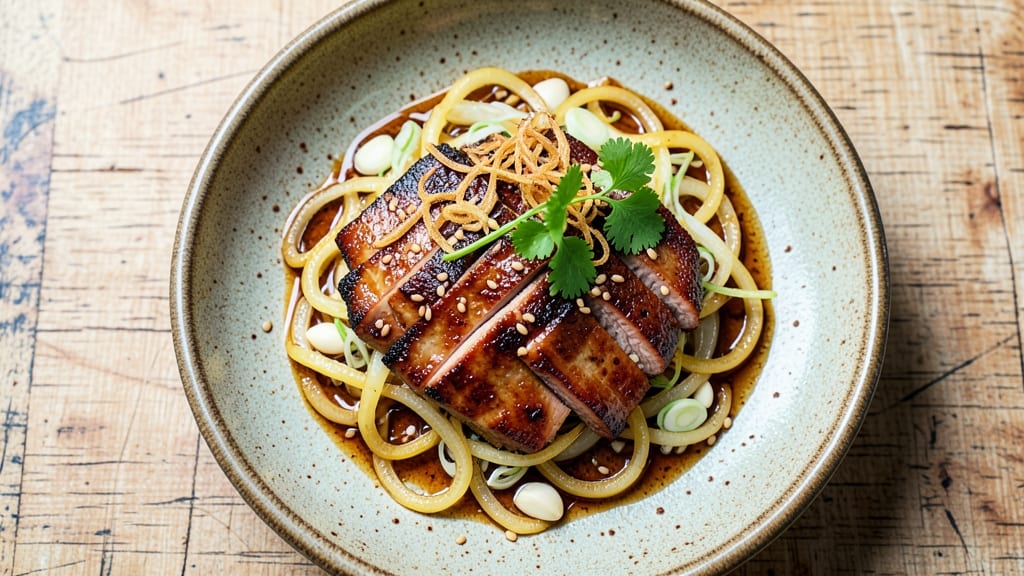
These canned pork recipe ideas transform a humble pantry staple into a flavor powerhouse—think tender stews and aromatic stir-fries that taste homemade. I've tested countless ways to elevate this ingredient, and these recipes prove it's not just for emergencies. The key is balancing canned pork's natural richness with bright, complementary flavors that cut through any saltiness.
What makes these dishes shine is their versatility—whether you're craving a hearty Asian-inspired stir-fry with ginger and soy or a comforting Latin-inspired stew with tomatoes and cilantro.
Each recipe uses simple ingredients but delivers restaurant-quality results. The canned pork absorbs flavors beautifully, making it perfect for weeknight meals that still feel special.
You'll end up with meals that are foolproof yet impressive—crispy edges on stir-fried pork, melt-in-your-mouth tenderness in stews, and aromas that fill your kitchen. These recipes work equally well as main dishes or sides, and leftovers reheat beautifully. The best part? They're budget-friendly without sacrificing flavor.
Pair with steamed rice, crusty bread, or fresh greens to round out the meal. Here's how to make them shine in your kitchen—no fancy equipment required.
Ingredients for canned pork recipe ideas
Simple pantry staples elevate canned pork into restaurant-worthy stir-fries and stews with bold flavors.
| Ingredient | Amount | Notes |
|---|---|---|
| Canned Pork (Spam or Similar) 🥓 | 1 lb | Drained and sliced into bite-sized pieces |
| Yellow Onion 🧅 | 1 whole | Thinly sliced for even cooking |
| Garlic Cloves 🧄 | 4 cloves | Minced for aromatic depth |
| Fresh Ginger 🌿 | 2 tbsp | Grated, for zesty brightness |
| Soy Sauce 🍶 | 3 tbsp | Low-sodium preferred for balance |
| Honey 🍯 | 2 tbsp | For sweet-savory harmony |
| Sesame Oil 🫒 | 1 tbsp | Toasted for nutty aroma |
| Vegetable Oil 🫒 | 2 tbsp | For high-heat stir-frying |
| Red Bell Pepper 🌶️ | 1 whole | Sliced into strips for crunch |
| Fresh Cilantro 🌿 | ¼ cup | Chopped, for fresh finish |
| Lime 🍋 | 1 whole | Juiced, for acid balance |
| Steamed White Rice 🍚 | 2 cups | Cooked, for serving base |
| Salt 🧂 | 1 tsp | Adjust to taste after cooking |
| Black Pepper 🌶️ | ½ tsp | Freshly ground for warmth |
| Tomato Paste 🍅 | 2 tbsp | For rich stew base |
The canned pork is the star, so look for brands like Spam or Hormel—they're consistent in quality. Fresh ginger and garlic are non-negotiable for that bright, aromatic punch. I always grab organic ginger from the produce section at Whole Foods or Trader Joe's—it's more vibrant. The cilantro? Fresh is best, but if you're using dried, double the amount. For the soy sauce, Kikkoman or Pearl River Bridge are my go-tos—they've got that perfect balance of salt and umami. And don't skip the sesame oil—it's what gives that authentic nutty aroma that makes this feel like a takeout dish.
No fresh ginger? Powdered ginger at half the amount works in a pinch, though it's not as potent. Short on cilantro? Fresh parsley or basil can step in, but you'll lose that signature freshness. The tomato paste can be swapped for crushed tomatoes or tomato sauce if you're making a stew instead of a stir-fry. For extra richness in the stew version, add a splash of beef broth—it deepens the flavor without overpowering. And if you're avoiding honey, maple syrup or agave will do the trick for that sweet-savory balance.
Canned pork keeps for up to 2 years unopened, but once you slice into it, use it within 3 days for best texture. The stir-fry reheats beautifully—just toss it in a hot pan with a splash of water to keep it moist. For the stew, it actually tastes better the next day as the flavors meld. Store leftovers in airtight containers, and freeze portions for up to 3 months. I like to make a double batch—one for dinner and one to freeze for lazy nights when I don't feel like cooking.
Why You'll Love This Recipe
- Pantry to Plate Fast: I swear by this when I’m starving and the fridge is bare. Slice the pork, mince the garlic and ginger, toss in onions—boom, dinner’s ready. No thawing, no waiting, just pure speed.
- Umami Bomb Combo: That crispy edge from the canned pork meets the bright punch of fresh ginger and garlic, all tied together with soy sauce. It’s salty, sweet, and savory in one bite—my kind of magic.
- Lunchbox Hero: Between us, this is my go-to for packed lunches. Cold or reheated, it holds up perfectly. Add rice or noodles, and suddenly you’ve got a meal that’s easy to grab and even easier to eat.
- Budget Stretch King: A single can of pork feeds my family for days. Stretch it into fried rice, stir-fries, or even a quick omelet—it’s my wallet’s best friend. Honestly, I’d be lost without it.
Step-by-step instructions for stir-fried canned pork with sweet chili glaze
Here's how to transform simple ingredients into a restaurant-worthy stir-fry with bold flavors and perfect texture.
Prep the Pork and Aromatics for Maximum Flavor
First, drain the 1 lb canned pork thoroughly and pat it dry with paper towels. Using kitchen shears, slice it into ¼-inch thick bite-sized pieces—this ensures even cooking and tender texture. In a small bowl, combine 2 tbsp tomato paste, 3 tbsp soy sauce, and 2 tbsp honey, mixing until smooth. This creates a sweet-savory glaze that will caramelize beautifully during cooking.
While the pork marinates for 10 minutes, prepare the aromatics: thinly slice the whole yellow onion into half-moons, mince the 4 cloves garlic, and grate the 2 tbsp fresh ginger. The ginger should be finely grated—you want it almost paste-like for even distribution. I like to use a microplane for this because it creates a fine texture that dissolves into the dish without any gritty bits.
Stir-Fry the Pork Until Golden and Tender
Heat a large skillet or wok over medium-high heat until hot, then add 2 tbsp vegetable oil. Once the oil shimmers, add the pork in a single layer, spreading it out evenly. Let it cook undisturbed for 3-4 minutes until the edges begin to brown—this develops a beautiful crust that adds texture. Stir occasionally to prevent burning, but don't rush this step. You want the pork to develop color before we add the other ingredients.
Once the pork is 80% cooked (it should still have a slight bounce when pressed), push it to one side of the pan. Add the sliced onion, garlic, and ginger to the empty space, stirring for 1-2 minutes until the onions soften slightly and the garlic turns fragrant. This sequential cooking prevents the aromatics from burning while the pork finishes cooking. After 2 minutes, stir everything together and pour in the tomato paste mixture. Let it simmer for 1 minute to allow the flavors to meld.
Add Vegetables and Finish with Sesame Oil
Slice the whole red bell pepper into ¼-inch strips and add them to the pan along with ½ tsp salt and ½ tsp black pepper. Stir-fry for 3-4 minutes until the peppers soften slightly but still retain their vibrant color and crunch. The peppers should be tender-crisp—you want them to hold their shape while adding a pleasant bite. If the mixture looks dry, add 1-2 tablespoons of water to create steam and prevent sticking.
Once the peppers are cooked to your liking, remove the pan from heat and stir in 1 tbsp sesame oil. This final touch adds a nutty aroma and rich depth to the dish. Taste and adjust seasoning—you might want to add a splash more soy sauce if it needs more saltiness, or a drizzle of honey if it needs more sweetness. The balance of flavors should be harmonious with a touch of heat from the ginger and umami from the pork.
Serve Over Steamed Rice with Fresh Garnishes
Divide the 2 cups steamed white rice evenly among serving plates. Spoon the stir-fried pork mixture generously over the rice, making sure each serving gets a good portion of the vibrant vegetables and flavorful sauce. The rice should be hot, so if it's been sitting, warm it briefly in the microwave or over low heat.
Finish each serving with ¼ cup chopped fresh cilantro and the juice of the whole lime, squeezing it directly over the dish. The bright acidity of the lime cuts through the richness of the pork and balances the sweet-savory glaze. Garnish with an extra sprinkle of black pepper if you like a bit of heat. Serve immediately while everything is hot and the aromas are at their peak—this dish is best enjoyed fresh from the pan.
Pro Tips For Making Canned Pork Recipe Ideas
- CRISP THE PORK FIRST: I learned this the hard way—skipping this step makes your dish taste like it’s swimming in its own juices. Slice the canned pork thinly, pat it dry with paper towels, then sear it in a hot pan for 2-3 minutes per side until the edges turn golden. The crispiness cuts through the richness and adds texture that raw slices just can’t match.
- GRATE, DON’T MINCE GINGER: Sounds weird, but it works: use a microplane or the large holes of a box grater for fresh ginger instead of mincing it. This releases more flavor and oil, which blends better into the onions and pork. Plus, you’ll need less—start with 1 teaspoon and adjust—since pre-grated ginger often has filler that dulls the taste.
- SAVE THE SOY SAUCE FOR LATER: Adding soy sauce right at the start turns your dish into a salty soup. Instead, stir in 1-2 tablespoons of soy sauce only in the last 2 minutes of cooking. This lets the aromatics (onions, garlic, ginger) develop depth first, while the sauce enhances them at the end without overpowering.
- USE THE ONION WATER: After sautéing your onions, don’t pour out that flavorful liquid at the bottom of the pan. Deglaze with 2-3 tablespoons of water (or a splash of broth) and scrape up those browned bits—it’s where the real flavor hides. This adds richness without extra fat or effort, and it’s the thing that makes homemade taste better than takeout.
Wine and beer pairings for canned pork recipe ideas
Asian-Inspired Beer Pairings
For this stir-fry, a crisp Japanese lager like Asahi Super Dry or Sapporo is my go-to—its clean, light profile lets the sweet-savory flavors of the pork and glaze shine without competing. The subtle hop bit also complements the ginger's zing.
If you prefer something with a bit more body, try a Korean hoppy ale like Hite Craft Beer's Hoppy Day—the citrusy notes play beautifully with the lime finish. 🍺
Latin-Inspired Wine Pairings
A medium-bodied red like Argentinian Malbec or Spanish Garnacha works surprisingly well with the stew-style versions of this recipe. The fruit-forward notes in these wines mirror the sweetness of the honey glaze, while their earthy undertones balance the pork's richness.
For a white option, a dry Riesling from Germany adds a mineral edge that cuts through the dish's richness. I always keep a bottle of Dr. Loosen Blue Slate Riesling on hand for these occasions.
Local New England Options
If you're cooking in Boston like me, don't overlook local craft options. A New England IPA like Trillium Brewing's Arctic IPA might seem bold, but its tropical fruit notes actually complement the caramelized pork beautifully.
For a lighter option, Harpoon IPA offers a balanced bitterness that cleanses the palate between bites. And if you're making the stew version, a local red blend from Sam Adams adds a familiar comfort to the dish.
Unexpected Pairing: Spiced Rum Cocktails
For a fun twist, serve the stir-fry with a spiced rum cocktail like a Dark 'n' Stormy (rum, ginger beer, lime) or a Mojito with a rum twist. The ginger in both drinks echoes the fresh ginger in the recipe, while the lime ties everything together.
I like to make a pitcher ahead of time—it's perfect for sharing when friends come over for dinner. The rum's warmth also helps cut through any lingering saltiness from the pork.
Non-Alcoholic Pairings
Don't worry if you're avoiding alcohol—there are still great options. A sparkling yuzu soda like San Pellegrino Aranciata Rossa adds a citrusy fizz that matches the lime in the dish. For something warmer, try a ginger beer like Feather's—its spicy kick complements the ginger in the recipe perfectly.
I also love serving it with a simple hibiscus iced tea for a refreshing, tangy contrast to the rich pork flavors.
Nutrition facts
Frequently asked questions
Can I use canned pork in place of fresh pork in recipes?
Canned pork works wonderfully as a substitute for fresh pork in many dishes, especially stir-fries, stews, and casseroles. The key is to adjust cooking times—canned pork cooks much faster than fresh cuts. It's pre-cooked and tender, so you'll want to focus on browning it quickly over medium-high heat to develop flavor without overcooking. For stews, it adds rich depth without needing long simmering times.
What are the best ways to reduce the saltiness of canned pork?
Balance the saltiness with acidic or sweet elements—think tomatoes, vinegar, honey, or citrus. In stir-fries, add a splash of lime juice or a drizzle of honey to the sauce. For stews, simmer with extra vegetables like bell peppers or onions, which absorb some of the salt. You can also rinse the pork briefly under cold water before cooking, though this removes some flavor too. The best fix? Build layers of flavor around it!
How do I make canned pork taste less processed?
Marinate it in flavorful liquids like soy sauce, garlic, ginger, or even a splash of Worcestershire sauce for 10-15 minutes before cooking. The marinade penetrates the surface, adding depth. For stews, brown the pork in oil first to create a crust that masks any processed taste. Fresh herbs like cilantro or parsley at the end also brighten the flavor profile significantly. Don't forget—high heat and quick cooking help too!
Can I use canned pork in tacos or nachos?
Yes! It's perfect for tacos or nachos—just chop it into bite-sized pieces and warm it through in a skillet with a little oil. Add taco seasoning, a splash of beer or tomato sauce, and let it simmer for 3-4 minutes. The pork will soak up the flavors beautifully. For extra texture, crisp it up in the oven at 400°F for 5 minutes before serving. Top with avocado, lime, and fresh cilantro for a restaurant-worthy dish!
How long can I store cooked canned pork dishes?
Cooked canned pork dishes keep well in the fridge for 3-4 days when stored in airtight containers. For longer storage, freeze portions for up to 3 months. The stir-fry reheats best in a skillet over medium heat with a splash of water to prevent drying out. Stews actually taste better the next day as flavors meld—just reheat gently on the stove. Always cool leftovers quickly before refrigerating to maintain safety.