
Main Courses
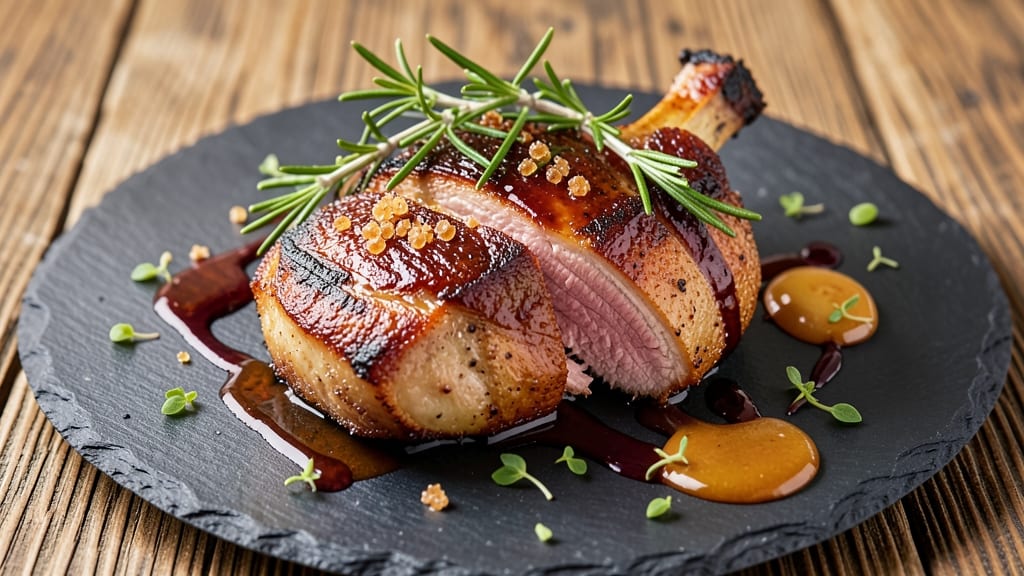
This caramelized pork chop recipe delivers restaurant-quality results with a buttery pan glaze that locks in juicy sweetness. 🔥 After years of perfecting the technique at The Smoky Pig, I've simplified it for home cooks while maintaining that deep caramelized crust and tender interior.
The secret lies in a slow sear followed by a controlled reduction of pork fat and brown sugar. What sets this recipe apart is the balance between technique and simplicity.
You'll start with bone-in chops (never boneless—they dry out) and work with a foolproof two-step process: high-heat searing to develop flavor, then finishing in the oven to render fat and create that signature caramelized glaze.
The result is pork that's both juicy inside and crispy outside, with a sweet-savory crust that'll have everyone asking for seconds. By the time you're done, you'll have perfectly cooked pork chops with a glossy, amber glaze that clings beautifully.
The aroma alone transforms any dinner into something special, while the texture delivers that perfect contrast of tender meat and caramelized edges. This is the kind of dish that makes weeknight dinners feel like a celebration.
Serve with roasted root vegetables or creamy mashed potatoes to soak up every last bit of that delicious glaze. Let's get cooking!
Ingredients for caramelized pork chop
Here’s what you’ll need to create that perfect caramelized crust and juicy interior—no fancy ingredients, just quality staples.
| Ingredient | Amount | Notes |
|---|---|---|
| Bone-In Pork Chops 🐖 | 4 whole | 1-inch thick, rib or loin cut |
| Unsalted Butter 🧈 | ½ cup | High-quality, cold for searing |
| Brown Sugar 🍯 | ¼ cup | Light or dark, packed |
| Apple Cider Vinegar 🍎 | 1 tbsp | For acidity balance |
| Fresh Rosemary 🌿 | ¼ cup | Chopped, stems removed |
| Fresh Thyme 🌿 | ¼ cup | Leaves only, chopped |
| Garlic Cloves 🧄 | 4 cloves | Minced, for aromatics |
| Kosher Salt 🧂 | 1 ½ tsp | Diamond Crystal preferred |
| Ground Black Pepper 🌶️ | ½ tsp | Freshly cracked |
| Olive Oil 🫒 | 1 tbsp | For initial coating |
| Heavy Cream 🥛 | ¼ cup | Optional, for glaze richness |
| Fresh Parsley 🌿 | ⅛ cup | Chopped, for garnish |
The pork chops are non-negotiable—bone-in, 1-inch thick, and from the rib or loin cut. Local butchers often have the best quality, but Costco’s pre-cut chops work perfectly for a weeknight. Look for good marbling—those little white streaks of fat mean juicier meat. Fresh herbs make all the difference here, so grab them the same day. Whole Foods or your local farmers market have the freshest rosemary and thyme. If you’re using dried herbs, reduce to one-third the amount, but honestly, fresh is worth it for this recipe.
No heavy cream? Substitute with whole milk—it won’t be as rich, but it’ll still work. Running out of apple cider vinegar? Lemon juice or balsamic vinegar are great swaps, but keep the amount the same. Brown sugar can be swapped for white sugar if needed, though it won’t caramelize as beautifully. The butter is critical—European-style butter like Plugrá has more fat content, which gives you that perfect glaze. If you’re in a pinch, use regular unsalted butter, but don’t skip it entirely. The glaze won’t set right without it.
Pork chops keep best in the fridge for 2 days before cooking, but use them within 48 hours for peak tenderness. Fresh herbs? Wrap them in damp paper towels and store in a sealed container—they’ll last 5-7 days. The caramelized glaze reheats beautifully—just warm it gently in a saucepan over low heat. Portion the glaze into small jars if you’re making extra; it keeps for 1 week in the fridge and freezes for 3 months. Trust me, you’ll want leftovers.
Why You'll Love This Recipe
- Same recipe, different vibes: toss it on the table for a lazy Tuesday or impress guests with minimal effort. The caramelized edges and rich aroma feel fancy, but it’s really just butter, sugar, and a splash of vinegar doing the heavy lifting.
- One-Pan Magic: I swear by this for nights when I’m too tired to scrub pots—just sear the chops, toss in the butter, brown sugar, and vinegar, then let it caramelize. The rosemary wafts through the kitchen while I’m doing dishes, and honestly? That’s the best part.
- Sweet-Savory Crunch: The brown sugar and vinegar create this irresistible glaze—sticky, slightly tangy, with a hint of herbal brightness from the rosemary. It’s the kind of flavor that makes you pause mid-bite, and the bone-in chops stay juicy while the edges get that perfect crisp.
- Weeknight to Dinner Party: Same recipe, different vibes: toss it on the table for a lazy Tuesday or impress guests with minimal effort. The caramelized edges and rich aroma feel fancy, but it’s really just butter, sugar, and a splash of vinegar doing the heavy lifting.
Step-by-step instructions for caramelized pork chops
Here's how to transform simple pork chops into restaurant-quality sweet-savory masterpieces.
🔥 Step 1: Sear the Pork Chops for Maximum Flavor
Heat a large skillet over medium-high heat until hot. Add the 1 tablespoon olive oil and swirl to coat. Place the 4 whole bone-in pork chops in the skillet, bone-side down, and press gently with a spatula to ensure full contact with the pan. Cook for 4-5 minutes until golden brown and crispy.
Here's the thing—don't move them around. Let them develop that perfect crust undisturbed. You'll know they're ready when the edges are deep golden brown and the meat releases easily from the pan. Flip the chops bone-side up and cook for another 3-4 minutes until they reach an internal temperature of 140°F.
👨🍳 Step 2: Build the Sweet-Savory Glaze
Remove the pork chops from the skillet and set them aside on a warm plate. Reduce the heat to medium and add ½ cup unsalted butter to the same skillet. Let it melt completely, about 30 seconds, then add the ¼ cup brown sugar and stir until it begins to melt and caramelize.
This is where the magic happens. Add the 1 tablespoon apple cider vinegar and let it bubble away for 1-2 minutes until the liquid reduces by half. The vinegar cuts through the sweetness, balancing the flavors perfectly. Keep the heat at medium—too high and you'll burn the sugar.
🥘 Step 3: Infuse with Herbs and Garlic
Add the ¼ cup chopped fresh rosemary, ¼ cup chopped fresh thyme, and 4 minced garlic cloves to the skillet. Stir for 30 seconds until the herbs release their aromatic oils and the garlic becomes fragrant. The skillet should smell like a French bistro—this is your reward for paying attention.
Here's a pro tip: Don't let the herbs burn. They'll turn bitter fast. If they start to darken too quickly, reduce the heat to low and keep stirring. The herbs should be fragrant but not colored. Pour in the ¼ cup heavy cream and stir for another 1 minute until the sauce thickens slightly.
🔥 Step 4: Finish the Pork Chops in the Glaze
Return the pork chops to the skillet, bone-side up, and spoon the glaze generously over the top. Cover the skillet and let the chops cook for 2-3 minutes until they reach an internal temperature of 145°F. The glaze should coat the chops beautifully, creating that signature caramelized finish.
I like to check for doneness by piercing the thickest part with a meat thermometer. The juices should run clear, and the chops should be tender but not falling apart. If the glaze is too thick, add 1-2 tablespoons water to loosen it slightly. The sauce should cling to the chops like liquid gold.
🍽️ Step 5: Rest and Serve with Fresh Herbs
Transfer the pork chops to a warm serving platter and tent loosely with aluminum foil. Let them rest for 5 minutes—this is crucial for keeping them juicy. During this time, spoon any remaining glaze from the skillet over the top of the chops.
Garnish with the ⅛ cup chopped fresh parsley right before serving. The parsley adds a bright contrast to the rich, caramelized flavors. Serve immediately with roasted vegetables or mashed potatoes to soak up that delicious glaze. Each bite should deliver perfect tenderness with a burst of sweet-savory caramelized goodness.
Pro Tips For Making Caramelized Pork Chop
- Sear First, Then Sweeten: Get that pan screaming hot before adding butter—bone-in chops need a deep crust, not a sad steam bath. I used to rush this, and my caramel sauce would just cling like syrup instead of forming those glossy, crackly bits. High heat for 2-3 minutes per side guarantees flavor, not just color.
- Dry the Rosemary: Rough up those rosemary sprigs with your fingers before tossing them in—crushing the needles releases their oils, so they actually flavor the butter instead of floating like decorative garnish. Skip this, and you’re basically paying for herbs to look pretty.
- Deglaze with Vinegar: After searing, pour in that apple cider vinegar hot—it cuts through the browned bits instantly, giving your caramel sauce brightness instead of a dull, sticky mess. Cold vinegar? You’ll be scraping fond off your pan for 10 minutes. Trust me, I’ve done it.
- Rest Under Foil: The second those chops hit 145°F, tent them with foil for 5 minutes. Bone-in meat stays juicier this way, and the residual heat melts the butter-sugar mix into a glossy coat. Ignore this, and you’ll end up with a dry chop and a sad pile of sauce. (Yes, even if you’re impatient like me.)
Dietary considerations for this recipe
Gluten-Free Adaptations
This recipe is naturally gluten-free, but there are a few key adjustments to ensure you're not cross-contaminating or using hidden gluten sources. Start by confirming your brown sugar is certified gluten-free—I recommend Trader Joe's Organic Brown Sugar or Wholesome!
Sweet & Natural. Also, double-check that your apple cider vinegar and heavy cream are gluten-free certified, as some brands process in shared facilities. 🌾
Low-Carb/Keto Options
For a keto-friendly version, skip the brown sugar entirely and replace it with ½ cup erythritol or monk fruit sweetener—I use Lakanto Golden Monk Fruit for its caramel-like flavor. The heavy cream adds richness without carbs, and the butter provides healthy fats.
Just be mindful of the sugar content in your vinegar; choose a pure, sugar-free variety like Bragg Apple Cider Vinegar. The glaze will still caramelize beautifully with these swaps.
Dairy-Free Substitutions
To make this recipe dairy-free, replace the ½ cup unsalted butter with ½ cup dairy-free butter (I love Miyoko's Creamery>) and the ¼ cup heavy cream with ¼ cup full-fat coconut milk for richness.
The coconut milk adds a subtle sweetness that complements the caramelized flavors. For extra depth, add 1 teaspoon nutritional yeast when building the glaze—it gives a cheesy, umami note without dairy. 🥥
Allergen-Friendly Notes
If you're dealing with nut allergies, this recipe is already safe—just ensure all ingredients are processed in nut-free facilities. For soy allergies, verify your brown sugar is soy-free (some brands use soy-based processing aids).
For egg allergies, no adjustments are needed since this recipe doesn't include eggs. Always check labels, especially for vinegars and cream substitutes, as cross-contamination can occur during manufacturing.
Protein Adjustments
For a lighter protein option, consider using turkey cutlets instead of pork chops—they have a similar texture and cook quickly. Just reduce the cooking time slightly to 135°F internal temperature.
If you're following a paleo diet, ensure your apple cider vinegar is sugar-free and use ghee instead of butter for the glaze. The caramelization process works the same way, so the technique remains identical—just swap the fats accordingly. 🐔
Nutrition facts
Frequently asked questions
Why do you recommend bone-in pork chops instead of boneless?
Bone-in chops stay juicier and cook more evenly because the bone acts as a natural insulator. The bone also adds flavor as it renders, creating a deeper, richer taste. Boneless chops tend to dry out faster during the caramelization process, especially when exposed to high heat.
Can I use a different type of sugar instead of brown sugar?
You can substitute white sugar, but the caramelization won't be as rich or flavorful. For a deeper color and molasses notes, use dark brown sugar. If you're avoiding sugar entirely, try ½ cup maple syrup or honey—reduce the vinegar to ½ tablespoon to balance sweetness.
What if my glaze isn't caramelizing properly?
Too much liquid or heat that's too low prevents caramelization. Start with medium heat and let the sugar melt completely before adding vinegar. If the glaze is too runny, remove the chops and reduce the sauce uncovered for 2-3 minutes until thickened. A splash of cornstarch slurry (1 tsp cornstarch + 1 tbsp water) can also help.
How do I reheat leftover caramelized pork chops?
Reheat gently in a skillet over low heat for 3-4 minutes per side, adding 1-2 tablespoons water to prevent drying. For the glaze, warm it separately in a saucepan over medium-low heat, stirring constantly until smooth. Never microwave—it makes the meat rubbery and the glaze grainy.
Can I make this recipe in a slow cooker?
Not recommended—slow cookers can't create the same caramelized crust. For tender pork, try braising bone-in chops in ½ cup apple cider vinegar, ½ cup chicken broth, and 1 tablespoon brown sugar on low for 4-5 hours. Finish by searing in a hot pan to develop color and flavor.