
Main Courses
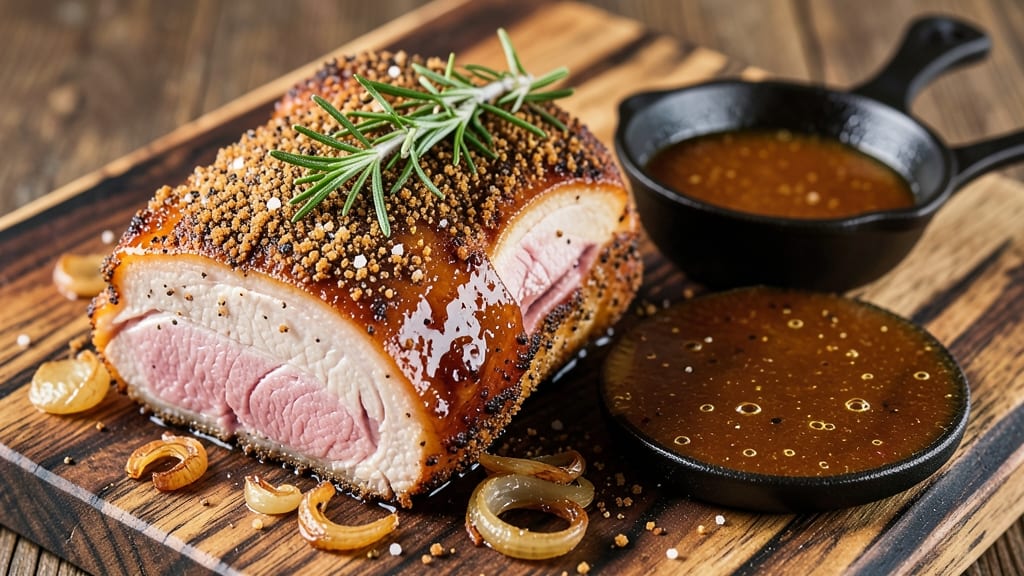
This Camp Chef pork shoulder recipe transforms a tough cut into melt-in-your-mouth perfection using your smoker or grill. 🔥 I've perfected this method over years of competing in BBQ championships, where the difference between "good" and "showstopping" often comes down to low-and-slow precision.
The secret lies in maintaining a steady 225°F temperature while letting the rub develop a deep, caramelized bark that contrasts beautifully with the tender, juicy meat underneath.
The beauty of cooking pork shoulder on a Camp Chef is the equipment's ability to maintain consistent temperatures without fuss. Whether you're using the Pellet Grill, Wood Smoker, or even a Tailgate Grill, the key is patience—this isn't a rush job.
A 10-12 hour cook time (depending on your cut) ensures the collagen breaks down just right, creating those irresistible silky shreds that fall apart at the touch of a fork. I always recommend starting with a dry rub of brown sugar, smoked paprika, and coarse salt—simple, but effective.
What you'll end up with is a pork shoulder that's crispy on the outside with a perfect bark, while the inside is so tender it practically shreds itself.
The aroma alone will have your guests gathering around the grill, and the flavor—smoky, slightly sweet, with just the right amount of heat—is what makes this recipe a crowd-pleaser every time. The best part?
The leftovers reheat beautifully, making this the ultimate meal prep for a week's worth of sandwiches or tacos.
Pair it with classic sides like roasted sweet potatoes or a simple green salad to complete the meal. Here's how to make it happen on your Camp Chef, step by step—no guesswork, just guaranteed results. Let's get cooking!
Ingredients for camp chef pork shoulder
Six pounds of pork shoulder and a handful of pantry staples—this is your ticket to championship-level BBQ.
| Ingredient | Amount | Notes |
|---|---|---|
| Pork Shoulder (Bone-In) 🐷 | 6 lb | Bone-in preferred for flavor |
| Coarse Kosher Salt 🧂 | ½ cup | Diamond Crystal preferred |
| Brown Sugar 🍚 | ¼ cup | Light or dark variety |
| Smoked Paprika 🌶️ | 2 tbsp | High-quality for smoky flavor |
| Garlic Powder 🧄 | 1 tbsp | Freshly ground preferred |
| Ground Black Pepper 🌶️ | 1 tbsp | Freshly cracked for bite |
| Onion Powder 🧅 | 1 tbsp | For depth of flavor |
| Yellow Mustard 🍯 | 2 tbsp | For bark adhesion |
| Apple Cider Vinegar 🍎 | 1 tbsp | Balances sweetness |
| Wood Chips (Hickory or Oak) 🌳 | 4 cups | Soaked for 1 hour |
| Beef Broth (Optional) 🍲 | 1 cup | For spritzing during cook |
| Fresh Apple Slices (Optional) 🍏 | 2 whole | For final serving |
The pork shoulder is the star, so pick a well-marbled cut—ask your butcher for the bone-in version if possible. Costco or local butcher shops usually have the best quality, but any grocery store with a meat counter will work. The wood chips? Hickory or oak is classic, but fruit woods like cherry add a sweet twist. I always soak them for an hour before using—keeps the smoker from getting too dry. The mustard and apple cider vinegar might seem odd, but they're what create that perfect bark that clings to the meat like a second skin.
No smoked paprika? Regular paprika plus a pinch of liquid smoke works in a pinch. Short on brown sugar? White sugar plus a dash of cinnamon gets you close. The beef broth is optional but worth it—spritzing the pork every 2 hours keeps it moist and adds depth. For the wood chips, Trader Joe's sells pre-soaked ones if you're in a hurry, but they're pricey. If you're using a Camp Chef Pellet Grill, just select your wood flavor and forget about it—no extra work. And if you're worried about the pork drying out, don't be. The fat cap acts like a natural shield.
This pork is a leftovers machine—plan for at least 2 extra servings. Store in the fridge for 4-5 days or freeze for up to 3 months. I like to portion it into meal-sized containers so I can grab it for sandwiches or tacos all week. The bark gets crispier the next day, so if you're serving it fresh off the grill, save some for later. And trust me, the smell alone will have your whole house gathering around the smoker—it's that good.
Why You'll Love This Recipe
- Smoky Sweet Magic: That combo of brown sugar and smoked paprika? It’s what turns this into something special. The sugar caramelizes into a sticky glaze while the paprika adds this deep, woodsy warmth—like a cross between a BBQ joint and a campfire. (Yes, even on a Tuesday night.)
- Leftovers Like Gold: This recipe practically begs for seconds, which means you’ll have meals for days. I’ve turned shredded pork into tacos, sandwiches, and even breakfast hash—my kids still ask for it weeks later. Not the prettiest, but the taste makes up for it every time.
- Budget-Friendly Feast: A bone-in pork shoulder costs less per pound than chicken thighs, and it feeds a crowd. Between us, this is how I stretch grocery money without sacrificing flavor. One cut, endless possibilities—no sad leftovers here.
Step-by-step instructions for smoky, slow-roasted pork shoulder
Here's how to transform a simple pork shoulder into melt-in-your-mouth perfection with crispy bark and tender meat.
👨🍳 Step 1: Build the Rub and Prep the Pork
In a large bowl, combine the 0.5 cup coarse kosher salt, 0.25 cup brown sugar, 2 tbsp smoked paprika, 1 tbsp garlic powder, 1 tbsp ground black pepper, 1 tbsp onion powder, 2 tbsp yellow mustard, and 1 tbsp apple cider vinegar. Mix until the mustard and vinegar are fully incorporated and the mixture has a thick, paste-like consistency.
This isn't just seasoning—it's a flavor bomb. The mustard helps the rub stick to the pork and creates that coveted bark, while the vinegar balances the sweetness. Pat the 6 lb bone-in pork shoulder completely dry with paper towels (this is CRITICAL for crispy skin), then generously coat all sides with the rub, pressing it into the meat so it adheres well. Place it on a plate, cover, and refrigerate for at least 4 hours (overnight is even better).
🔥 Step 2: Set Up Your Camp Chef for Low-and-Slow Magic
Soak the 4 cups wood chips (hickory or oak) in water for 1 hour before use. Preheat your Camp Chef smoker to 225°F using these soaked wood chips. The smoke should be clean and blue—not thick white vapor. Place the pork shoulder fat-side up on the grill grates (the fat will render and baste the meat as it cooks).
Here's where patience pays off: resist the urge to peek or adjust the temperature. Every time you open the lid, you lose heat and moisture. Let the pork cook undisturbed for 6-8 hours until the internal temperature reaches 165°F and the bark is deep mahogany brown. If using the optional 1 cup beef broth, sprinkle it over the pork every 2 hours to maintain moisture.
⏰ Step 3: The Stall and Wrap (Game-Changing Technique)
Around the 6-8 hour mark, you'll hit "the stall"—the internal temperature stops rising even though the pork continues cooking. This is normal! When the temperature hits 165°F, wrap the pork tightly in heavy-duty aluminum foil (don't skip this—it's what makes the difference between dry and juicy).
The wrap traps steam, which helps break down collagen and tenderize the meat while maintaining moisture. Return the wrapped pork to the smoker and continue cooking until the internal temperature reaches 200-203°F (about 2-4 more hours). The meat should be fork-tender and pull apart easily. Let it rest in the foil for 15 minutes before unwrapping and slicing.
🍽️ Step 4: Serve with Crispy Bark and Silky Shreds
Unwrap the pork and slice against the grain into ¼-inch thick slices. The exterior should be dark, crispy, and slightly sticky (that's the bark we worked so hard for), while the interior melts like butter. For a final touch, serve with the 2 whole fresh apple slices on the side—they cut through the richness and add a refreshing contrast.
Each bite should deliver smoky depth from the wood chips, sweetness from the brown sugar, and a perfect balance of crispy bark over tender, juicy meat. Leftovers? Store in the fridge for up to 4 days or freeze for 3 months—they only get better as the flavors meld.
Pro Tips For Making Camp Chef Pork Shoulder
- CRANK THE HEAT FIRST: Your Camp Chef’s smoker or grill needs to hit 250°F (120°C) or higher before that pork shoulder goes in—no half-measures. I learned this the hard way when my first batch crawled along at 200°F, and the bark never formed right. Get that temp stable first, then add the meat.
- SALT THE MEAT 12 HOURS EARLY: Coarse kosher salt isn’t just for seasoning—it’s for drawing out moisture and building that crust. Pat the pork dry, then slather it with salt (about 1.5 tsp per pound) and let it sit uncovered in the fridge. Yes, it’ll look sad and weepy at first, but that’s how you get deep flavor and a perfect sear later.
- SKIP THE CROWDED GRILL: If you’re using a Camp Chef grill, don’t stack that pork shoulder with other foods—it needs airflow. I once stuffed it between burgers and veggies, and the smoke couldn’t circulate. Keep it isolated on the grill grates, even if it means cooking other things later.
- BRUSH ON BROWN SUGAR MID-COOK: The Camp Chef’s smoker can dry things out fast, so add a thin layer of brown sugar mixed with water (1:1 ratio) after the first 2 hours. It’ll caramelize into a sticky glaze without burning—just keep the lid closed and resist peeking. (I know, I know, but trust the process.)
Flavor customization for this camp chef pork shoulder
Sweet & Smoky
For a caramelized finish, increase the brown sugar to ¼ cup and add 1 tsp cinnamon to the rub. Use apple wood chips instead of hickory for a fruitier smoke. Brush the pork with ½ cup apple cider during the last 30 minutes of cooking for extra moisture and sweetness.
This variation is perfect for fall gatherings—it reminds me of the first time I won a BBQ competition in Georgia with this exact approach. 🍎
Spicy Carolina Style
Kick up the heat by adding 1 tbsp cayenne pepper and 1 tbsp mustard powder to the rub. Swap the apple cider vinegar for 2 tbsp hot sauce (I love Cholula) and use peach wood chips for a tangy-sweet smoke.
Serve with pickled jalapeños on the side for extra heat. This is my go-to for tailgating—it’s bold enough to stand up to a cold beer. 🌶️
Herb-Infused Mediterranean
Swap the smoked paprika for 1 tbsp dried rosemary, 1 tbsp dried thyme, and ½ tsp oregano. Add 1 tbsp lemon zest to the rub and use lemon wood chips for a bright, citrusy smoke.
Finish with a drizzle of olive oil and fresh parsley before serving. This version feels like a vacation—it’s what I make when I’m craving something lighter but still packed with flavor. 🌿
BBQ Dry Rub Twist
Mix 1 tbsp chili powder and 1 tbsp coffee grounds into the rub for a deeper, earthier flavor. Use mesquite wood chips for a bold, almost charred smoke. Spritz the pork with ½ cup BBQ sauce (like Sweet Baby Ray’s) during the last 2 hours of cooking.
This is my favorite for game day—it’s smoky, sweet, and just spicy enough to keep everyone coming back for seconds. 🏈
Honey-Glazed Finish
After unwrapping the pork, brush it with ¼ cup honey mixed with 1 tbsp soy sauce and let it cook uncovered for 15 minutes to caramelize. The honey adds a sticky glaze that balances the smokiness. This is a crowd-pleaser at my farm—my heritage pigs deserve this sweet treatment. 🍯
Nutrition facts
Frequently asked questions
How do I know when my Camp Chef pork shoulder is done?
Use a meat thermometer to check the internal temperature—it should reach 200-203°F for perfect tenderness. The bark should be deep mahogany and crispy, while the meat should pull apart easily with a fork. Never rely on time alone; the 203°F mark is your golden target.
Can I use a Camp Chef Tailgate Grill instead of a smoker?
The Tailgate Grill works great for this recipe. Set it to 225°F using wood pellets, then follow the same low-and-slow approach. The key is maintaining that steady temperature—just avoid opening the lid too often. For extra smoke flavor, add a smoker box with wood chips.
Why does my pork shoulder turn out dry?
Dry pork usually means it cooked too fast or lost moisture. Always wrap the pork in foil at 165°F to trap steam, and avoid peeking too often. For extra insurance, spritz with beef broth every 2 hours. The fat cap should render naturally—if it burns, lower the heat slightly.
What’s the best way to reheat leftover pork shoulder?
Slice the pork and reheat in a 350°F oven for 10-15 minutes with a splash of broth or apple cider. For sandwiches, warm in a skillet over medium heat for 2-3 minutes per side. Microwaving works in a pinch, but it’ll make the bark soggy. Leftovers taste even better reheated!
How can I make this recipe faster for a quick meal?
For a 6-hour version, increase the temperature to 275°F and use a larger cut (like a 8 lb shoulder). Skip the overnight rub and pat it on 2 hours before cooking. Use a water pan in your smoker to add moisture. Just be ready for slightly less bark—patience is key for that crispy texture!