
Main Courses
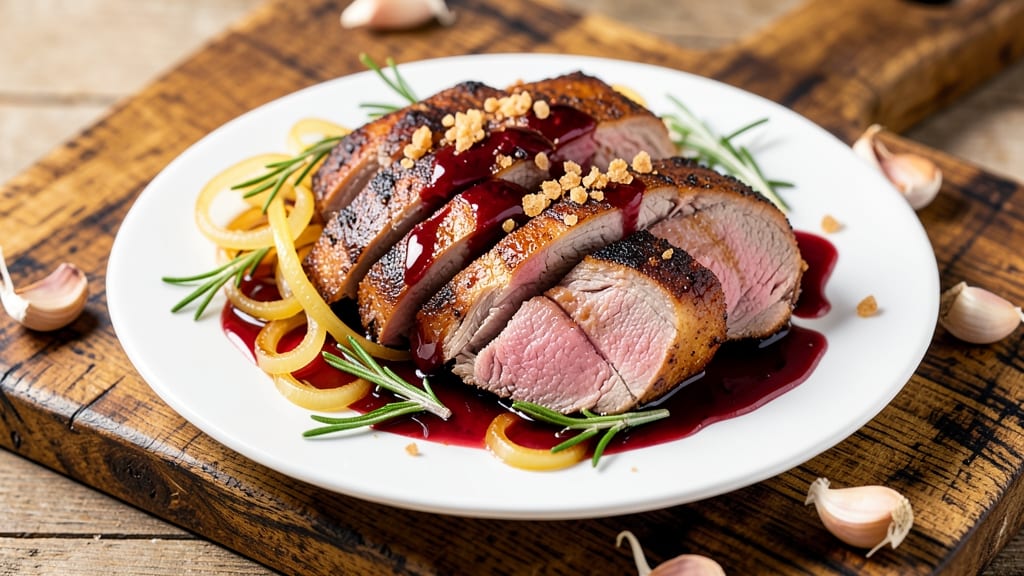
This Camp Chef pork loin recipe delivers the perfect balance of smoky-grilled crust and juicy pink centers—exactly what transforms backyard cooking into restaurant-quality results. 🔥 After years of perfecting pork on Camp Chef grills, I've developed a method that ensures tender meat with a caramelized exterior, using the grill's heat zones to create that coveted contrast.
The secret lies in proper temperature control and indirect heat, which keeps the interior moist while developing that flavorful bark.
What sets this recipe apart is the Camp Chef-specific technique that leverages your grill's capabilities without requiring advanced skills. We'll start with a simple seasoning blend that enhances the pork's natural flavors, then use the grill's built-in thermometer to monitor internal temperature precisely.
This method works equally well on both pellet grills and traditional gas models, making it versatile for any outdoor setup you own.
The result is a pork loin that's incredibly tender with just a hint of pink in the center—safe, delicious, and packed with flavor. The exterior develops a beautiful mahogany crust from the grill's smoke and heat, while the interior remains juicy and moist.
This is the kind of pork that disappears quickly at family gatherings, leaving everyone asking for seconds.
Pair it with your favorite grilled vegetables or a fresh summer salad to complete the meal.
The recipe includes tips for adjusting cooking times based on your specific Camp Chef model, ensuring perfect results every time regardless of whether you're using the SmokePro, Pro Series, or other models in their lineup. Let's get started on creating this showstopper for your next cookout.
Ingredients for camp chef pork loin
Pork loin, smoky seasonings, and Camp Chef magic—just 13 ingredients for restaurant-quality grilled pork.
| Ingredient | Amount | Notes |
|---|---|---|
| Center-Cut Pork Loin 🍖 | 2 lb | Bone-in, 1.5-inch thick |
| Yellow Onion 🧅 | 1 whole | Sliced into 1/4-inch strips |
| Garlic Cloves 🧄 | 6 cloves | Minced for marinade |
| Olive Oil 🫒 | ¼ cup | Extra-virgin for marinade |
| Apple Cider Vinegar 🍎 | ⅛ cup | For tenderizing |
| Brown Sugar 🍚 | 2 tbsp | Lightly packed |
| Smoked Paprika 🌶️ | 1 tbsp | For smoky flavor |
| Ground Black Pepper 🌶️ | 1 tbsp | Freshly cracked |
| Kosher Salt 🧂 | 1 ½ tbsp | Diamond Crystal preferred |
| Fresh Rosemary 🌿 | ¼ cup | Chopped, stems removed |
| Fresh Thyme Leaves 🌿 | ⅛ cup | From 2 sprigs |
| Wood Pellets 🔥 | 1 package | Apple or hickory preferred |
| Wood Chips 🌳 | ½ cup | Soaked for 30 minutes |
The pork loin is everything here. Center-cut, bone-in gives you the best flavor and moisture retention—Costco or local butcher sections usually carry it pre-cut. Thickness matters too: aim for 1.5 inches so it cooks evenly without drying out. If you're using a Camp Chef SmokePro, the built-in thermometer will be your best friend for monitoring internal temp. For the wood pellets, apple or hickory gives that perfect balance of sweet and smoky—stick to one type for consistency.
No fresh rosemary? Dried works at one-third the amount, but trust me on the fresh version—it's worth the extra minute to chop. Running low on apple cider vinegar? Balsamic vinegar in a pinch, but reduce the amount to 2 tablespoons to avoid overpowering. The brown sugar can be swapped for maple syrup if you prefer a deeper flavor. For the wood chips, soaking them for 30 minutes prevents flare-ups on the grill. If you're using a gas grill, soak them in water and drain before placing in the smoker box—this keeps them moist longer.
Marinate the pork for at least 2 hours (overnight is ideal) to maximize flavor. Store leftovers in an airtight container for up to 4 days—reheat gently in the microwave or oven to keep it juicy. The wood chips can be reused once, but after that, toss them. I always make extra marinade to use as a dipping sauce for the sliced pork—everyone loves it. Keep the fresh herbs in the fridge wrapped in damp paper towels for up to 5 days.
Why You'll Love This Recipe
- One-Pan Magic: I swear by this recipe when I’m too tired to scrub pots—just sear the pork, toss in sliced onions and garlic, and let the Camp Chef do the rest. The vinegar cuts through the richness while the onions caramelize right on the grill, so you’re left with zero cleanup.
- Caramelized Crunch: That crispy edge on the pork? It’s all thanks to the onions and olive oil breaking down into sweet, sticky bits while the garlic infuses every bite. Honestly, it’s the kind of flavor that makes you pause mid-bite—like a fancy restaurant trick without the fuss.
- Weeknight Workhorse: Between us, this is my go-to for busy nights when I need something hearty but doesn’t scream “I slaved over this.” Slice it for sandwiches, serve it with roasted potatoes, or even toss cold slices into a salad the next day—it’s that adaptable.
- Budget-Friendly Feast: A single pork loin feeds four (or two very hungry people) and costs less than takeout. The onions and vinegar stretch the flavor so you’re not just paying for meat—you’re getting a full meal’s worth of satisfaction for half the price. (Yes, even on a Tuesday night.)
Step-by-step instructions for smoky-grilled pork loin
Here's how to create that perfect smoky crust with juicy pink centers every time.
🔥 Step 1: Create the Perfect Marinade
In a large bowl, combine the 0.25 cup olive oil, 0.125 cup apple cider vinegar, 2 tbsp brown sugar, 1 tbsp smoked paprika, 1 tbsp ground black pepper, 1.5 tbsp kosher salt, 0.25 cup fresh rosemary, and 0.125 cup fresh thyme leaves. Whisk until the brown sugar and salt dissolve completely.
This marinade does double duty—it tenderizes the meat while infusing it with deep, smoky flavors. I like to make extra marinade because you'll want to baste the pork during cooking. Let the marinade sit at room temperature for 10 minutes before using it to ensure even distribution of flavors.
👨🍳 Step 2: Prepare the Pork and Wood
Pat the 2 lb center-cut pork loin dry with paper towels—this is crucial for getting that crispy crust. Place the pork in a resealable plastic bag and pour in half of the marinade, massaging it into the meat. Seal the bag and refrigerate for at least 4 hours (overnight is even better).
While the pork marinates, soak the 0.5 cup wood chips in water for 30 minutes to prevent them from burning. This step adds that authentic smoky flavor without overpowering the meat. When ready to cook, drain the wood chips but don't squeeze them dry—just let them drip for 1 minute before adding them to your smoker.
🔥 Step 3: Set Up and Smoke the Pork
Preheat your Camp Chef smoker to 225°F using the 1 package wood pellets (apple or hickory work best). Once the temperature stabilizes and you see clean, blue smoke, add the soaked wood chips to the firebox. This dual-smoke method creates that perfect balance of flavor.
Place the marinated pork loin on the smoker grates, fat-side up. Close the lid and smoke for 4-5 hours until the internal temperature reaches 145°F and the crust is deep mahogany brown. Here's the thing—don't open the smoker during this time. Every time you peek, you lose heat and extend the cooking process.
🍳 Step 4: Baste and Finish
When the pork reaches 145°F, remove it from the smoker and brush with the remaining marinade. Return it to the smoker for 15-20 minutes to develop that beautiful crust. During this time, the pork's internal temperature will rise to 150°F—this is where you get that perfect pink center.
For the final touch, increase the smoker temperature to 300°F and sear the pork for 3-5 minutes per side until the crust is deeply caramelized. This high-heat finish creates that restaurant-quality crust while keeping the inside juicy. Watch closely—the pork goes from perfect to overcooked in seconds.
⏰ Step 5: Rest and Serve
Transfer the pork to a cutting board and tent loosely with foil. Let it rest for 10-15 minutes before slicing. This resting period is critical—it allows the juices to redistribute throughout the meat, ensuring every bite is moist and flavorful.
Slice the pork against the grain into ½-inch thick slices and serve immediately. The exterior should be crispy with a deep smoky flavor, while the interior remains tender and juicy pink. Pair with the sliced yellow onion and any leftover marinade for a complete meal that's sure to impress.
Pro Tips For Making Camp Chef Pork Loin
- USE A MEAT THERMOMETER: The Camp Chef’s built-in temp gauge is handy, but if you’re cooking this on a grill or stovetop, a separate probe thermometer is your best friend. Pork loin hits peak tenderness at 145°F—any higher and it turns dry. I learned this after slicing into a rubbery loaf once. Trust the numbers, not the time.
- SEAR THE ONIONS LOW AND SLOW: Skip the high-heat rush when caramelizing the onions—this isn’t a race. Cook them on medium-low with a splash of apple cider vinegar (about 1 tablespoon) to deepen the flavor. I used to blast them and end up with burnt edges and pale centers. Patience here makes the sauce richer.
- DON’T SKIP THE REST: Pork loin loves its nap. After cooking, tent it with foil and let it sit for at least 10 minutes before slicing. I know, you’re hungry, but cutting into it too soon means juices pooling on your plate instead of staying in the meat. Your knife will thank you too—it’ll slice cleaner.
- SWAP VINEGAR FOR BRINE: Short on time? Toss the pork loin in a mix of ¼ cup apple cider vinegar, 1 tablespoon olive oil, and 1 teaspoon salt for 15 minutes before cooking. It tenderizes the meat and adds brightness without extra steps. I started doing this after forgetting to marinate and still got juicy results.
Common mistakes when making this dish
Overcooking the Pork
I can't tell you how many times I've seen cooks pull pork loin off the grill too early or cook it too long, resulting in dry, tough meat. The key is hitting that 145°F internal temperature and stopping there—any higher and you risk overcooking.
Use your Camp Chef's built-in thermometer to monitor progress. Remember, pork continues cooking slightly after removal, so pull it out when it reaches 145°F and let it rest. 🔥
Skipping the Resting Time
This is a rookie mistake that leads to juices pooling on your plate instead of in the meat. After removing the pork from the smoker, always let it rest for 10-15 minutes before slicing.
I've seen people slice immediately and end up with dry slices—don't make that mistake. The resting period allows those juices to redistribute, keeping every bite moist and flavorful.
Using Wet Wood Chips
Soaking wood chips is essential, but I've seen people drown them in water or squeeze out all the moisture before using. Wet wood chips burn quickly and produce bitter smoke. Soak them for 30 minutes, then drain for just 1 minute before adding to your smoker.
This gives you that perfect balance of moisture without creating a smoky mess. 🌳
Opening the Smoker Too Often
Every time you open the smoker lid, you lose heat and extend cooking time. I know it's tempting to check on your pork, but resist the urge. The temperature will fluctuate wildly, leading to uneven cooking.
Trust your thermometer and only open the lid when absolutely necessary—like when you're ready to baste or check the temperature.
Using the Wrong Wood Pellets
Not all wood pellets are created equal. Using fruitwoods like cherry or peach can make your pork taste sweet, while heavy woods like mesquite can overpower the meat.
Stick with apple or hickory pellets for that perfect balance of sweet and smoky flavors. I've tried other woods, and they just don't give the same consistent results.
Not Patting the Pork Dry
This is a game-changer for getting that perfect crust. Wet pork steams instead of searing, leading to a bland, soggy exterior. Always pat your pork loin dry with paper towels before seasoning and cooking.
I've seen people skip this step, and it makes a noticeable difference in the final texture and flavor of the crust. 💪
Nutrition facts
Frequently asked questions
Can I cook this pork loin recipe on a gas grill instead of a Camp Chef smoker?
For gas grills, preheat to 225°F using the indirect heat setting. Add soaked wood chips to a smoker box or foil pouch with holes punched in it. The cooking time remains similar (4-5 hours), but monitor the temperature closely since gas grills can fluctuate more than pellet smokers.
What's the best way to serve leftover pork loin?
Slice the cooled pork into ½-inch thick pieces and store in an airtight container for up to 4 days. Reheat gently in the oven at 300°F for 10-15 minutes with a splash of broth or marinade to keep it moist. It makes great sandwiches, tacos, or even fried rice!
Can I use a different cut of pork like pork tenderloin?
While pork tenderloin works, it's leaner and cooks faster than pork loin. Reduce the cooking time to 2-3 hours at 225°F and watch closely for 145°F internal temp. The crust will form quicker, so sear immediately after removing from the smoker.
How do I adjust this recipe for a smaller or larger group?
For 2 servings, reduce to 1 lb pork loin and halve all other ingredients. For 6+ servings, increase to 3-4 lbs and maintain the 1.5-inch thickness for even cooking. Add 30 minutes per pound of pork. Always use a meat thermometer!
What's the secret to getting that perfect pink center?
The magic happens at 150°F internal temp. Pull the pork at 145°F and let it rest—it'll rise to 150°F while resting. Never cook past 150°F or you'll lose that juicy pink. The fat cap helps keep it moist, so don't trim it too thin!