
Main Courses
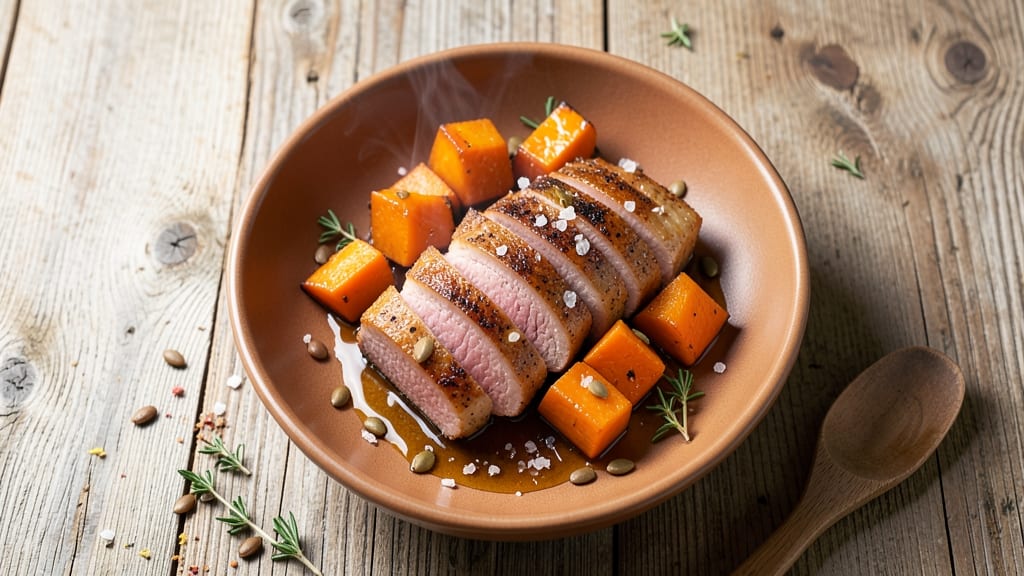
This butternut squash and pork tenderloin recipe delivers a perfect balance of sweet caramelized edges and tender, savory meat—exactly what elevates a weeknight dinner to restaurant-quality.
After years of perfecting this dish at The Smoky Pig, I've refined the technique to ensure the squash's natural sweetness complements the pork's rich flavor without overpowering it.
The secret lies in roasting both components at the same temperature, allowing their flavors to meld beautifully while achieving that coveted caramelized crust.
The recipe begins with a simple yet flavorful dry rub on the pork tenderloin—just enough to enhance its natural taste without masking it. Meanwhile, the butternut squash gets a light coating of olive oil and brown sugar, ensuring it develops those irresistible caramelized edges while staying tender inside.
What makes this dish truly special is how the two ingredients harmonize: the squash's sweetness cuts through the pork's richness, creating a well-rounded flavor profile that's both comforting and sophisticated.
By the time you serve this dish, you'll have perfectly tender pork with a golden-brown crust and butternut squash that's crisp on the outside yet creamy within. The pairing of these two ingredients transforms a simple roast into an elegant centerpiece, perfect for family dinners or special occasions.
The best part? It comes together in under an hour with minimal effort, making it ideal for busy weeknights without sacrificing flavor or presentation.
Serve with a side of roasted garlic mashed potatoes or a simple arugula salad to round out the meal. This recipe is designed to impress while remaining approachable, proving that restaurant-quality dining can start in your own kitchen. Let's get cooking!
Ingredients for butternut squash and pork tenderloin
Sweet caramelized edges and restaurant-quality tenderness start with these 12 ingredients.
| Ingredient | Amount | Notes |
|---|---|---|
| Pork Tenderloin 🥩 | 1 ½ lb | Center-cut for even cooking |
| Butternut Squash 🎃 | 2 lb | Peeled, cubed (1-inch pieces) |
| Extra-Virgin Olive Oil 🫒 | ¼ cup | For roasting and basting |
| Brown Sugar 🍚 | 2 tbsp | Lightly packed for caramelization |
| Kosher Salt 🧂 | 1 ½ tsp | Diamond Crystal preferred |
| Freshly Ground Black Pepper 🌶️ | ½ tsp | Cracked peppercorns preferred |
| Garlic Cloves 🧄 | 4 cloves | Minced for dry rub |
| Smoked Paprika 🌶️ | 1 tsp | For depth in pork rub |
| Thyme Leaves 🌿 | ½ tsp | Fresh preferred, dried works |
| Honey 🍯 | 1 tbsp | For glaze finish |
| Fresh Rosemary 🌿 | ¼ cup | Chopped, for squash seasoning |
| Balsamic Vinegar 🍷 | 1 tbsp | For squash caramelization |
The pork tenderloin is where this dish shines—center-cut ensures even cooking, avoiding that dreaded dry center. Costco or Whole Foods carry excellent quality, but your local butcher will have the freshest cuts. Look for tenderloins with good marbling and minimal silver skin. For the squash, local farmers markets often have the sweetest butternut squash—ask for one that's firm and heavy for its size. If you can't find fresh rosemary, dried works at one-third the amount, but fresh adds that aromatic punch that's worth the trip to the herb section.
No smoked paprika? Regular paprika plus a pinch of cayenne mimics that smoky depth. Substituting honey with maple syrup works in a pinch, though it's slightly less viscous for glazing. For the squash, if you're short on balsamic vinegar, apple cider vinegar or even a splash of red wine adds acidity. The key to perfect caramelization is patience—don't rush the roasting time. And if your olive oil smells like it's been sitting too long, replace it. Trader Joe's has great quality at reasonable prices, or grab a small bottle of California extra-virgin from the grocery store's specialty section.
Pork tenderloin keeps best in the fridge for 3 days when wrapped tightly in plastic, but it's best served fresh. The squash can be prepped a day ahead—store cubed pieces in an airtight container with a paper towel to absorb moisture. For make-ahead convenience, roast the squash fully, then reheat with a splash of water in the microwave. This dish reheats beautifully—200°F for 15 minutes in the oven keeps everything tender. Leftovers? Portion into containers for easy lunches, and freeze for up to 3 months. The flavors actually deepen overnight, making it even more impressive the next day.
Why You'll Love This Recipe
- One-Pan Magic: I swear by this for nights when I’d rather not wash a million dishes—just sear the pork in olive oil, toss in cubed squash with brown sugar and salt, and roast until caramelized. That’s it. The squash practically melts into sweet, sticky perfection while the pork stays juicy.
- Sweet-Savory Balance: Between us, the brown sugar and olive oil create a glaze that’s ridiculously good—like a cross between maple and herbed richness. The pork gets this crispy crust, while the squash turns tender with a hint of caramelized bite. Honestly, it’s the kind of dish that makes you want to skip dessert.
- Weeknight to Dinner Party: This recipe works whether I’m feeding myself after a long day or hosting friends for Sunday dinner. For meal prep, I’ll double the batch—leftover pork slices in salads or wraps, roasted squash in grain bowls. And if I’m feeling fancy? I’ll garnish with fresh thyme and serve it on a platter. Not the prettiest, but no one cares when it tastes this good.
- Budget-Friendly Protein Power: Pork tenderloin is lean, affordable, and cooks faster than a chicken breast. Pair it with squash (which lasts ages in the fridge), and you’ve got a meal that won’t break the bank. Plus, the leftovers reheat like a dream—no drying out, no sad textures. My wallet and my freezer thank me every time.
Step-by-step instructions for sweet-savory roasted pork and squash
This method delivers melt-in-your-mouth pork with caramelized squash—where sweet meets savory in perfect harmony.
Season and Sear the Pork Tenderloin
Pat the 1.5 lb pork tenderloin completely dry with paper towels—this ensures maximum crispness. In a small bowl, combine 1.5 tsp kosher salt, 0.5 tsp freshly ground black pepper, 1 tsp smoked paprika, 0.5 tsp thyme leaves, and the 4 minced garlic cloves. Rub this mixture all over the pork, pressing firmly so the spices adhere. Let it sit at room temperature for 15 minutes while you prep the squash.
Heat 0.125 cup extra-virgin olive oil in a large oven-safe skillet over medium-high heat. Once shimmering, add the pork and sear for 2-3 minutes per side until deeply golden. The key is even browning—don't move it until you see crispy edges forming. Transfer the pork to a plate and let it rest while you roast the squash.
Roast the Butternut Squash with Caramelized Edges
Toss the 2 lb peeled, cubed butternut squash with the remaining 0.125 cup extra-virgin olive oil, 2 tbsp brown sugar, and 1 tbsp balsamic vinegar. Spread the squash in a single layer on a parchment-lined baking sheet, leaving space between pieces for even browning. Sprinkle with 0.25 cup chopped fresh rosemary and toss gently to coat.
Roast at 400°F for 25-30 minutes, stirring once halfway through, until the squash is tender when pierced with a fork and the edges are caramelized. The brown sugar and balsamic create that perfect balance of sweetness and tang—don't skip this step. Remove from the oven and keep warm while you finish the pork.
Glaze and Finish the Pork
Return the pork to the same skillet over medium heat. Add 1 tbsp honey and let it melt slightly, then spoon it over the pork to coat evenly. Baste the pork with the honey mixture for 1-2 minutes per side, watching for a glossy sheen that signals perfect glaze formation. The honey adds a subtle sweetness that complements the smoky, savory rub.
Transfer the pork to a cutting board and let it rest for 5 minutes—this ensures juicy slices every time. Meanwhile, toss the roasted squash with any pan juices from the pork for extra flavor. Serve the pork sliced into ½-inch medallions alongside the caramelized squash, drizzled with any remaining glaze from the skillet.
Plate and Serve with Confidence
Arrange the pork medallions over the squash, spooning any accumulated juices from the skillet over the top. The contrast of tender pork with sweet, caramelized squash creates a symphony of textures and flavors. Garnish with an extra sprinkle of fresh rosemary and a pinch of freshly cracked black pepper for a restaurant-worthy finish.
This dish serves 4 generously, with each portion delivering perfectly balanced sweet-savory harmony. The pork should be juicy with a crispy exterior, while the squash offers a caramelized sweetness that cuts through the richness of the meat. Serve with crusty bread to soak up every last drop of that delicious glaze.
Pro Tips For Making Butternut Squash And Pork Tenderloin
- SEAR THE PORK HOT: The first 3 minutes in a screaming-hot pan with olive oil are what gives your pork that deep, caramelized crust. I used to rush this and end up with pale, sad meat—now I wait for the oil to shimmer like a lake before adding the pork.
- CUT THE SQUASH SMALL: Tiny, even cubes (about 1-inch) cook faster and soak up the brown sugar glaze better than big chunks. I learned this after serving mushy squash at Thanksgiving—no one wants to chew through butternut when it’s supposed to be tender.
- SALT THE SQUASH BEFORE ROASTING: Toss the cubed squash with salt and oil before hitting the oven—it draws out moisture and makes the caramelization crispier. I skipped this once and got sad, soggy edges. (Yes, even if you’re impatient like me.)
- REST THE PORK UNDER FOIL: Let the pork sit wrapped in foil for 5-10 minutes after roasting—it keeps it juicy while you finish the squash. I’ve seen people slice into it too soon, and the juices pool on the plate instead of staying inside. (Your future self will thank you.)
Dietary considerations for this dish
Gluten-Free Adaptations
This recipe is naturally gluten-free, making it perfect for anyone avoiding gluten. The pork tenderloin rub uses simple spices and salt without any hidden gluten sources. Always check your smoked paprika and balsamic vinegar labels—some brands add gluten as a thickener or stabilizer.
For extra safety, I recommend using Bob's Red Mill smoked paprika, which is certified gluten-free. The butternut squash components are inherently gluten-free, so no substitutions are needed there. 🌾
Dairy-Free Considerations
This dish requires no dairy ingredients, so it's automatically dairy-free. The honey glaze and caramelized squash provide all the richness you need without cheese or butter. If you want to add a dairy-free garnish, consider a sprinkle of nutritional yeast for a cheesy flavor without the dairy.
Just ensure your olive oil and vinegar are also dairy-free, as some brands may contain trace amounts.
Nut-Free Options
While the recipe doesn't contain nuts, I often get asked about nut-free adaptations. The honey glaze can be replaced with a simple maple syrup glaze (1 tbsp) for those avoiding honey. For extra richness, you could also use a date syrup instead.
The roasted squash remains nut-free as is, but if you're serving this dish to guests with severe allergies, double-check all spices for cross-contamination warnings.
Low-Sodium Adjustments
If you need to reduce sodium, simply halve the kosher salt in the pork rub (use 0.75 tsp instead of 1.5 tsp). The remaining flavor will still be rich and satisfying.
For extra umami depth without added salt, add 1 tsp soy sauce or 1 tbsp tomato paste to the pork rub. The natural sweetness of the squash and the caramelized edges will balance the reduced salt content beautifully. 💡
Vegetarian Substitutions
While this recipe features pork tenderloin, you can easily adapt it for vegetarians by replacing the pork with extra-firm tofu or portobello mushrooms.
For tofu, press and marinate it in a mixture of 1 tbsp soy sauce, 1 tbsp balsamic vinegar, and 1 tsp smoked paprika for at least 30 minutes before roasting. Portobello mushrooms can be marinated in the same mixture and roasted alongside the squash for a meaty texture.
The butternut squash remains the star of the dish in either adaptation. 🌱
Nutrition facts
Frequently asked questions
Can I use a different cut of pork instead of tenderloin?
While pork tenderloin is ideal for this recipe, you can substitute with bone-in pork chops or pork loin roast. For chops, increase cooking time to 15-20 minutes at 400°F until internal temp reaches 145°F. A pork loin roast will need 30-40 minutes and benefits from a 15-minute rest before slicing. The key is maintaining that 145°F internal temperature for juicy results.
How do I prevent the pork from drying out?
Never skip the 5-minute rest after cooking—the pork continues cooking while resting! Use a meat thermometer to check for 145°F internal temp, and avoid overcrowding the pan during searing. For extra moisture, brush the pork with 1 tbsp olive oil before seasoning. The honey glaze also helps lock in juices. If your pork feels dry, try slicing against the grain for more tender bites.
Can I make this recipe ahead of time?
Roast the squash completely and store it in an airtight container for up to 3 days. For the pork, cook it fully, then refrigerate in a sealed container. Reheat both components at 350°F for 15 minutes—the pork benefits from a quick sear in the skillet after reheating. The flavors actually deepen overnight, making leftovers even more delicious.
What's the best way to store leftovers?
Portion the pork and squash separately in airtight containers to maintain texture. Pork stays fresh for 3 days in the fridge, while squash holds up for 4 days. For longer storage, freeze both components for up to 3 months. Thaw overnight in the fridge before reheating. The squash reheats beautifully with a splash of water in the microwave for 2-3 minutes.
Why did my squash turn out mushy?
Overcrowding the squash on the baking sheet or cutting it too small causes uneven cooking. Use 1-inch cubes and spread them in a single layer with space between pieces. Roast at 400°F for 25-30 minutes—check doneness with a fork. If your squash is still firm inside, return it to the oven for 5-10 more minutes. The brown sugar should caramelize, not burn.