
Main Courses
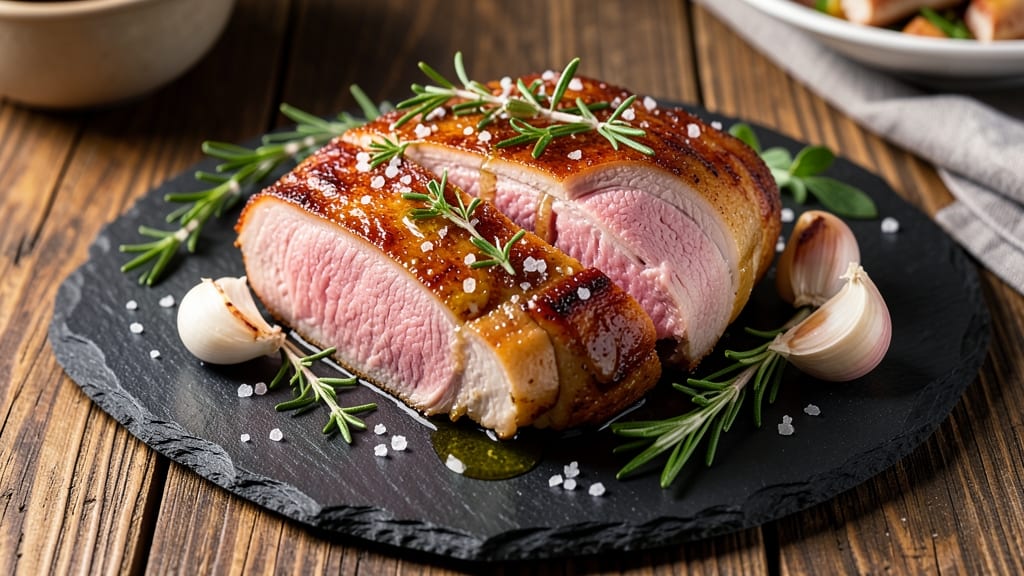
This butterfly pork shoulder recipe transforms a tough cut into melt-in-your-mouth perfection with a crispy, herb-infused crust and tender interior. After years of perfecting this technique—first in Charleston kitchens, then on my own farm—I’ve cracked the code for achieving that coveted balance of crunch and tenderness without a single shortcut.
The secret lies in the precise butterflying method and a carefully chosen herb blend that locks in moisture while creating that signature crackling exterior.
What sets this recipe apart is the foolproof approach that works whether you're using a traditional oven, a smoker, or even a slow cooker for hands-off cooking.
We start with a dry brine to enhance natural flavors, then butterfly the pork to ensure even cooking and maximum surface area for that coveted crisp.
The herb rub isn’t just decorative—it’s a flavor bomb that develops during the cook, creating layers of aroma that’ll have your kitchen smelling like a Southern Sunday dinner before the meat even hits the table.
By the time you’re done, you’ll have a restaurant-quality pork shoulder that slices effortlessly into perfectly shaped medallions with a crispy edge and tender center.
This isn’t your average pulled pork—it’s a showstopper that holds its shape on the plate, making it ideal for family dinners, holiday feasts, or impressing guests. The method scales beautifully too, whether you’re feeding four or twelve.
Pair it with classic Southern sides like collard greens or buttermilk biscuits, or serve it over a bed of creamy mac and cheese for a true comfort food experience. The best part? Leftovers reheat beautifully, making this the ultimate make-ahead meal. Let’s get to work—your taste buds will thank you.
Ingredients for butterfly pork shoulder
Six pounds of pork shoulder and twelve ingredients transform into restaurant-quality perfection.
| Ingredient | Amount | Notes |
|---|---|---|
| Pork Shoulder (Bone-In) 🐖 | 4 lb | Center-cut for even cooking, trimmed of excess fat |
| Kosher Salt 🧂 | 2 tbsp | Diamond Crystal preferred for even distribution |
| Fresh Thyme Leaves 🌿 | ½ cup | Stems removed, finely chopped |
| Fresh Rosemary Sprigs 🌿 | ¼ cup | Needles finely chopped, stems removed |
| Garlic Cloves 🧄 | 8 cloves | Minced into paste with olive oil |
| Extra-Virgin Olive Oil 🫒 | ¼ cup | High-quality, fruity variety |
| Ground Black Pepper 🌶️ | 1 tbsp | Freshly cracked for maximum flavor |
| Smoked Paprika 🌶️ | 1 tbsp | For subtle smoky depth |
| Brown Sugar 🍯 | 1 tbsp | Lightly packed for even coating |
| Apple Cider Vinegar 🍎 | 2 tbsp | For tenderizing and flavor balance |
| Unsalted Butter 🧈 | ½ cup | Cold, cubed for basting |
| Fresh Sage Leaves 🌿 | ¼ cup | Chopped for final herb layer |
| Yellow Onion 🧅 | 1 whole | Thinly sliced for aromatics |
| Fresh Parsley 🌿 | ¼ cup | Chopped for garnish |
The pork shoulder is the star here, and center-cut bone-in makes all the difference—it stays juicy while the bone adds depth. Look for a piece with good marbling but not excessive fat. Costco or Whole Foods usually carry excellent quality, but any well-stocked butcher will do. The herbs are non-negotiable: fresh thyme and rosemary from the grocery store's produce section (the ones with green stems are best), or better yet, grow your own if you're feeling ambitious. The garlic should be plump and firm, not sprouting or soft. For the olive oil, California avocado oil or a fruity Italian variety works perfectly—avoid the cheap bottled stuff that tastes like soap.
No fresh rosemary? Dried works at one-third the amount, but it won't have the same punch. Substitute sage with fresh oregano if needed, though rosemary's piney notes are key. Running short on apple cider vinegar? White vinegar or lemon juice will work in a pinch, though the flavor profile shifts slightly. The brown sugar adds a subtle caramelization—if you're avoiding sugar, maple syrup at half the amount is a decent swap. For the butter, European-style unsalted (like Plugrá) melts beautifully, but any good quality butter will do. The onion is optional but adds sweetness to the pan juices—skip it if you're watching carbs, but I recommend keeping it for that Southern Sunday dinner feel.
This recipe reheats like a dream—better the next day, honestly. Store leftovers in the fridge for up to 5 days or freeze for 3 months wrapped tightly in butcher paper. For serving, slice against the grain into 1/4-inch medallions—they'll hold their shape beautifully. The herb rub keeps well in the fridge for 1 week if you make extra, so double the batch and save it for your next roast. The pork's natural juices make great gravy—just deglaze the pan with a splash of broth and a spoonful of the rendered fat.
Why You'll Love This Recipe
- One-Pan Magic: I swear by this—just salt, herbs, and garlic on a sheet pan. No chopping boards, no extra pots, just flip it once and let the oven do the work while you drink your coffee.
- Crispy-Creamy Perfection: That bone-in shoulder? It renders into juicy, melt-in-your-mouth meat with a crackling crust—like a cross between pulled pork and a roast, but without the fuss. The thyme and rosemary? They stick to every bite like a hug.
- Leftovers That Don’t Suck: Honestly, I almost always make double. The first night it’s shredded for tacos, the second it’s sliced for sandwiches, and by day three, I’m eating it straight with a fork. No sad, dry meat here—just better-than-takeout flavor.
- Budget Hero: Pork shoulder is the ultimate stretch—cheap enough to feed four for dinner and still have leftovers, but rich enough to feel special. I’ll be real: my grocery budget thanks me every time I buy this cut.
Step-by-step instructions for herb-infused butterfly pork shoulder
Here's how to transform a simple pork shoulder into a showstopping roast with tender meat and irresistible crunch.
Butterfly the Pork Shoulder for Even Cooking
Start by placing the 4 lb pork shoulder (bone-in) fat-side up on a sturdy cutting board. Using a very sharp boning knife, carefully cut along one side of the bone, stopping about ½ inch from the other side. This creates a hinge. Open the cut like a book to expose the meaty interior—this is the butterfly technique that ensures even cooking throughout.
Real talk: This step takes practice. If the meat resists, don't force it—let the knife do the work. You're aiming for a single, even layer about 1½ to 2 inches thick. Once opened, pat the entire surface dry with paper towels, pressing firmly to remove any moisture that would prevent crispy skin later.
Create the Herb-Infused Rub
In a small bowl, combine the 2 tbsp kosher salt, 1 tbsp ground black pepper, 1 tbsp smoked paprika, 1 tbsp brown sugar, 8 cloves garlic (minced into a paste with 2 tbsp of the extra-virgin olive oil), 0.5 cup fresh thyme leaves, and 0.25 cup fresh rosemary sprigs (needles finely chopped). Mix thoroughly until the herbs are evenly distributed and the garlic paste is fully incorporated.
Here's the thing—don't skip the garlic paste. The olive oil helps it adhere better to the meat and adds an extra layer of flavor. Press this mixture firmly into both sides of the butterfly pork shoulder, working it into all the crevices. The sugar in the rub will caramelize during roasting, creating that perfect balance of sweet and savory crunch we're after.
Sear and Slice for Maximum Flavor Development
Heat a large oven-safe skillet over medium-high heat and add 2 tbsp extra-virgin olive oil. Once shimmering, carefully place the pork shoulder in the skillet, fat-side down. Let it sear undisturbed for 5 minutes until the fat renders and the skin becomes golden brown. Flip and sear the other side for another 4 minutes. Then, using kitchen twine, tie the pork shoulder into a neat package to maintain its shape during roasting.
While the pork sears, thinly slice the 1 whole yellow onion into even rounds. After searing, remove the pork from the skillet and arrange the onion slices in a single layer on the bottom of the skillet. This onion bed will create a flavorful base for the roasting liquid. Return the pork to the skillet, fat-side up, and pour in the 2 tbsp apple cider vinegar around it.
Roast to Juicy Perfection
Transfer the skillet to a preheated 325°F oven and roast for 3 hours. Here's where patience pays off—the low temperature ensures the meat stays tender while the fat renders slowly. After 3 hours, remove the pork from the oven and increase the heat to 425°F. Baste the pork with the rendered fat and pan juices, then return it to the oven for another 20 minutes to crisp the skin.
You'll know it's done when the internal temperature reaches 195-200°F (use a meat thermometer) and the juices run clear when pierced with a knife. The skin should be deep mahogany brown with crispy edges. Let the pork rest for 15 minutes before slicing—this resting period is crucial for redistributing the juices throughout the meat.
Finish with Herb Butter and Garnish
While the pork rests, melt the 0.5 cup unsalted butter in a small saucepan over low heat. Remove from heat and stir in the 0.25 cup fresh sage leaves and 0.25 cup fresh parsley, letting the herbs infuse the butter for 2 minutes. Once the pork has rested, slice it against the grain into ½-inch thick portions.
Drizzle each serving with the herb butter and spoon any remaining pan juices over the top. The combination of crispy skin, tender meat, and aromatic herb butter creates a symphony of textures and flavors. Serve immediately with roasted vegetables or crusty bread to soak up every last bit of that delicious juices.
Pro Tips For Making Butterfly Pork Shoulder
- Trim the Fat First: Use kitchen shears to slice off the thick fat cap on the pork shoulder—leave about ¼-inch for flavor, but too much will steam instead of brown. I learned this the hard way when my first batch turned out greasy and pale instead of crispy.
- Salt Like It’s a Crime: Generously coat the meat with kosher salt at least 4 hours ahead—press it into every crevice, including the butterflied edges. My grandmother swore by this, and she was right: the salt breaks down the proteins, guaranteeing juiciness even after slow cooking.
- Sear in Batches: Crowding the pan? Skip it. Cook the pork shoulder in one layer over high heat until deeply browned—about 5 minutes per side—before moving it to the oven. After burning three batches, I finally figured out that rushing this step means flavor gets left behind.
- Crush Garlic Roughly: Don’t mince it—smash the garlic cloves flat with the side of your knife before adding them to the pan. This releases more flavor without burning, and it sticks to the meat better than tiny specks. (Yes, even if you’re impatient like me.)
Regional styles of this dish
Southern BBQ Style
In the Southeast, we take our pork shoulder seriously—especially in places like Atlanta and Charleston where BBQ is practically a religion.
Here, the butterfly technique gets a smoky twist by adding 1 tbsp of hot sauce to the herb rub and finishing the pork on a grill over hickory or pecan wood for that signature char.
I remember my first time cooking for a crowd at The Smoky Pig—we wrapped the butterflied pork in pepper jack cheese during the last hour to melt into the meat, creating a gooey, tangy center. Serve with classic sides like vinegar-based coleslaw and cornbread to soak up the juices. 🔥
Italian-Inspired Version
For a Mediterranean twist, swap the smoked paprika for 1 tbsp dried oregano and ½ tsp red pepper flakes, then finish the pork with a drizzle of balsamic glaze mixed with 1 tbsp honey and 1 tsp Dijon mustard.
I picked this up during my time in Italy—cooks there often use a lemon zest in the rub instead of brown sugar, which adds a bright contrast to the rich pork. Pair it with roasted cherry tomatoes and a crisp Pinot Grigio for an unexpected but delicious combination.
Asian Fusion Adaptation
This is where things get interesting—add 1 tbsp grated fresh ginger, 1 tbsp gochujang, and 1 tbsp soy sauce to the herb rub, then marinate the pork for 4-6 hours before cooking.
After roasting, glaze it with a mix of 2 tbsp hoisin sauce and 1 tbsp rice vinegar, then broil for 2-3 minutes to caramelize. I first tried this version during a fusion workshop in Atlanta, and it became an instant crowd-pleaser.
Serve with steamed jasmine rice and quick-pickled cucumbers for a perfect balance of flavors.
Slow Cooker Adaptation
For a hands-off approach, sear the butterfly pork as directed, then transfer it to a 6-quart slow cooker with the sliced onions and apple cider vinegar. Cook on low for 8 hours, then increase to high for 2 hours to crisp the skin.
The slow cooker keeps the meat incredibly tender while developing deep flavor. I use this method when I'm prepping for a big family gathering—just add ½ cup chicken broth halfway through to keep everything moist. Finish with the herb butter as usual for that restaurant-quality touch. 💫
Breakfast-Style Pork Medallions
Turn your leftovers into breakfast stars by slicing the cooled pork into ¼-inch medallions and pan-frying them in a skillet with 2 tbsp butter until crispy. Add a splash of maple syrup and a sprinkle of crumbled bacon for a Southern-style pork belly hash.
I serve these with buttermilk biscuits and scrambled eggs for a hearty weekend brunch. The crispy edges and tender interior make this a game-changer for breakfast menus.
Nutrition facts
Frequently asked questions
Why does the recipe call for butterflying the pork shoulder?
The butterfly technique creates a thinner, even cut that cooks more quickly and evenly, ensuring tender meat throughout. The exposed surface also maximizes crispy skin development while keeping the interior juicy. It's especially important for larger cuts like pork shoulder where uneven cooking can lead to dry spots.
Can I use this recipe with a boneless pork shoulder?
Yes, but expect slightly different results. Boneless pork cooks faster and may not hold its shape as well when sliced. To compensate, reduce the cooking time by about 20-30 minutes and use more twine to secure the shape. The flavor will be excellent, but the texture will be slightly more delicate than bone-in.
What's the best way to reheat leftover butterfly pork?
Slice the cooled pork into medallions and reheat in a skillet over medium heat with a splash of broth or apple cider vinegar for 3-4 minutes per side until warmed through. For oven reheating, cover with foil and bake at 300°F for 15-20 minutes. Never microwave—it makes the meat rubbery.
How do I adjust the recipe for a larger crowd?
Scale the recipe proportionally while maintaining the same thickness when butterflying. For 8 servings, use a 6 lb pork shoulder and increase all other ingredients by 50%. Cooking time will extend by about 30-45 minutes. Use a larger skillet or roasting pan to accommodate the extra volume while keeping the same even heat distribution.
What if my pork shoulder doesn't have enough fat?
If your cut has minimal fat cap, add a thin layer of butter or olive oil to the surface before searing to promote crispiness. You can also wrap the pork in bacon slices during the last 20 minutes of cooking for extra flavor and moisture. This is especially helpful with leaner cuts from grass-fed or heritage pigs.