
Main Courses
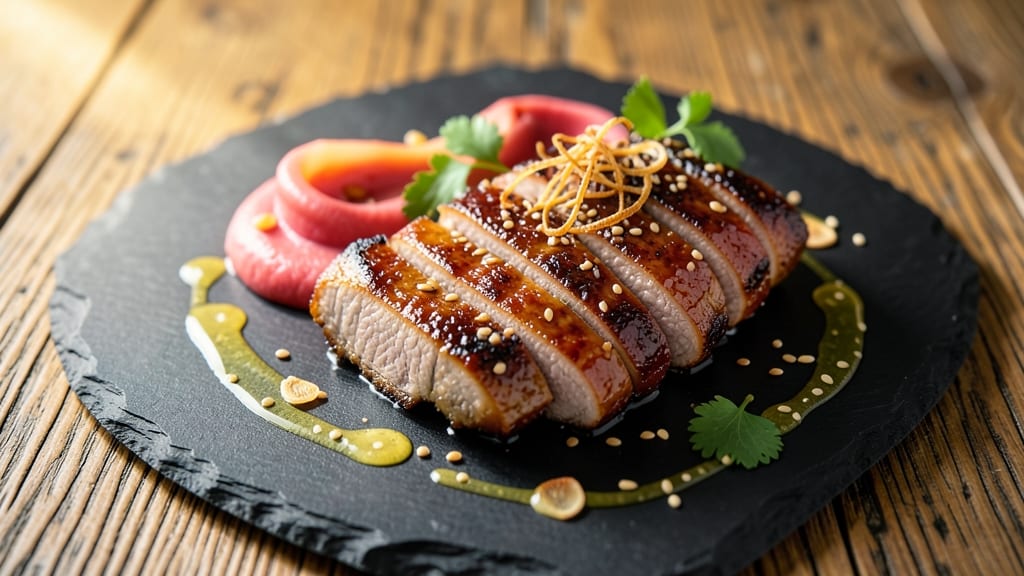
This bulgogi pork tenderloin recipe delivers the perfect harmony of sweet, savory, and umami that defines Korean comfort food. 🌟 I developed this version after years of perfecting the balance between tender meat and that signature caramelized glaze—where the edges become irresistibly crisp while the center stays juicy.
The secret lies in the marinade, where pear and sesame oil create a natural sweetness that caramelizes beautifully during cooking. What sets this recipe apart is the use of pork tenderloin, which cooks faster than traditional bulgogi beef but delivers the same satisfying texture when sliced against the grain.
The marinade works its magic overnight, breaking down the meat while infusing it with layers of garlic, ginger, and soy. I've streamlined the process without sacrificing authenticity, so you get restaurant-quality results at home.
By the time you serve it, you'll have perfectly sliced pork with glossy, caramelized edges that practically melt in your mouth. The glaze clings to each piece, creating a balance of sweet and savory that's impossible to resist.
Serve it over steamed rice with classic banchan sides for the full Korean dining experience. This recipe scales beautifully for gatherings, and the leftovers reheat wonderfully. Let's bring the flavors of Korea to your table with this foolproof method that's been perfected through countless test kitchens and family dinners.
The tenderloin's quick cooking time makes it ideal for weeknight meals that still feel special.
Ingredients for bulgogi pork tenderloin
Sweet glaze, tender meat, and crisp edges—just 14 ingredients for restaurant-quality bulgogi.
| Ingredient | Amount | Notes |
|---|---|---|
| Pork Tenderloin 🥩 | 1 ½ lb | Center-cut, trimmed of fat |
| Pear Puree 🍐 | ½ cup | Fresh or store-bought, unsweetened |
| Sesame Oil 🫒 | 2 tbsp | Toasted sesame oil preferred |
| Soy Sauce 🥄 | ½ cup | Korean or Japanese preferred |
| Brown Sugar 🍚 | ¼ cup | Light or dark, packed |
| Garlic Cloves 🧄 | 6 cloves | Fresh, peeled and minced |
| Fresh Ginger 🌿 | 2 tbsp | Grated, peeled |
| Rice Vinegar 🍶 | 2 tbsp | White or seasoned |
| Sesame Seeds 🌰 | 2 tbsp | Toasted, for garnish |
| Green Onions 🧅 | 4 whole | Thinly sliced, white and green parts |
| Vegetable Oil 🫒 | 1 tbsp | For searing |
| Salt 🧂 | 1 tsp | Kosher or sea salt |
| Black Pepper 🌶️ | ½ tsp | Freshly ground |
| Asian Pearl Onions 🧅 | 1 cup | Thinly sliced, optional |
The pork tenderloin is your secret weapon here—it cooks faster than beef but delivers that same melt-in-your-mouth texture when sliced properly. Look for center-cut pieces at your local butcher or grocery store's meat counter, where they'll often trim the fat for you. If you're buying whole tenderloins, ask for them to be sliced into 1-inch thick medallions (about 4 pieces for this recipe). For the pear puree, Trader Joe's sells unsweetened canned versions that work perfectly, but fresh is ideal if you've got ripe pears on hand. The sesame oil should be toasted—La Choy makes a great affordable option, but Kadoya is worth the splurge for its richer flavor.
No pear puree? Substitute with 2 tbsp of honey or maple syrup—it won't be identical, but it'll still caramelize beautifully. Running low on sesame oil? Toasted sesame seeds ground into oil works in a pinch (just blend 1 tbsp seeds with 1 tbsp neutral oil). The garlic and ginger can be swapped for 1 tbsp garlic powder and 1 tsp ginger powder, though fresh is always better. For the onions, green onions or shallots work if you're out of pearl onions. Pro tip: Toast your sesame seeds in a dry pan for 30 seconds before adding to the marinade—they'll release their aroma and deepen the flavor.
This marinade keeps for 5 days in the fridge, making it perfect for meal prep. The pork tenderloin can marinate for up to 12 hours (overnight is ideal), but don't exceed 24 hours or the meat will get mushy. Cooked pork reheats beautifully—2-3 minutes in a sizzling pan with a splash of water revives it perfectly. Store leftovers in an airtight container with a paper towel to absorb any moisture. For extra crispy edges, pat the meat dry before searing and don't overcrowd the pan.
Why You'll Love This Recipe
- Same recipe, different vibes: toss it over rice for a quick weeknight meal or slice it thin for elegant bites at your next gathering. The sesame oil adds that restaurant-worthy aroma.
- One-Pan Magic: I swear by this for nights when I don’t want to dirty three dishes. The pear puree caramelizes in the same pan as the pork—no extra bowls, no extra stress.
- Sweet-Savory Balance: That pear puree isn’t just fancy—it cuts through the soy and brown sugar for a depth I didn’t expect. Crispy edges? Yes. Sticky, slightly sweet glaze? Absolutely.
- Weeknight to Dinner Party: Same recipe, different vibes: toss it over rice for a quick weeknight meal or slice it thin for elegant bites at your next gathering. The sesame oil adds that restaurant-worthy aroma.
Step-by-step instructions for bulgogi pork tenderloin
Here's how to transform simple ingredients into melt-in-your-mouth bulgogi pork with a caramelized crust.
🍳 Step 1: Marinate the Pork Tenderloin
In a large bowl, combine the 1.5 lb pork tenderloin, 0.5 cup pear puree, 0.5 cup soy sauce, 0.25 cup brown sugar, 6 cloves minced garlic, 2 tbsp grated fresh ginger, and 2 tbsp rice vinegar. I like to add the 1 tsp salt and 0.5 tsp black pepper at this stage too—this ensures even seasoning throughout.
Use your hands to massage the marinade into the pork, making sure it penetrates all the way to the center. The pear puree adds natural sweetness while keeping the meat tender. Cover the bowl and refrigerate for at least 4 hours (overnight works best)—this extended marinate time guarantees maximum flavor infusion and tenderness.
🔥 Step 2: Sear the Pork for Perfect Texture
Remove the pork from the fridge and let it sit at room temperature for 30 minutes before cooking. Heat 1 tbsp vegetable oil in a large skillet over medium-high heat until shimmering. Add the pork and sear for 2-3 minutes per side until golden brown—this creates that beautiful caramelized crust we're after.
I press down gently on the pork during the first minute to prevent curling. The edges should develop a deep amber color while the center remains pink. Remove the pork and set it aside on a plate, but keep the skillet warm for the next step.
🍳 Step 3: Build the Sweet-Savory Glaze
In the same skillet, pour in 2 tbsp sesame oil and add the 1 cup sliced Asian pearl onions. Sauté for 3-4 minutes until they soften slightly and start to caramelize at the edges. This adds another layer of depth to our sauce.
Return the seared pork to the skillet along with any accumulated juices. Pour in any remaining marinade from the bowl and bring to a simmer over medium heat. Let it cook uncovered for 8-10 minutes, stirring occasionally, until the sauce reduces and becomes thick and glossy. The pork is done when it reaches 145°F internally and the edges are beautifully caramelized.
🥘 Step 4: Finish with Garnishes
Transfer the pork to a serving platter and let it rest for 5 minutes before slicing. This resting period ensures the juices redistribute, keeping every bite moist. While it rests, drizzle the reduced sauce from the skillet over the top.
Garnish with 2 tbsp toasted sesame seeds and 4 sliced green onions (white and green parts separated). The sesame seeds add nutty crunch while the green onions provide a fresh contrast to the rich, caramelized flavors. Serve with steamed rice to soak up all that delicious sauce!
Pro Tips For Making Bulgogi Pork Tenderloin
- Thin the Slices: Cut your pork tenderloin lengthwise into ¼-inch strips—thinner than you’d think. Thick slices stay chewy; uniform, paper-thin pieces caramelize perfectly in the pan. (Yes, it takes patience, but trust me, they’ll melt in your mouth.)
- Marinate Overnight: Skip the rush—let the pork soak in the pear puree, soy sauce, and brown sugar mix for at least 12 hours. The acid and sugar break down the fibers, and the pear’s natural pectin tenderizes the meat. (I used to skip this and wondered why it felt dense.)
- High Heat First: Sear the pork in a screaming-hot pan for 30 seconds per side before adding the sauce. This locks in juices and builds a crust that keeps the slices from falling apart when you flip. (Low and slow here = sad, dry bulgogi.)
- Deglaze with Pear: After searing, splash in the leftover marinade and a splash of water—then scrape up every browned bit. The pear puree in the deglaze turns into a glossy glaze that clings to the meat. (Yes, it’s messy, but that’s where the flavor hides.)
Wine and beer pairings for this bulgogi pork tenderloin
Korean Rice Wine
For bulgogi pork tenderloin, I always reach for Korean rice wine (makgeolli)—its subtle sweetness and delicate acidity complement the caramelized edges beautifully. A dry soju like Chum Churum works too, especially if you prefer a slightly sharper profile.
Pour 2-3 ounces into your glass and let the wine's floral notes cleanse your palate between bites. 🍶
Light Korean Lager
When serving bulgogi, a crisp light Korean lager like Hite or OB Golden Lager cuts through the richness without overpowering. The subtle malt sweetness mirrors the glaze's caramel notes, while its effervescence refreshes the palate.
I recommend chilling to 40°F—this enhances the beer's crispness and makes each sip feel like a cool contrast to the warm pork.
Sparkling Fruit Wine
For a more elegant pairing, try a sparkling Korean fruit wine like Sulbing (made from Korean grapes). The bubbles and fruity undertones echo the pear in the marinade while adding a celebratory touch. Serve slightly chilled at 50°F to preserve the effervescence. This option feels especially festive for special occasions.
Japanese Sake
If you prefer sake, opt for a dry junmai like Dassai or Kubota. The clean, mineral-driven profile balances the pork's sweetness without competing. Serve at 45°F—warmer temperatures can make sake taste flabby. The sake's umami depth actually enhances the bulgogi's savory elements.
Craft Beer Options
For beer lovers, a wheat beer like Hop Farm's Korean Wheat Ale works surprisingly well. The banana and clove notes complement the pear and sesame, while the light body prevents the beer from feeling heavy.
Alternatively, a light IPA with citrus notes (like Strange Fellows Oddity) can bridge the gap between sweet and savory flavors.
Non-Alcoholic Pairings
Don't drink alcohol? A sparkling yuja (citron) drink like Yuja Cha from Korea creates the same refreshing contrast. The citrusy effervescence mimics wine's cleansing quality, while the subtle sweetness enhances the pork's caramelized edges. Serve over ice for an invigorating sip between bites. 💫
Nutrition facts
Frequently asked questions
Why does this recipe use pork tenderloin instead of traditional beef?
Pork tenderloin cooks faster than beef bulgogi while delivering the same melt-in-your-mouth texture when sliced properly. The lean cut absorbs marinade beautifully and develops that signature caramelized crust in just 5-8 minutes of cooking. Plus, it's more budget-friendly than premium beef cuts while still feeling special for weeknight meals.
Can I make this recipe without pear puree?
Yes! Substitute 2 tablespoons of honey or maple syrup for the pear puree—it'll still caramelize beautifully. For extra depth, add 1 teaspoon of grated apple to the marinade. The pear isn't just for sweetness; it tenderizes the meat and adds a subtle floral note that's hard to replicate with other sweeteners.
How do I get perfectly caramelized edges without burning?
Start with a hot, dry skillet—medium-high heat is key. Sear the pork for 2-3 minutes per side without moving it until deep golden brown forms. If the pan loses heat, add another 30 seconds—the edges should be amber, not black. For extra insurance, finish with a 1-minute broil under high heat while watching closely.
What's the best way to serve leftovers?
Reheat in a sizzling skillet with a splash of water for 2-3 minutes until piping hot. For extra crispy edges, pat the cold pork dry before reheating. Store in an airtight container with a paper towel to absorb moisture. This recipe reheats beautifully—perfect for lunches or meal prep!
Can I grill this instead of pan-searing?
Grilling works beautifully for this recipe. Preheat your grill to medium-high (400°F) and oil the grates well. Cook the pork for 3-4 minutes per side, turning once. For that caramelized glaze, finish under a broiler for 1-2 minutes after bringing it inside. Just watch closely to avoid burning!