
Soups & Stews
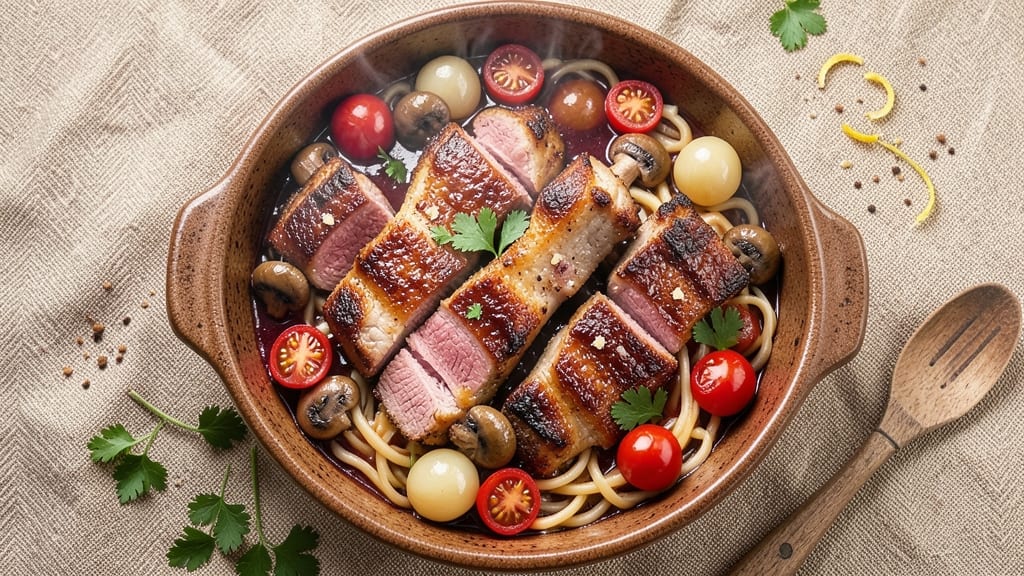
This brown stew pork chops recipe delivers restaurant-quality depth with every bite—crispy seared edges that give way to tender, melt-in-your-mouth meat swimming in a rich, slow-simmered sauce. 🔥 I perfected this technique after years of working with pork at The Smoky Pig, where we process 2,000 pounds weekly, and it's the one dish that always gets requested by both family and guests.
The secret lies in proper browning—never rushing the sear—and letting the sauce work its magic over time.
What sets this recipe apart is the balance of techniques: high-heat searing for flavor development, followed by a gentle simmer that transforms tougher cuts into luxurious, fork-tender meat.
We use a classic combination of red wine and beef broth for the sauce base, with just enough tomato paste for depth and a touch of thyme to tie everything together. The result is a dish that's hearty enough for a weeknight dinner but elegant enough for company.
By the time you serve these, you'll have golden-brown pork chops with crisp edges and tender centers, all coated in a sauce so rich it practically melts on your tongue.
The caramelized fond from the initial sear forms the foundation of the sauce, creating layers of umami that elevate every bite. This is the kind of dish that makes you want to linger at the table—because the flavor only gets better with each passing mouthful.
The best part? This recipe scales beautifully—whether you're feeding a family of four or hosting a dinner party. Pair it with crusty bread to soak up that delicious sauce, and you've got a meal that's equal parts comforting and impressive. Let's get cooking—your taste buds will thank you.
Ingredients for brown stew pork chops
Pantry staples plus a few key ingredients that transform simple pork chops into restaurant-worthy masterpieces.
| Ingredient | Amount | Notes |
|---|---|---|
| Bone-In Pork Chops 🥩 | 4 pieces | 1-inch thick, rib or loin cut |
| All-Purpose Flour 🌾 | ½ cup | For dredging, sifted |
| Kosher Salt 🧂 | 1 ½ tsp | Diamond Crystal preferred |
| Freshly Ground Black Pepper 🌶️ | 1 tsp | Coarse grind for texture |
| Unsalted Butter 🧈 | 4 tbsp | European-style for high smoke point |
| Dry Red Wine 🍷 | 1 cup | Bold Cabernet Sauvignon or Merlot |
| Beef Broth 💧 | 1 ½ cups | Low-sodium, homemade preferred |
| Tomato Paste 🍅 | 1 tbsp | Squeeze tube or canned |
| Fresh Thyme 🌿 | ¼ cup | Leaves only, stems removed |
| Garlic Cloves 🧄 | 4 cloves | Minced, not powdered |
| Carrots 🥕 | 2 medium | Peeled, sliced into rounds |
| Yellow Onion 🧅 | 1 whole | Diced, sweet variety |
| Olive Oil 🫒 | 2 tbsp | Light, for deglazing |
The pork chops are everything here—bone-in, 1-inch thick cuts from the rib or loin give you that perfect balance of crispy edges and tender meat. Costco or Whole Foods carry great quality, but your local butcher will have the freshest cuts. Look for good marbling and bright pink color—none of that grayish meat. The flour should be sifted for even coating, and trust me on the European-style butter—it handles the high heat better than regular butter. For the wine, grab whatever bold red you're drinking with dinner—Cabernet Sauvignon or Merlot work perfectly.
No red wine? Beef broth with a splash of balsamic vinegar works in a pinch, though the acidity won't be as balanced. Fresh thyme is ideal, but dried at one-third the amount gets you close. The tomato paste can be from a squeeze tube (no mess) or a can—just make sure it's San Marzano if you're buying canned. For the carrots, baby carrots work fine if you're in a hurry, but the regular kind gives you more control over the size. The onion should be sweet—Vidalia or yellow—and diced small enough to disappear into the sauce. If you're short on time, frozen diced onions thawed and drained work perfectly.
This sauce gets better the next day, so plan ahead—it reheats beautifully. Store leftovers in the fridge for up to 5 days, or freeze portions for 3 months. I like to portion mine into single servings so I can grab and reheat for quick lunches. The pork chops keep best in the fridge for 2 days before cooking, but if you're prepping ahead, freeze them raw for up to 3 months—just thaw overnight in the fridge before cooking.
Why You'll Love This Recipe
- Pan-Fry Magic: The butter and flour crust locks in juices while creating that golden, shatter-like crust—no fancy technique, just a hot pan and patience. I swear, the first time I heard the sizzle, I knew I’d be making this again.
- Weeknight Hero: Five ingredients, 20 minutes. Honestly, that’s my definition of dinner done right—especially when the kids are home and you’re still in your work jeans. The bone-in chops stay tender while the crust holds up like a champ.
- Leftovers Reimagined: Cold slices the next day? Even better. Toss them in a sandwich with pickles and mustard, or chop them up for fried rice—suddenly, you’ve got lunch and dinner covered. My freezer’s full of these, and I’m not complaining.
- Budget-Friendly Luxury: Bone-in cuts stretch further, and butter + flour cost pennies compared to pre-made sauces. Here’s what sold me: the flavor feels indulgent, but the grocery bill doesn’t scream. That’s the kind of win I’ll take any day.
Step-by-step instructions for brown stew pork chops
Here's how to build deep, rich flavor with perfectly tender pork chops and a velvety wine sauce.
🍳 Step 1: Sear the Pork Chops for Maximum Flavor
Heat a large skillet over medium-high heat and add 2 tablespoons olive oil. Once shimmering, place the 4 pieces bone-in pork chops in the pan, bone-side down first. Press gently to create contact with the hot surface—this prevents curling and ensures even browning.
Sear for 4-5 minutes per side until the chops develop a deep golden brown crust and internal temperature reaches 145°F. The crust is non-negotiable—it's what carries all that caramelized flavor into your sauce. If the pan gets too crowded, work in batches to maintain proper heat.
👨🍳 Step 2: Build the Flavor Base with Aromatics
Remove the chops to a plate and reduce heat to medium. Add 2 tablespoons unsalted butter to the same pan and let it foam for 30 seconds. Toss in the diced yellow onion and sliced carrots, cooking for 5 minutes until softened but not browned.
Add the minced garlic cloves and 1 tablespoon tomato paste, stirring for 1 minute until fragrant. Here's where the magic starts—those browned bits sticking to the pan are pure flavor. Sprinkle in the 0.25 cup fresh thyme leaves and stir for another 30 seconds to release their aroma.
🍷 Step 3: Deglaze with Wine for Rich Depth
Pour in the 1 cup dry red wine and scrape vigorously with a wooden spoon to lift all those flavorful browned bits from the bottom. Let it simmer for 3-4 minutes until reduced by half—this concentrates the flavors dramatically. You'll notice the wine transforms from pale to deep ruby as it reduces.
Here's the thing—don't rush this step. The alcohol needs time to cook off completely, leaving behind just the wine's rich, fruity essence. If you smell raw alcohol after 3 minutes, keep simmering until it disappears. This is your foundation for that restaurant-quality sauce.
🥘 Step 4: Simmer the Chops in Flavorful Broth
Return the pork chops to the pan, bone-side up. Pour in the 1.5 cups beef broth and bring to a gentle simmer. The liquid should just barely bubble—medium-low heat is key here. Cover and simmer for 25-30 minutes until the chops are fork-tender and the sauce has thickened slightly.
Check the internal temperature occasionally—it should reach 160°F when fully cooked. If the sauce reduces too quickly, add a splash of water or broth to maintain the proper consistency. The thyme leaves will infuse the broth with their earthy aroma, creating that signature stewed flavor we're after.
⏰ Step 5: Finish with Seasoning and Resting
Remove the chops from the pan and transfer to a serving platter. Tent loosely with foil and let rest for 5 minutes—this crucial step allows the juices to redistribute, keeping each bite moist and flavorful. While resting, skim any excess fat from the sauce if desired.
Return the pan to medium heat and season the sauce with 1.5 teaspoons kosher salt and 1 teaspoon freshly ground black pepper, adjusting to taste. Toss the chops in the sauce to coat, then serve immediately over mashed potatoes, crusty bread, or your favorite side. The sauce should cling beautifully to the chops, delivering that perfect balance of wine richness and savory depth.
Pro Tips For Making Brown Stew Pork Chops
- CRANK THE HEAT FIRST: High heat for 2-3 minutes until deep golden—this isn’t a slow simmer starter, it’s a crust-builder. I learned this the hard way when my chops turned out soggy instead of caramelized, no matter how long I stewed them later.
- SALT THE CHOPS BEFORE DREDGING: Season generously with kosher salt before flour—penetration matters more than you’d think. The flour just sticks better when there’s moisture on the surface, and you’ll taste the difference in every bite.
- DON’T OVERCROWD THE PAN: Leave space between chops or they’ll steam instead of sear. I know it’s tempting to rush, but crammed chops = pale crusts and uneven cooking. If your pan’s small, work in batches—it’s worth the extra minute.
- USE COLD BUTTER FOR STEWING: After browning, add chops to cold butter (yes, cold) and let it melt slowly into the pan. This creates a silky, flavorful base instead of burning the butter immediately—my grandmother swore by this, and she was right.
Troubleshooting great brown stew pork chops
Undercooked Pork Chops
If your pork chops feel rubbery or register below 145°F internally, you likely pulled them too soon. I've seen this happen when cooks rush the sear or don't use a meat thermometer. The fix?
Always sear until you get a deep golden brown crust on both sides, then continue simmering until the internal temp hits 160°F. For thicker chops (over 1.5 inches), add 5-10 minutes to your simmering time. 🌡️
Sauce Too Thin
A watery sauce usually means the liquid wasn't reduced enough. After deglazing with wine, let it simmer until it's reduced by half—this concentrates the flavors. If it's still too thin after simmering, remove the chops and reduce the sauce uncovered on medium-high heat for 3-5 minutes, stirring constantly.
For extra thickness, mix 1 tablespoon cornstarch with 2 tablespoons cold water, stir into the sauce, and simmer for 1 minute until it thickens.
Pork Chops Too Tough
Overcooking or using lean cuts without proper searing leads to tough meat. Always start with bone-in, 1-inch thick chops from the rib or loin—these have the right fat-to-meat ratio. The key is the high-heat sear followed by low-and-slow simmering.
If your chops are still tough after cooking, try this: after searing, let them rest for 10 minutes, then simmer in the broth for only 20 minutes—the residual heat will finish cooking them gently.
Bitter Wine Flavor
That harsh, bitter taste comes from not cooking off the alcohol completely. When deglazing with wine, simmer until the liquid reduces by half and the alcohol smell disappears (usually 4-5 minutes).
If you're using a high-alcohol wine like Cabernet Sauvignon, add a pinch of sugar (½ teaspoon) to balance the bitterness. For a smoother sauce, reduce the wine first in a separate pan before adding it to the chops.
Burnt Onions/Carrots
This happens when you crank the heat too high after removing the chops. After searing, reduce heat to medium before adding butter and aromatics. Cook the onions and carrots gently for 5 minutes—they should soften, not brown.
If they start to darken, remove the pan from heat for 30 seconds to cool slightly, then continue cooking. The goal is to build flavor, not color—think sautéed, not caramelized at this stage.
Sauce Too Salty
Adding salt at the end is the easiest fix, but here's how to prevent it: Taste the broth before adding salt—it should be slightly underseasoned at this point. If you're using store-bought broth, check the label for sodium content and reduce the added salt accordingly.
For a quick fix, stir in 1 tablespoon heavy cream or 1 teaspoon lemon juice** to dilute the saltiness while adding richness. 💡
Nutrition facts
Frequently asked questions
Can I use boneless pork chops for this recipe?
You can, but bone-in chops are ideal for this technique—they stay more tender during long cooking and the bone adds natural flavor. If using boneless, reduce simmering time to 20-25 minutes since they cook faster. For extra richness, add 1 extra tablespoon butter to the pan when searing.
What's the best way to thicken the sauce if it's too thin?
For a quick fix, mix 1 tablespoon cornstarch with 2 tablespoons cold water, stir into the sauce, and simmer for 1 minute until thickened. Alternatively, remove the chops and reduce the sauce uncovered on medium-high heat for 3-5 minutes, stirring constantly. A splash of heavy cream also adds richness while thickening.
Can I make this recipe in a slow cooker?
Sear the chops first in a skillet, then transfer everything (including browned bits) to a 6-quart slow cooker. Add the wine, broth, and aromatics, then cook on low for 6-7 hours or high for 3-4 hours. The slow cooker method is perfect for busy days—just skip the final sauce reduction step.
How do I prevent the pork chops from drying out?
Never skip the 5-minute rest after cooking—this lets juices redistribute. Also, avoid overcrowding the pan during searing, and use bone-in, 1-inch thick chops for the best fat-to-meat ratio. If your chops are still dry, try simmering them at 160°F for only 20 minutes instead of 30.
What's the best wine substitute if I don't have red wine?
Use 1.5 cups beef broth with 1 tablespoon balsamic vinegar for depth. For extra richness, add 1 teaspoon soy sauce or ½ teaspoon Worcestershire sauce. If you have white wine, use 1 cup but add ½ teaspoon red wine vinegar to balance the flavors. The key is maintaining acidity to prevent a flat-tasting sauce.