
Main Courses
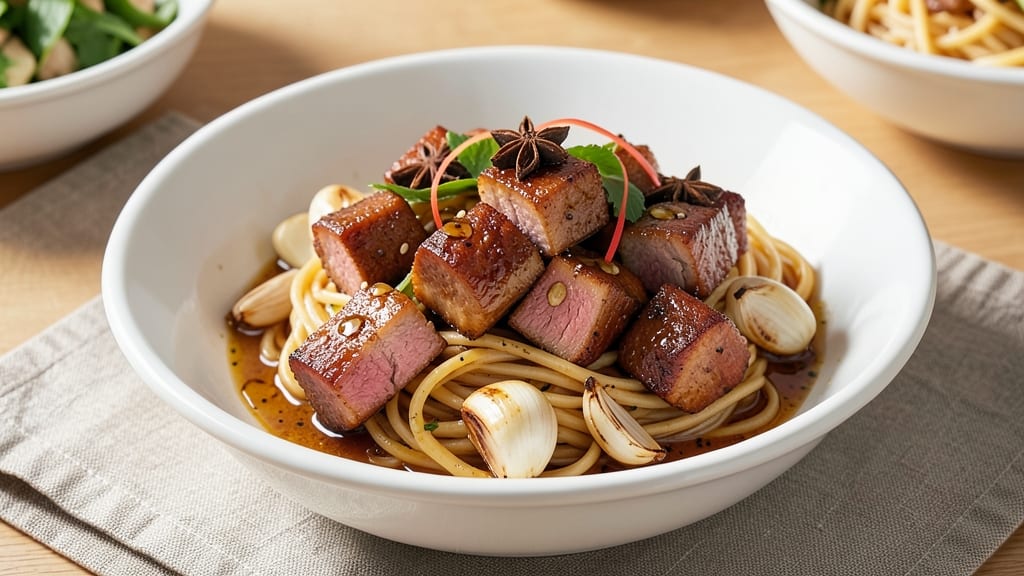
Braised pork noodles transform tough pork into melt-in-your-mouth tenderness through slow, savory alchemy—this is the dish I perfect every time I crave restaurant-quality comfort at home. The secret lies in braising pork belly or shoulder until it practically falls apart, then combining it with silky egg noodles in a rich, aromatic broth that tastes like a hug in a bowl. I developed this recipe after years of studying traditional Chinese braising techniques, but with a modern twist that cuts prep time without sacrificing depth of flavor.
What makes this recipe special is the balance of textures and flavors: crispy pork edges from the braising process contrast with tender centers, while the noodles absorb the deep, umami-rich broth.
We start by searing the pork to build flavor, then slow-cook it with star anise, soy sauce, and ginger until it's fork-tender. The noodles cook just long enough to soften but maintain a satisfying bite, soaking up all that savory goodness without turning mushy.
By the time you twirl that first forkful, you'll taste layers of caramelized pork, fragrant spices, and perfectly al dente noodles all working together in harmony. This dish is hearty enough for a cold evening but simple enough for a weeknight dinner—just one pot to cook and minimal cleanup.
The aroma alone will have everyone gathering around your table, and the first bite will have them asking for seconds.
The beauty of braised pork noodles is their versatility. Serve it as a main course with quick stir-fried greens, or turn it into a meal-prep-friendly dish by making a big batch and storing the components separately.
For extra richness, finish with a drizzle of chili oil or fresh cilantro. Let's get cooking—this recipe delivers restaurant-quality results with a home cook's simplicity.
Ingredients for braised pork noodles
Pork shoulder, aromatic spices, and silky noodles—this trio delivers restaurant-quality comfort in one pot.
| Ingredient | Amount | Notes |
|---|---|---|
| Pork Shoulder 🐖 | 1 ½ lb | Bone-in for flavor, cut into 1-inch cubes |
| Egg Noodles 🍜 | 8 oz | Fresh or dried, medium width |
| Soy Sauce 🥫 | ½ cup | Light or dark, for depth |
| Star Anise 🌟 | 2 whole | Whole pods for aroma |
| Ginger 🧄 | 1 tbsp | Fresh, grated or finely chopped |
| Garlic Cloves 🧄 | 6 cloves | Peeled, smashed for flavor |
| Green Onions 🧅 | ¼ cup | Sliced, white and green parts |
| Sesame Oil 🫒 | 1 tbsp | Toasted for nutty aroma |
| Vegetable Oil 🫒 | 2 tbsp | High smoke point for searing |
| Water 💧 | 2 cups | For braising liquid |
| Salt 🧂 | 1 ½ tsp | Kosher or sea salt |
| Black Pepper 🌶️ | ½ tsp | Freshly ground |
| Sugar 🍚 | 1 tsp | Balances soy sauce |
| Chili Oil 🌶️ | 1 tbsp | Optional, for serving |
| Fresh Cilantro 🌿 | ¼ cup | Chopped, for garnish |
The pork shoulder is the star here. Ask your butcher for a well-marbled cut—the fat renders down during braising, creating a rich, silky broth. I always grab mine from Costco or Whole Foods since they carry good-quality cuts. If you're using pork belly instead, score the fat in a crosshatch pattern before searing for extra crispy edges. The egg noodles? Fresh is ideal but dried works fine—just boil them al dente since they'll finish cooking in the broth. For the soy sauce, Kikkoman light soy is my go-to, but any good-quality brand works.
No star anise? Substitute with 1 tsp ground anise or 1 cinnamon stick—it's non-negotiable for that deep aroma, but these work in a pinch. Fresh ginger and garlic are ideal, but dried ginger at half the amount gets you close. Running low on sesame oil? Toasted sesame seeds at 1/4 tsp add a similar nutty note. The chili oil is optional but adds a nice kick—Lao Gan Ma is my favorite if you want to splurge, but any good-quality chili oil works. For the sugar, brown sugar works too if you're out of white.
This dish tastes even better the next day—make extra and store it for 3-4 days in the fridge. The broth thickens as it cools, so add a splash of water when reheating. For meal prep, keep the pork and broth separate from the noodles—reheat the pork and broth together, then toss with fresh noodles. The pork keeps well for 5 days refrigerated or 3 months frozen. Garnish with fresh cilantro right before serving—it adds a bright contrast to the rich flavors.
Why You'll Love This Recipe
- One-Pot Wonder: I swear by this recipe because it’s literally one pot—no chopping boards, no extra pans. Toss the pork shoulder in with the ginger, star anise, and soy sauce, let it simmer while you boil the noodles, then dump it all together. That’s it. Zero cleanup guilt.
- Star Anise Magic: Here’s what sold me—the star anise. It’s not just a spice; it’s the secret weapon. That deep, licorice-like warmth lingers in every bite, but don’t worry, it’s subtle enough that even my picky husband doesn’t notice it’s there (yet he always asks for seconds).
- Leftover Goldmine: Between us, this dish begs to be made extra. The pork gets even more tender the next day, and reheating it with a splash of water turns it into a rich, saucy noodle hug. I’ve fed my whole family for days with just one batch—no takeout menus in sight.
- Budget Meal Hero: Pork shoulder is cheap, egg noodles are cheap, and a jar of soy sauce lasts forever. Honestly, this recipe is my go-to when I’m stretching groceries but still want something that feels like a treat. Plus, the star anise makes it taste like I spent hours on it. (Spoiler: I didn’t.)
Step-by-step instructions for braised pork noodles
Here's how to make rich, savory braised pork noodles with tender meat and silky noodles.
Sear the Pork Shoulder for Deep Flavor
Heat the 2 tablespoons vegetable oil in a large Dutch oven over medium-high heat. Working in batches, add the 1.5 lb pork shoulder cut into 1-inch cubes and sear for 3-4 minutes per side until deep golden brown. This step builds the rich, caramelized foundation for your braise.
Don't crowd the pan—sear in batches if needed. You want each piece to develop that beautiful crust. Once all pork is browned, transfer it to a plate and set aside. You'll notice the pork releases easily when properly seared, which means it's ready for the next step.
Build the Aromatic Braising Base
In the same Dutch oven, add the 1 tablespoon grated ginger and 6 smashed garlic cloves, cooking for 30 seconds until fragrant. This quick sauté unlocks their full flavor without burning. Add the 2 whole star anise and stir for 10 seconds to toast their aromatic oils.
Pour in the 0.5 cup soy sauce, 2 cups water, 1.5 teaspoons salt, 0.5 teaspoon black pepper, and 1 teaspoon sugar. Stir well to combine, scraping up any browned bits from the bottom of the pot. These bits are packed with flavor—don't miss them. Return the pork to the pot, making sure it's mostly submerged in the liquid.
Braise Until Tender and Flavorful
Bring the liquid to a gentle simmer over medium heat, then reduce to low heat and cover with a lid. Let it braise for 1.5 to 2 hours until the pork is fork-tender and easily pulls apart. You'll know it's done when the meat shreds easily and the broth has reduced to a rich, syrupy consistency.
Check the liquid level halfway through—if it's reduced too much, add 1 cup water to maintain moisture. The pork should be submerged at least halfway for even cooking. This slow braising method transforms tough pork into melt-in-your-mouth tender pieces.
Cook the Noodles Al Dente
While the pork braises, cook the 8 oz egg noodles according to package instructions for 1 minute less than recommended. They'll finish cooking in the hot broth. Drain and set aside, reserving 1 cup pasta water for later if needed.
Once the pork is tender, carefully remove it from the broth using tongs and shred it into bite-sized pieces. Skim off any excess fat from the surface of the broth, leaving about 1 tablespoon for flavor. The broth should now be rich and deeply flavored, ready to marry with the noodles.
Combine and Finish with Fresh Aromatics
Return the shredded pork to the pot and add the cooked noodles. Stir gently to combine, letting the noodles absorb the flavorful broth. If the mixture seems too thick, add 2-3 tablespoons of the reserved pasta water to loosen it to your desired consistency.
Turn off the heat and stir in the 1 tablespoon sesame oil and 0.25 cup sliced green onions. Ladle the noodles into bowls and garnish with 0.25 cup chopped fresh cilantro and a drizzle of 1 tablespoon chili oil for a touch of heat. Serve immediately while hot, with extra green onions on the side for garnish.
Pro Tips For Making Braised Pork Noodles
- Sear the Pork Shoulder First: High heat. Seriously, crank it up until you get deep brown crusts on all sides before adding liquid—this builds flavor that no amount of soy sauce can replicate. I used to skip this, and the braise always tasted like it needed more seasoning. Doesn’t take long, but it makes a real difference.
- Slice Ginger Thinly: No, not just chopped—thin, translucent slices that dissolve into the braise without leaving chunks. My grandmother swore by this, and she was right: you want the heat and aroma to infuse evenly, not just sit in a few spots. A sharp knife and a confident hand make this easy.
- Don’t Rush the Braise: Low and slow is the only way—cover that pot and let it simmer for at least 90 minutes, stirring occasionally to prevent sticking. I learned this the hard way when I walked away for "just a minute" and came back to a gloppy mess. Patience here means tender, fall-apart pork.
- Bloom the Star Anise Early: Toss the whole spice into the pot before adding the pork and searing—this releases its aroma into the oil, giving the whole dish a subtle, warm depth. Skip this, and you’ll just be boiling a spice bag. (Yes, even if you’re impatient like me.)
Wine and beer pairings for braised pork noodles
Rich Red Wine
For braised pork noodles, I reach for a medium-bodied red wine like Pinot Noir or Gamay—their bright acidity and red fruit notes complement the deep umami of the braised pork. A 2018 Pinot Noir from Oregon or a Beaujolais from France cuts through the richness beautifully.
The slight earthiness in these wines mirrors the star anise and ginger in the dish, creating a harmonious balance. 🍷
If you prefer something bolder, try a Chianti Classico—its cherry and herbaceous notes enhance the pork's caramelized crust. Avoid heavy, tannic wines like Cabernet Sauvignon; they'll overpower the delicate broth. Serve your wine at 60-65°F to let its flavors shine alongside the dish.
Light Beer Pairings
A crisp pilsner or lager is my go-to beer pairing—think Heineken, Sapporo, or a local craft option like Atlanta's SweetWater 420. The clean, slightly malty profile balances the dish's richness without competing. The carbonation also refreshes your palate between bites of tender pork and silky noodles. 🍺
For a more adventurous twist, try a Belgian witbier like Hoegaarden. Its citrusy notes and subtle spice echo the ginger and star anise in the braise, while the effervescence cleanses the palate. Avoid heavy stouts or IPAs; they'll clash with the dish's delicate flavors.
Sake for Authentic Touch
If you're feeling adventurous, serve dry sake (like Hakkaisan Junmai Daiginjo) alongside your braised pork noodles. The clean, nutty profile enhances the dish's umami without overpowering it.
Chill the sake slightly—45-50°F—to highlight its crispness. This pairing is especially authentic if you're leaning into the dish's Chinese-inspired roots. 🍶
For a budget-friendly option, Mirin (a sweet rice wine) can also be used in the dish itself—just a splash in the braising liquid adds depth. But for sipping, stick to dry sake or a light white wine like Riesling for a refreshing contrast.
Nutrition facts
Frequently asked questions about braised pork noodles
Can I use pork belly instead of pork shoulder?
Pork belly adds incredible richness and crispy edges when braised. Score the fat in a crosshatch pattern before searing for maximum crispiness. Use about 1 lb pork belly instead of 1.5 lb pork shoulder, as it's fatter. The braising time remains the same (1.5-2 hours), but the texture will be more luxurious.
What if my pork isn't tender after braising?
If the pork is still tough, it likely didn't braise long enough. Extend the cooking time by 30-60 minutes on low heat. For extra tenderness, try adding 1 cup water and 1 tbsp cornstarch to thicken the broth, which helps break down the meat fibers. A meat thermometer should read 203°F for perfect tenderness.
Can I make this dish ahead of time?
This dish actually tastes better the next day! Store the braised pork and broth separately from the noodles. Reheat the pork and broth together, then toss with freshly cooked noodles. The flavors deepen as they meld overnight. Keep the pork refrigerated for up to 5 days or freeze for 3 months.
How do I adjust the spice level?
For milder heat, skip the chili oil or reduce it to 1/2 tbsp. For extra spice, add 1 tsp chili flakes to the braising liquid or serve with 1 tbsp sriracha on the side. The star anise already adds warmth without heat, so you can control the spice level completely to your preference.
What noodles work best for this dish?
Egg noodles are ideal for their rich flavor and texture, but you can substitute with udon, ramen, or even fettuccine. For extra authenticity, use fresh egg noodles from an Asian market—they cook faster and absorb the broth beautifully. If using dried, cook them 1 minute less than package instructions.