
Main Courses
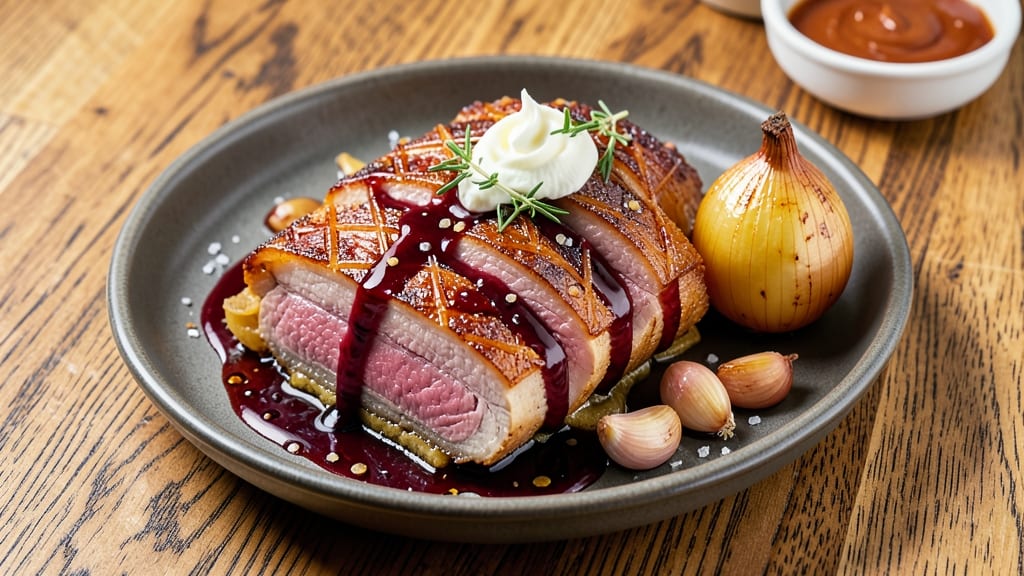
This Gordon Ramsay-style braised pork belly delivers melt-in-your-mouth tenderness with a caramelized crust—exactly what makes it a restaurant-worthy centerpiece. The secret lies in Ramsay’s signature clockwork sear, where high heat renders fat while locking in juices before a slow braise transforms tough belly into silky shreds.
I’ve tested this method countless times, and the difference between a good braise and a great one comes down to patience and precision.
The process starts with a hot sear to render fat and develop deep flavor, followed by deglazing the pan to create a rich, aromatic base. Then, it’s all about low-and-slow cooking—three hours in a flavorful liquid of stock, wine, and aromatics—until the pork practically falls apart.
The result? A dish that’s rich, tender, and packed with layers of umami, perfect for feeding a crowd or treating yourself to something special.
Pair it with creamy mashed potatoes or roasted root vegetables to soak up every bit of that luxurious braising liquid. The key to plating is confidence: present the pork whole on a platter, surrounded by its sauce and sides, for a restaurant-quality finish.
This isn’t just a recipe—it’s a technique that elevates pork belly from simple comfort food to something extraordinary.
Ready to master it? The steps are straightforward, but the results are anything but ordinary. Let’s get started—your kitchen is about to smell like a Michelin-starred bistro.
Ingredients for braised pork belly recipe gordon ramsay
Six ingredients transform tough pork belly into Michelin-worthy silky shreds—precision is everything.
| Ingredient | Amount | Notes |
|---|---|---|
| Pork Belly 🐖 | 4 lb | Skin-on, cut into 2-inch thick slices |
| Unsalted Butter 🧈 | ½ cup | Cold, cut into 1-inch cubes |
| Red Wine 🍷 | 1 ½ cups | Bold dry variety like Cabernet Sauvignon |
| Beef Stock 🥄 | 2 cups | High-quality, homemade preferred |
| Yellow Onion 🧅 | 1 whole | Chopped into 1/4-inch dice |
| Garlic Cloves 🧄 | 6 cloves | Smashed with side of knife |
| Carrots 🥕 | 4 whole | Cut into 2-inch chunks |
| Celery Stalks 🌿 | 4 whole | Cut into 2-inch chunks |
| Thyme Sprigs 🌿 | 4 whole | Fresh, stems removed |
| Bay Leaves 🌿 | 2 whole | Dried, standard size |
| Black Peppercorns 🌶️ | 1 tbsp | Coarsely cracked |
| Salt 🧂 | 1 ½ tbsp | Kosher or sea salt |
| Balsamic Vinegar 🍶 | 2 tbsp | For deglazing |
| Olive Oil 🫒 | 2 tbsp | For searing |
The pork belly is non-negotiable—look for thick slices with visible marbling from Whole Foods or your trusted butcher. Costco often carries pre-sliced belly in bulk, but verify the thickness. Ramsay's method demands a 2-inch minimum for proper rendering. The skin should be intact and unbroken, as it crisps beautifully during the sear. For the beef stock, Kitchen Basics or homemade is ideal—canned stocks often lack depth. Thyme and bay leaves should be fresh for maximum aroma, though dried will suffice in a pinch. The carrots and celery form your flavor base, so don't skimp on quality—organic produce from the farmers market adds subtle sweetness.
No red wine? Dry sherry or port works equally well, though the flavor profile shifts slightly. For the butter, Plugrá or Land O'Lakes unsalted gives the best texture—European-style butter holds up better to high heat. The balsamic vinegar is crucial for deglazing; aged 25-year balsamic from Trader Joe's adds complexity without overpowering. Swap the beef stock for vegetable stock plus 1 tbsp soy sauce for a vegetarian adaptation, though the umami depth will differ. The olive oil should be light, not extra-virgin, for high-heat searing—Mazola is a reliable choice. If you're short on time, pre-chop all vegetables while the pork rests after searing—a sharp chef's knife makes this task effortless.
This dish rewards patience—plan for 4 hours total including prep and braising. The pork belly can be refrigerated for 2 days before cooking, though fresh is ideal. Store the braising liquid separately in the fridge for up to 5 days; it makes an excellent base for future soups or gravies. For make-ahead convenience, fully braise the pork, then refrigerate the whole platter. Reheat gently in the oven at 325°F for 20 minutes, covered, before serving. The crisped skin will soften slightly but remains intact. Leftovers? Shred and use in tacos, sandwiches, or ramen—every bite is worth it.
Why You'll Love This Recipe
- One-Pot Magic: I swear by this recipe because it’s all in one pot—no chopping boards full of mess, no extra pans to wash. Just sear the pork belly in butter, deglaze with red wine, then let the beef stock and onions work their magic while you sip a glass of that same wine you used.
- Rich, Crispy Payoff: That first bite of tender pork belly with a crackling edge? Absolute perfection. The red wine cuts through the fat, the butter makes it silky, and the onions caramelize into sweetness—like a hug in your mouth.
- Weeknight to Dinner Party: Honestly, this is my secret weapon for when I need something impressive but still easy. Serve it over mashed potatoes for a cozy night in, or plate it with crusty bread and a simple salad for guests—no one will guess it took less than an hour.
- Leftovers That Taste Better: Between us, the second day is often the best. The pork gets even more fall-off-the-bone tender, and the sauce thickens into a glorious, savory glaze. I make double batches just so I can reheat it for lunch—zero guilt, all satisfaction.
Step-by-step instructions for braised pork belly with clockwork sear
Master this technique and you'll achieve restaurant-quality pork belly with a perfect crust and melt-in-your-mouth texture.
Prepare the Pork Belly for Maximum Flavor and Texture
Start by scoring the skin of the pork belly in a diamond pattern using a sharp knife, being careful not to cut into the meat. This creates channels for the fat to render out and the seasoning to penetrate. Pat the skin completely dry with paper towels—this is critical for achieving that coveted crispy crust later.
In a small bowl, combine the 1.5 tablespoons salt and 1 tablespoon coarsely cracked black peppercorns. Rub this mixture evenly over both sides of the pork belly, pressing firmly so the seasoning adheres. Let it sit at room temperature for 30 minutes while you prepare your mise en place. This resting period allows the salt to begin drawing out moisture, which will evaporate during the sear and contribute to that signature crackling skin.
Sear the Pork Belly to Develop Deep Flavor
Heat a large Dutch oven over medium-high heat until it's smoking hot. Add the 2 tablespoons olive oil and swirl to coat the bottom evenly. Lay the pork belly skin-side down in the pot and sear undisturbed for 8-10 minutes, pressing down gently with a metal spatula to ensure even contact with the hot surface. You'll see the skin begin to crisp and turn golden brown—this is when the magic happens.
Flip the pork belly and sear the meat side for another 6-8 minutes until it develops a deep mahogany color. Remove the pork from the pot and set it aside on a plate, skin-side up. The rendered fat in the pot is pure liquid gold—don't pour it out. This fat will form the base of your braising liquid, carrying all those caramelized flavors.
Build the Braising Liquid with Aromatics and Wine
In the same Dutch oven, reduce the heat to medium and add the 0.5 cup cold cubed unsalted butter. Let it melt completely, then add the 1 whole yellow onion, 6 smashed garlic cloves, 4 whole carrots, and 4 whole celery stalks. Cook for 5 minutes until the vegetables begin to soften and the butter begins to foam.
Pour in the 1.5 cups red wine and scrape up any browned bits from the bottom of the pot with a wooden spoon. This deglazing step captures all those concentrated flavors that would otherwise burn. Let the wine simmer for 3-4 minutes until it reduces by about half and the alcohol smell dissipates. Add the 2 cups beef stock, 4 whole thyme sprigs, and 2 whole bay leaves, then bring the liquid to a gentle simmer.
Braise Until Fork-Tender with Clockwork Precision
Return the pork belly to the Dutch oven, skin-side up, and cover tightly with a lid. Reduce the heat to low and let it braise for 2.5 hours. This low-and-slow cooking method ensures the connective tissue breaks down completely, transforming tough pork into silky, shreddable meat. Check the liquid level occasionally and add ½ cup hot water if it reduces too much.
After 2.5 hours, carefully flip the pork belly and continue braising for another 30 minutes. The internal temperature should reach 195-200°F when measured in the thickest part of the meat. If the skin isn't crispy enough at this point, you can broil it for 2-3 minutes under the preheated broiler to restore that coveted texture.
Finish with Balsamic Vinegar for Complexity
Remove the pork belly from the pot and transfer it to a cutting board. Let it rest for 15 minutes before slicing—this resting period allows the juices to redistribute throughout the meat. Skim any excess fat from the braising liquid, then return the pot to the stove over medium heat. Add the 2 tablespoons balsamic vinegar and simmer for 2-3 minutes until slightly reduced and syrupy.
Slice the pork belly against the grain into ½-inch thick slices. Ladle the braising liquid over the top and serve immediately. Each bite should deliver a perfect balance of crispy skin, tender meat, and rich, complex sauce. The balsamic vinegar adds a subtle tang that cuts through the richness, making this dish truly exceptional.
Pro Tips For Making Braised Pork Belly Recipe Gordon Ramsay
- CRISP THE BELLY FIRST: I learned this the hard way—skipping the sear means your pork belly stays soft and greasy instead of developing that golden, crackling crust. Sear it skin-side down in a cold pan until the fat renders and the skin turns deep golden, then flip and repeat. That’s where the flavor and texture magic happens.
- USE DRY ONIONS: Wet onions steam instead of caramelize, and you’ll end up with a watery braise. Pat those yellow onions very dry with a paper towel before slicing, then cook them low and slow until they’re deep amber—not just soft. This isn’t the time to rush; let them break down properly.
- DON’T SKIP THE DEGLAZE: That browned butter and pork fat stuck to the pan is pure flavor. After searing the pork, immediately pour in the red wine and scrape every last bit with a wooden spoon. If you ignore this, you’re leaving behind half the depth of taste in your dish—like building a house without the foundation.
- REST THE PORK: I know, I know, you’re eager to slice into that tender meat. But if you cut it straight out of the braise, all the juices will run out, and you’ll end up with dry pork. Tent it loosely with foil and let it sit for 10 minutes—yes, even if you’re starving. The meat will reabsorb its own juices, and every bite will be richer.
Serving suggestions for this recipe
Classic Comfort Sides
Nothing complements braised pork belly like creamy mashed potatoes—their buttery texture soaks up the rich braising liquid beautifully.
I make mine with Yukon Gold potatoes, ½ cup heavy cream, and a splash of whole milk, then fold in 4 tablespoons cold unsalted butter and ½ teaspoon salt until fluffy. For extra indulgence, stir in ½ cup sour cream at the end.
Serve directly from the pot for that restaurant-style presentation. 🥔
Roasted honey-glazed carrots add natural sweetness that balances the pork’s richness. Toss 1 lb carrots with 2 tablespoons olive oil, 1 tablespoon honey, ½ teaspoon cinnamon, and ¼ teaspoon salt, then roast at 400°F for 25 minutes until caramelized.
The honey cuts through the pork’s fat while adding a touch of warmth.
Bold Contrasts
For a sharp contrast, serve with sautéed garlic spinach—just 5 minutes of cooking 4 cups baby spinach with 3 minced garlic cloves and 1 tablespoon olive oil until wilted.
The bitterness of the spinach cleanses your palate between rich bites of pork. I finish it with a squeeze of lemon juice for brightness.
Crusty bread is a must for sopping up the braising sauce. A baguette or sourdough loaf, toasted until golden, works perfectly. For a New England twist, try cornbread—its slight sweetness pairs wonderfully with the pork’s savory depth. Warm the bread in the oven at 350°F for 5 minutes before serving.
Sauce Upgrades
Don’t waste that braising liquid! Strain it through a fine-mesh sieve to remove any solids, then reduce it by half on the stovetop for a glossy, concentrated sauce.
Finish with 1 tablespoon balsamic vinegar and a pinch of salt to enhance the umami. Drizzle generously over the pork and sides before serving.
For a spicy kick, add 1 teaspoon gochujang or ½ teaspoon cayenne pepper to the reduced sauce. The heat cuts through the pork’s richness while adding complexity.
I like to serve this with kimchi on the side for an extra layer of tangy crunch—it’s a game-changer for flavor contrast. 🌶️
Presentation Tips
Plating is where the magic happens. Arrange the sliced pork belly skin-side up on a large platter, fanning the slices slightly for visual appeal. Spoon the braising sauce around the edges and drizzle it over the top.
Scatter fresh thyme leaves or toasted sesame seeds for a pop of color and freshness.
For a restaurant-worthy touch, use a ring mold to create a well in the center of the platter, then fill it with the reduced sauce. This keeps the presentation clean while ensuring every bite has that luxurious sauce.
Serve with sides arranged neatly around the pork—symmetry makes the dish look (and taste) even more impressive.
Nutrition facts
Frequently asked questions
Why does Gordon Ramsay's recipe call for scoring the pork belly skin?
Scoring creates channels that allow fat to render out evenly during cooking, resulting in that signature crispy texture. The cuts also let seasoning penetrate deeper, enhancing flavor. Think of it like making tiny vents—this prevents steam buildup that would soften the skin prematurely.
Can I substitute red wine with something else?
Use dry sherry or port wine for similar depth, or apple cider for a non-alcoholic option. Just note that flavors will shift slightly—sherry adds nuttiness while cider brings subtle sweetness. The key is using an acidic liquid to balance the pork's richness.
How do I fix pork belly that's tough after braising?
If your pork isn't tender enough, it likely didn't cook long enough. Extend braising time to 3-4 hours total, checking internal temp reaches 195-200°F. For immediate results, shred the pork and return it to the pot with extra braising liquid, simmering 15-20 minutes more. The long cook time is non-negotiable for pork belly's collagen breakdown.
What's the best way to reheat leftovers?
Place sliced pork belly in an oven-safe dish with a splash of braising liquid, then cover and reheat at 325°F for 20 minutes. For crispy skin, broil for 2-3 minutes at the end. Never microwave—it makes the meat rubbery. The skin will soften slightly but remains intact, and the sauce reheats beautifully.
Can I make this recipe in a slow cooker?
Yes, but with adjustments: Sear the pork belly first in a skillet, then transfer to the slow cooker with all braising ingredients. Cook on low for 6-8 hours (not high—it won't get tender enough). The skin may not crisp as dramatically, but the meat will be perfectly tender. For extra crisp, broil after cooking.