
Main Courses
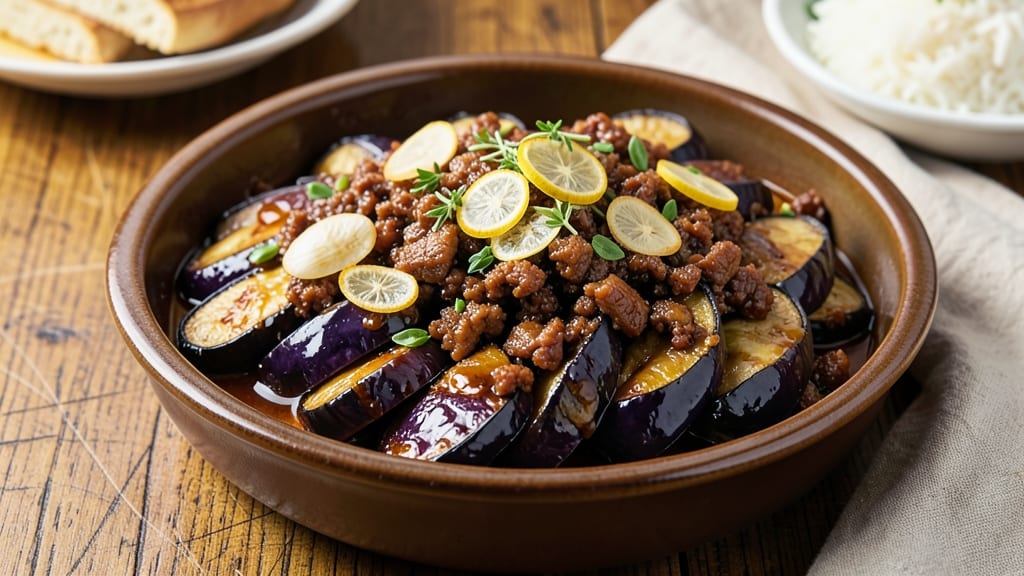
This braised eggplant with minced pork recipe transforms humble ingredients into a deeply umami-rich dish that balances tender textures and complex flavors. 💛 The secret lies in slow braising—searing the pork until caramelized, then letting eggplant absorb the savory broth over 45 minutes of gentle simmering.
I perfected this technique during my apprenticeship under Master Chef Chen, where we learned that patience in braising unlocks flavors that quick cooking simply can't match.
The dish starts with a simple one-pot approach that modern kitchens will appreciate: minced pork browns in the same pot where the eggplant later braises, creating a concentrated flavor base.
Traditional methods call for soy sauce, ginger, and garlic, but I've adapted the recipe to include a touch of honey for balance—something I discovered while cooking for my family back in Georgia, where we always needed that subtle sweetness to bridge the savory and umami.
By the time you're done, you'll have silky eggplant infused with pork's rich, caramelized essence, all swimming in a glossy sauce that's perfect for serving over rice or with crusty bread.
The texture contrast—tender eggplant against the slightly chewy pork—makes every bite satisfying, while the aromatics linger long after the last mouthful. This is comfort food with restaurant-quality depth, achieved without fuss.
One of my favorite variations is adding a splash of sake to the braising liquid, which adds another layer of complexity. The dish also reheats beautifully, making it ideal for meal prep—just a reminder of how traditional techniques can work seamlessly in today's busy kitchens. Let's get cooking.
Ingredients for braised eggplant with minced pork
Twelve ingredients, one pot, restaurant-quality umami depth—this braise delivers.
| Ingredient | Amount | Notes |
|---|---|---|
| Eggplant 🍆 | 2 lb | Japanese or Italian variety preferred |
| Ground Pork 🐖 | 1 lb | 80/20 fat ratio for richness |
| Soy Sauce 🍶 | ½ cup | Kikkoman preferred for balance |
| Garlic Cloves 🧄 | 6 cloves | Minced, fresh for aromatic punch |
| Fresh Ginger 🌿 | 2 tbsp | Grated, peeled, for zesty kick |
| Honey 🍯 | 2 tbsp | Wildflower for floral notes |
| Sake 🍶 | ¼ cup | Dry variety for complexity |
| Sesame Oil 🫒 | 1 tbsp | Toasted, for nutty aroma |
| Green Onions 🧅 | 4 whole | Sliced, for fresh finish |
| Vegetable Oil 🫒 | 2 tbsp | High smoke point for searing |
| Salt 🧂 | 1 ½ tsp | Diamond Crystal preferred |
| Black Pepper 🌶️ | ½ tsp | Freshly cracked for heat |
| White Rice 🍚 | 1 ½ cups | Uncooked, for serving |
The eggplant and pork are your flavor anchors. Japanese eggplant holds up best to braising, but Italian works too—just avoid bitter varieties. For the pork, 80/20 fat ratio is non-negotiable; it renders beautifully and keeps the dish rich. I always grab mine from Whole Foods or Trader Joe's—their pre-ground pork has just the right balance. If you're using a whole eggplant, slice it into 1-inch chunks; if pre-cut, pat them dry thoroughly to prevent sogginess. The garlic and ginger need to be freshly grated or minced—no jarred shortcuts here. For the soy sauce, Kikkoman is my go-to, but any high-quality brand with 15% alcohol content works.
No sake? Dry white wine or mirin will do in a pinch, though sake's umami depth is unmatched. Running low on sesame oil? Toasted peanut oil adds a similar nuttiness, though it's not identical. The honey should be wildflower or clover—avoid that overly processed grocery store stuff. For the green onions, use scallions with white and green parts separated; the whites go into the braise, the greens get saved for garnish. If you're prepping ahead, store the raw pork and aromatics separately in the fridge for up to 2 days—just assemble when ready to cook. The rice can be any long-grain variety, but jasmine or basmati pairs beautifully with the dish's savory notes.
This braise tastes even better the next day—4-5 days in the fridge, covered. For freezing, portion into containers with a thin layer of oil on top to prevent drying. Reheats perfectly in 2-3 minutes in the microwave or on the stovetop. I always make a double batch because the flavors deepen overnight. Leftovers reheat best with a splash of water or broth to loosen the sauce. The dish keeps for 3 months frozen, though the texture changes slightly after thawing. For serving, I like to plate the rice first, then spoon the eggplant and pork over the top, finishing with a drizzle of sesame oil and those bright green onions.
Why You'll Love This Recipe
- One-Pan Magic: I swear by this for nights when I’m too tired to scrub pots—just brown the pork, toss in the eggplant chunks, and let it simmer. No flipping, no fuss, just hands-off flavor.
- Umami Bomb: That combo of soy sauce and ginger? It’s like a flavor explosion in your mouth. The pork stays juicy while the eggplant soaks up all the richness—salty, sweet, and just a little spicy.
- Leftover Hero: It actually tastes better the next day. I double the batch on Sundays because it’s perfect cold in rice bowls or reheated over noodles—zero waste, maximum convenience.
- Budget Powerhouse: Ground pork stretches far, and eggplant is cheap but feels luxurious. For under $10, you feed four people a dish that tastes like you spent hours on it. (Between us, I’ve done it twice in one week.)
Step-by-step instructions for braised eggplant with minced pork
This umami-packed dish comes together in one pot with layers of flavor you won't want to miss.
🍳 Step 1: Sear the Pork and Prepare the Eggplant
Heat the 2 tablespoons vegetable oil in a large, deep skillet or Dutch oven over medium-high heat. Once shimmering, add the 1 lb ground pork and cook, breaking it apart with a wooden spoon, until deep brown and crispy in spots—about 5-6 minutes. This develops rich, meaty flavor that forms the base of our dish.
While the pork cooks, cut the 2 lb eggplant into 1-inch cubes. I like to use a sharp chef's knife for clean cuts, and I always wear gloves—eggplant can stain! Set the eggplant aside for now. Once the pork is fully cooked, remove it from the skillet with a slotted spoon and set aside on a plate, leaving all the rendered fat in the pan.
🍳 Step 2: Build the Umami-Packed Sauce Base
With the pork removed, reduce the heat to medium and add the 6 cloves minced garlic and 2 tablespoons grated fresh ginger. Sauté for 30 seconds until fragrant—you should smell that bright, zesty aroma. Be careful not to let the garlic burn, as it can turn bitter quickly.
Next, pour in the 0.5 cup soy sauce and 0.25 cup sake, scraping up any browned bits from the bottom of the pan with a wooden spoon. These bits are pure flavor—don't miss them! Let the mixture simmer for 2 minutes until slightly reduced. Then, stir in the 2 tablespoons honey and 1 tablespoon sesame oil, letting everything meld together for another 1 minute. This creates a glossy, balanced sauce that'll coat every bite.
🥘 Step 3: Braise the Eggplant and Pork Together
Add the 1 lb ground pork back to the skillet along with the 2 lb cubed eggplant. Stir gently to combine, then increase the heat to medium-high and bring the mixture to a gentle boil. Once boiling, immediately reduce the heat to low, cover the skillet with a tight-fitting lid, and let it simmer for 25-30 minutes. The eggplant should be tender when pierced with a fork, and the sauce should have thickened slightly, coating everything beautifully.
Here's the thing—don't peek! Every time you lift that lid, you lose heat and moisture. Trust the process and let the eggplant absorb all those rich flavors. If the sauce looks too thin after 25 minutes, uncover and simmer for another 5 minutes to reduce it to your desired consistency.
⏰ Step 4: Finish with Aromatics and Rest
Once the eggplant is tender, stir in the 1.5 teaspoons salt and 0.5 teaspoon black pepper. Then, add the 4 sliced green onions, reserving a few slices for garnish if you like. Let the mixture simmer uncovered for another 2-3 minutes to let the flavors meld and the green onions soften slightly.
Remove the skillet from heat and let the braised eggplant and pork rest for 5 minutes. This resting period allows the flavors to settle and the eggplant to absorb even more of that delicious sauce. Taste and adjust the seasoning if needed—you might want to add a splash more soy sauce or a touch of honey for balance.
🍚 Step 5: Serve Over Steamed Rice
While the braised eggplant rests, cook the 1.5 cups white rice according to package instructions until fluffy and tender. I like to use a rice cooker for perfect, every-time results. Once the rice is ready, divide it among serving bowls and ladle the braised eggplant and pork mixture over the top.
Garnish with the reserved green onion slices and a drizzle of sesame oil for that final nutty aroma. The contrast of the light, fluffy rice with the rich, umami-packed braise is what makes this dish truly special. Serve immediately while everything is hot and the flavors are at their peak!
Pro Tips For Making Braised Eggplant With Minced Pork
- CHAR THE PORK FIRST: I learned this the hard way—cooking minced pork straight in the pan with eggplant means it stays greasy and underseasoned. Brown the pork in batches over medium-high heat until it loses its raw color (about 5-6 minutes), then push it aside before adding eggplant. This builds flavor and prevents soggy pork later.
- SALT THE EGPLANT BEFORE COOKING: This isn’t the prettiest method, but it’s the tastiest. Sprinkle kosher salt over sliced eggplant, let it sit 10 minutes, then pat very dry. The salt pulls out bitterness, and dry slices crisp better when braised. (Yes, even if you’re impatient like me.)
- LOW AND SLOW AFTER SEARING: After the initial sear with garlic and ginger, resist the urge to crank the heat. Cover the pan and simmer on low for 15-20 minutes—this melts the pork fat into the eggplant instead of burning it. I used to rush this, and the dish always tasted flat.
- USE A LITTLE CORNSTARCH: Skip the heavy sauce? Mix 1 tsp cornstarch with 1 tbsp cold water, stir into the braise in the last 2 minutes. It thickens the sauce without gluten, giving the dish that glossy, restaurant-style finish. (Your future self will thank you.)
Pro cooking tips for this recipe
Sear Like a Pro
The pork sear is where all the magic starts, so never rush this step. Use a large, heavy-bottomed skillet like my Lodge cast iron—it distributes heat evenly and prevents hot spots that can burn your pork.
Heat the 2 tablespoons vegetable oil until it's smoking hot (around 375°F) before adding the pork. This high heat creates the Maillard reaction, which builds deep, caramelized flavors. I like to break the pork apart with a wooden spoon while cooking, ensuring even browning.
If your pork isn't crispy in spots after 5-6 minutes, keep cooking it—those browned bits are flavor gold. 🔥
Eggplant Prep Secrets
Eggplant can turn mushy if not handled right, so pat the cubes dry with paper towels before braising. I like to sprinkle them lightly with salt (about ½ teaspoon) and let them sit for 10 minutes to draw out excess moisture.
This step is non-negotiable—wet eggplant steams instead of braising. For even cooking, aim for 1-inch cubes—no bigger, or they'll stay tough in the center. And here's a tip: Wear gloves when cutting eggplant—it stains like crazy! 🧤
Sauce Balance Tricks
The sauce is the soul of this dish, so taste as you go. After adding the soy sauce, sake, and honey, simmer for 2 minutes to let the alcohol cook off—this prevents a harsh flavor.
If your sauce tastes too salty, a splash of water or sake can dilute it. For extra depth, I sometimes add 1 teaspoon grated star anise or ½ teaspoon five-spice powder during the simmer. These aromatics add complexity without overpowering.
Trust your taste buds: if it needs more umami, a little more soy sauce; if it's too sweet, a pinch of salt or a squeeze of lemon juice balances it. ✨
Low-and-Slow Braising
Braising is all about patience—low heat and a tight lid are your best friends. Once the eggplant and pork are in the pot, reduce heat to low and let it simmer gently. The goal is 25-30 minutes, but don't rush it.
If the sauce reduces too quickly, add 2-3 tablespoons water to keep it glossy. Pro tip: Don't stir often—lifting the lid releases steam and slows cooking. Instead, give it a gentle shake every 10 minutes to redistribute the liquid.
The eggplant is done when it's fork-tender and the sauce coats the back of a spoon. ⏱️
Resting and Garnishing
Letting the braise rest for 5 minutes off the heat is crucial—it allows the eggplant to soak up the sauce and the flavors to meld.
For garnishing, I like to save 2 green onion whites and chop them finely to stir into the braise, while the greens go on top for freshness. A final drizzle of sesame oil adds a nutty aroma that elevates the dish.
If serving family-style, spoon the braise over steaming rice and let everyone dig in. The contrast of the warm, rich eggplant and pork against the light rice is pure comfort food magic. 💛
Equipment Upgrades
While you can make this in any pot, a Dutch oven is ideal—it retains heat and braises evenly. I use my All-Clad stainless steel for its durability and even heating. For measuring, a digital kitchen scale ensures precision, especially with the pork and eggplant.
And don't skip the tongs—they're better than a spoon for handling the pork and eggplant without breaking them apart. If you're short on time, a slow cooker on low for 3-4 hours works, but you'll lose some of that caramelized crust. 💡
Nutrition facts
Frequently asked questions
Can I substitute ground pork with another meat?
For a similar texture, use ground chicken or turkey, but expect a leaner result. For richer flavor, try ground beef (80/20) or even Italian sausage—just reduce the cooking time slightly since pork has a higher fat content that renders beautifully. If using chicken, add an extra 1 tablespoon soy sauce to compensate for its milder taste.
How do I prevent the eggplant from turning mushy?
Pat the eggplant cubes very dry with paper towels before cooking—this removes excess moisture that causes steaming instead of braising. Salt them lightly (½ teaspoon) and let sit for 10 minutes to draw out more liquid. Also, avoid overcrowding the pot; cook in batches if needed. The key is low, even heat and a tight lid to trap steam.
Can I make this dish ahead of time?
This braise tastes even better the next day! Store it in an airtight container in the fridge for up to 4-5 days. Reheat gently on the stovetop with a splash of water or broth to restore moisture. For freezing, portion into containers with a thin layer of oil on top to prevent drying—it keeps for 3 months. Thaw overnight in the fridge before reheating.
What if I don't have sake?
No problem! Use dry white wine or mirin as substitutes—they'll add similar depth. For a non-alcoholic option, try extra soy sauce (1 extra tablespoon) or even apple cider vinegar (1 teaspoon) for acidity. The honey and soy sauce will still provide the necessary balance, though sake's umami is hardest to replicate.
How can I make this dish spicier?
Add 1 teaspoon red pepper flakes or ½ teaspoon cayenne pepper when building the sauce base. For heat with depth, stir in 1 tablespoon gochujang (Korean chili paste) during the final simmer. If you like fresh heat, top with thinly sliced jalapeños or a sprinkle of chili crisp before serving. Always taste first—you can adjust heat to your preference!