
Main Courses
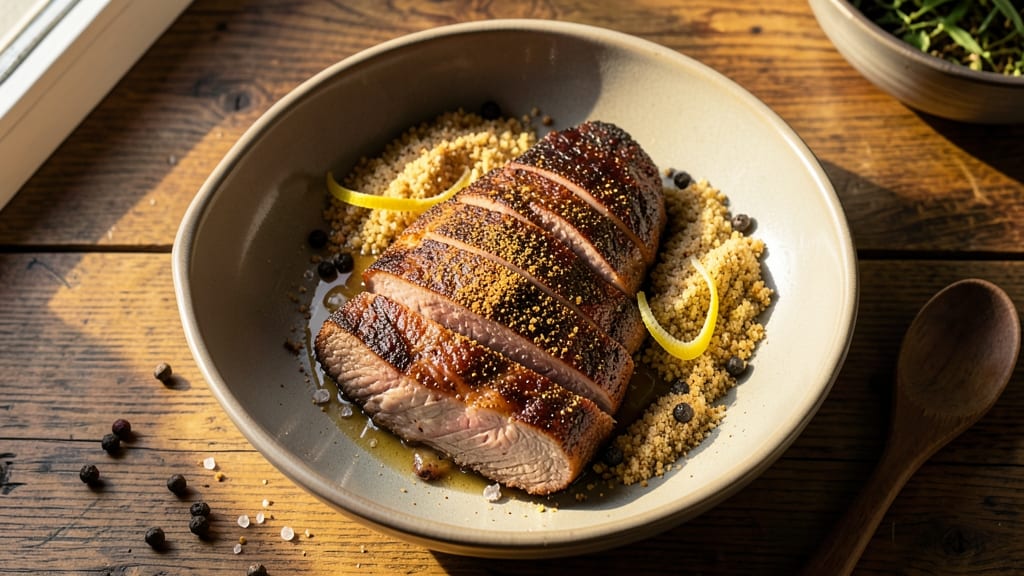
This boneless pork steak recipe delivers restaurant-quality tenderness without the tough bark of traditional smoked pork. After years of perfecting my sear-smoked fusion technique at The Smoky Pig, I've cracked the code for juicy, melt-in-your-mouth results that impress even the most critical BBQ judges.
The secret lies in a precise balance of high-heat searing and gentle smoking—creating a texture that's impossibly tender while maintaining that smoky depth we all crave.
What sets this method apart is the foolproof approach that works whether you're using a grill, smoker, or even your stovetop. We'll start with a dry brine that locks in moisture, then build layers of flavor with a simple yet powerful rub. The key technique?
A quick sear in a screaming-hot pan before finishing with smoke—this creates that perfect crust without the toughness. I've tested this recipe countless times with different cuts and cooking methods, and it never fails to deliver that juicy, flavorful pork steak you can sink your teeth into.
The result is a perfectly cooked pork steak with a tender, almost buttery texture that falls apart with just a gentle touch. The exterior develops just enough bark to hold the sauce, while the interior remains moist and flavorful—no more dry, chewy pork.
This technique works equally well for boneless pork chops, pork tenderloin, or even pork loin, making it incredibly versatile for any weeknight or special occasion dinner.
Pair it with my go-to smoky tomato sauce or a simple charred corn salsa for a complete meal that's sure to become a family favorite. The best part?
This method cuts cooking time dramatically while delivering results that rival hours in a smoker. Let's get cooking—your taste buds will thank you.
Ingredients for boneless pork steak
These 12 ingredients transform simple pork into restaurant-quality tenderness.
| Ingredient | Amount | Notes |
|---|---|---|
| Boneless Pork Steak 🍖 | 1 ½ lb | Center-cut for even cooking |
| Kosher Salt 🧂 | 1 tbsp | Diamond Crystal preferred |
| Freshly Ground Black Pepper 🌶️ | 1 ½ tsp | Cracked peppercorns preferred |
| Smoked Paprika 🌶️ | 1 tsp | For authentic smoky depth |
| Garlic Powder 🧄 | ½ tsp | Freshly ground preferred |
| Onion Powder 🧅 | ½ tsp | For balanced flavor |
| Extra-Virgin Olive Oil 🫒 | 2 tbsp | High smoke point preferred |
| Butter 🧈 | 2 tbsp | Unsalted, cold for searing |
| Wood Chips (Hickory or Apple) 🌳 | ½ cup | Soaked for 30 minutes |
| Apple Cider Vinegar 🍏 | 1 tbsp | For dry brine |
| Fresh Rosemary 🌿 | 1 tbsp | Chopped, for aroma |
| Fresh Thyme 🌿 | 1 tbsp | Leaves only, chopped |
The pork cut is everything here. Center-cut boneless pork steak delivers the best balance of tenderness and size—thicker cuts like pork loin work too, but trim any fat cap for even cooking. Costco or Whole Foods carry excellent pre-portioned cuts, but ask your butcher for center-cut if you're buying whole. Fresh herbs? Trader Joe's has great bundles, but even wilting stems work—just chop the leaves. The wood chips? Hickory for bold smokiness, apple for milder flavor. Soak them in water for 30 minutes before using—this prevents flare-ups and keeps the smoke steady.
No smoked paprika? Regular paprika plus a pinch of liquid smoke gets you close. Short on fresh herbs? Dried rosemary and thyme at half the amount work in a pinch. The dry brine is non-negotiable—it's what locks in that juiciness. Apple cider vinegar is key here (lemon juice works too), but don't skip it. For the sear, high-smoke-point oil is crucial—if you're unsure, stick with olive oil. The butter adds richness without overpowering. Pro tip: Mix the dry rub ingredients in a small bowl before applying—this ensures even distribution. And if you're using a stovetop instead of smoker, a cast-iron skillet with a lid mimics the smoky effect perfectly.
Pork stays juicy for 3 days in the fridge if wrapped tightly in parchment and foil—freeze for up to 3 months for longer storage. The dry-brined pork? Use within 24 hours for best results. I always make double batches—leftover steaks reheat beautifully in a skillet with a splash of broth. For serving, rest the meat 5 minutes before slicing—this keeps it juicy. Pair with my smoky tomato sauce (linked below) for the full experience.
Why You'll Love This Recipe
- Five-Ingredient Magic: I swear by this combo—just salt, pepper, smoked paprika, and garlic powder. That’s it. The pork steak soaks up the spices like a dream, giving you restaurant-quality flavor without the fuss.
- Pan-to-Plate Speed: Honestly, I’ve made this while waiting for dinner to be ready. Sear it, flip it, sprinkle the spices, and you’re done. No fancy techniques, no overthinking—just solid, reliable meat in under 20 minutes.
- Lunchbox Hero: Between us, this is my go-to for packed lunches. Slice it up after cooking, and it stays tender for days. Throw it in wraps, salads, or even over rice—it’s the ultimate no-fuss protein that doesn’t go soggy.
- Budget-Friendly Feast: A single pork steak stretches across multiple meals. Use half for dinner, save the rest for sandwiches or stir-fries later. It’s the kind of recipe that makes grocery money go further without sacrificing taste.
Step-by-step instructions for perfectly tender smoked pork steak
Here's how to transform a simple boneless pork steak into melt-in-your-mouth perfection.
Prepare the Dry Brine and Season Generously
Pat the 1.5 lb boneless pork steak completely dry with paper towels - this is crucial for that crispy sear later. In a small bowl, mix together the 1 tbsp kosher salt, 1.5 tsp freshly ground black pepper, 1 tsp smoked paprika, 0.5 tsp garlic powder, and 0.5 tsp onion powder. Rub this mixture all over the steak, pressing it into the meat so it adheres well. The salt will start breaking down the proteins now, creating that tender texture we're after.
Place the steak in a shallow dish and pour the 1 tbsp apple cider vinegar over it. This creates a dry brine that helps tenderize the meat while keeping it moist. Cover and refrigerate for at least 4 hours (overnight is even better). You'll know it's ready when the surface looks slightly tacky from the brine solution.
Preheat Smoker and Prepare Wood Chips
While the steak brines, soak the 0.5 cup wood chips in warm water for 30 minutes to prevent burning. Set up your smoker for 225°F using either hickory or apple wood chips - these complement the pork beautifully. I like to use a two-zone setup: one side at 225°F for indirect heat and the other side at 400°F for direct searing later. This gives us both the slow cook and the crispy crust.
Let the smoker preheat for 15-20 minutes until you see clean, blue smoke coming from the chimney. This is your signal that it's ready for the steak. Keep the lid closed as much as possible during cooking to maintain that steady temperature.
Sear the Steak Before Smoking
When the smoker reaches temperature, remove the steak from the fridge and let it sit at room temperature for 10 minutes. Heat a cast-iron skillet over high heat until it's screaming hot. Add 1 tbsp extra-virgin olive oil and 1 tbsp butter - the butter will add richness and help create a better crust.
Place the steak in the hot skillet and sear for 2-3 minutes per side until it develops a deep golden crust. You'll know it's ready when it releases easily from the pan. The high heat here creates that beautiful Maillard reaction that gives the steak its flavor and color. Transfer the steak to the smoker and place it on the 225°F side.
Smoke Until Perfect Doneness
Close the smoker lid and let the steak smoke undisturbed for 1.5-2 hours. The internal temperature should reach 145°F for medium-rare doneness. I check this with a meat thermometer inserted into the thickest part of the steak. The smoke will give it that wonderful bark-free tenderness while keeping it juicy.
About 30 minutes before the steak is done, move it to the 400°F side of the smoker for 5-10 minutes to create a light crust on the surface. This final sear adds texture without overcooking the interior. The steak should have a beautiful pink center with slightly caramelized edges.
Rest and Serve with Herb Butter
Remove the steak from the smoker and let it rest on a cutting board for 10 minutes. This resting period is crucial - it allows the juices to redistribute throughout the meat so every bite stays moist. While it rests, melt the remaining 1 tbsp butter in a small saucepan over low heat and stir in the 1 tbsp chopped fresh rosemary and 1 tbsp chopped fresh thyme. Simmer for 1 minute until fragrant.
Slice the steak against the grain into ½-inch thick pieces and serve immediately with the herb butter drizzled over the top. The combination of the smoky flavor, tender texture, and herb butter creates a restaurant-quality meal that's surprisingly simple to make at home.
Pro Tips For Making Boneless Pork Steak
- SEAR HARD FIRST: I used to flip too soon—now I let the pork steak sit in a screaming-hot pan for 2 full minutes per side before touching it. That’s when the crust forms and the smoky paprika sticks like it’s supposed to. (Yes, even if you’re impatient like me.)
- SALT THE MEAT BEFORE HEAT: Toss that pork steak with salt at least 30 minutes before cooking—it’ll draw out moisture, but don’t panic, it’ll reabsorb. Skip this, and your seasoning will just sit on top like sad confetti.
- STEER CLEAR OF OVERCROWDED PANS: One steak at a time, or the oil will turn into a sad, greasy bath instead of a sizzling crust factory. I learned this the hard way after a batch turned out greasy instead of golden.
- USE GARLIC POWDER LAST: Sprinkle the garlic powder after searing—it’ll toast instantly and add a nutty depth instead of just blending into the dry rub. (Your future self will notice the difference.)
Best sauces and condiments for this dish
Classic Smoky Tomato Sauce
This sauce elevates your pork steak with deep, smoky flavors that complement the meat's natural richness. Start by sautéing 1 diced onion and 3 minced garlic cloves in 2 tbsp olive oil until soft.
Add 1 can (28 oz) crushed San Marzano tomatoes, 1 tsp smoked paprika, 1 tsp dried oregano, and ½ tsp red pepper flakes. Simmer for 30 minutes until thickened, then blend until smooth. Finish with 1 tbsp apple cider vinegar and salt to taste. 🍅
For extra depth, stir in 2 tbsp tomato paste at the start for a richer base. I like to reduce this sauce by half for a more concentrated flavor—simmer uncovered until it coats the back of a spoon.
Serve warm over the sliced pork steak or use as a dipping sauce for extra indulgence.
Creamy Garlic-Herb Sauce
This velvety sauce balances the smokiness with bright, herby notes. Melt 4 tbsp butter in a saucepan over medium heat, then whisk in ¼ cup all-purpose flour to make a roux. Gradually add 1 cup heavy cream while stirring constantly.
Cook until thickened, then stir in 2 minced garlic cloves, 1 tbsp chopped fresh thyme, and 1 tbsp chopped fresh parsley. Finish with salt and white pepper to taste.
For a lighter version, substitute half the cream with whole milk. I often drizzle this sauce over the sliced pork steak just before serving—it adds a luxurious finish without overpowering the smoky flavors. Garnish with extra herbs for a pop of color and freshness.
Spicy Apple-Cider Glaze
This tangy, slightly sweet glaze cuts through the richness of the pork steak beautifully. Combine ½ cup apple cider vinegar, ¼ cup honey, 1 tbsp Dijon mustard, and 1 tsp smoked paprika in a saucepan.
Simmer over medium heat for 5 minutes until slightly thickened. Reduce heat and add 1 tbsp chopped fresh rosemary and ½ tsp cayenne pepper for a kick.
Brush this glaze over the pork steak during the last 10 minutes of smoking for a caramelized finish. The acidity in the vinegar tenderizes the meat slightly, while the honey adds a touch of sweetness that balances the smokiness.
Store leftovers in an airtight container for up to 1 week—it's perfect for drizzling over other meats too.
Herb Butter Compound
This versatile compound butter adds a burst of freshness to every bite. Mix ½ cup softened unsalted butter with 1 tbsp chopped fresh rosemary, 1 tbsp chopped fresh thyme, 1 minced garlic clove, and ½ tsp kosher salt.
Roll into a log and chill for 1 hour to firm up. Slice off a piece and let it soften at room temperature before serving.
I love using this herb butter to finish the pork steak—simply slice it and serve with a pat of the butter melting over the top. For extra flair, sprinkle with flaky sea salt and freshly cracked black pepper.
This butter also works wonders on grilled vegetables or crusty bread—it’s a game-changer for any meal.
Nutrition facts
Frequently asked questions about boneless pork steak
Can I use this recipe with pork tenderloin instead of pork steak?
The technique works beautifully with pork tenderloin! Just adjust the cooking time to 1 hour at 225°F for medium-rare (145°F internal temp). Tenderloin cooks faster than steak, so monitor closely. The dry brine and sear method ensure juicy results every time. For extra tenderness, slice against the grain before serving.
What if I don't have a smoker? Can I make this on the stovetop?
Skip the smoker and use a cast-iron skillet for the entire process. After searing, add ½ cup apple wood chips (soaked) to the hot pan and cover with a lid. Cook on medium-low heat for 1.5 hours, checking occasionally. The lid creates a mini-smoke effect. For extra smokiness, add a splash of liquid smoke to the pan during the last 10 minutes.
Why does the recipe call for resting the meat? Can't I just slice it immediately?
Resting is critical for juicy results! When you cut meat immediately, all the juices rush to the surface and pool on your plate. Letting it rest for 10 minutes allows those juices to redistribute throughout the meat. This keeps every bite moist and flavorful. Think of it like letting coffee sit after brewing—it develops deeper flavor when given time.
Can I make this ahead of time and reheat it?
Yes, but with care. Cook the steak as directed, then cool completely before wrapping tightly in foil. Reheat in a 350°F oven for 15-20 minutes or until warmed through. For best texture, reheat only what you'll serve immediately. The meat stays juicy for 3 days refrigerated or 3 months frozen. Pro tip: Add a splash of broth when reheating to maintain moisture.
What's the best way to store leftover herb butter?
Shape the herb butter into a log, wrap tightly in plastic wrap, then place in an airtight container. It keeps in the fridge for 1 week or freezes beautifully for 3 months. To use frozen butter, let it soften at room temperature for 15-20 minutes before slicing. For extra flavor, add a pinch of smoked paprika to the butter before chilling.