
Main Courses
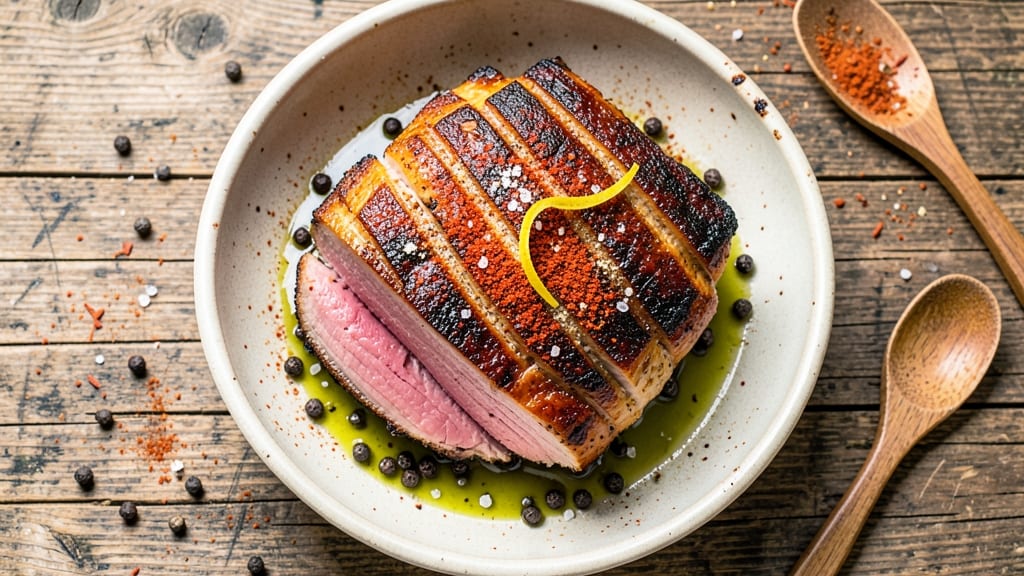
This boneless pork sirloin roast recipe grill delivers melt-in-your-mouth tenderness with a perfect sear—no dryness, no guesswork. As a pitmaster trained in French technique, I've perfected the balance between high-heat grilling and precise temperature control to transform tough cuts into restaurant-quality results.
The secret lies in a simple yet effective dry rub and understanding exactly when to move from direct flame to indirect heat.
The key to success is patience and preparation. Unlike quick grill sessions, this roast benefits from a 30-minute dry rub before hitting the heat, allowing flavors to penetrate deeply. We'll use a combination of smoked paprika, garlic powder, and coarse salt—not just for flavor, but to create that coveted crust.
The real magic happens when we control the grill temperature, starting with high heat for that initial sear before moving to indirect heat to cook through evenly.
By the time you're done, you'll have a roast that's juicy and tender throughout, with a caramelized exterior that holds up to every bite. The internal temperature should reach 145°F—never guessing, always precise.
This isn't just another grill recipe; it's a method that transforms a simple cut of pork into something special, worthy of your best gatherings.
Pair it with grilled vegetables or a fresh herb salad to complete the meal. The technique here works for any boneless pork roast, so once you master it, you'll have a go-to method for everything from family dinners to holiday feasts.
Let's get started with the exact steps that have earned me countless compliments at cookouts and competitions alike.
Ingredients for boneless pork sirloin roast recipe grill
Six ingredients for the rub, plus a few pantry staples to transform tough pork into melt-in-your-mouth perfection.
| Ingredient | Amount | Notes |
|---|---|---|
| Boneless Pork Sirloin Roast 🍖 | 4 lb | Center-cut for even cooking |
| Smoked Paprika 🌶️ | 2 tbsp | High-quality for deep smokiness |
| Garlic Powder 🧄 | 1 tbsp | Freshly ground preferred |
| Coarse Kosher Salt 🧂 | 1 ½ tbsp | Diamond Crystal preferred |
| Ground Black Pepper 🌶️ | 1 tbsp | Freshly cracked for best flavor |
| Extra-Virgin Olive Oil 🫒 | 2 tbsp | For crust development |
| Fresh Rosemary 🌿 | ¼ cup | Finely chopped, stems removed |
| Fresh Thyme Leaves 🌿 | ¼ cup | Or 1 tbsp dried thyme |
| Yellow Onion 🧅 | 1 whole | Thinly sliced for marinade |
| Fresh Lemon Juice 🍋 | 2 tbsp | Brightens the rub |
| Wooden Skewers 🪵 | 4 whole | Soaked for 30 minutes |
| Butter 🧈 | ½ cup | Unsalted, softened for basting |
| Beef Broth 🍲 | ½ cup | Low-sodium preferred |
| Fresh Parsley 🌿 | ¼ cup | Chopped for garnish |
The pork cut matters most here—boneless sirloin roast is ideal because it stays tender without needing hours on the grill. Look for cuts with good marbling at Costco or Whole Foods, where the butchers can help identify the best pieces. If you're buying a whole roast, trim any excess fat to ¼-inch thickness—this ensures even cooking and that perfect crust. The smoked paprika should be vibrant red, not dull; Penzeys or McCormick Gourmet are my go-tos for quality. Fresh rosemary and thyme should smell piney and aromatic—if they're wilted or smell musty, skip them and use dried instead.
No smoked paprika? Substitute 1 tbsp regular paprika plus ½ tsp liquid smoke—it won't be identical, but close. Running short on fresh herbs? Dried thyme at one-third the amount works in a pinch, but fresh is worth hunting down at a farmers' market. The onion in the marinade can be swapped for 1 tbsp onion powder if you're in a rush, though fresh adds brightness. For the basting butter, olive oil works in a bind, but butter gives that unmistakable richness. The beef broth in the marinade might seem odd, but it tenderizes the meat—low-sodium versions like Swanson are best to avoid over-salting.
Pork holds up beautifully for leftovers—3-4 days in the fridge, 3 months frozen. For reheating, low and slow is key: 350°F oven with a splash of water or broth until it reaches 165°F internally. I like to slice it against the grain and serve with a drizzle of the pan juices. The rub mixture keeps for 2 weeks in an airtight container, so make extra for future grilling sessions. Store the fresh herbs in damp paper towels in a sealed bag—they'll stay fresh for 5-7 days.
Why You'll Love This Recipe
- Five-Ingredient Magic: I swear by this combo—just the roast, paprika, garlic powder, salt, and pepper. That’s it. No fancy marinades or last-minute shopping trips. Honestly, my pantry already has everything, and it still tastes like I spent hours prepping.
- Grill’s Best Friend: Between us, this roast is made for the grill. The smoky paprika clings to the edges while the garlic powder infuses every bite—like a charred, savory hug. My kids fight over the last slice, and I don’t even have to slice it thin.
- Leftovers That Don’t Suck: I make this once a week and eat it for days. Slice it cold for sandwiches, dice it into stir-fries, or toss it into pasta—it’s always just as good. (Yes, even on a Tuesday night when takeout sounds better.)
- Budget Meal for Crowds: A single roast feeds my family of five and leaves enough for leftovers—no breaking the bank. The salt and pepper do all the heavy lifting, so I’m not buying specialty rubs. Plus, it’s cheaper than buying individual chops, but way more impressive.
Step-by-step instructions for grill-mastered pork sirloin roast
Here's how to transform your pork sirloin into a juicy, flavor-packed masterpiece that stays perfectly moist through every bite.
Prepare the Herb-Rubbed Pork
Begin by patting the 4 lb boneless pork sirloin roast completely dry with paper towels—this ensures maximum crust development on the grill. In a small bowl, combine 2 tbsp smoked paprika, 1 tbsp garlic powder, 1.5 tbsp coarse kosher salt, and 1 tbsp ground black pepper. Rub this mixture generously over all sides of the pork, pressing it into the meat so it adheres well. In another bowl, finely chop 0.25 cup fresh rosemary and 0.25 cup fresh thyme leaves, then mix with 2 tbsp extra-virgin olive oil and 2 tbsp fresh lemon juice. Spread this herb-oil mixture evenly over the pork, making sure to coat every surface.
Let the pork sit at room temperature for 30 minutes before grilling—this ensures even cooking and prevents chilling the grill. While it rests, thinly slice 1 whole yellow onion and set aside for basting later. The lemon juice in the marinade brightens the flavors while the herbs infuse deeply into the meat.
Preheat and Grill with Precision
Preheat your grill to medium-high heat (around 400°F). Place the pork sirloin on the hottest part of the grill, away from direct flames. Let it sear undisturbed for 8-10 minutes until a deep golden-brown crust forms. You'll see the fat begin to render and the edges develop a caramelized crust—this is your signal to flip. Rotate the pork 90 degrees and sear another 8-10 minutes on the second side, then move it to the cooler side of the grill.
Here's the key: maintain a 275-300°F internal temperature while cooking. Use a meat thermometer to monitor progress—pork is safe at 145°F, but for juicy perfection, aim for 150°F before removing. If the grill loses heat, cover it with the lid to maintain temperature. Basting with the sliced onions every 5 minutes adds sweetness and moisture.
Baste and Rest for Maximum Juiciness
Once the pork reaches 150°F, remove it from the grill and transfer to a cutting board. Tent loosely with foil and let it rest for 15-20 minutes—this critical step allows the juices to redistribute, ensuring each slice stays tender. While it rests, melt 0.5 cup butter in a small saucepan over low heat, then whisk in 0.5 cup beef broth. Simmer for 2-3 minutes until slightly thickened, then strain through a fine-mesh sieve to remove any solids.
Brush this butter-broth mixture generously over the rested pork before slicing. The butter adds richness, while the broth keeps the meat moist. Chop 0.25 cup fresh parsley and sprinkle it over the top for a vibrant finish. Slice the pork against the grain into ½-inch thick pieces for maximum tenderness—each bite should be juicy, flavorful, and perfectly cooked through.
Serve with Confidence
Serve the sliced pork immediately with the basting butter drizzled over the top. The crust should be crispy and aromatic, while the interior remains tender and succulent. Pair with grilled vegetables or crusty bread to soak up the remaining juices. This method guarantees zero dryness—every slice delivers the perfect balance of smoky, herby, and savory flavors you'd expect from a grill master.
Pro Tips For Making Boneless Pork Sirloin Roast Recipe Grill
- START HOT, END LOW: Boneless pork sirloin cooks fast—sear it over direct heat until the edges are deep brown (about 3-4 minutes per side), then move it to indirect heat. After burning three batches trying to "slow-cook" it, I learned: high initial heat locks in flavor, while lower temps finish it evenly without drying it out.
- SALT THE NIGHT BEFORE: Pat the roast dry, then rub it with 1.5 teaspoons of kosher salt at least 12 hours ahead. I used to salt it right before grilling, and the crust never got crispy—turns out, salt needs time to penetrate and draw out moisture for that perfect sear.
- SKIP THE CROWDED GRILL: Give the pork space—it releases a ton of liquid. If you’re grilling other things, finish them first or move the roast to a clean section of the grill. I learned this the hard way when my pork ended up steaming instead of searing, and the flavors got muddy.
- BRINE THE GARLIC POWDER: Mix the garlic powder with 1 teaspoon of water to make a paste, then rub it into the meat. Dry garlic powder clumps and burns—this ensures even distribution and deeper flavor. (Yes, it sounds weird, but it works every time.)
Storing and reheating this recipe
Refrigerator Storage
Your grilled pork sirloin roast stays fresh for 3-4 days in the fridge when stored properly. Let it cool completely before transferring to an airtight container—I use glass Pyrex with snap-on lids to prevent odors.
Slice against the grain before storing to maintain tenderness. The herb rub flavors actually intensify overnight, making leftovers taste even better the next day. 💪
Freezer Storage
For longer storage, freeze the roast for up to 3 months without quality loss. Wrap tightly in plastic wrap first, then place in a freezer bag with all air removed.
Label with the date and thaw overnight in the fridge before reheating. I've found that freezing sliced portions works best for quick meals—just reheat individual servings as needed. ❄️
Oven Reheating
My preferred method is reheating in a 350°F oven for 15-20 minutes with a splash of beef broth to restore moisture. Place slices on a baking sheet and cover loosely with foil to prevent drying.
The internal temperature should reach 165°F—use a meat thermometer to verify. This method preserves the original texture and flavor perfectly. 🔥
Stovetop Reheating
For smaller portions, use a skillet over medium-low heat with 1 tbsp butter or olive oil. Add 2 tbsp beef broth> to prevent sticking and cover with a lid.
Heat for 5-7 minutes, stirring occasionally, until warmed through. This works best for quick lunches and maintains the crust's integrity. 🍳
Microwave Safety
When time is tight, microwave reheating works in 1-minute intervals on 50% power. Place pork on a microwave-safe plate with a damp paper towel covering it to retain moisture. Stir between intervals to ensure even heating. While not ideal, this method prevents dryness when you're in a hurry. 💡
Reviving Leftovers
If your pork seems dry after reheating, revive it with a quick pan sear. Heat 1 tbsp butter> in a skillet and cook slices for 2-3 minutes> per side until crispy.
The butter adds moisture and creates a fresh crust. This trick works wonders for transforming slightly dry leftovers into restaurant-quality bites. ✨
Nutrition facts
Frequently asked questions
How do I know when my pork sirloin roast is done on the grill?
Use a meat thermometer to check the internal temperature—pork is safe at 145°F, but for juicy perfection, aim for 150°F before removing. The crust should be deep golden-brown with caramelized edges. Never rely on color alone, as pork can cook unevenly on the grill.
Can I use a gas grill instead of charcoal?
Gas grills work perfectly for this recipe—just preheat to medium-high heat (400°F) and monitor temperature closely. The advantage of gas is precise heat control, which helps maintain the 275-300°F range needed for even cooking. Use the same sear-and-move technique as with charcoal.
Why does my pork turn out dry when grilling?
Dryness usually happens from overcooking or skipping the 15-20 minute rest before slicing. Pork continues cooking after removal, so always use a thermometer and let it rest. Also, avoid cutting into it too soon—the juices need time to redistribute. For extra moisture, baste with butter and broth during grilling.
What's the best way to slice the roast for maximum tenderness?
Always slice against the grain into ½-inch thick pieces. This shortens the muscle fibers, making each bite more tender. Use a sharp knife and cut at a slight angle for even slices. For presentation, fan the slices slightly on the serving platter.
Can I make this recipe in an oven instead of on the grill?
Yes! Preheat your oven to 400°F and place the seasoned pork on a rack over a baking sheet. Roast for 25-30 minutes, turning halfway, until it reaches 150°F internally. The crust won't be as crispy as grill-seared, but it'll still be juicy and flavorful. Finish with the same butter-broth basting for richness.