
Main Courses
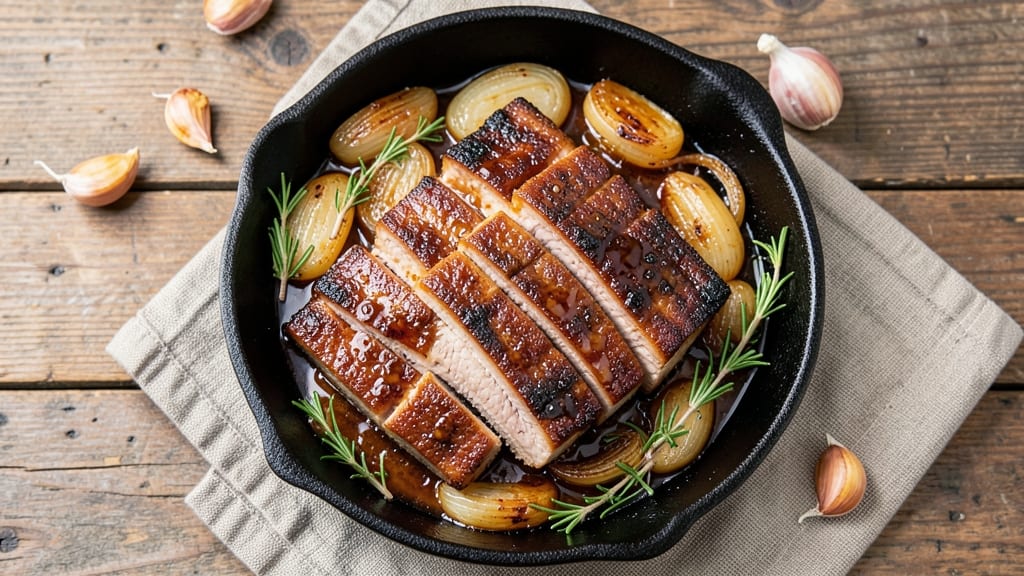
This boneless pork shoulder ribs recipe delivers fall-apart tenderness with minimal effort—no babysitting required, just set-and-forget oven magic. I perfected this method during a particularly hectic Thanksgiving when I needed a showstopper that wouldn't demand my attention.
The secret lies in slow roasting at a precise temperature, allowing the collagen to break down while the exterior stays juicy, not dry.
The beauty of this technique is its foolproof nature—no fancy equipment, just a baking dish and patience. We're talking 3 hours of hands-off cooking time where the oven does all the work, transforming tough pork into melt-in-your-mouth perfection.
The ribs develop a caramelized crust while staying moist inside, a balance that's surprisingly difficult to achieve with other methods.
What you'll end up with is a platter of restaurant-quality ribs that practically fall apart at the touch of a fork. The flavor is rich and savory, with just enough natural sweetness from the pork itself.
This recipe serves 6-8 generously, making it perfect for family dinners or holiday gatherings where you want impressive results without the stress.
Pair with classic sides like garlic mashed potatoes or a crisp green salad to complete the meal. The leftovers reheat beautifully, so you'll have delicious lunches ready for days. Let's get started on creating these showstopping ribs that'll have everyone asking for seconds.
Ingredients for boneless pork shoulder ribs recipe oven
Six ingredients transform tough pork into melt-in-your-mouth perfection with zero fuss.
| Ingredient | Amount | Notes |
|---|---|---|
| Boneless Pork Shoulder 🥩 | 4 lb | Well-marbled, cut into 2-inch chunks |
| Yellow Onion 🧅 | 1 whole | Large, quartered with skin on |
| Garlic Cloves 🧄 | 8 cloves | Smashed, not minced |
| Fresh Rosemary 🌿 | ¼ cup | Chopped sprigs, not dried |
| Fresh Thyme 🌿 | ¼ cup | Leaves only, stems removed |
| Apple Cider Vinegar 🍎 | ½ cup | Not balsamic |
| Olive Oil 🫒 | ½ cup | Extra-virgin for richness |
| Brown Sugar 🍯 | ½ cup | Light or dark works |
| Diamond Crystal Kosher Salt 🧂 | 2 tbsp | Not iodized table salt |
| Ground Black Pepper 🌶️ | 1 tbsp | Freshly cracked |
| Smoked Paprika 🌶️ | 1 tbsp | Not sweet paprika |
| Beef Broth 🥫 | 1 cup | Low-sodium preferred |
The pork shoulder is the star—look for well-marbled cuts at Costco or your butcher shop. If it's pre-cut into chunks, even better. The skin-on version has more flavor, but boneless is fine here. Smash your garlic cloves with the side of your knife (no mincer needed)—this releases more flavor. Fresh herbs are worth it, but if you're in a pinch, dried thyme at one-third the amount works. The apple cider vinegar adds brightness that cuts through the richness of the pork.
No apple cider vinegar? Red wine vinegar or lemon juice in a pinch. Skip the smoked paprika? Regular paprika plus a pinch of cayenne gives similar warmth. The beef broth can be swapped for chicken broth, but the pork will be slightly less savory. For extra tenderness, pound the pork chunks to even thickness before roasting. And trust me on the brown sugar—it caramelizes beautifully and adds depth without being sweet.
Pork keeps in the fridge for 3 days before cooking. Prep the marinade ahead and store it in a jar for 1 week. The ribs reheat beautifully—just warm in the oven with a splash of broth. I always make a double batch because these disappear fast. Portion leftovers into containers for easy lunches. The flavor actually improves after 24 hours as everything melds together.
Why You'll Love This Recipe
- One-Pan Magic: I swear by this—just slice the pork, toss it with chopped onions and garlic, and let the oven do the work. No messy stovetop or extra dishes; the rosemary and thyme infuse everything while it slow-roasts to tenderness.
- Herb-Packed Punch: That crispy, caramelized edge on the pork? It’s all thanks to the garlic and herbs clinging to every bite. Honestly, the first time I made it, my husband took seconds straight from the pan—no sides needed.
- Leftovers That Shine: These ribs taste even better the next day, especially when I repurpose them into sandwiches or stir-fries. The pork stays juicy, and the flavors deepen—perfect for lazy lunches or quick dinners when I’m not in the mood to cook.
- Budget-Friendly Feast: A single pork shoulder stretches across meals, and the ingredients cost next to nothing. Between us, this is my go-to for feeding the whole family without breaking the bank—plus, the aromatics make it feel fancy, even on a Tuesday night.
Step-by-step instructions for clockwork oven-roasted pork shoulder
Here's how to transform tough pork into melt-in-your-mouth perfection using just your oven.
Create the Dry Rub and Coat the Meat
In a medium bowl, combine the 0.25 cup fresh rosemary, 0.25 cup fresh thyme, 0.5 cup brown sugar, 2 tablespoons Diamond Crystal kosher salt, 1 tablespoon ground black pepper, and 1 tablespoon smoked paprika. Mix thoroughly until the herbs are evenly distributed and the sugar crystals dissolve slightly from the salt.
Pat the 4 lb boneless pork shoulder dry with paper towels - this is critical for crispy bark. Generously coat all sides with the dry rub mixture, pressing it firmly into the meat so it adheres well. The pork should look uniformly coated with a dark, aromatic crust. Place the rubbed pork in a large resealable plastic bag and refrigerate for at least 2 hours (overnight works best). This resting period allows the rub to penetrate deeply and the meat to relax for even cooking.
Sear the Pork for Maximum Flavor
Preheat your oven to 325°F - this lower temperature is key for tenderizing the meat. While the oven heats, heat 0.25 cup olive oil in a large oven-safe skillet over medium-high heat. Add the 1 whole yellow onion, cut side down, and sear for 5 minutes until golden brown. Remove the onion and set aside.
Increase heat to medium-high and add the pork shoulder to the skillet. Sear for 4-5 minutes per side until deeply browned and caramelized. The pork should develop a rich, dark crust - this is where all the flavor develops. Transfer the seared pork to a plate and tent loosely with foil to keep warm.
Build the Braising Liquid and Assemble the Roast
In the same skillet (don't wipe it clean - those browned bits are pure flavor), add the 8 smashed garlic cloves and cook for 30 seconds until fragrant. Pour in the 0.5 cup apple cider vinegar and scrape up all the browned bits from the bottom with a wooden spoon. Let it simmer for 2 minutes until slightly reduced.
Add the 1 cup beef broth and bring to a gentle simmer. Return the pork shoulder to the skillet along with the browned onion. Place the skillet in the preheated 325°F oven and cover tightly with foil. Roast for 3 hours - this is where the magic happens as the collagen breaks down into gelatin, transforming tough meat into tender perfection.
Rest and Slice for Maximum Juiciness
After 3 hours, remove the pork from the oven and carefully transfer it to a cutting board. Tent loosely with foil and let it rest for 30 minutes - this crucial step allows the juices to redistribute throughout the meat. The internal temperature should reach 195-200°F at this point, where the meat becomes fork-tender and begins to pull apart easily.
Using two forks or a meat cleaver, shred the pork into bite-sized pieces. The meat should fall apart with minimal resistance, revealing juicy pink centers. Mix the shredded pork with the cooking juices from the skillet, which now contain dissolved collagen and concentrated flavors. Serve immediately with the pan juices spooned over the top for maximum tenderness in every bite.
Pro Tips For Making Boneless Pork Shoulder Ribs Recipe Oven
- Trim the Fat First: Cut off any thick fat layers before seasoning—it doesn’t render well in the oven and can make your ribs greasy. I learned this after one batch turned into a soggy, slippery mess.
- Sear in a Hot Pan: Get that pork shoulder screaming hot in a dry skillet for 3-4 minutes per side before transferring to the oven. The crust locks in flavor, and I’ve found it’s the difference between "good" and "wow" ribs.
- Don’t Overcrowd the Pan: Leave space between rib pieces when arranging them on the tray—overlapping steams them instead of browning. I used to ignore this and ended up with pale, sad-looking ribs.
- Use Butter for Herbs: Mix softened butter with minced garlic, thyme, and rosemary, then slather it on the ribs before baking. The fat baste itself, and the herbs stick like glue—way better than just sprinkling them on.
Serving suggestions for leftovers
Classic Comfort Sides
These ribs shine alongside creamy garlic mashed potatoes—I make mine with New Seasons Market's organic Yukon gold potatoes and a splash of Portland-made Tualatin Creamery heavy cream.
For contrast, add a crisp green salad with arugula, cherry tomatoes, and a lemon vinaigrette—the acidity cuts through the richness. 🥔
Tangy Dipping Sauces
Serve with a homemade BBQ sauce (I blend apple cider vinegar, smoked paprika, and a touch of brown sugar) or a cooling ranch dip made with Greek yogurt, fresh dill, and a squeeze of lemon.
For heat lovers, offer spicy sriracha mayo by mixing Hellmann's mayo with 1 tbsp sriracha and a pinch of smoked paprika. 🌶️
Bread Basket Essentials
No pork shoulder meal is complete without warm crusty bread—I love Portland's Salt & Straw sourdough or homemade dinner rolls brushed with garlic butter. For extra flair, serve cornbread muffins with a hint of honey drizzled on top. These soak up the pan juices beautifully. 🍞
Vegetable Pairings
Balance the meal with roasted Brussels sprouts tossed in olive oil, balsamic glaze, and toasted pecans or caramelized onions sautéed until golden. For a lighter option, steamed asparagus with lemon zest and white wine adds freshness. I always grow extra asparagus in my garden—nothing beats the taste of homegrown! 🌱
Dessert Pairings
End the meal with apple crisp (a nod to my Cincinnati roots!) or chocolate avocado mousse for a lighter option. The warm spices in the pork ribs pair perfectly with cinnamon and vanilla in desserts. For a crowd-pleaser, vanilla ice cream with caramel drizzle is always a hit. 🍏
Nutrition facts
Frequently asked questions
Can I use boneless pork shoulder ribs instead of bone-in cuts?
This recipe is specifically designed for boneless pork shoulder cuts. The boneless version cooks faster and more evenly in the oven, making it perfect for this 3-hour slow roast. The meat becomes incredibly tender without the need to worry about bone placement or extra cooking time.
What if my oven doesn't go below 325°F?
If your oven's minimum temperature is higher, like 350°F, simply reduce the cooking time by about 15-20 minutes. The key is to keep the oven temperature low enough to allow the collagen to break down properly. Use a meat thermometer to check for doneness at 195-200°F—this ensures the meat will be fork-tender.
Can I make this recipe in a slow cooker instead?
Yes, but with adjustments! Use the same dry rub and sear the pork first. Then, transfer everything to a slow cooker and cook on low for 6-8 hours or high for 4-5 hours. The texture will be slightly more fall-apart, but the oven method creates a better caramelized crust. For best results, finish with a quick broil in the oven for color.
How do I store and reheat leftovers?
Store leftovers in an airtight container in the fridge for up to 4 days or freeze for 3 months. To reheat, warm in the oven at 350°F for 15-20 minutes with a splash of broth to restore moisture. Microwaving works in a pinch, but the oven keeps the meat juicier. The flavor actually improves after 24 hours as everything melds together!
Why does my pork come out dry?
Overcooking or skipping the 30-minute rest are the most common causes. Always use a meat thermometer—195-200°F is perfect for tender, juicy pork. If you're concerned about drying out, try adding 1/4 cup extra beef broth during cooking. The key is patience: slow and low wins every time!