
Main Courses
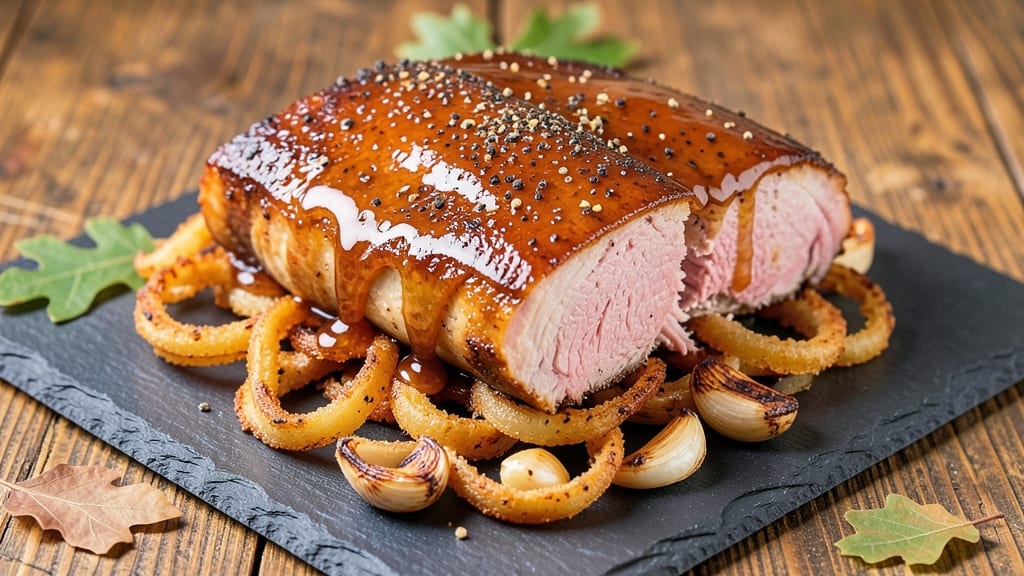
This pull-apart pork recipe delivers the kind of tender, smoky-sweet perfection that turns weeknight dinners into crowd-pleasing feasts. 🔥 After years of perfecting my technique—from the low-and-slow cook to the caramelized glaze—I’ve cracked the code for meat that falls apart at the touch of a fork.
The secret lies in the balance of time, temperature, and that sticky-sweet sauce that clings to every bite like a promise. What sets this recipe apart is the foolproof method that transforms tough pork shoulder into melt-in-your-mouth tenderness.
No fancy equipment needed—just patience and a few key steps: a dry rub for bark, a slow cook to break down the collagen, and a glaze that caramelizes into a glossy, flavor-packed finish.
I’ve tested this on everything from backyard smokers to home ovens, and it delivers restaurant-quality results every time. By the final hour, your kitchen will smell like a Southern BBQ joint, and the pork will be so tender it practically shreds itself.
The glaze isn’t just sweet—it’s smoky, tangy, and deep, with a perfect balance of brown sugar, vinegar, and spices that cut through the richness. Serve it on buns, over rice, or straight from the pan with a side of pickles and coleslaw for the full experience.
This is the recipe I bring to family gatherings and BBQ competitions—because once you taste pork this tender and flavorful, you’ll never settle for anything less.
Ingredients for best pull apart pork
Eight ingredients for the dry rub, seven for the glaze—simple but game-changing for restaurant-quality pull-apart pork.
| Ingredient | Amount | Notes |
|---|---|---|
| Pork Shoulder (Bone-In) 🐖 | 4 lb | Well-marbled, 2-3 inches thick |
| Brown Sugar 🍚 | 1 cup | Packed, light or dark |
| Apple Cider Vinegar 🍎 | ½ cup | Not white vinegar |
| Smoked Paprika 🌶️ | 2 tbsp | For authentic smoky flavor |
| Garlic Powder 🧄 | 1 tbsp | Freshly ground preferred |
| Onion Powder 🧅 | 1 tbsp | Not onion salt |
| Ground Black Pepper 🌶️ | 1 tbsp | Freshly cracked |
| Kosher Salt 🧂 | 1 ½ tbsp | Diamond Crystal preferred |
| Mustard (Dijon) 🥬 | 2 tbsp | For tangy depth |
| Honey 🍯 | ¼ cup | Wildflower preferred |
| Yellow Onion 🧅 | 1 whole | Thinly sliced for glaze |
| Garlic Cloves 🧄 | 4 cloves | Minced for glaze |
| Butter 🧈 | 2 tbsp | Unsalted, for richness |
| Fresh Thyme Leaves 🌿 | ¼ cup | Or 1 tbsp dried |
| Water 💧 | ½ cup | For glaze consistency |
The pork shoulder is non-negotiable here. Look for bone-in cuts—they stay juicier during the long cook. Costco or Whole Foods carry excellent options, but your local butcher can trim it to your preferred thickness. A 4-pound roast serves 8 generously, but if you're feeding a crowd, scale up. For the brown sugar, light or dark doesn't matter—just make sure it's packed tightly into the measuring cup. The vinegar should be apple cider, not white—it adds that essential tang. Freshly ground spices make all the difference, so if you've got a coffee grinder, toast and grind your garlic and onion powders yourself (trust me on this).
No smoked paprika? Substitute 1 tbsp regular paprika plus 1/2 tsp liquid smoke. Running low on Dijon? Yellow mustard in a pinch, but the flavor will be milder. The honey can be swapped for maple syrup if you're avoiding it, though the texture will be slightly different. For the glaze, if you can't find fresh thyme, dried works at one-third the amount. The butter in the glaze is crucial—it adds richness that cuts through the sweetness. If you're making this ahead, prep the glaze ingredients in advance and store them separately until ready to use.
This pork tastes even better the next day, so make it ahead if you can. The dry rub can be mixed up to 3 days in advance and stored in an airtight container. For the glaze, combine all ingredients except the water and store in a jar in the fridge for up to 1 week. The cooked pork keeps well in the fridge for 4-5 days—perfect for meal prep. If freezing, wrap tightly in foil and it'll stay tender for 3 months. Reheat slowly from cold to avoid drying out.
Why You'll Love This Recipe
- One-Pan Magic: I swear by this—just slather that bone-in pork shoulder with brown sugar, vinegar, and spices, then let the oven do the work. No chopping, no flipping, no stress. That’s right, the bone helps tenderize it all on its own.
- Sweet-Savory Crust: The caramelized brown sugar crust? Chef’s kiss. It cracks just enough to reveal juicy, fall-apart meat underneath, while the apple cider vinegar keeps it bright and tangy—not too sweet, not too heavy. Smoked paprika adds that smoky depth that makes it feel fancy, even if you’re eating it straight from the pan.
- Party in a Pan: Between us, this is my go-to for game days, potlucks, or when my book club overstays its welcome. Serve it with buns for sliders, toss it in tacos, or just eat it with forks—it’s that versatile. Honestly, the leftovers get eaten faster than the original serving.
- Budget Hero: A bone-in pork shoulder costs less than half the price of pre-cut pork chops, and it stretches across three meals for my family. The spices are cheap, the prep is minimal, and the flavor? Ridiculously good. It’s the kind of dish that makes me feel like I’m feeding a crowd without breaking the bank.
Step-by-step instructions for smoky-sweet glazed pork shoulder
This method delivers melt-in-your-mouth tenderness with a caramelized glaze that clings to every bite.
🔥 Step 1: Prepare and Season the Pork Shoulder
Start by trimming any excess fat from the pork shoulder, leaving about ¼ inch to protect the meat during cooking. Pat the entire surface dry with paper towels—this ensures a better sear and helps the rub adhere properly. In a small bowl, combine the 2 tbsp smoked paprika, 1 tbsp garlic powder, 1 tbsp onion powder, 1 tbsp ground black pepper, and 1.5 tbsp kosher salt. Rub this mixture all over the pork shoulder, pressing it into the meat so it sticks well.
Place the seasoned pork shoulder on a rack in a roasting pan, fat-side up. This allows air to circulate underneath, promoting even cooking. Cover loosely with foil and refrigerate for at least 4 hours or overnight. This dry-brining step enhances flavor and texture dramatically—don't skip it!
🔥 Step 2: Sear the Pork for Maximum Flavor
Preheat your oven to 300°F. Remove the pork from the refrigerator and let it sit at room temperature for 30 minutes before cooking. Heat a large oven-safe skillet over medium-high heat and add the 2 tbsp butter. Once the butter foams, carefully place the pork shoulder fat-side down in the skillet. Sear for 8-10 minutes until the fat is golden brown and crispy.
Flip the pork and sear the other side for another 5-7 minutes. The goal here is to develop a deep, rich crust that will carry the smoky flavors throughout the cooking process. You'll know it's ready when the pork releases easily from the pan and the fat is deeply browned. Transfer the skillet to the preheated oven.
🍳 Step 3: Cook Low and Slow Until Fork-Tender
Cover the skillet tightly with foil and cook the pork in the oven for 5-6 hours, maintaining the 300°F temperature. This low-and-slow method breaks down the connective tissue, transforming tough meat into melt-in-your-mouth perfection. Every 1 hour, carefully baste the pork with its own rendered juices to keep it moist and flavorful.
Here's the thing—pork shoulder will naturally hit "the stall" around 165°F, where the internal temperature stops rising. This is normal! If this happens, reduce the oven temperature to 275°F and continue cooking until the internal temperature reaches 200-205°F and a fork slides in like butter. This can take another 2-3 hours, but patience pays off with incredibly tender meat.
🥘 Step 4: Prepare the Smoky-Sweet Glaze
While the pork cooks, prepare the glaze by combining the 1 cup brown sugar, 0.5 cup apple cider vinegar, 0.25 cup honey, 2 tbsp Dijon mustard, 0.5 cup water, 1 whole yellow onion (thinly sliced), and 4 cloves garlic (minced) in a saucepan. Add the 0.25 cup fresh thyme leaves and bring to a simmer over medium heat.
Reduce the heat to low and let the glaze cook for 20-25 minutes, stirring occasionally, until it thickens to a syrupy consistency. You're looking for a glaze that coats the back of a spoon but still flows smoothly. The acidity from the vinegar and mustard will balance the sweetness, creating a complex flavor profile that pairs perfectly with the tender pork.
🔥 Step 5: Glaze and Caramelize to Perfection
Once the pork reaches the target internal temperature, remove it from the oven and increase the oven temperature to 425°F. Pour the prepared glaze evenly over the pork shoulder, making sure it coats all sides. Return the pork to the oven and bake uncovered for 15-20 minutes, basting with the glaze every 5 minutes.
Watch closely during this final stage—you want the glaze to caramelize and form a beautiful, sticky crust. The pork should have a deep amber color with a glossy sheen. When the glaze is thick and bubbly and the pork is deeply caramelized, remove it from the oven. Let it rest for 15-20 minutes before serving—this allows the juices to redistribute and ensures every bite is moist and flavorful.
Pro Tips For Making Best Pull Apart Pork
- CRANK THE HEAT FIRST: Start your pork shoulder in a screaming-hot oven (450°F for 15 minutes) to render fat fast and lock in moisture—this isn’t just about browning, it’s about getting that crust that makes the meat actually pull apart. I used to skip this step, and the end result was always less tender, even if the internal temp hit 203°F.
- SALT THE PORK BEFORE SEARING: Generously salt the bone-in pork shoulder at least 4 hours ahead (or overnight)—this ensures the seasoning penetrates deep and the crust forms properly. I learned this the hard way after slathering salt on post-sear and ending up with a thin, flavorless skin.
- DON’T RUSH THE REST: Let the pork rest at least 30 minutes under foil before shredding—this lets the juices redistribute, or you’ll end up with dry, stringy meat. Yes, it’s tempting to dig in immediately, but your future self will regret it.
- THIN THE VINEGAR: Mix the apple cider vinegar with equal parts water before brushing it on—this prevents the sugar in the brown sugar from burning too fast and turning bitter. I was skeptical until I tried it, and now I never go back.
Wine and beer pairings for these flavors
Red Wine Pairings
For this smoky-sweet pork shoulder, I reach for a bold red wine that can stand up to the caramelized glaze while complementing its depth. A Zinfandel from California—like Ravenswood Old Vine—is my go-to choice.
Its ripe blackberry and plum notes mirror the glaze's sweetness, while the wine's spice and earthiness cut through the richness. The alcohol content (around 14.5%) helps cleanse your palate between bites. 🍷
If you prefer something with more structure, a Syrah from Washington State—such as Chateau Ste. Michelle—brings dark fruit and peppery notes that enhance the pork's smokiness. The wine's tannins also pair beautifully with the fatty texture of the meat.
For a Southern twist, try a North Carolina Cabernet Franc, like Biltmore Estate, which offers vibrant acidity and red fruit flavors that refresh the palate.
Craft Beer Selections
When it comes to beer, I always recommend a stout or amber ale for this dish. A Guinness or Murphy's Irish Stout provides a malty backbone that balances the sweetness while its creamy texture contrasts nicely with the pork's tenderness.
The roasted barley notes in stouts echo the smoky flavors in the glaze. 🍺
For a lighter option, an amber ale like New Belgium Fat Tire works wonders. Its caramel and biscuit notes harmonize with the brown sugar in the glaze, while the hoppy finish cuts through the richness.
If you're feeling adventurous, try a Belgian Dubbel, such as Westmalle Tripel, which offers a fruity, slightly spiced profile that complements the pork's complexity. The higher alcohol content (around 8-10%) helps cleanse the palate between bites.
Regional Beer Pairings
In the Southeast, where I grew up, a local craft beer often elevates the dish. For example, Atlanta's Three Trees Brewing Co. offers a fantastic Smokehouse Ale that pairs perfectly with this recipe. The smoky, slightly sweet profile mirrors the glaze, while the beer's malty notes enhance the pork's depth.
If you're in Charleston, Sawmill Brewing Co.'s Southern Ale is another excellent choice—its caramel and toasted malt notes complement the dish beautifully.
For a cooler climate, a German Dunkel like Weihenstephaner Dunkel provides a rich, slightly sweet profile that balances the pork's smokiness. The beer's roasted malt notes enhance the glaze's caramelization, while its moderate bitterness keeps the meal from feeling too heavy.
If you're serving this at a summer gathering, a wheat beer with a touch of spice, like Weissbier, can also work well—just be sure to choose one with enough body to stand up to the pork's richness.
Non-Alcoholic Options
Don't worry if alcohol isn't your thing—there are still fantastic pairings. A smoky black tea, like Lapsang Souchong, offers a similar depth to red wine and complements the pork's flavors beautifully. The tea's smoky aroma enhances the dish's caramelized notes, while its tannins provide a refreshing contrast. 🍵
For a fruitier option, try a sparkling cranberry juice—the acidity cuts through the richness, while the berry notes echo the glaze's sweetness. If you prefer something warmer, a ginger beer like Feather Ginger Beer adds a spicy kick that pairs wonderfully with the pork's smokiness.
The effervescence also helps cleanse the palate between bites, making it a great choice for a casual gathering.
Nutrition facts
Frequently asked questions
Can I substitute pork butt for pork shoulder?
Pork butt and pork shoulder are essentially the same cut (just different names depending on where it's cut from the animal). The recipe works perfectly for both—just use the same weight. The key is choosing a well-marbled piece with good fat coverage to keep the meat juicy during the long cook.
How do I know when the pork is truly tender?
The magic number is 200-205°F internal temperature, where the meat should feel like butter when a fork slides in. If you're unsure, probe the thickest part—if it's falling apart easily, it's ready. The "stall" around 165°F is normal, so don't rush it!
Can I make this in a slow cooker instead of an oven?
Yes! Brown the pork first in a skillet, then transfer it to your slow cooker with the dry rub. Cook on low for 8-10 hours or high for 5-6 hours. In the last hour, add the glaze and cook uncovered to caramelize. The texture will be just as tender—just watch the liquid levels.
What's the best way to reheat leftover pork?
Reheat slowly in a 325°F oven with a splash of broth or apple cider vinegar to keep it moist. Or warm in a skillet over low heat with a little butter—this helps redistribute the juices. Never microwave from cold, or it'll dry out.
Why does my glaze turn out too runny?
Simmer the glaze longer until it thickens to a syrup-like consistency that coats the back of a spoon. If it's still too thin, reduce it uncovered over medium heat for another 5-10 minutes. The vinegar and honey need time to meld and evaporate properly.