
Main Courses
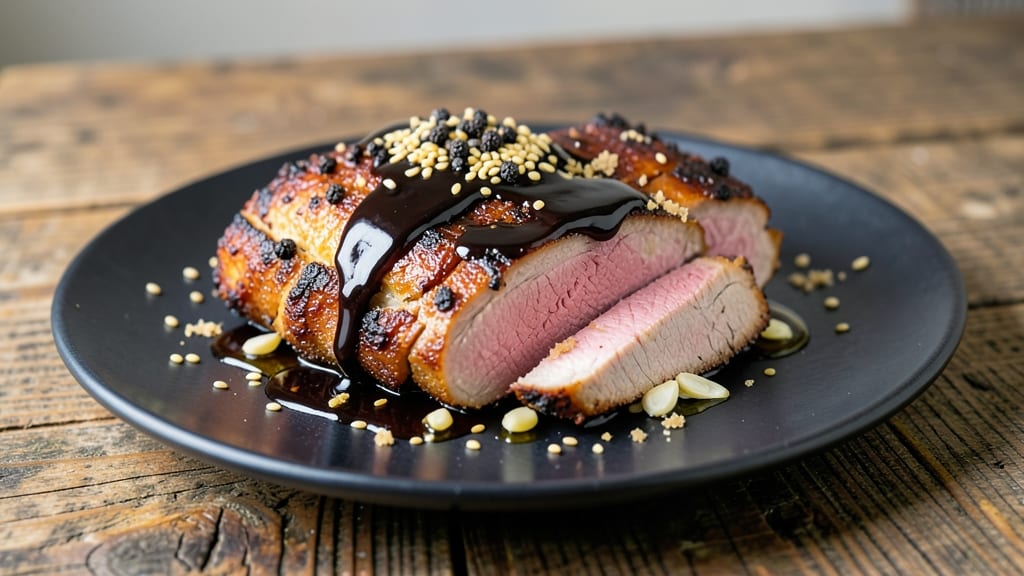
This Brandon Jew-inspired black pepper pork delivers restaurant-quality results with a clockwork sear that locks in juiciness while building a deep, aromatic crust. 🔥 The secret lies in balancing fresh black pepper with a touch of sweetness—just like the dishes that made Jew's restaurant legendary.
I've adapted his techniques for home cooks, ensuring every bite is tender yet packed with bold, spice-kissed flavor that lingers long after the last forkful.
The magic starts with a foolproof marinade that tenderizes the meat while infusing it with layers of flavor. Using a mix of black pepper, soy sauce, and a hint of brown sugar creates that perfect balance between heat and sweetness.
The clockwork sear technique—alternating between high and low heat—ensures the exterior develops a beautiful crust while keeping the interior juicy and succulent. This method is what separates home-cooked pork from something truly special.
What you'll end up with is juicy, melt-in-your-mouth pork with a dark, glossy crust that crackles with every bite. The black pepper flavor is well-balanced, not overpowering, and the sweetness from the marinade adds depth that makes this dish unforgettable.
Serve it sliced thin over steamed rice or with a side of quick-pickled vegetables to cut through the richness. Trust me, this is the kind of pork that will have your guests asking for the recipe.
For those who want to elevate it further, a drizzle of homemade hoisin sauce or a sprinkle of toasted sesame seeds adds an extra layer of sophistication. The beauty of this recipe is its versatility—it works as a main dish, in sandwiches, or even as a topping for noodles.
Whether you're cooking for a family dinner or hosting a gathering, this black pepper pork will be the star of the show.
Ingredients for brandon jew black pepper pork
Juicy pork meets bold black pepper in this restaurant-worthy dish—just like Brandon Jew's legendary recipe.
| Ingredient | Amount | Notes |
|---|---|---|
| Boneless Pork Loin 🐖 | 1 ½ lb | Thick-cut, 1.5-inch slices preferred |
| Freshly Ground Black Peppercorns 🌶️ | 3 tbsp | Coarsely cracked, not powdered |
| Dark Soy Sauce 🍶 | ½ cup | Kikkoman preferred for depth |
| Light Brown Sugar 🍚 | ¼ cup | Packed, not granulated |
| Sesame Oil 🫒 | 1 tbsp | Toasted, for aroma |
| Garlic Cloves 🧄 | 6 cloves | Minced, not powdered |
| Fresh Ginger 🌿 | 1 tbsp | Grated, finely |
| Rice Vinegar 🍶 | 1 tbsp | White, not apple cider |
| Neutral Oil 🫒 | ¼ cup | Avocado or vegetable oil |
| Diamond Crystal Kosher Salt 🧂 | 1 ½ tsp | For seasoning only |
| Toasted Sesame Seeds 🌾 | 1 tbsp | For garnish, optional |
| Hoisin Sauce 🍶 | 2 tbsp | Homemade or store-bought |
The pork loin is your star here—thick-cut pieces (about 1.5-inch slices) hold up best to the clockwork sear. Costco sells pre-sliced pork loin, but if you're cutting your own, ask the butcher for the thickest section near the bone. Freshly cracked black peppercorns (not powder) give that restaurant-quality bite—Penzeys or Spicewalla sell them in bulk. The dark soy sauce is non-negotiable; Kikkoman delivers that deep umami flavor you taste in Jew's dishes. For the brown sugar, use packed cups—it dissolves better than granulated and adds that perfect caramelized sweetness during the sear.
No toasted sesame oil? Lightly toast sesame seeds in a dry pan first, then grind into a paste with a pinch of salt—that’ll get you close. Short on ginger? Substitute 1 tsp ground ginger, but fresh is worth the extra minute. The hoisin sauce can be store-bought (look for Lee Kum Kee), but if you're feeling fancy, blend soy sauce, garlic, vinegar, and a touch of sugar. The neutral oil is for high-heat searing—avocado oil has the highest smoke point, but vegetable oil works in a pinch. Pro tip: Pat the pork dry before marinating—it sears better and locks in more flavor.
Marinate the pork for at least 4 hours (overnight is ideal) in the fridge. The flavors meld beautifully, but don’t over-marinate—pork absorbs like a sponge. Once cooked, slice against the grain for tender bites. Leftovers keep for 3 days in the fridge, but they’re best fresh. For meal prep, portion into airtight containers with a drizzle of hoisin—it reheats like a dream. The crust gets crispy when reheated, so cover loosely with foil to keep it tender.
Why You'll Love This Recipe
- Five-Ingredient Magic: This recipe nails it with just five key players—no clutter, no fuss. The pork loin stays juicy while the black pepper and dark soy sauce create this deep, smoky-sweet crust that’s ridiculously hard to resist.
- Weeknight Reliable: Honestly, I’ve made this on Tuesdays when I’m exhausted and it still comes out perfect. The sugar caramelizes fast, the sesame oil adds that little umami punch, and by the time you’re done, you’ve got dinner and a story to tell.
- Leftovers That Shine: Between us, this pork gets better the second day. Slice it thin, toss with rice, or throw it in a wrap—it’s that versatile. (Yes, even on a Tuesday night when you’re sick of the same old lunch.)
- Budget-Friendly Powerhouse: Pork loin stretches further than you’d think, especially when you’re balancing sweet, spicy, and savory. A single cut feeds four, and the pantry staples (soy sauce, sugar) mean you’re not breaking the bank for flavor.
Step-by-step instructions for Brandon Jew's black pepper pork
Here's how to achieve that perfect clockwork sear and tender, spice-kissed pork every time.
🔥 Step 1: Prep the Pork for Maximum Flavor and Texture
Slice the 1.5 lb boneless pork loin into 1.5-inch thick pieces against the grain for maximum tenderness. I use a sharp chef's knife and make sure each cut is uniform—this ensures even cooking. Pat the slices dry with paper towels; moisture is the enemy of that perfect crust we're after.
In a small bowl, combine the 3 tbsp freshly ground black peppercorns, 1.5 tsp Diamond Crystal kosher salt, and 1 tbsp toasted sesame seeds. Rub this mixture all over the pork slices, pressing firmly so the spices adhere. Let them rest at room temperature for 15 minutes—this allows the seasoning to penetrate and the meat to cook more evenly.
🍳 Step 2: Build the Glaze for Deep Flavor
While the pork rests, make the glaze by combining the 0.5 cup dark soy sauce, 0.25 cup light brown sugar, 2 tbsp hoisin sauce, 1 tbsp rice vinegar, 6 cloves minced garlic, and 1 tbsp finely grated fresh ginger in a small saucepan. Bring to a simmer over medium heat and cook for 3-4 minutes until the sugar dissolves and the mixture thickens slightly.
Remove from heat and stir in the 1 tbsp sesame oil. This glaze will caramelize beautifully during the searing process, creating that glossy finish and deep umami flavor. Let it cool slightly while you prep the pork for cooking.
🔥 Step 3: Clockwork Sear for Perfect Texture
Heat 0.25 cup neutral oil in a heavy skillet over high heat until it shimmers. Add the pork slices and sear for 2-3 minutes per side until they develop a deep golden-brown crust. Don't move them around—let them sit undisturbed so they develop that perfect crust.
Here's the thing—you'll know it's ready when the edges are deep brown and the pork releases easily from the pan. I press down gently on the fillet during the first minute to prevent curling. Once seared, remove the pork and set aside on a plate.
🍳 Step 4: Glaze and Finish to Perfection
In the same skillet (don't wipe it clean—those browned bits are pure flavor), pour in the prepared glaze. Immediately return the pork to the skillet and spoon the glaze over the top. Reduce heat to medium and cook for 1-2 minutes until the glaze caramelizes and coats the pork evenly.
You'll see the glaze bubble and turn a beautiful amber color—that's your signal it's ready. The pork should be cooked to 145°F internal temperature at its thickest point. If the glaze thickens too much, add 1 tablespoon water to loosen it. Let the pork rest for 5 minutes before serving.
🍽️ Step 5: Serve with Confidence
Slice the pork against the grain into ½-inch thick pieces and arrange on a serving platter. The exterior should be beautifully caramelized with a deep black pepper crust, while the interior remains juicy and tender. Drizzle any remaining glaze from the pan over the top for extra flavor.
This dish delivers that perfect balance of sweet, spicy, and umami flavors with a texture that's crisp on the outside and juicy on the inside. Serve immediately with steamed rice and quick-pickled vegetables to let all the flavors shine.
Pro Tips For Making Brandon Jew Black Pepper Pork
- CRANK THE HEAT FIRST: Start your pork loin screaming hot—cast iron or stainless steel pan, no nonstick. I used to simmer it gently, and the crust stayed sad and pale. After burning my first batch, I learned: sear until it’s golden in 2-3 minutes per side, then pull it off the heat to rest. The sugar in the glaze will caramelize properly, giving you that glossy, sticky crust Brandon Jew’s version nails.
- GRIND PEPPER FRESH, THEN REST: Skip the pre-ground peppercorns—freshly cracked black pepper is the difference between "meh" and "wow." Use a mortar and pestle or microplane to grind just before coating the pork, then let the seasoned meat sit uncovered on a wire rack for 15 minutes. This lets the pepper’s oils penetrate deeper, and the surface dries just enough to grab onto the glaze later.
- DON’T SKIP THE SECOND GLaze: The recipe calls for a quick glaze toss after searing, but the real magic happens when you add a second, thinner layer of dark soy, sugar, and sesame oil after resting. Brush it on while the pork is still warm—this isn’t just for looks. The sesame oil will mellow out the heat from the pepper, and the sugar will cling to the edges for a crisp, sticky finish. (Yes, even if you’re impatient like me.)
- USE LESS SESAME OIL: A splash is all you need—about ½ teaspoon per pound of pork. Too much, and it’ll turn the glaze greasy instead of glossy. Add it last, right before serving, and swirl the pan to coat the pork evenly. If you’re worried about flavor, toast the oil first in a dry pan for 30 seconds—it’ll deepen the aroma without overpowering the black pepper’s kick.
Storing and reheating this brandon jew black pepper pork
Fridge Storage
Store your black pepper pork in an airtight container for up to 3 days in the fridge. I use glass containers with snap-on lids—they keep flavors fresh and prevent that dreaded "plastic taste." Let the pork cool completely before storing to avoid condensation, which can make the crust soggy. 🌡️
When reheating, cover the container loosely with foil to preserve that crispy crust. The pork reheats beautifully in the microwave or oven—just add a splash of water or broth to prevent drying out. I find 1-2 minutes on high power in the microwave works best for even heating.
Freezer Prep
For longer storage, freeze portions in single-serving airtight containers—this way, you can thaw only what you need. I recommend using quart-sized freezer bags with the air squeezed out to prevent freezer burn. Label with the date and store for up to 3 months. 🧊
Thaw overnight in the fridge before reheating. Never microwave frozen pork directly—it leads to uneven cooking and a sad, dry texture. Instead, reheat from room temperature for best results.
Reheating Like a Pro
My favorite method is the stovetop reheat: place pork slices in a skillet over medium heat with a splash of water or broth. Cover with a lid and cook for 3-4 minutes until heated through. The residual heat from the pan helps restore that caramelized crust. 🔥
For oven reheating, preheat to 350°F, place pork on a baking sheet, and warm for 8-10 minutes until internal temperature reaches 165°F. A quick broil for the last minute adds extra crispiness to the crust.
Crust Rescue Tips
If your reheated pork loses its crispy crust, don't panic! Pop it back under the broiler for 1-2 minutes to restore that golden sheen. A quick spray of neutral oil before broiling helps too. 💡
For extra flavor, add a drizzle of hoisin sauce or a sprinkle of toasted sesame seeds after reheating. This not only enhances taste but also reminds you of the fresh dish you started with.
Nutrition facts
Frequently asked questions
Why does this recipe use freshly cracked black pepper instead of powder?
Freshly cracked black peppercorns deliver a more complex, aromatic flavor with bright, peppery notes that powdered pepper can't match. The coarse texture also creates those signature little pepper flecks on the crust that make this dish visually striking. Plus, the heat builds gradually rather than hitting all at once—just like in Brandon Jew's original technique.
Can I substitute pork loin with another cut like pork tenderloin?
Pork tenderloin works but requires adjustments—slice it 1-inch thick instead of 1.5 inches since it's leaner and cooks faster. For best results, marinate for only 2-3 hours max to prevent drying out. The clockwork sear technique still applies, but reduce cooking time by 30 seconds per side to avoid overcooking.
How do I fix undercooked or overcooked pork?
For undercooked pork (below 145°F), return to a clean skillet over medium heat for 1-2 minutes per side—it'll finish quickly without drying out. Overcooked pork is trickier: slice thin, drizzle with hoisin sauce, and reheat in the oven at 300°F for 5 minutes with a splash of water to restore moisture.
What's the best way to serve this pork for a dinner party?
Slice against the grain and arrange on a platter with quick-pickled cucumbers and steamed jasmine rice. For extra flair, drizzle with reduced glaze and garnish with toasted sesame seeds. Pair with a crisp white wine (like Sauvignon Blanc) or a light lager to cut through the richness. The pork reheats beautifully, so you can prep ahead!
Can I make this recipe in an air fryer?
Yes! Preheat air fryer to 375°F, brush pork with oil, and cook for 8-10 minutes (flip halfway) until internal temp reaches 145°F. For the glaze, brush on after air frying and broil for 2 minutes to caramelize. The texture will be slightly different but still delicious—just monitor closely to avoid drying.