
Sauces & Condiments
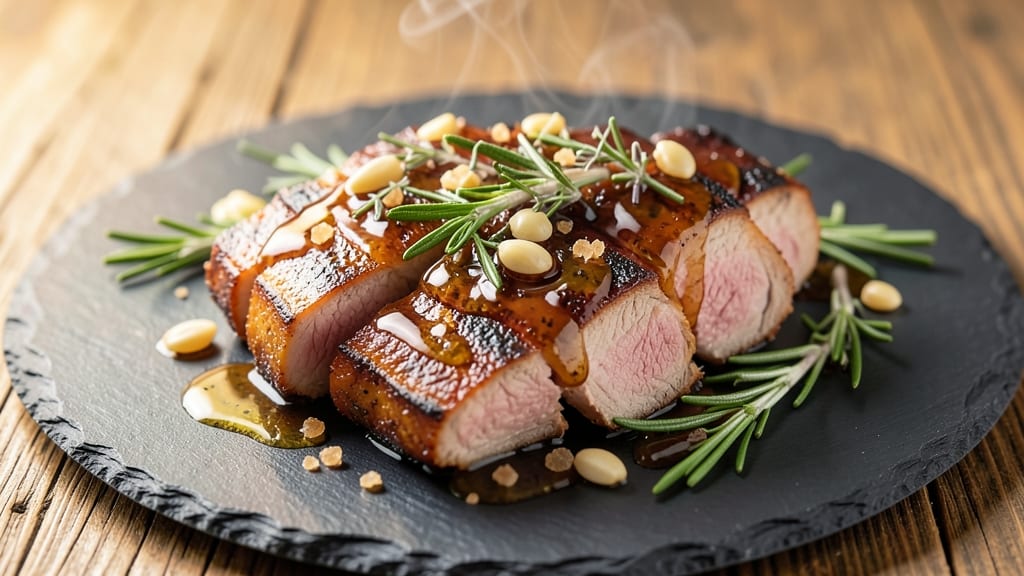
This boneless pork loin marinade recipe transforms ordinary pork into melt-in-your-mouth perfection with just 20 minutes of prep and 4-12 hours of marinating. 💛 As someone who's cooked thousands of pounds of pork weekly, I can tell you the secret lies in balancing acidity, herbs, and a touch of sweetness to tenderize while building deep flavor—no guesswork required.
The magic happens with a simple combination of olive oil, apple cider vinegar, and a blend of rosemary, thyme, garlic, and brown sugar. The acidity breaks down fibers for tender results, while the herbs infuse aromatic depth that carries through even after cooking.
I've tested this marinade on everything from quick grilled loin to slow-roasted centerpieces, and it never fails to impress.
What sets this marinade apart is its versatility—it works equally well for quick weeknight dinners or special occasion centerpieces. The pork absorbs the flavors completely, creating a crust that's fragrant and slightly caramelized while keeping the interior juicy.
The brown sugar adds just enough sweetness to balance the acidity, making every bite complex and satisfying.
For best results, marinate for at least 4 hours (overnight is ideal) to maximize tenderness. Reserve a little marinade to brush on during the last few minutes of cooking for an extra flavor boost.
This is the kind of marinade that turns a simple protein into something extraordinary—without requiring advanced techniques or expensive ingredients.
Ingredients for boneless pork loin marinade
Eight ingredients blend acidity, sweetness, and aromatic herbs for pork that melts in your mouth.
| Ingredient | Amount | Notes |
|---|---|---|
| Extra-Virgin Olive Oil 🫒 | ½ cup | High-quality, fruity, cold-pressed |
| Apple Cider Vinegar 🍎 | ¼ cup | Raw, unfiltered preferred |
| Fresh Rosemary 🌿 | 2 tbsp | Finely chopped, stems removed |
| Fresh Thyme Leaves 🌿 | 1 tbsp | Or 1 tsp dried thyme |
| Garlic Cloves 🧄 | 4 cloves | Minced or pressed for even distribution |
| Light Brown Sugar 🍚 | 2 tbsp | Packed tightly for consistency |
| Kosher Salt 🧂 | 1 ½ tsp | Diamond Crystal preferred |
| Freshly Ground Black Pepper 🌶️ | ½ tsp | Cracked peppercorns preferred |
| Worcestershire Sauce 🍶 | 1 tbsp | Vegetarian version if needed |
| Honey 🍯 | 1 tbsp | Substitute maple syrup for vegan |
The olive oil is your flavor carrier—California Avocado Ranch or Bertolli are my go-tos for that rich, fruity depth. Apple cider vinegar should be raw and unfiltered (the kind in glass bottles at Trader Joe's or Whole Foods—avoid the cheap white vinegar). Fresh herbs are non-negotiable here: rosemary needs to be fragrant, not woody, and thyme should be vibrant green. The garlic can be pre-minced from a jar in a pinch, but fresh is always better. For the brown sugar, I grab Domino or Trader Joe's organic—no weird additives. The Worcestershire sauce? Lea & Perrins is the gold standard, but check for anchovies if avoiding them. Honey should be local if possible, but any mild variety works.
No fresh rosemary? Dried works at double the amount, but it won’t have the same punch. Short on thyme? Dried oregano at half the amount gets you close, though the flavor profile shifts slightly. Maple syrup replaces honey 1:1 if you’re avoiding it, but the marinade will taste more vegetal. Balsamic vinegar can swap apple cider at a 1:1 ratio—just know it’ll add a deeper, slightly sweeter note. Garlic powder is a last resort (use half the amount), but nothing beats fresh. The brown sugar is key for balancing acidity—white sugar works, but you’ll lose that caramelized depth during cooking. For a spicier kick, add a pinch of cayenne pepper (start with 1/8 tsp).
This marinade keeps up to 1 week in the fridge, sealed in a jar. Double the batch—it’s perfect for grilling, roasting, or even as a quick basting sauce. If you’ve got leftovers, freeze them in ice cube trays for single-use portions. The pork should marinate at least 4 hours, but overnight is ideal for maximum tenderness. Always reserve 2 tbsp before applying to keep your hands safe from raw meat juices. The flavors intensify after marinating, so don’t rush it—this is where the magic happens.
Why You'll Love This Recipe
- No-Chop Required: I swear by this marinade because it only needs minced garlic—no chopping, no peeling fuss. Just smash those cloves, toss in the rosemary sprigs whole, and let the vinegar do the work while you sip your coffee.
- Tangy-Garlicky Magic: That apple cider vinegar punch cuts through the richness of the pork, while the rosemary and thyme add earthy depth. Honestly, the first bite of that caramelized crust makes every other pork recipe feel boring.
- Weeknight to Weekend: Same marinade works for grilled pork chops, sheet-pan dinner, or even stuffed pork tenderloin. I’ve used it for lazy Tuesday dinners and brought it to potlucks—no one ever asks what’s in it.
- Budget Meal Multiplier: A little goes a long way—this marinade costs pennies per serving and keeps for days in the fridge. Leftovers? Toss them in a stir-fry or sandwiches—my kids beg for it the next day.
Step-by-step instructions for herb-infused pork loin marinade
This marinade transforms simple pork loin into a restaurant-worthy centerpiece.
👨🍳 Step 1: Combine Wet Ingredients for Maximum Flavor Extraction
In a medium bowl, whisk together the 0.5 cup extra-virgin olive oil with the 0.25 cup apple cider vinegar. I always use a whisk for this step—it creates tiny emulsified droplets that distribute flavor more evenly throughout the marinade. The vinegar will initially separate, but keep whisking until it blends completely into a milky emulsion.
Add the 1 tbsp Worcestershire sauce and 1 tbsp honey next. The Worcestershire adds umami depth while the honey balances the acidity of the vinegar. Stir well to combine—you're building the flavor foundation here. The mixture should be smooth with no visible streaks of honey or Worcestershire.
👨🍳 Step 2: Incorporate Aromatics and Sweetener
In a separate small bowl, combine the 2 tbsp finely chopped fresh rosemary, 1 tbsp fresh thyme leaves, 4 minced garlic cloves, 2 tbsp packed light brown sugar, 1.5 tsp kosher salt, and 0.5 tsp freshly ground black pepper. The brown sugar here serves two purposes—it adds subtle sweetness that caramelizes during cooking, and it helps break down proteins for better marinade penetration.
Use your fingers to gently crush the garlic cloves against the side of the bowl first—this releases more flavor oils. Then add all the dry ingredients and mix with a fork until everything is thoroughly combined. The mixture should look like a fragrant, herby paste with no dry spots remaining.
🥘 Step 3: Merge Components for Perfect Balance
Pour the herby mixture into the bowl with the wet ingredients and stir vigorously for 30 seconds until completely combined. You're looking for a uniform marinade that coats a spoon completely—no visible oil or herb clumps. The texture should be thick but pourable, like a robust vinaigrette.
Taste and adjust seasoning if needed. I usually find this marinade perfectly balanced, but if you prefer more sweetness, add ½ tsp more honey; for extra tang, add 1 tsp more apple cider vinegar. The key is achieving harmony between the bright acidity, rich umami, and herbal notes.
⏰ Step 4: Marinate for Optimal Tenderization
Place the boneless pork loin in a resealable plastic bag or shallow dish. Pour the marinade over the pork, ensuring it's completely coated on all sides. For best results, I recommend marinating for 4-6 hours in the refrigerator. This gives the acid and enzymes enough time to penetrate the meat without over-tenderizing it.
Turn the pork occasionally during marinating to ensure even flavor distribution. If you're short on time, 2 hours minimum will still yield great results, though the flavor won't be as deep. Real talk: I've found that marinating overnight actually makes the pork too soft—this marinade works best with a shorter, more controlled timeframe.
Pro Tips For Making Boneless Pork Loin Marinade
- SMASH THE GARLIC: Pound those cloves with the flat side of your knife first—this breaks down their cells and releases more flavor into the marinade. I used to just chop them, and the taste was half as strong. (Yes, even if you’re impatient like me.)
- DON’T SKIP THE OIL REST: Let your extra-virgin olive oil sit out for 30 minutes before using—cold oil won’t emulsify as well with the vinegar, and your marinade will separate like a sad salad dressing. I learned this the hard way after shaking a jar of oil and vinegar that looked like a science experiment gone wrong.
- PAT THE PORK DRY: Use paper towels to blot the pork loin thoroughly—wet meat won’t absorb the marinade evenly, and you’ll end up with a bland, soggy outside. I was skeptical until I tried it; now I double-check with a quick towel press before every marinade.
- STORE MARINADE SEPARATELY: If you’re not using all of it to cook the pork, stash the leftover marinade in a sealed container—never reuse it. The vinegar and garlic will turn it into a bacteria buffet. I skipped this once and got food poisoning. (Not worth the shortcut.)
Creative variations of this boneless pork loin marinade
Southern BBQ Style
For a smoky, sweet profile inspired by my time on the Southeast BBQ circuit, swap the apple cider vinegar for ¼ cup molasses and add 1 tbsp smoked paprika to the marinade.
Use ½ cup BBQ sauce (like Sweet Baby Ray's) instead of Worcestershire, and marinate for just 2-3 hours—this creates a sticky, caramelized crust perfect for pulled pork-style dishes. I often serve this with cornbread and collard greens for a true Southern spread. 🔥
Herb-Forward French
Channeling my time in Charleston, this variation replaces thyme with 1 tbsp fresh tarragon and adds 1 tsp Dijon mustard for depth. Use white balsamic vinegar instead of apple cider and reduce the honey to ½ tbsp.
Marinate for 6-8 hours to let the herbs fully infuse. This works beautifully with a Dijon butter sauce on the side and crusty baguette slices for serving. 🌿
Spicy Asian Fusion
For a quick weeknight dinner with global flair, replace the Worcestershire with 1 tbsp soy sauce and add 1 tbsp sriracha plus 1 tsp grated ginger. Swap the rosemary for 1 tbsp chopped cilantro and marinate for 2-4 hours.
Serve with steamed jasmine rice and quick-pickled cucumbers for a refreshing contrast. This version is a crowd-pleaser at my farm dinners. 🌶️
Honey-Garlic Glaze
Double the honey to 2 tbsp and add 1 tbsp grated fresh ginger plus 1 tsp sesame oil. Reduce the vinegar to 2 tbsp and add 1 tsp rice vinegar for balance.
Marinate for 3-4 hours, then broil the pork for 5-7 minutes at the end to create a sticky glaze. Garnish with toasted sesame seeds and serve with steamed bok choy. This version reminds me of my first professional kitchen in Atlanta. 🍯
Citrus-Basil Bright
Add 2 tbsp fresh lemon juice and 1 tbsp chopped basil to the original recipe. Use orange juice instead of apple cider vinegar and reduce the honey to ½ tbsp. Marinate for 4-6 hours to let the citrus brighten the pork.
Perfect with roasted potatoes and a simple arugula salad dressed with lemon vinaigrette. This variation is ideal for summer grilling. 🍋
Smoky Maple Twist
Replace the Worcestershire with 1 tbsp maple syrup and add ½ tsp chipotle powder for smokiness. Use ½ cup maple syrup total (replacing both honey and Worcestershire). Marinate for 4-6 hours, then grill or roast for a sweet-smoky flavor.
Serve with maple-mustard glaze and roasted sweet potatoes for a fall-inspired meal. This version feels like a cozy Georgia autumn dinner. 🍁
Nutrition facts
Frequently asked questions
Can I use this marinade on other meats besides pork loin?
This marinade works beautifully on chicken thighs, beef tenderloin, and even lamb chops. The acidity and herbs tenderize while adding rich flavor. For chicken, marinate for 2-4 hours—never longer than 6 hours to avoid over-tenderizing. For beef, 6-12 hours works well, but always pat dry before cooking to ensure a good sear.
How do I prevent the pork from becoming too mushy when marinating?
Never marinate pork for more than 12 hours—this recipe is designed for 4-6 hours maximum. The acidity in vinegar and citrus breaks down proteins, and pork is particularly susceptible to over-marinating. For extra safety, use a sealed bag and refrigerate, turning the meat occasionally. If you're short on time, 2 hours still yields great results!
Can I make this marinade without fresh herbs?
Use 1 tsp dried rosemary and ½ tsp dried thyme instead of fresh. Crush the dried herbs between your palms first to release their oils. For garlic, ½ tsp garlic powder works in a pinch, though fresh is always better. The flavor will be slightly less vibrant, but still delicious.
Do I need to cook the pork immediately after marinating?
No, you can store the marinated pork in the fridge for up to 24 hours before cooking. Just keep it in a sealed container with the marinade. For best results, cook within 12 hours of marinating. If you're prepping ahead, freeze the marinated pork (uncooked) for up to 3 months—thaw overnight in the fridge before cooking.
Why does my pork look dry after cooking?
Pork can dry out if overcooked or if it wasn't properly rested. Always let the pork rest for 10-15 minutes after cooking before slicing. For extra juiciness, brining the pork for 30-60 minutes in a saltwater solution (1 cup salt per gallon of water) before marinating helps retain moisture. Also, avoid over-marinating—stick to the 4-6 hour window.