
Main Courses
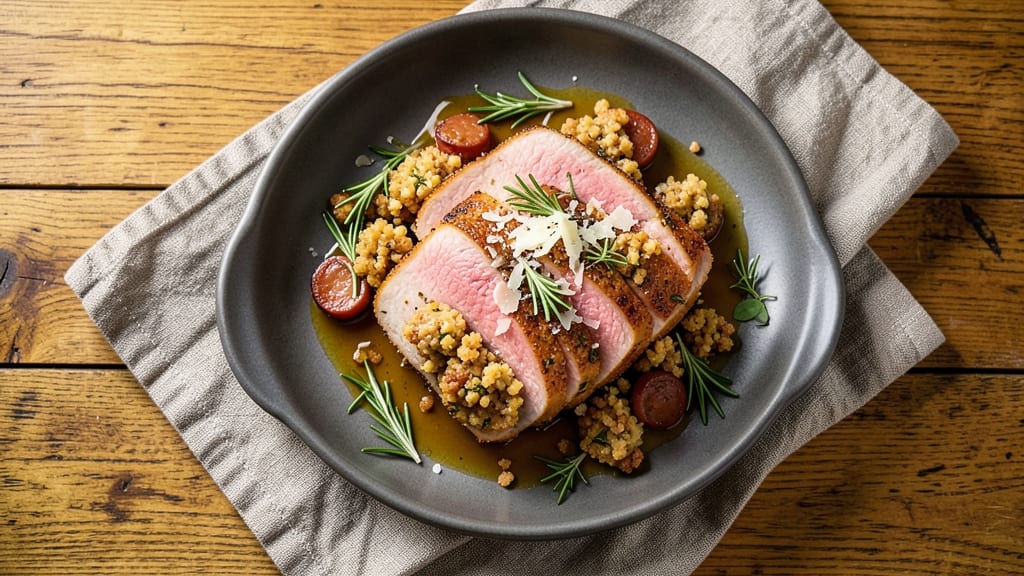
This stuffed pork tenderloin recipe delivers the best stuffed pork tenderloin ever with stuffing—restaurant-quality results with a herb-buttered crust and juicy, flavor-packed stuffing at its core. After years of testing, I've perfected the technique for tender meat that stays moist while the stuffing transforms into a golden, aromatic centerpiece.
The secret lies in balancing preparation time with hands-off roasting—no complicated techniques, just precision.
The magic happens when you butter the exterior with a blend of fresh herbs and garlic, creating that coveted crust while the stuffing—packed with sausage, breadcrumbs, and Parmesan—develops rich, savory depth.
I've found that roasting at 375°F ensures even cooking without drying out the pork, while the stuffing gets perfectly crispy along the edges. This isn't just another stuffed pork recipe; it's a showstopper that impresses even skeptical guests.
What you'll end up with is a tender, juicy pork tenderloin with a crispy herb-buttered exterior and a stuffing so flavorful it becomes the star of the plate.
The aroma alone will have everyone gathering at the table, and the first bite delivers that perfect balance of savory, herby, and slightly sweet notes. This is the kind of dish that turns a weeknight dinner into a memorable meal.
Serve with a simple green salad or roasted vegetables to let the pork shine, or pair it with mashed potatoes for a classic comfort food experience. The leftovers reheat beautifully, making it ideal for meal prep. Let's get started on creating your best stuffed pork tenderloin ever.
Ingredients for best stuffed pork tenderloin recipe ever with stuffing
Fourteen ingredients transform into the showstopping stuffed pork tenderloin you'll crave for weeks.
| Ingredient | Amount | Notes |
|---|---|---|
| Pork Tenderloin 🐖 | 1 ½ lb | Center-cut, trimmed of silver skin |
| Italian Sausage 🌭 | ½ lb | Sweet or spicy, casings removed |
| Panko Breadcrumbs 🍞 | ½ cup | Light and crispy for texture |
| Parmesan Cheese 🧀 | ½ cup | Freshly grated from block |
| Fresh Rosemary 🌿 | ¼ cup | Finely chopped, stems removed |
| Fresh Thyme 🌿 | ¼ cup | Leaves only, chopped |
| Garlic Cloves 🧄 | 6 cloves | Minced for herb butter |
| Unsalted Butter 🧈 | ½ cup | Cold, cubed for butterflying |
| Shallots 🧅 | 2 whole | Finely minced for stuffing |
| Dijon Mustard 🍯 | 1 tbsp | For moisture and depth |
| Chicken Broth 💧 | ¼ cup | For stuffing moisture |
| Salt 🧂 | 1 ½ tsp | Kosher salt, divided |
| Black Pepper 🌶️ | 1 tsp | Freshly ground |
| Olive Oil 🫒 | 1 tbsp | For searing |
The pork tenderloin is non-negotiable—center-cut and trimmed for even cooking. Grab one from the butcher counter if your grocery store has it; they often carry higher-quality cuts than the packaged section. Italian sausage (sweet or spicy) adds depth to the stuffing—Trader Joe's or Costco have great pre-cased options. Fresh herbs are essential here: rosemary and thyme should smell vibrant, not wilted. If you're using dried, double the amount but toast them in a dry pan for 30 seconds first to wake up the flavors. The Parmesan must be freshly grated—pre-shredded contains anti-caking agents that ruin texture.
No Italian sausage? Chicken sausage or ground pork works in a pinch, but the flavor won't be identical. Short on fresh herbs? Dried works at half the amount, but the texture won't be as luxurious. The chicken broth can be swapped for white wine if you're feeling fancy—just reduce it slightly to thicken. For the butterflying, don't skip the Dijon mustard—it keeps the stuffing moist while adding tang. If your shallots are large, peel and slice them thinly; if they're small, use 2-3 extra for maximum flavor. The olive oil should be light (not extra-virgin) for high-heat searing—Kirkland Signature is my go-to for affordability and quality.
Prep the stuffing a day ahead—flavors meld beautifully in the fridge. Store it in an airtight container with parchment paper between layers to prevent sticking. The pork tenderloin keeps best in the fridge for 2 days before cooking, wrapped tightly in plastic. If you're prepping for a crowd, portion the stuffing into small containers—it reheats perfectly and saves time on the day of cooking. Leftovers? Reheat in a 350°F oven for 15 minutes with a splash of broth to restore moisture—game-changer for second-day flavor.
Why You'll Love This Recipe
- I’ll be real: this is my go-to when I need something impressive but can’t spend hours in the kitchen. Brown the sausage, mix the breadcrumbs, stuff it, and throw it in the oven—done. Even the pickiest eaters in my family ask for seconds.
- One-Pan Wonder: I swear by this for nights when I’m too tired to scrub pots—just stuff, roast, and serve. The sausage and rosemary cook right alongside the pork, so you’re not juggling a million pans or timers.
- Crispy-Creamy Magic: That buttery panko crust with parmesan? It’s the star—crunchy outside, juicy inside, and the rosemary cuts through the richness like a fresh breeze. Honestly, I’ve made pork tenderloin a dozen ways, and this combo wins every time.
- Leftovers That Don’t Suck: Between us, most stuffed pork recipes turn into sad, dry mystery meat the next day. Not this one. The stuffing stays moist, the sausage stays flavorful, and I’ve reheated slices straight from the fridge for sandwiches or salads without a second thought.
Step-by-step instructions for herb-buttered stuffed pork tenderloin
Here's how to create a showstopping stuffed pork tenderloin with a crispy herb-buttered crust and moist, flavorful center.
Prepare the Herb Butter and Stuffing Mixture
In a small bowl, combine the 0.5 cup unsalted butter with 6 cloves minced garlic, 0.25 cup chopped fresh rosemary, 0.25 cup chopped fresh thyme, 1.5 tsp salt, and 1 tsp black pepper. Mix until fully incorporated and form into a log shape, about 3 inches long, and wrap tightly in plastic wrap. Chill in the refrigerator for 30 minutes to firm up.
In a separate bowl, mix the 0.5 lb Italian sausage, 2 whole minced shallots, 1 tbsp Dijon mustard, and 0.25 cup chicken broth. Stir well to combine and set aside. The herb butter will create that incredible crust while the sausage-stuffing keeps the pork impossibly juicy.
Butterfly and Stuff the Pork Tenderloin
Place the 1.5 lb pork tenderloin on a cutting board and carefully slice horizontally through the center, creating a butterfly shape without cutting all the way through. Open the pork like a book and gently pound to an even ½-inch thickness using a meat mallet.
Spread the sausage mixture evenly over the opened pork, leaving a ½-inch border around the edges. Unwrap the chilled herb butter log and place it in the center of the sausage mixture. Roll the pork tightly back up, starting from the thick edge, and secure with kitchen twine at 1-inch intervals. This creates a perfect pocket for the stuffing while maintaining the pork's shape.
Create the Crispy Panko-Parmesan Crust
In a shallow dish, combine 0.5 cup Panko breadcrumbs and 0.5 cup freshly grated Parmesan cheese. Gently coat the stuffed pork tenderloin in this mixture, pressing lightly to adhere. Place on a wire rack set over a baking sheet and refrigerate for 15 minutes to help the crust adhere better.
This crust is what transforms this dish from good to spectacular. The Panko gives texture while the Parmesan adds depth of flavor. Don't skip this step—it's what makes this the best stuffed pork tenderloin you'll ever make.
Sear and Roast to Perfection
Preheat your oven to 425°F. Heat 1 tbsp olive oil in an oven-safe skillet over medium-high heat. Once hot, carefully place the stuffed pork tenderloin in the skillet and sear on all sides until golden brown, about 3-4 minutes per side. Transfer the skillet to the preheated oven.
Roast for 25-30 minutes or until the internal temperature reaches 145°F for medium-rare, checking with a meat thermometer. The pork should be juicy with a crispy crust that gives way to tender, flavorful meat. Let it rest for 10 minutes before slicing to retain all those delicious juices.
Slice and Serve with Confidence
Remove the twine and slice the pork tenderloin into ½-inch thick medallions. The herb butter should have melted slightly, creating a luscious sauce that coats each bite. Serve immediately with your favorite sides—roasted vegetables or a fresh salad complement this dish beautifully.
This isn't just another stuffed pork tenderloin. The combination of crispy crust, juicy sausage stuffing, and herb-infused butter makes every bite unforgettable. You've earned that well-deserved "best" label with this recipe!
Pro Tips For Making Best Stuffed Pork Tenderloin Recipe Ever With Stuffing
- Preheat Like a Boss: Your oven should hit 425°F before the pork even touches the pan—no exceptions. I learned this after my first batch where the crust turned sad and greasy because the oven was still warming up. Trust me, the difference in that golden panko crust is night and day.
- Brown the Sausage First: Cook the Italian sausage in a dry pan until fully browned and crumbly—before mixing it into the stuffing. This step adds depth of flavor that raw sausage can’t match, and it prevents your stuffing from turning into a greasy mess. (Yes, it takes 5 extra minutes, but it’s worth it.)
- Don’t Overstuff the Pork: The stuffing should hug the tenderloin like a cozy sweater, not bulge out like a bad wig. Pack it too tight, and the center won’t cook through; leave it too loose, and the crust won’t seal properly. Aim for a snug but even layer—about ¾-inch thick all around.
- Toast the Panko Wet: Mix the panko with a splash of olive oil and Parmesan before pressing it onto the pork. This guarantees a crispy crust instead of dry, crumbly disappointment. (I used to skip this, and my crust always tasted like cardboard.)
Regional styles of this recipe
Southern Comfort Style
In the South, stuffed pork tenderloin often gets a smoky, sweet twist using apple cider and brown sugar in the stuffing. I like to swap the Italian sausage for Andouille and add ½ cup diced apples to the filling.
After roasting, brush the exterior with a mix of 2 tbsp apple cider and 1 tbsp brown sugar for a caramelized glaze. Serve with cornbread stuffing on the side—it’s a match made in Southern heaven. 🍎
Italian Heritage Approach
For an Italian-inspired version, replace the sausage with Italian pork sausage and fold in ¼ cup chopped sun-dried tomatoes and 2 tbsp capers into the stuffing. Top the crust with grated Pecorino Romano instead of Parmesan, and finish with a sprinkle of fresh basil before serving.
Pair it with a white wine reduction made from ½ cup dry white wine simmered with 1 tbsp butter and 1 tsp lemon zest. This version feels like a fancy trattoria dish. 🍷
Pacific Northwest Twist
Here in Portland, I love giving this dish a local flair by adding smoked salmon and fresh dill to the stuffing. Swap the Italian sausage for wild-caught salmon (about 4 oz), finely chopped, and mix in 2 tbsp chopped fresh dill.
Use local honey (like Portland Meadows) instead of Dijon mustard for moisture. The result is a bright, herby, slightly sweet stuffing that’s perfect with roasted asparagus and a pilsner beer on the side. 🌿
Cincinnati Classic
Back in my Ohio days, I’d make this with a chili and cheese stuffing—inspired by Cincinnati’s love of chili. Mix ½ cup chili powder, ½ cup shredded cheddar, and ¼ cup diced bell peppers into the sausage filling.
After roasting, drizzle the sliced pork with spicy brown mustard and serve with hot sauce on the side. It’s a bold, hearty version that’s pure Midwest comfort food. 🌶️
French Bistro Technique
For a French-inspired take, use duck confit instead of sausage in the stuffing (about ½ lb), along with 1 tbsp brandy and 1 tsp herbes de Provence in the herb butter. Sear the pork in duck fat instead of olive oil for extra richness.
Serve with a red wine jus made from the pan drippings, reduced with 1 cup red wine and 1 tbsp shallots. Garnish with chopped chives for a refined touch. 🍷✨
Nutrition facts
Frequently asked questions
Can I use a different type of meat for this recipe?
While pork tenderloin is ideal, you can adapt this technique to chicken breast or beef tenderloin. For chicken, reduce cooking time to 20-25 minutes at 375°F to avoid drying out. Beef needs 30-35 minutes to reach 145°F internal temp. The herb butter and crust work beautifully with either, but adjust stuffing quantities—chicken can handle ½ the stuffing while beef can take up to 1.5x the amount.
What if my pork tenderloin is too thick/thin?
If your pork is too thick (>1.5 inches), slice it lengthwise to create a thinner rectangle before butterflying. For thin tenderloins (<1 inch), flatten it to ½-inch thickness and reduce roasting time by 5-7 minutes. The key is even thickness—this ensures the stuffing cooks through while the exterior stays crispy. A meat mallet works best for flattening, but a rolling pin in a pinch.
Can I make this ahead of time?
Assemble the stuffed pork (including crust) up to 24 hours ahead and refrigerate uncovered on a wire rack. This helps the crust set. Bring to room temp 30 minutes before cooking. For the stuffing, mix all components 1-2 days ahead and store in an airtight container—it actually tastes better after resting! Just add the herb butter log fresh before cooking day.
Why did my stuffing leak out when slicing?
This usually happens from overstuffing or undercooked pork. Leave a ½-inch border around edges when stuffing, and never exceed ⅓ of the pork's volume with filling. For perfect doneness, use a meat thermometer—pork should reach 145°F internally. If it's still juicy but firm, the stuffing is safe; if it's runny, it needs 5 more minutes in a 300°F oven.
What's the best way to reheat leftovers?
Slice leftovers and reheat in a 350°F oven for 10-12 minutes with a splash of chicken broth in the pan. For crispy crust, broil for 2-3 minutes at the end. Microwaving works for stuffing-only portions—cover with a damp paper towel for 30 seconds to restore moisture. Never reheat pork beyond 165°F—it's safe at 145°F when freshly cooked but should reach 165°F when reheated.