
Main Courses
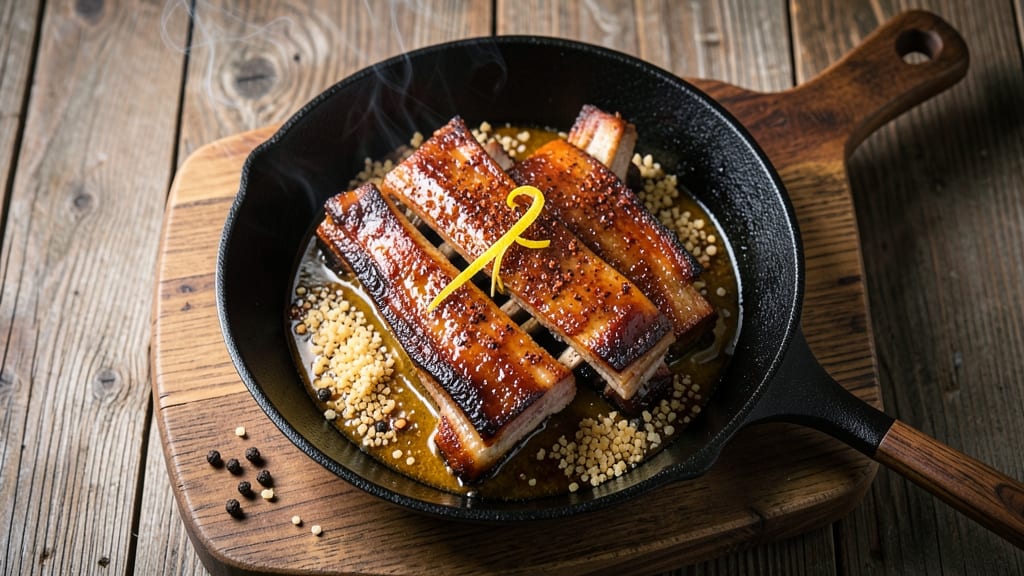
This bone-in country pork ribs recipe delivers the perfect balance of smoky bark and melt-in-your-mouth tenderness—juicy pink hearts that fall from the bone after 6 hours of slow cooking.
Growing up in small-town Georgia, I learned that the secret to great ribs isn’t just time, but patience and a dry rub that clings like second skin.
The ribs here develop a deep, caramelized crust while staying moist inside, thanks to a method I’ve perfected over years of competing in the Southeast BBQ circuit.
The process starts with a foolproof dry rub of brown sugar, paprika, and black pepper that creates the signature bark, while a simple brine ensures the meat stays tender.
Unlike many recipes that call for hours of babysitting, this method lets you set it and forget it—whether you’re using an oven, smoker, or even a pellet grill. The key is maintaining a steady 225°F temperature, which transforms tough connective tissue into silky, flavorful gelatin.
What you’ll end up with is a platter of ribs that’s restaurant-quality at home—glossy with smoke, crackling with crispness, and so tender it practically melts when you cut into it.
The bone-in technique adds depth of flavor, while the pink centers prove you don’t need to dry out the meat to achieve that perfect balance. Serve with classic BBQ sides like collard greens or cornbread for a meal that tastes like a Sunday supper.
This recipe works equally well for gatherings or weeknight dinners, scaling easily from a family of four to a crowd. The beauty of slow-cooked ribs is that they taste even better the next day, making them ideal for meal prep.
Let’s get started on mastering these ribs that’ll have everyone asking for seconds.
Ingredients for bone in country pork ribs
These ribs need just 13 ingredients to deliver restaurant-quality flavor—smoky, sweet, and juicy with tender pink centers.
| Ingredient | Amount | Notes |
|---|---|---|
| Bone-In Country-Style Pork Ribs 🍖 | 4 lb | Fresh cut, meaty ends included |
| Kosher Salt 🧂 | ½ cup | Diamond Crystal preferred |
| Brown Sugar 🍚 | ¼ cup | Light or dark, packed |
| Smoked Paprika 🌶️ | 2 tbsp | High quality for depth |
| Ground Black Pepper 🌶️ | 1 tbsp | Freshly cracked preferred |
| Garlic Powder 🧄 | 1 tbsp | Freshly ground if possible |
| Onion Powder 🧅 | 1 tbsp | For subtle sweetness |
| Yellow Mustard 🍯 | 2 tbsp | For brine adhesion |
| Apple Cider Vinegar 🍎 | ½ cup | For tenderizing |
| Honey 🍯 | ¼ cup | Local if available |
| Wood Chips (Hickory or Cherry) 🌳 | 2 cups | Unsoaked for smoker |
| Apple Juice 🍏 | 1 cup | For spritzing during cook |
| Aluminum Foil 📄 | 1 sheet | Heavy-duty preferred |
The ribs are everything here. Country-style cuts from the meaty end of the ribcage are ideal—they’ve got more meat and less bone, plus those beautiful meaty tips. Look for fresh cuts at your local butcher or grocery store meat department. If you can’t find country-style, stick with baby back ribs but trim excess fat. For the best results, buy them the day you plan to cook—freshness matters for that perfect bark. I always grab mine from Whole Foods or my local Butcher Shoppe—they know exactly what I need.
No smoked paprika? Regular paprika plus a pinch of liquid smoke works in a pinch. The honey can be swapped for maple syrup if you’re avoiding it, though it’ll have a slightly different flavor profile. For the brine, if you’re short on apple cider vinegar, white vinegar or lemon juice will do—just remember it’s more acidic. The wood chips are non-negotiable for that authentic smoky flavor, but if you’re oven-cooking, smoked salt can add depth. And if you’re cooking for a crowd, double the wood chips—you’ll want that smoke rolling constantly.
These ribs are made for leftovers. Wrapped in foil with a spritz of apple juice, they’ll keep for 3-4 days in the fridge, tasting even better the next day. For longer storage, freeze them unwrapped for up to 3 months—just thaw overnight in the fridge before reheating. The dry rub? Store it in an airtight container for up to 2 weeks. I always make extra—it’s perfect for spritzing other meats or even seasoning roasted potatoes. Trust me, you’ll want seconds.
Why You'll Love This Recipe
- Five-Ingredient Magic: I swear, that’s all it takes—just ribs, salt, sugar, paprika, and pepper. No fancy marinades or hours of prep. Honestly, the simplicity is what makes it foolproof every time.
- Smoky Sweet Crunch: The brown sugar caramelizes into a sticky glaze while the smoked paprika adds that deep, rustic warmth. That crispy edge with the tender meat? Chef’s kiss.
- Tailgate or Dinner Table: Between us, these ribs are my go-to for game days, potlucks, or lazy Sundays. They feed a crowd without breaking the bank, and the leftovers? Just as good reheated.
- Budget-Friendly Feast: Country ribs are cheaper than baby backs, and this method stretches them further. I’ll be real: my family begs for these, and I’m always happy to make another batch.
Step-by-step instructions for smoky, juicy country pork ribs
Here's how to transform tough ribs into melt-in-your-mouth perfection with that perfect smoky bark.
Create the Dry Rub and Prep the Ribs
In a medium bowl, combine the 0.5 cup kosher salt, 0.25 cup brown sugar, 2 tbsp smoked paprika, 1 tbsp ground black pepper, 1 tbsp garlic powder, and 1 tbsp onion powder. Mix thoroughly with your hands until the spices are evenly distributed and the salt crystals are broken down.
Pat the 4 lb bone-in country-style pork ribs completely dry with paper towels—this is crucial for that crispy bark. Then generously coat all sides of the ribs with the dry rub mixture, pressing it into the meat so it adheres well. The mustard and vinegar come later, but this dry rub needs time to penetrate the meat, so let the ribs sit uncovered in the refrigerator for at least 1 hour (or up to overnight). This resting period helps the rub work its magic and prevents the ribs from drying out during cooking.
Build the Smoker and Start the Cook
Set up your smoker with the 2 cups wood chips (hickory or cherry) and preheat it to 225°F. I like to use a water pan in the smoker to add moisture to the air, which helps keep the ribs tender. Once the smoker reaches temperature and you see clean, thin blue smoke (not thick white steam), place the ribs bone-side down on the smoker grates.
Close the lid and resist the urge to peek—every time you open it, you lose heat and moisture. Cook the ribs for 3 hours at this low temperature. This slow cook time is what transforms tough meat into tender, juicy perfection. After 3 hours, flip the ribs bone-side up and continue cooking for another 1 hour. This two-stage process ensures even cooking and helps develop that beautiful bark on all sides.
Spritz and Wrap for Maximum Juiciness
After the initial 4 hours of cooking, it's time to spritz the ribs. In a small bowl, mix together the 0.5 cup apple cider vinegar and 0.25 cup honey with the 1 cup apple juice. This spritzing solution adds moisture and sweetness to the ribs as they cook. Carefully open the smoker and use a basting brush to apply the mixture evenly over all sides of the ribs. Close the lid and continue cooking for another 1 hour.
Here's where the magic happens: after the 5-hour mark, wrap the ribs tightly in the 1 sheet aluminum foil. This technique, known as the "Texas crutch," helps the ribs push through the stall and reach that perfect probe-tender stage. The foil traps steam, which keeps the meat moist while the smoker continues to work its magic. Return the wrapped ribs to the smoker and cook for another 1 hour at 225°F. The ribs should now be fork-tender, with a probe sliding in like butter.
Finish with a Crispy Bark and Rest
Remove the ribs from the smoker and carefully unwrap them. Place them back on the smoker grates, bone-side up, and cook uncovered for 30-45 minutes at 225°F. This final step allows the moisture to evaporate from the surface, creating that beautiful, crispy bark that everyone loves. You'll know they're done when the bark is deep mahogany in color and the ribs are fork-tender all the way through.
Once the ribs are perfectly cooked, transfer them to a cutting board and let them rest for 15-20 minutes before serving. This resting period allows the juices to redistribute throughout the meat, ensuring that every bite is as juicy as the first. Serve the ribs with the pan juices drizzled over the top for extra flavor, and enjoy the fruits of your labor—smoky, tender, and absolutely delicious country-style pork ribs.
Pro Tips For Making Bone In Country Pork Ribs
- TRIM THE FAT CAPS: The thick layer of fat on the back of country ribs sticks like glue—skip trimming it. That fat renders down during cooking, basting the meat and keeping it juicy. I used to peel it off, and my ribs always ended up dry. Leave it intact unless you’re obsessed with presentation.
- SALT THE NIGHT BEFORE: Dry-brine the ribs overnight in a mix of kosher salt and black pepper (about 1 tablespoon salt per pound). It seasons deeper, tightens the meat, and cuts down on the need for extra salt during cooking. I learned this the hard way after over-salting a batch and ruining the texture.
- LOW AND SLOW ISN’T SLOW ENOUGH: These ribs need time—think 3 to 3.5 hours at 275°F, not the 2.5 hours most recipes suggest. The bones take forever to soften, and the meat stays tough if you rush. I’ve burned ovens waiting, but the payoff is worth it. Use a meat thermometer; the internal temp should hit 195°F at the thickest part.
- BROWN SUGAR ISN’T JUST FLAVOR: Don’t just sprinkle brown sugar on top—pat it into the meat, especially around the bones and edges. It caramelizes faster there, creating sticky, glossy pockets of flavor. I used to just dust it on, and the ribs tasted sweet but lacked depth. This step makes a real difference.
Essential equipment for this recipe
Smoker Essentials
You don’t need a fancy setup—just a reliable smoker that maintains 225°F consistently. I swear by my Traeger Pro 780 for its precision temperature control, but a Weber Smokey Mountain or even a charcoal grill with a smoker box works just fine.
For wood, stick with hickory or cherry chips—they add that classic BBQ flavor without overpowering the pork. I always soak my wood chips for 30 minutes before using them to prevent flare-ups. 🌳
Temperature Control
A digital meat thermometer is non-negotiable—it’s how you avoid guesswork. I recommend the ThermoWorks Smoke for its dual-probe accuracy. Keep the smoker temp within ±5°F of 225°F the whole time. If your smoker struggles, add unsoaked wood chips to the fire every 45-60 minutes to maintain smoke.
A water pan in the smoker also helps regulate moisture, which is key for tender ribs. 🌡️
Foil and Tools
Heavy-duty aluminum foil is your best friend for wrapping ribs—it traps steam and speeds up cooking. Grab a large sheet (at least 18x24 inches) to wrap them snugly. Don’t forget a basting brush for spritzing and a pair of tongs to handle the ribs without piercing them.
A sharp knife (like my Victorinox Fibrox) is also essential for trimming excess fat before cooking. 📄
Oven Alternative
No smoker? No problem. Use a large oven-safe roasting pan with a drip pan underneath. Place a wood chip packet (like Traeger’s) on the rack and cover the pan tightly with heavy-duty foil to trap smoke.
Set the oven to 225°F and cook the ribs using the same 6-hour method as the smoker. Just monitor the temp closely—ovens can fluctuate more than smokers. ⚡
Pellet Grill Perks
Pellet grills like the Camp Chef Woodwind are game-changers for ribs—they handle temperature swings better than ovens and give you smoky flavor without babysitting. Load up the hopper with hickory or cherry pellets, set the temp to 225°F, and let it do the work.
The automatic auger feeds pellets consistently, so you won’t have to fuss with adding wood chips. Just spritz and wrap like the smoker method. 🔥
Nutrition facts
Frequently asked questions
Why do country-style ribs need to cook longer than baby back ribs?
Country-style ribs come from the meatier, less uniform end of the ribcage with more connective tissue and fat. This extra connective tissue breaks down during slow cooking, creating that signature tenderness—it takes 6 hours at 225°F to transform tough meat into melt-in-your-mouth perfection. Baby back ribs cook faster because they're leaner and more uniform, but country-style ribs reward patience with deeper flavor and juiciness.
Can I use a different wood for smoking these ribs?
Hickory and cherry are your best bets for that classic BBQ flavor, but you can experiment! Pecan adds a slightly sweeter note, while applewood gives a milder, fruitier smoke. Avoid mesquite—it's too strong and can overpower the pork. For a balanced flavor, try mixing half hickory and half cherry wood chips. Just remember: soak them for 30 minutes before using to prevent flare-ups.
What's the best way to tell when the ribs are done?
Use the probe test: insert a meat thermometer into the thickest part of the meat (not touching bone). The ribs are perfect when they reach 195-203°F—the meat should slide off the bone like butter. You'll also see a deep mahogany bark and hear the bones crackle when you move them. Pro tip: The ribs will keep cooking for 10-15 minutes after removing from heat, so pull them out when they're slightly underdone.
Do I need to trim the fat from country-style ribs?
Not necessarily! The fat helps keep the meat moist during cooking, but trim any large chunks that could flare up or make the bark uneven. For extra crispiness, pat the ribs completely dry before applying the rub—this helps the spices stick and creates that perfect bark. If you're worried about grease, place a drip pan under the ribs on your smoker or grill.
How can I make these ribs ahead of time?
These ribs actually taste better the next day! Cook them completely, then store them wrapped in foil in the fridge for 3-4 days. Reheat by wrapping them in fresh foil and warming in a 275°F oven for 20-30 minutes. For longer storage, freeze them unwrapped (the bark stays crispier) for up to 3 months. Thaw overnight in the fridge before reheating. The flavors deepen as they rest, making them perfect for meal prep.