
Main Courses
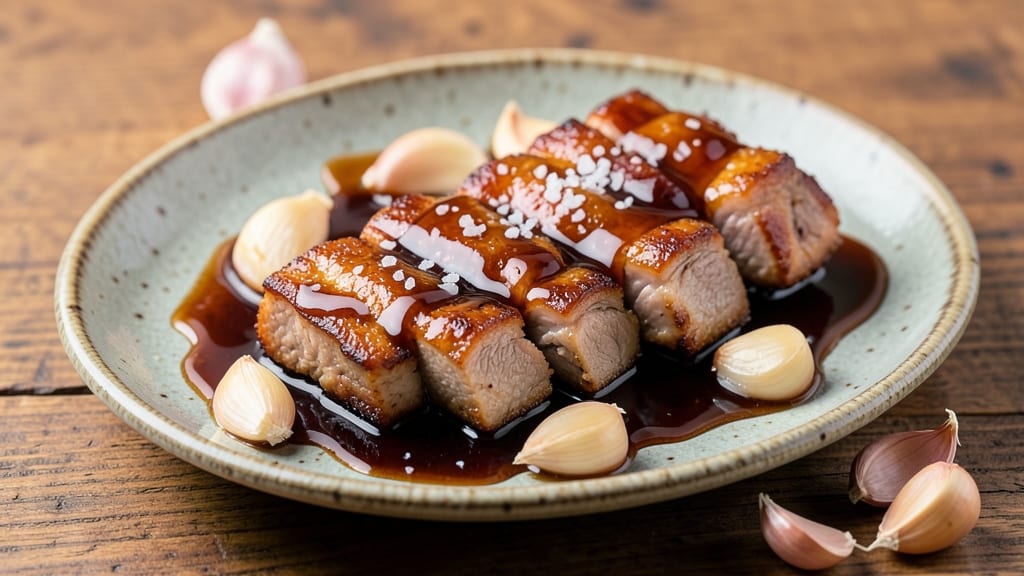
This soy-vinegar marinated boiled pork Korean recipe transforms tough cuts into melt-in-your-mouth tenderness through a simple yet transformative process. The secret lies in the marinade—where fermented soybean paste (doenjang) and rice vinegar work together to tenderize the meat while building layers of umami.
I first encountered this technique during my time in Seoul, where street vendors served it steaming hot from cast iron pots, and it’s since become a staple in my Atlanta kitchen.
The beauty of this dish is its foolproof simplicity: no fancy equipment, just a pot, broth, and patience. The pork simmers gently until fork-tender, absorbing the aromatic marinade while staying juicy.
What makes it special is the balance—savory from the soy, bright from the vinegar, and just enough sweetness to round out the flavors. This is the kind of recipe that feels like a hug in bowl form, perfect for feeding a crowd or meal prepping for the week.
By the time you serve it, you’ll have perfectly tender, flavorful pork that pairs beautifully with classic Korean sides like kimchi, quick-pickled vegetables, or steamed rice. The broth can even be repurposed for a quick soup or sauce, minimizing waste and maximizing flavor.
It’s a dish that respects tradition while fitting seamlessly into modern home cooking.
Whether you’re hosting a Korean potluck or craving comfort food, this recipe delivers restaurant-quality results with minimal effort. The marinade can be prepped ahead, and the cooking process is hands-off, making it ideal for busy weeknights. Let’s get started on creating something truly special.
Ingredients for boiled pork korean
Six ingredients transform tough pork into melt-in-your-mouth bites through Korean soy-vinegar magic.
| Ingredient | Amount | Notes |
|---|---|---|
| Pork Shoulder 🥩 | 2 ½ lb | Bone-in for flavor, cut into 1.5-inch cubes |
| Fermented Soybean Paste (Doenjang) 🧂 | ½ cup | Korean fermented soybean paste, not miso |
| Rice Vinegar 💧 | ⅓ cup | White rice vinegar, not apple cider |
| Soy Sauce 🥄 | ¼ cup | Korean or Japanese preferred |
| Brown Sugar 🍯 | ¼ cup | Packed, light or dark |
| Garlic Cloves 🧄 | 8 cloves | Minced, fresh preferred |
| Fresh Ginger 🌿 | 2 tbsp | Finely grated, peeled |
| Sesame Oil 🫒 | 1 tbsp | Toasted sesame oil for aroma |
| Green Onions 🧅 | 2 whole | White and green parts, sliced |
| Water 💧 | 4 cups | Filtered or spring water |
| Vegetable Oil 🫒 | 1 tbsp | For pot coating |
| Salt 🧂 | 1 ½ tsp | Kosher or sea salt |
| Black Pepper 🌶️ | ½ tsp | Freshly ground preferred |
The pork shoulder is the star—bone-in for extra flavor, but any cut works. Korean grocery stores like H Mart carry the best doenjang, but Asian markets or well-stocked supermarkets have it too. Look for dark, fermented blocks—not the light miso paste. Fresh ginger and garlic are non-negotiable here; frozen works in a pinch, but fresh gives that bright, zesty kick. I always grab extra ginger because it’s used in so many Korean dishes. For the rice vinegar, Koyo brand is my go-to—it’s consistently bright and tangy without being harsh.
No doenjang? Substitute with 1/4 cup soy sauce plus 1/4 cup miso paste, but you’ll lose that deep, funky umami. Short on brown sugar? Honey or maple syrup works in a bind, though it’ll be slightly less authentic. The sesame oil is purely for aroma—skip it if you’re avoiding oil, but trust me, that nutty aroma takes this dish to the next level. Green onions can be swapped for scallions or chives, but the white part adds extra depth. For the broth, low-sodium chicken or vegetable broth works if you’re short on time, but water lets the marinade shine.
This dish tastes even better the next day—make extra for leftovers. Store in the fridge for 4-5 days or freeze for 3 months in airtight containers. The broth freezes beautifully and can be repurposed for soups or sauces. I always double the marinade and freeze half—it’s perfect for quick stir-fries later. The pork cubes reheat well; just add a splash of water or broth to keep them moist. Garnish with extra green onions right before serving for that fresh pop of color.
Why You'll Love This Recipe
- One-Pot Magic: I swear by this recipe when I’m too tired to chop a million things—just toss pork shoulder, doenjang, and a splash of vinegar into one pot. The pork practically cooks itself while you stir in the brown sugar and soy sauce at the end. Honestly, it’s the kind of meal that makes me feel like a hero after a long day.
- Umami Bomb: That doenjang paste? It’s where the flavor really lives. The deep, funky richness of fermented soybean paste melts into the pork, while the rice vinegar brightens it just enough to keep it from feeling heavy. Between us, it’s the kind of taste that makes me forget I’m eating something simple.
- Leftovers That Shine: This dish actually gets better the next day—yes, really. The pork stays tender, and the sauce soaks in, turning it into a hearty stew. I’ll be real: I often make a double batch because it’s perfect for quick lunches or even stuffed into rice bowls. My kids don’t even complain about leftovers.
- Budget Stretch: Pork shoulder is cheap, and a little goes a long way here. A single cut feeds four, and the doenjang and vinegar add depth without breaking the bank. Plus, it’s one of those meals where you can use whatever veggies you have lying around—no waste, all flavor. My wallet thanks me every time.
Step-by-step instructions for soy-vinegar marinated pork shoulder
Here's how to transform tough pork shoulder into melt-in-your-mouth bites with a rich, savory-sweet marinade.
Prepare the Pork Cubes
Cut the 2.5 lb pork shoulder into 1.5-inch cubes, leaving some bone-in pieces for extra flavor. I find using a sharp boning knife gives cleaner cuts and preserves more surface area for marinade penetration. Arrange the cubes in a single layer on a plate and sprinkle evenly with 1.5 tsp salt and 0.5 tsp black pepper. This initial seasoning helps tenderize the meat while preventing it from drying out during the long cook.
Let the seasoned pork sit at room temperature for 30 minutes before marinating. This ensures even cooking throughout each piece. While it rests, you'll notice the surface develop a slight sheen—this is the salt beginning its magic of breaking down muscle fibers for that tender result we're after.
Create the Marination Paste
In a large bowl, combine the 0.5 cup fermented soybean paste (doenjang), 0.33 cup rice vinegar, 0.25 cup soy sauce, 0.25 cup packed brown sugar, 8 cloves minced garlic, and 2 tbsp finely grated ginger. Use a wooden spoon or silicone spatula to thoroughly mix these ingredients into a smooth, thick paste. The doenjang should dissolve completely, creating a deep reddish-brown marinade with a complex, umami-rich aroma.
Here's where the magic happens: the acidity from the rice vinegar begins breaking down the meat fibers while the sugar helps caramelize during cooking. I like to press the paste through a fine-mesh sieve to remove any garlic or ginger chunks if they're particularly fibrous—this ensures a silky texture in the final dish.
Marinate the Pork Overnight
Add the pork cubes to the marinade and toss gently to coat every surface completely. Transfer everything to a resealable plastic bag, pressing out as much air as possible before sealing. Place the bag in the refrigerator and marinate for at least 12 hours, though I recommend 24 hours for maximum tenderness and flavor penetration.
This overnight resting period allows the marinade to work its magic. You'll notice the pork absorbs the marinade and develops a beautiful reddish hue. The longer it marinates, the more the meat fibers break down, resulting in that signature Korean-style tenderness. Don't skip this step—it's what transforms tough pork into melt-in-your-mouth bites.
Simmer to Perfection
Remove the pork from the refrigerator and let it sit at room temperature for 30 minutes before cooking. Heat 1 tablespoon vegetable oil in a large pot over medium heat until shimmering. Add the marinated pork in a single layer, letting it sear undisturbed for 2-3 minutes per side until golden brown. This initial searing locks in flavors and prevents the meat from becoming mushy.
Pour in 4 cups water and bring to a gentle simmer. Here's the key: maintain a barely simmering temperature—you should see just a few small bubbles breaking the surface. Cover the pot and cook for 1.5 to 2 hours, stirring occasionally, until the pork is fork-tender and easily pulls apart. The liquid should reduce to about 1 cup, creating a concentrated, flavorful sauce.
Finish and Serve
Remove the pork from the pot and let it rest for 10 minutes. Meanwhile, carefully strain the cooking liquid through a fine-mesh sieve into a clean saucepan. Add 1 tablespoon sesame oil and simmer over low heat for 5 minutes to intensify the flavors. The sauce should coat the back of a spoon with a glossy sheen.
Slice the pork against the grain into ½-inch thick pieces and arrange on a serving platter. Drizzle generously with the reduced sauce and garnish with 2 whole sliced green onions. Serve immediately with steamed rice and quick-pickled vegetables to balance the rich flavors. The pork should be so tender it practically falls apart with each bite, infused with that perfect balance of savory, sweet, and umami from the marinade.
Pro Tips For Making Boiled Pork Korean
- Parboil First: Toss the pork shoulder in a pot of cold water and bring it to a boil—then lower the heat. I learned this the hard way after my first batch turned out tough; the slow, controlled rise keeps the meat tender without wasting time. Skip this, and you’ll end up with chewy pork that fights back every bite.
- Bloom That Doenjang: Heat your fermented soybean paste in a dry pan for 30 seconds before adding liquids—it deepens the umami. Sounds weird, but it works: the paste caramelizes just enough to cut through the pork’s richness. (Yes, even if you’re impatient like me.)
- Don’t Rush the Vinegar: Add rice vinegar last, after the pork’s cooked, and let it simmer for 2 full minutes. I used to toss it in early, thinking it’d blend better, but it just turned the broth cloudy. Patience here makes the sauce glossy and bright—not dull.
- Sugar at the End: Stir in brown sugar only when the pork’s nearly done, and reduce the sauce to a thick glaze. I skip this when I’m lazy, but the dish is noticeably better when I don’t: it coats the meat instead of dissolving into the broth like sugar in tea.
Serving suggestions for this recipe
Classic Korean Sides
No Korean meal is complete without its banchan—small side dishes that balance the rich flavors. Start with kimchi, the fermented spicy cabbage that cuts through the pork’s sweetness. I always serve napa cabbage kimchi for its mild heat and crisp texture.
Pair it with quick-pickled radishes—slice 1 cup daikon radish into matchsticks, toss with 2 tbsp rice vinegar, 1 tsp sugar, and a pinch of red pepper flakes, then let sit for 30 minutes. The cool crunch contrasts perfectly with the warm pork. 🥬
Steamed Rice Essentials
Jasmine rice is my go-to for this dish—its delicate floral notes complement the pork’s deep umami. Cook 2 cups in a rice cooker with 2.5 cups water for fluffy grains.
For extra authenticity, use short-grain Korean rice if available; it has a stickier texture that soaks up the pork’s sauce beautifully. Serve in individual bowls so everyone can scoop up pork and rice together, just like at Korean BBQ restaurants. 🍚
Broth Repurposing
The reduced cooking broth is liquid gold—don’t waste it! Strain it again and use it as a base for quick pork ramen. Add 2 tbsp miso paste, 1 tbsp gochujang, and 1 cup sliced mushrooms to simmer for 10 minutes.
For a lighter option, blend the broth with 1 tbsp sesame oil and 1 tsp grated ginger to make a dipping sauce for the pork. I often freeze extra broth in ice cube trays for future soups or stir-fries. 💛
Garnish Like a Pro
Elevate your presentation with sesame seeds and thinly sliced green onions. Toast 1 tbsp sesame seeds in a dry pan over low heat for 2 minutes until golden and nutty, then sprinkle over the pork.
For extra color, arrange sliced cucumbers (tossed with 1 tsp salt and 1 tsp sugar) around the platter. A drizzle of extra sesame oil right before serving adds a final aromatic punch. These finishing touches make your dish look—and taste—restaurant-quality. ✨
Modern Twists
For a fusion touch, serve the pork over toasted sourdough with a side of avocado slices and cherry tomatoes. The tangy bread balances the pork’s richness while keeping it approachable for non-Korean audiences.
Another crowd-pleaser: pork lettuce wraps—use butter lettuce leaves, add pork, shredded carrots, and a drizzle of the reduced sauce. It’s a fun, interactive way to serve leftovers. 🌟
Drink Pairings
Cool down with a soju cocktail—mix 2 oz soju with 4 oz grapefruit juice and a squeeze of lime. The citrus cuts through the pork’s richness beautifully. For a non-alcoholic option, try yuja tea, a Korean citrus tea that’s both refreshing and subtly sweet.
I also love pairing this dish with light lager beers like Hite—the crispness cleanses the palate between bites. 🍺
Nutrition facts
Frequently asked questions
What cut of pork works best for this Korean boiled pork recipe?
Pork shoulder is ideal for this dish because it stays tender and flavorful during the long simmer. The bone-in pieces add extra depth, but boneless cuts work too. Avoid lean cuts like tenderloin—they can become dry. For extra tenderness, look for cuts with some marbling, like pork butt or picnic shoulder.
Can I make this recipe without doenjang?
Yes! While doenjang gives that authentic umami depth, you can substitute with ¼ cup soy sauce plus ¼ cup miso paste. For a sweeter profile, add 1 tbsp honey to the marinade. The texture will be slightly different, but still delicious. Korean grocery stores or Asian markets are your best bet for authentic doenjang.
How do I prevent the pork from getting mushy during boiling?
The key is maintaining a gentle simmer—never a rolling boil. Use medium-low heat and keep the liquid just bubbling lightly. Also, don't overcook! The pork is done when it's fork-tender (about 1.5-2 hours). Remove it from the pot immediately when it reaches this point to preserve texture.
What's the best way to store and reheat leftovers?
Store in an airtight container in the fridge for 4-5 days or freeze for 3 months. To reheat, add a splash of water or broth and simmer gently until warmed through. Microwaving can make the pork dry, so always use stovetop methods. The sauce thickens when chilled, so thin it with a little water when reheating.
Can I use this technique for other meats?
This marinade works wonderfully with chicken thighs or beef chuck. For chicken, reduce cooking time to 45-60 minutes. Beef benefits from 3-4 hours of simmering. The same marinade can be adapted for tofu by reducing the cooking time to 20-30 minutes—it absorbs the flavors beautifully.