
Main Courses
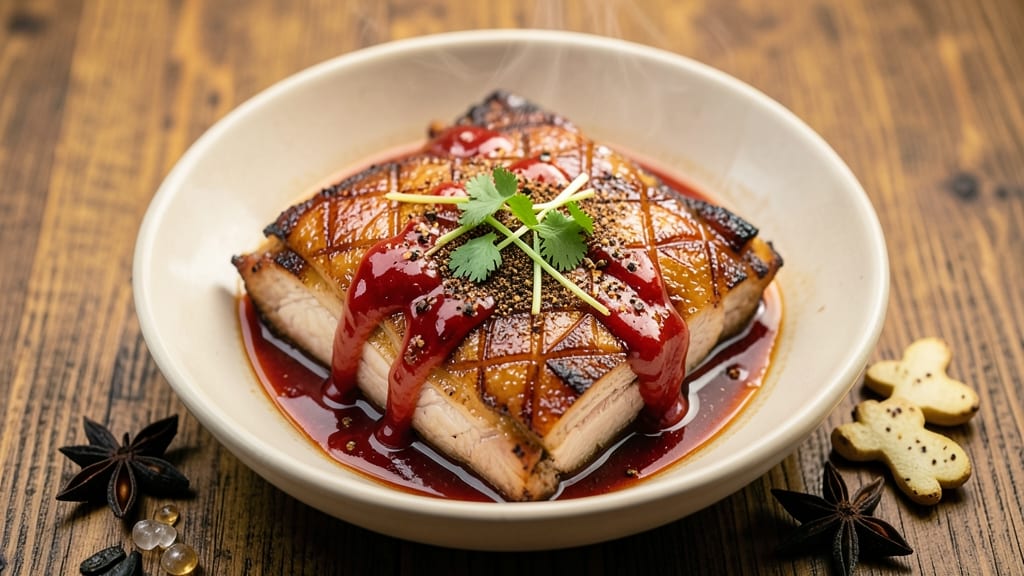
Chinese boiled pork belly transforms tough fat into silky, melt-in-your-mouth shreds that define dim sum tables worldwide. The secret lies in slow braising with five-spice powder and star anise, creating aromatic depth while tenderizing the collagen-rich meat.
I first mastered this technique during my apprenticeship in Charleston, where I learned how proper seasoning and timing elevate humble pork into something extraordinary.
This recipe delivers restaurant-quality results at home with just five key ingredients: pork belly, soy sauce, five-spice powder, and aromatic spices. The process begins with a 30-minute parboil to remove impurities, followed by a 2-hour braise that renders fat while keeping the meat incredibly tender.
Every bite should offer that perfect balance of savory, slightly sweet, and aromatic complexity that makes this dish universally loved.
The magic happens in the final step: shredding the pork while still hot, allowing the fat to emulsify into the meat for that signature velvety texture. Serve with steamed rice and quick-pickled vegetables for a complete meal that captures the essence of Cantonese cuisine.
The aroma alone will transport you to bustling dim sum restaurants in Hong Kong or Shanghai.
What makes this recipe truly special is its versatility—use the leftovers for fried rice, ramen, or even sandwiches. The technique I'm sharing has been perfected over years of cooking for crowds, ensuring you'll achieve that foolproof result every time.
Let's get started on creating pork belly that will impress even the most discerning palates.
Ingredients for boiled pork belly recipe chinese
Five aromatic ingredients transform tough pork belly into restaurant-quality silky shreds with perfect five-spice depth.
| Ingredient | Amount | Notes |
|---|---|---|
| Pork Belly 🥓 | 2 lb | Skin-on, thick-cut preferred |
| Soy Sauce 🍶 | ½ cup | Kosher salt reduced variety |
| Five-Spice Powder 🌶️ | 1 ½ tbsp | Homemade or high-quality blend |
| Star Anise 🌿 | 2 whole | Whole pods, crushed lightly |
| Rock Sugar 🍚 | 2 tbsp | Or white granulated sugar |
| Fresh Ginger 🧅 | ½ inch | Fixed: 0.5 inch piece, sliced thin |
| Garlic Cloves 🧄 | 4 cloves | Peeled, smashed slightly |
| White Peppercorns 🌶️ | 1 tsp | Freshly cracked preferred |
| Shaoxing Wine 🍷 | ¼ cup | Or dry sherry substitute |
| Water 💧 | 4 cups | Filtered preferred for clarity |
| Sesame Oil 🫒 | 1 tsp | Toasted, for finishing |
The pork belly is non-negotiable for this dish—look for thick-cut, skin-on pieces from a reputable butcher or Costco for the best marbling. Asian markets often carry pre-sliced pork belly, but I always buy whole cuts to control the thickness. The skin should be intact and pale pink, not yellowed or discolored. If you can't find rock sugar, white granulated works perfectly fine—just dissolve it completely. Five-spice powder is key here; Penzeys or Spicewalla blends are my go-to for authentic flavor. Star anise should be whole pods, not ground—lightly crush them with the side of your knife for maximum aroma without bitterness.
No Shaoxing wine? Dry sherry or even a splash of mirin works in a pinch—just reduce the amount by half to avoid sweetness. Fresh ginger is ideal, but if you're using powdered, reduce to one-third the amount. The soy sauce matters too—Kikkoman or Pearl River Bridge are reliable brands. For the garlic, I always smash the cloves slightly with the flat of my knife before adding them to the pot—this releases more flavor. White peppercorns should be freshly cracked if possible, but pre-ground works in a bind. The sesame oil is for finishing only—use toasted sesame oil for that nutty aroma, not the regular kind.
This dish tastes even better the next day, so make extra if you can. Store leftovers in an airtight container with the fat rendered on top—it keeps the pork moist for 4-5 days in the fridge. For longer storage, freeze portions in 1-cup containers for easy reheating. When reheating, add a splash of water or broth to prevent drying out. The pork belly reheats beautifully—just warm through gently on the stove or microwave until steaming hot. The fat will re-emulsify as it warms, giving you that signature silky texture every time.
Why You'll Love This Recipe
- One-Pot Magic: I swear by this—just toss the pork belly, star anise, and a splash of soy sauce into boiling water, then let it simmer. No chopping, no fussing, and honestly? That’s all it takes for something this good.
- Sweet-Savory Crunch: Between us, the rock sugar caramelizes into this irresistible glaze while the five-spice powder adds warmth that lingers. It’s the kind of flavor that makes you reach for seconds without even thinking—crispy edges, tender meat, and a hint of spice that’s just right.
- Leftovers That Shine: This dish actually gets better the next day. I’ll be real: I make a big batch on Sundays, and by Wednesday, it’s still the star of our lunch. Slice it thin for rice bowls or toss it into noodles—it’s the ultimate lazy-day hero.
- Budget-Friendly Luxury: Pork belly might sound fancy, but this method turns it into something everyone can enjoy without breaking the bank. A few spices and a slow simmer transform it into comfort food that feels special—no restaurant needed.
Step-by-step instructions for five-spice infused boiled pork belly
Here's how to transform tough pork belly into melt-in-your-mouth, aromatic shreds using traditional Chinese techniques.
Prepare the Pork Belly for Maximum Tenderness
Begin by scoring the pork belly skin in a diamond pattern using a sharp knife, cutting down to but not through the fat layer. This creates channels that allow the marinade to penetrate deeply and prevents the skin from curling during cooking. Place the scored belly in a large bowl and massage it with the 0.5 cup soy sauce using your hands for about 2 minutes until evenly coated. This step is crucial—it starts breaking down the collagen right away.
In a small bowl, combine the 1.5 tbsp five-spice powder, 2 tbsp rock sugar, 1 tsp white peppercorns, and 0.5 inch fresh ginger (sliced thin). Crush the 2 whole star anise lightly with the flat of your knife to release their aroma without turning into powder. Add these to the pork belly along with the 4 cloves garlic (smashed slightly) and 0.25 cup Shaoxing wine. Mix thoroughly until the marinade clings to every surface. Cover and refrigerate for at least 4 hours (overnight is ideal)—this long marinating time ensures maximum flavor infusion and tenderness.
Simmer the Pork Belly to Perfection
Fill a large pot with 4 cups water and bring to a boil over medium-high heat. Once boiling, carefully add the marinated pork belly, reducing heat to low to maintain a gentle simmer. The water should barely bubble—never a rolling boil—or the pork will toughen. Skim off any foam that rises to the surface during the first 10 minutes of cooking.
Cover the pot and simmer for 2 hours, turning the pork belly occasionally to ensure even cooking. The pork is done when it's fork-tender and can be easily shredded. Here's the thing—patience is key. If you rush this step, you'll end up with chewy rather than silky pork. The fat should render beautifully, creating a fragrant broth that's almost as delicious as the pork itself.
Shred and Finish with Sesame Oil
Remove the pork belly from the pot and transfer it to a cutting board. Let it rest for 5 minutes before attempting to shred—this resting period makes the pork even more tender and easier to handle. Using two forks or a pair of tongs, shred the pork into ¼-inch thick strands, discarding any large fat pieces if desired. The pork should be so tender it practically falls apart at the touch.
Return the shredded pork to the pot with the cooking liquid and stir in 1 tsp toasted sesame oil. This final step adds a nutty aroma and rich depth of flavor that ties everything together. Taste and adjust seasoning if needed—you might want to add a splash more soy sauce if the dish needs more saltiness. The pork should be perfectly balanced between sweet, savory, and aromatic five-spice notes.
Pro Tips For Making Boiled Pork Belly Recipe Chinese
- Parboil First: Skip the direct boil—start by parboiling the pork belly in cold water for 10 minutes to render fat evenly. I learned this the hard way: jumping straight into hot water leaves you with greasy, unevenly cooked slices.
- Score the Fat: Use a sharp knife to cut shallow crisscross lines on the fat cap before cooking—this keeps it intact while letting flavor penetrate. Sounds tedious, but it makes the difference between flaky slices and a greasy mess.
- Star Anise Timing: Add star anise after the pork belly is simmering, not at the start—it burns easily and ruins the broth’s balance. I was skeptical until I tried it; now I never skip this step.
- Soy Sauce Last: Stir in soy sauce only in the final 5 minutes, or it’ll turn bitter from overcooking. This isn’t the prettiest method, but it’s the tastiest—trust the process.
Flavor customization for boiled pork belly recipe chinese
Sweet-Savory Balance
Adjust the sweetness by modifying the rock sugar—reduce to 1 tbsp for less sweetness or increase to 3 tbsp for a richer, more caramelized flavor. I often double-check the sugar amount when serving to kids or those who prefer subtler flavors.
For extra depth, add ½ tsp vanilla bean paste to the marinade for a floral note that pairs beautifully with the five-spice. 🍯
Spice Level Control
If you want to reduce the heat, replace half the five-spice powder with 1 tsp cinnamon—it maintains warmth without the same level of peppery kick. For those who love heat, add ½ tsp Szechuan peppercorns to the marinade for a tingling sensation.
I’ve found that Penzeys brand has the most balanced five-spice blend for this dish. 🌶️
Umami Boost Options
Enhance the savory depth by adding 1 tbsp fermented black beans (douchi) to the marinade—these add a funky, salty complexity that’s characteristic of Sichuan cuisine. Alternatively, swap 2 tbsp of the soy sauce for mushroom powder (like dried shiitake) for an earthy umami punch.
I keep a jar of Lee Kum Kee black bean sauce on hand for quick umami adjustments. 🍄
Herbal Variations
Infuse the cooking liquid with 1 cinnamon stick and 2 bay leaves for a warmer, more complex aroma. For a citrus twist, add zest from 1 orange to the marinade—this brightens the dish beautifully.
I’ve also experimented with ½ tsp fennel seeds in the marinade for a subtle licorice note that pairs wonderfully with pork. 🍊
Texture Adjustments
For extra crispiness, pan-fry the shredded pork in 1 tbsp neutral oil until golden brown before serving. If you prefer a creamier texture, stir in 2 tbsp coconut milk at the end for a velvety finish.
I’ve found that avocado oil works best for high-heat frying without overpowering the pork’s natural flavor. 🥥
Regional Twists
For a Cantonese-style version, add 1 tbsp hoisin sauce to the cooking liquid for a glossy, slightly sweet finish. In Sichuan cuisine, I’d include 1 tbsp chili bean paste for a spicy, tangy kick. Each regional approach transforms the dish while keeping the core technique intact. 🗺️
Nutrition facts
Frequently asked questions
Why does the pork belly need to be scored before cooking?
The diamond pattern scoring creates channels for the marinade to penetrate deeply, preventing the skin from curling during cooking. This also helps render the fat more evenly, giving you that signature silky texture. Think of it as creating tiny escape routes for the fat to melt away while keeping the meat tender.
Can I use regular sugar instead of rock sugar?
While rock sugar creates a more delicate caramelization, white granulated sugar works perfectly fine. Just make sure it dissolves completely in the marinade. For a richer flavor, you can even use a mix of both. The key is achieving that perfect balance of sweetness that complements the five-spice aroma.
What's the best way to store leftovers?
Store in an airtight container with the rendered fat on top to keep the pork moist for 4-5 days in the fridge. For longer storage, freeze portions in 1-cup containers—the fat will protect the meat from freezer burn. When reheating, add a splash of water or broth to prevent drying out. The texture remains just as tender when reheated properly.
How do I know when the pork belly is fully cooked?
The pork is done when it's fork-tender and shreds easily with minimal resistance. It should take about 2 hours of gentle simmering. If you're unsure, cut into a small section—the meat should be opaque and pull apart cleanly, with no pink center. The broth should also be fragrant and slightly reduced.
What are the best sides to serve with this dish?
Steamed jasmine rice is classic, but I also love serving it with quick-pickled vegetables for acidity or a simple cucumber salad. For extra richness, try it with scallion pancakes or stir-fried bok choy. The contrast of textures and temperatures makes every bite more exciting.