
Sauces & Condiments
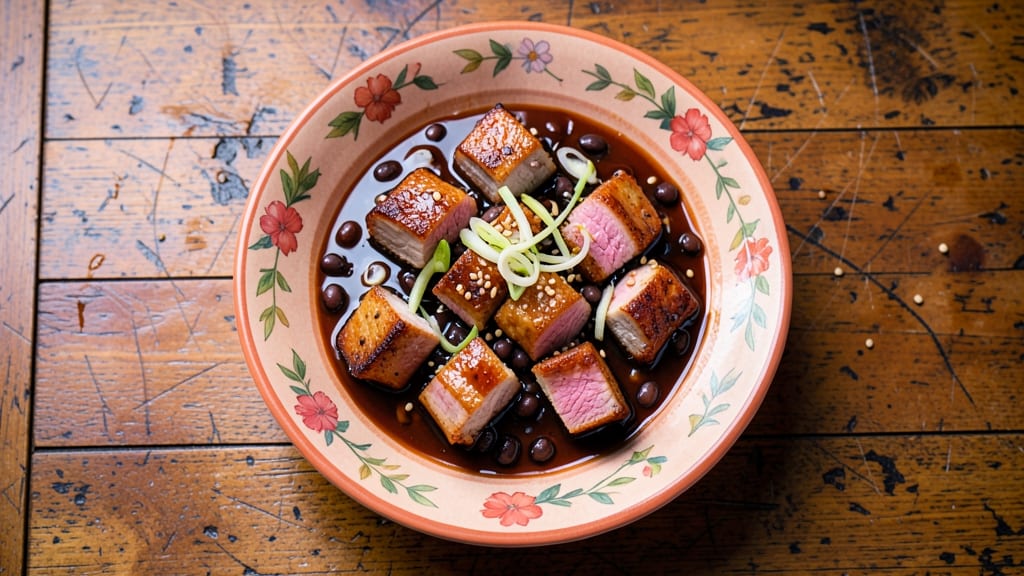
This black bean sauce pork recipe delivers restaurant-quality stir-fry with silky texture and deep umami flavor in under 45 minutes.
The secret lies in a rich black bean sauce that transforms simple pork into something extraordinary—something I perfected during my apprenticeship under Chef Chen, where we learned that patience in sauce reduction makes all the difference. That first bite of tender pork coated in glossy, savory sauce? Game-changing.
The magic happens with a two-step approach: first searing the pork until golden and caramelized, then simmering it in a sauce reduced to perfect consistency. We're talking bold flavors from fermented black beans, ginger, and garlic that mingle with the natural sweetness of the meat.
This isn't just another stir-fry—it's a dish that balances smoky depth with subtle sweetness, creating harmony in every bite.
What you'll end up with is restaurant-quality pork that's tender yet firm, coated in a glossy sauce that clings beautifully. The texture is where this dish truly shines—silky pork that melts in your mouth while maintaining structure, all balanced by the sauce's velvety richness.
This recipe serves as both a weeknight meal and an impressive dinner party dish, proving you don't need hours to create something special.
Serve it over steamed rice or with crusty bread to soak up every last drop of that incredible sauce. The leftovers? Even better the next day as the flavors deepen. Let's get cooking—this pork stir-fry is about to become your new favorite weeknight staple.
Ingredients for black bean sauce pork
Restaurant-quality stir-fry starts with these bold, umami-packed ingredients—each playing its part in silky pork perfection.
| Ingredient | Amount | Notes |
|---|---|---|
| Pork Shoulder 🥩 | 1 ½ lb | Cut into 1-inch cubes, boneless |
| Fermented Black Beans 🫘 | ¾ cup | Rinsed and drained, Asian variety preferred |
| Garlic Cloves 🧄 | 6 cloves | Minced, fresh preferred |
| Fresh Ginger 🌿 | 2 tbsp | Finely grated, peeled |
| Soy Sauce 🍶 | ½ cup | Light or all-purpose, low-sodium |
| Hoisin Sauce 🍶 | 2 tbsp | For authentic smoky depth |
| Brown Sugar 🍯 | 2 tbsp | Light or dark, packed |
| Sesame Oil 🫒 | 1 tbsp | Toasted, for aroma |
| Rice Vinegar 🍶 | 1 tbsp | White or seasoned |
| Green Onions 🧅 | 3 whole | Thinly sliced, white and green parts |
| Vegetable Oil 🫒 | 2 tbsp | High smoke point for searing |
| Red Chili Flakes 🌶️ | ½ tsp | Adjust to taste |
| Sesame Seeds 🌾 | 1 tsp | Toasted, for garnish |
| Steamed Jasmine Rice 🍚 | 2 cups | Cooked, for serving |
The fermented black beans are non-negotiable here—Asian variety from a well-stocked grocery store or Asian market delivers that essential funk. I grab mine from H Mart when I can, but the regular supermarket black beans (the kind in the red package) work in a pinch. Fresh ginger and garlic? Buy extra—you'll use half for the sauce, save the rest for future recipes. The pork shoulder is key: cut into even 1-inch cubes so they cook uniformly. If you're short on time, Costco's pre-cut pork shoulder is a lifesaver, though it's pricier.
No fermented black beans? Substitute 1/4 cup black bean paste (like the kind in Asian grocery stores) plus 2 tbsp soy sauce to mimic the depth. Short on hoisin? Mix 1 tbsp soy sauce with 1 tsp brown sugar and 1/2 tsp five-spice powder. The sesame oil is all about aroma—don't skip it, but use sparingly. For extra heat, add a dash of Sichuan peppercorns (toasted and ground) to the sauce. The rice vinegar balances the richness, so don't omit it—even if you're not a fan, trust the process.
Pork cubes keep best in the fridge for 2 days before cooking, but the sauce components last longer: fermented beans and ginger hold for 1 week, while soy sauce and hoisin stay good indefinitely. For meal prep, cook the pork and sauce ahead, then reheat gently with a splash of water to maintain that silky texture. Store leftovers for 3-4 days in the fridge, or freeze portions for 3 months. The rice? Always cook it fresh—it's the perfect canvas for this dish.
Why You'll Love This Recipe
- One-Pot Magic: I swear by this recipe—just toss pork shoulder, fermented black beans, and a splash of soy sauce into one pot. The black beans dissolve into that rich, umami sauce without extra straining or fuss.
- Flavor Bomb: That fermented black bean paste? It’s where the magic happens—deep, funky, slightly sweet. The garlic and ginger sizzle into caramelized perfection while the pork stays juicy. Honestly, I’ve never tasted pork this addictive.
- Meal Prep MVP: Between us, this is my go-to for busy weeks. Cook a big batch, and it’s just as good reheated—whether you’re packing lunches or feeding a crowd. The sauce thickens up nicely, so it’s never dry or sad.
- Budget Stretch: Pork shoulder’s cheap, and those fermented black beans? A tiny jar goes a long way. I’ve made this for $10 and fed four people—leftovers for days, no guilt. (Yes, even on a Tuesday night.)
Step-by-step instructions for black bean sauce pork stir-fry
Transform tender pork shoulder into a restaurant-worthy stir-fry with this umami-rich black bean sauce.
Prepare the Pork and Aromatics
Cut the 1.5 lb pork shoulder into 1-inch cubes and pat them thoroughly dry with paper towels. This step is crucial—wet pork won't sear properly and will steam instead of developing that beautiful caramelized crust. In a small bowl, combine the 6 minced garlic cloves, 2 tbsp finely grated fresh ginger, and 0.5 tsp red chili flakes. Set aside—this aromatic blend will infuse the pork with layers of flavor.
Heat 2 tbsp vegetable oil in a large skillet or wok over medium-high heat until shimmering. Working in batches to avoid crowding, add the pork cubes and sear for 3-4 minutes per side until they're deep golden brown and cooked through. The pork should release easily from the pan when ready. Transfer the seared pork to a plate and set aside.
Build the Black Bean Sauce
In the same skillet (no need to wipe it clean—the browned bits are flavor gold), reduce the heat to medium and add the reserved garlic-ginger-chili mixture. Sauté for 30 seconds until fragrant—you should smell that pungent, fresh aroma. Pour in the 0.5 cup soy sauce and 2 tbsp hoisin sauce, stirring to deglaze the pan and scrape up any stuck bits. Let it simmer for 1 minute to meld the flavors.
Add the 0.75 cup rinsed fermented black beans, 2 tbsp brown sugar, 1 tbsp rice vinegar, and 1 tbsp sesame oil. Stir well and simmer for 2-3 minutes until the sauce thickens slightly and coats the back of a spoon. The black beans will soften and release their silky texture, creating the signature sauce consistency. Taste and adjust seasoning if needed—this is where the magic happens.
Combine and Finish the Stir-Fry
Return the seared pork to the skillet and toss everything together. Cook for 2-3 minutes until the pork is heated through and fully coated in the black bean sauce. The sauce should cling beautifully to the pork, creating a glossy, umami-rich glaze. If the sauce is too thick, add 1-2 tablespoons of water to loosen it to your desired consistency.
Remove from heat and stir in the 3 thinly sliced green onions, reserving a few slices for garnish. The green onions add a fresh contrast to the rich, savory sauce. Let the stir-fry rest for 2 minutes to allow the flavors to meld even more—this short wait makes a noticeable difference in the final taste.
Serve Over Jasmine Rice
Divide the 2 cups steamed jasmine rice evenly among serving plates. Spoon the black bean sauce pork generously over the rice, ensuring each bite gets a perfect balance of tender pork and silky sauce. Garnish with the reserved green onion slices and sprinkle with 1 tsp toasted sesame seeds for added texture and aroma. The sesame seeds should be lightly toasted—just warm them in a dry skillet for 30 seconds until fragrant before sprinkling.
Serve immediately while the pork is still warm and the sauce is at its peak consistency. Each forkful should deliver a perfect harmony of textures—tender pork, creamy black bean sauce, and fragrant jasmine rice. The umami depth from the fermented black beans and hoisin sauce will leave your taste buds satisfied.
Pro Tips For Making Black Bean Sauce Pork
- CRANK THE HEAT FIRST: Start your pork shoulder in a screaming-hot wok or pan until it releases that first golden crust—about 3-4 minutes without stirring. I learned this the hard way: low heat means mushy pork later, and no one wants that. Once it’s seared, dial it back to medium-low for the rest.
- SOAK THOSE BEANS: Give your fermented black beans a quick 10-minute soak in warm water if they’re rock-hard. This isn’t about softening—it’s about cutting through their funky texture so they blend smoothly into the sauce. Skip it, and you’ll end up with gritty chunks instead of a velvety coat.
- STIR-FRY GINGER-GARLIC LAYERED: Cook the garlic first for 10 seconds until it just turns golden, then toss in the ginger and let it sizzle for another 20 seconds. Swap the order, and you’ll end up with raw ginger bits that never break down—this is the flavor foundation, so don’t rush it.
- SAVE THE SOY SAUCE: Hold off on adding all the soy sauce at once—reserve 1 tablespoon to finish the dish. Stir it in at the very end to brighten the sauce without overpowering the deep, fermented bean aroma. Trust me, your taste buds will notice the difference.
Serving suggestions for this black bean sauce pork
Rice Pairings
Jasmine rice is my go-to base for this dish—its delicate floral aroma complements the sauce's bold umami perfectly. Cook 2 cups of jasmine rice according to package instructions (about 15 minutes in a rice cooker) for a fluffy foundation.
For extra flair, try short-grain sushi rice, which absorbs the sauce beautifully and adds a slight stickiness. I often make a big batch and freeze extras for quick meals later. 🍚
Fresh Vegetable Sides
Light, crisp vegetables cut through the richness of the pork. I love serving steamed bok choy with a sprinkle of toasted sesame seeds—its mild bitterness balances the sauce. For something heartier, try blistered shishito peppers sautéed with 1 tbsp soy sauce and ½ tsp sugar until tender.
The peppers add a subtle heat that pairs wonderfully with the dish.
Crispy Garnishes
Texture is everything with this dish, so I always add a crispy element. Crispy fried shallots (store-bought or homemade) sprinkled on top add a satisfying crunch.
For a homemade version, thinly slice 2 shallots, fry in ½ cup vegetable oil at 350°F for 2-3 minutes until golden, then drain on paper towels. Another favorite is crispy wonton strips—simply fry wonton wrappers until golden and arrange them on the side for dipping.
Dipping Sauces
A small bowl of chili crisp (like Lao Gan Ma) on the table lets everyone adjust the heat to their preference.
For a homemade option, mix 2 tbsp hoisin sauce, 1 tbsp rice vinegar, ½ tsp grated ginger, and a pinch of red pepper flakes—this enhances the dish's flavors while adding a tangy contrast.
I keep it simple and always include a side of soy sauce for dipping the pork directly.
Bread Options
For a heartier meal, serve with garlic bread made with a crusty baguette. Brush slices with 2 tbsp melted butter mixed with 1 minced garlic clove and ½ tsp dried parsley, then toast in the oven at 375°F for 5-7 minutes until golden.
The bread soaks up the extra sauce beautifully. Another great option is Asian-style steamed buns (bao), which you can fill with extra pork and sauce for a handheld meal.
Drink Pairings
A crisp jasmine tea (hot or iced) complements the dish's umami notes without overpowering it. For something stronger, a light lager like Asahi Super Dry cleanses the palate between bites. If you prefer wine, a dry Riesling from Germany adds a citrusy brightness that cuts through the richness.
I always keep a pitcher of iced green tea on hand—it's refreshing and pairs perfectly with the meal's bold flavors. 🍶
Nutrition facts
Frequently asked questions
Why do we use fermented black beans instead of regular black beans?
Fermented black beans add that signature funky, umami depth that regular black beans can't match! The fermentation process creates natural glutamate compounds that make the sauce rich and complex. If you're short on time, you can substitute with 1/4 cup black bean paste plus 2 tbsp soy sauce—it won't be identical, but it'll get you close.
Can I make this recipe with ground pork instead of pork shoulder?
Ground pork works beautifully—just shape it into 1-inch patties or small balls before searing. The cooking time will be slightly shorter (2-3 minutes per side), but the sauce will still cling perfectly. For extra flavor, add 1/2 tsp five-spice powder to the pork before cooking.
How do I adjust the heat level for picky eaters?
Reduce the red chili flakes to 1/4 tsp or omit them entirely—you'll still get great flavor without the heat. For a smoky depth without spice, add 1/2 tsp smoked paprika to the sauce. The hoisin sauce already provides a mild, sweet heat, so you won't lose any richness.
Can I prepare this ahead of time for meal prep?
This dish actually tastes even better the next day! Cook the pork and sauce completely, then refrigerate in an airtight container for up to 4 days. Reheat gently in a skillet with 1-2 tbsp water to restore that silky texture. The flavors deepen overnight as the pork absorbs the sauce.
What's the best way to store leftovers?
Store in the fridge for 3-4 days in an airtight container. For longer storage, freeze portions for up to 3 months. When reheating, use low heat and add a splash of water to prevent drying. The sauce will thicken slightly when cold, so adjust with water when reheating.