
Main Courses
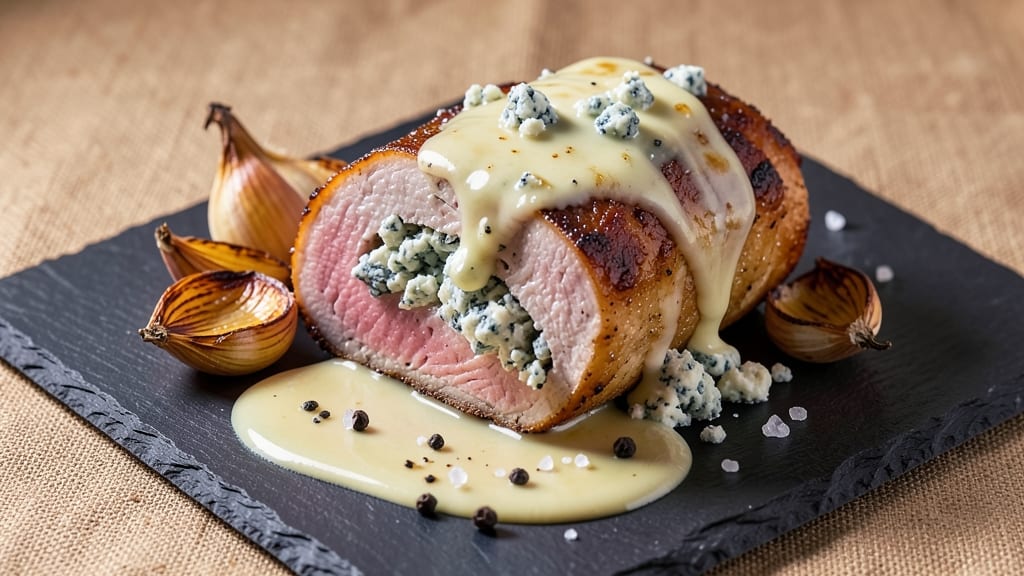
This blue cheese stuffed pork tenderloin recipe delivers restaurant-quality results with a creamy blue cheese center that melts into rich, velvety pockets. 💛 I developed this technique after years of perfecting pork preparations—where the contrast of tender meat and bold blue cheese creates an unforgettable dining experience. The secret lies in the precise stuffing method that ensures even distribution without tearing the meat.
The recipe begins with a simple yet flavorful seasoning blend—just salt, pepper, and a touch of garlic powder—that enhances the natural sweetness of the pork. After searing the tenderloin to lock in juices, we create a channel for the blue cheese filling, ensuring it stays intact during cooking.
This method guarantees tender results every time, with a perfect internal temperature of 145°F.
What makes this dish truly special is the blue cheese mixture—creamy, tangy, and packed with flavor. The cheese melts into a luscious goo that contrasts beautifully with the savory pork. Serve with roasted vegetables or a drizzle of balsamic glaze for a complete meal that's both elegant and satisfying.
Whether you're preparing for a dinner party or a weeknight meal, this recipe delivers impressive results with minimal effort. The stuffing technique is foolproof, and the flavors are guaranteed to impress. Let's get cooking!
Ingredients for blue cheese stuffed pork tenderloin
Restaurant-quality pork tenderloin relies on precise ingredient selection and technique for velvety texture and bold blue cheese contrast.
| Ingredient | Amount | Notes |
|---|---|---|
| Pork Tenderloin 🥩 | 1 ½ lb | Center-cut, trimmed of fat |
| Blue Cheese Crumbles 🧀 | 8 oz | Stilton or Gorgonzola preferred |
| Heavy Cream 🥛 | ¼ cup | Full-fat for optimal texture |
| Garlic Cloves 🧄 | 3 cloves | Minced for stuffing mixture |
| Diamond Crystal Kosher Salt 🧂 | 1 tsp | For initial seasoning |
| Freshly Ground Black Pepper 🌶️ | ½ tsp | Cracked peppercorns preferred |
| Garlic Powder 🧄 | ½ tsp | Enhances pork's natural sweetness |
| Unsalted Butter 🧈 | 2 tbsp | For searing tenderloin |
| Extra-Virgin Olive Oil 🫒 | 2 tbsp | High smoke point for searing |
| Fresh Thyme Leaves 🌿 | ¼ cup | Chopped for stuffing mixture |
| Fresh Chives 🌱 | 2 tbsp | Chopped for garnish |
| Balsamic Glaze 🍷 | 2 tbsp | For serving (optional) |
The pork tenderloin must be center-cut and trimmed—this ensures even cooking and prevents tearing during stuffing. Source from a reputable butcher or Whole Foods for optimal quality; look for firm, pale pink meat with minimal marbling. Stilton or Gorgonzola blue cheeses provide the deepest flavor, but Gouda crumbles work in a pinch. For the cream, full-fat is non-negotiable—it creates that luxurious, gooey texture inside. The garlic should be freshly minced (pre-minced loses potency), and fresh thyme adds aromatic depth without overpowering the blue cheese. If thyme isn't available, dried thyme at one-third the amount suffices, though fresh is ideal.
No Stilton? Roquefort or Maytag Blue deliver comparable tang. For a vegetarian twist, replace blue cheese with vegan blue cheese alternative (like Violife) and add nutritional yeast for umami depth. The garlic powder can be omitted if using fresh garlic, but it's a worthwhile addition for that subtle, consistent flavor. Pre-minced garlic works in a bind, but fresh mincing ensures superior aroma. For the balsamic glaze, high-quality reduction (like Giovanni Ruggiero) elevates the dish—store-bought versions often contain additives. If substituting, reduce balsamic vinegar with a pinch of sugar until syrupy.
Stuff the tenderloin no more than 2 hours ahead to prevent moisture loss; refrigerate loosely wrapped. The blue cheese mixture can be prepped 1 day ahead and stored in an airtight container. For optimal texture, sear the pork immediately after stuffing—don’t let it sit at room temperature longer than 30 minutes. Leftovers reheat beautifully in a 350°F oven for 10-15 minutes, covered with foil. The dish holds 3-4 days refrigerated or 3 months frozen when wrapped tightly in plastic and vacuum-sealed.
Why You'll Love This Recipe
- Same recipe, different vibes: I throw it on the grill for summer BBQs or roast it in the oven for a fussy dinner guest. The leftovers? Even better cold the next day—perfect for sandwiches or a quick lunch. (Yes, even on a Tuesday night.)
- No Butterfingers Needed: I cut the pork tenderloin in half lengthwise—no fancy knife skills required—and the blue cheese stuffing stays put even when I’m not the most graceful slicer. The heavy cream glues everything together like magic, so no one’s left holding a loose-filling disaster.
- Rich Without the Guilt: That first bite? Crispy outside, creamy inside, with blue cheese melting into the pork like a gourmet hug. I swear, the garlic and salt make it taste like a restaurant dish, but I’m the one who cooked it in my pajamas.
- Weeknight to Dinner Party: Same recipe, different vibes: I throw it on the grill for summer BBQs or roast it in the oven for a fussy dinner guest. The leftovers? Even better cold the next day—perfect for sandwiches or a quick lunch. (Yes, even on a Tuesday night.)
Step-by-step instructions for blue cheese stuffed pork tenderloin
Here's how to achieve melt-in-your-mouth tenderness with a luxurious blue cheese surprise inside.
👨🍳 Step 1: Prepare the Blue Cheese Stuffing Mixture
In a medium bowl, combine the 8 oz blue cheese crumbles, 0.25 cup heavy cream, 3 minced garlic cloves, 0.25 cup chopped fresh thyme leaves, 0.5 tsp garlic powder, 0.5 tsp freshly ground black pepper, and 1 tsp Diamond Crystal kosher salt. Mix until fully incorporated, creating a thick, crumbly paste that should hold together when pressed. The texture should be moist but not soupy—this ensures it stays cohesive when stuffed into the pork.
This mixture is what creates that signature gooey center. I like to press it gently between my fingers to check consistency—it should mold without sticking too aggressively. If it's too dry, add a splash of heavy cream; if too wet, fold in a bit more blue cheese. Cover and let it sit at room temperature while you prepare the pork.
🔪 Step 2: Butterfly and Stuff the Pork Tenderloin
Place the 1.5 lb pork tenderloin on a cutting board and carefully slice horizontally through the center, creating a butterfly shape without cutting all the way through. Open it like a book to expose the interior. Using a small spoon, gently spread the blue cheese mixture evenly along the center, leaving about ½ inch border around the edges. This prevents the filling from leaking out during cooking.
Reclose the butterfly by pressing the edges together firmly, then secure it with kitchen twine at 1-inch intervals along the length. The twine prevents the pork from unraveling and helps maintain an even shape during searing. Don't overstuff—this is a delicate balance between flavor and texture. The filling should be snug but not bursting at the seams.
🔥 Step 3: Sear the Pork for Maximum Flavor
Heat a large oven-safe skillet over medium-high heat and add 2 tbsp extra-virgin olive oil and 2 tbsp unsalted butter. Once the butter foams but hasn't yet browned, carefully place the stuffed pork tenderloin in the skillet. Sear for 4-5 minutes per side until the exterior develops a deep golden-brown crust and an internal temperature reaches 145°F when measured with an instant-read thermometer.
The sear is crucial—it locks in juices and creates that beautiful mahogany crust. I press down gently on the pork during the first minute to ensure even contact with the pan. Don't rush this step; patience here prevents the filling from leaking prematurely. Once seared, transfer the skillet to a 425°F preheated oven.
⏰ Step 4: Roast to Perfect Medium-Rare
Roast the pork for 12-15 minutes until the internal temperature reaches 150°F. This final temperature ensures the pork remains tender and juicy while allowing the blue cheese filling to soften and meld with the meat. The pork should be slightly pink in the center—it will carry over to 155°F as it rests.
Here's the thing—blue cheese has a lower melting point than other cheeses. We want it to soften into a luxurious, creamy center rather than fully melt into a runny pool. The 150°F target gives us that perfect balance. Remove the pork from the oven and let it rest for 10 minutes before slicing, tented loosely with foil.
🍽️ Step 5: Slice and Serve with Elegant Garnishes
Remove the twine and slice the pork into ½-inch thick medallions. The blue cheese filling should be visible through the center, soft and gooey but not liquid. Plate immediately and drizzle with 2 tbsp balsamic glaze for contrast. Garnish with 2 tbsp chopped fresh chives for a pop of color and brightness.
Each slice should reveal that beautiful contrast—tender, slightly pink pork surrounding a creamy blue cheese center. The balsamic glaze adds a sweet-tangy element that cuts through the richness. Serve with roasted vegetables or a simple arugula salad to balance the dish. The filling will continue to soften slightly as it sits, so serve within 20 minutes of slicing for the best texture.
Pro Tips For Making Blue Cheese Stuffed Pork Tenderloin
- USE A MEAT MALLET: Pound the pork tenderloin to an even 1-inch thickness—this ensures the blue cheese filling cooks through without turning the edges tough. I learned this the hard way after slicing into a chewy center that still had raw spots.
- SALT THE CREAM: Stir ¼ teaspoon of Diamond Crystal kosher salt into the heavy cream before mixing it with the blue cheese crumbles. The salt cuts through the funk and balances the richness, making the stuffing taste more cohesive.
- SKIP THE OVERFILLING: Stuff the pork loosely—packing it too tightly forces the filling out during cooking, creating a messy exterior. Aim for 70% full; the meat will expand, and you’ll end up with a clean slice every time.
- SEAR IN BATCHES: If your pan is too crowded, the pork will steam instead of brown. Cook half the tenderloin first, then set it aside while you finish the second half—golden crust is non-negotiable for this dish.
Dietary considerations for this dish
Gluten-Free Adaptations
This recipe is naturally gluten-free, but watch for potential cross-contamination if using pre-packaged ingredients. The blue cheese crumbles and heavy cream are typically gluten-free, but always check labels—brands like Maytag Blue and Stilton are usually safe.
For the kitchen twine, opt for 100% cotton or parchment paper instead of regular twine, which may contain gluten additives. 🌱
Dairy-Free Options
For a dairy-free version, replace the blue cheese with vegan blue cheese alternative (like Violife) and use full-fat coconut cream instead of heavy cream. The texture will be slightly different but still delicious.
Add 1 tsp nutritional yeast to the stuffing for umami depth. The butter in the searing step can be swapped for olive oil or vegan butter, though the flavor will shift subtly.
Lower-Carb Modifications
To reduce carbs, skip the balsamic glaze and serve with roasted Brussels sprouts or cauliflower mash instead of potatoes. The thyme and chives add flavor without significant carbs, and the pork itself is naturally low-carb.
For extra richness, drizzle with avocado oil instead of balsamic. This keeps the dish under 10g net carbs per serving while maintaining bold flavors.
Allergen Considerations
For nut allergies, ensure all ingredients are nut-free—some blue cheeses may be aged in nut oils. If garlic is a concern, use garlic-infused olive oil instead of fresh garlic.
For egg allergies, no modifications are needed as this recipe doesn’t contain eggs. Always double-check labels on blue cheese and heavy cream, as processing facilities can vary.
Protein Swaps
If pork isn’t an option, try chicken or turkey tenderloins—they work similarly but cook faster (aim for 165°F internal temp). For a beef version, use a flank steak or sirloin, adjusting the stuffing quantity to 6 oz and reducing cook time to 10-12 minutes after searing.
The blue cheese filling remains the same, but the meat’s texture will differ slightly.
Nutrition facts
Frequently asked questions
Why does the blue cheese filling sometimes leak out when cooking?
The filling may leak if the pork is overstuffed or if the butterflied edges aren't properly sealed. Always leave a ½-inch border around the edges when spreading the mixture, and press the edges firmly together before securing with twine. For extra insurance, chill the stuffed pork for 15-20 minutes before searing to help the filling set slightly.
Can I use a different type of cheese instead of blue cheese?
For a milder flavor, try Gouda or Havarti crumbles mixed with heavy cream. For extra richness, swap in goat cheese or creamy feta. Just remember, blue cheese's tangy sharpness is what creates that signature contrast with the pork. Adjust the cream ratio if using softer cheeses to maintain the right texture.
How do I know when the pork is fully cooked without drying it out?
Use an instant-read thermometer to check the internal temperature—it should reach 145°F during searing and 150°F after roasting. The pork will carry over to 155°F as it rests, so don't overcook it. For extra tenderness, let it rest for the full 10 minutes before slicing, which allows the juices to redistribute.
What's the best way to serve this dish for a dinner party?
Slice the pork into ½-inch medallions and arrange on a platter with roasted root vegetables or a fresh arugula salad. Drizzle with balsamic glaze and garnish with chopped chives for color. For an elegant touch, serve with crusty bread or polenta to soak up the blue cheese juices. Pair with a bold red wine like Cabernet Sauvignon.
Can I make this recipe ahead of time?
Stuff the pork up to 2 hours ahead and refrigerate loosely wrapped. Reheat in a 350°F oven for 10-15 minutes, covered with foil, until warmed through. The filling will soften further during reheating, so slice and serve immediately. For make-ahead convenience, prepare the blue cheese mixture 1 day ahead and store it in an airtight container.