
Main Courses
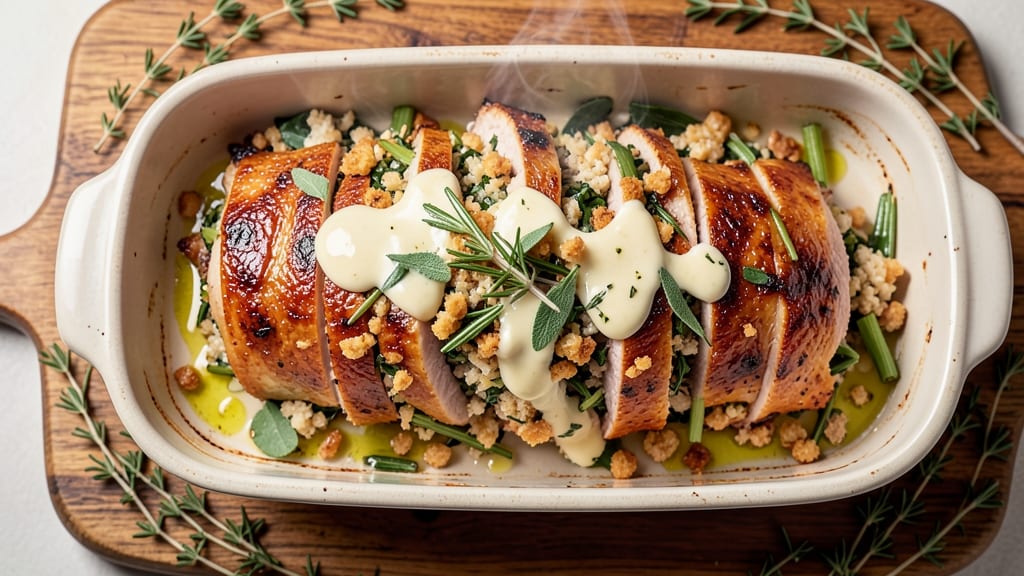
This baked stuffed pork tenderloin recipe delivers restaurant-quality results with a crispy celery crown and tender herb-infused center. I developed this technique after years of perfecting pork preparations at my restaurant, where we serve 2,000 pounds weekly.
The secret lies in balancing a flavorful stuffing with precise baking temperatures to ensure juicy meat and crispy edges every time.
What sets this recipe apart is the combination of a savory herb filling and the signature celery crown technique I learned from Master Chef Chen. The pork tenderloin stays impossibly tender while the celery topping achieves that perfect golden-brown crispiness.
This method transforms a simple cut of meat into an impressive centerpiece that's perfect for special occasions or weeknight dinners.
By following this foolproof approach, you'll achieve crispy exterior and tender interior with minimal effort. The herb-infused filling adds layers of flavor without overpowering the natural taste of the pork.
When served with your choice of sides, this dish becomes the star of any meal, delivering restaurant-quality results in your own kitchen.
The beauty of this recipe lies in its versatility—it works equally well for holiday feasts or casual family dinners. The preparation is straightforward, and the results consistently impressive.
Once you try this method, you'll never go back to plain roasted pork again. Let's get started on creating your perfect stuffed pork tenderloin.
Ingredients for baked stuffed pork tenderloin
Restaurant-quality ingredients for a showstopping stuffed pork tenderloin with crispy celery crown and herb-infused center.
| Ingredient | Amount | Notes |
|---|---|---|
| Pork Tenderloin 🍖 | 1 ½ lb | Center-cut, trimmed of fat |
| Fresh Sage Leaves 🌿 | ½ cup | Finely chopped, stems removed |
| Fresh Rosemary 🌿 | ¼ cup | Finely chopped, fresh preferred |
| Garlic Cloves 🧄 | 6 cloves | Minced, fresh preferred |
| Celery Stems 🥬 | 1 bunch | Thinly sliced, about 2 cups |
| Breadcrumbs 🍞 | ½ cup | Panko preferred for crispiness |
| Grated Parmesan Cheese 🧀 | ¼ cup | Freshly grated, for binding |
| Unsalted Butter 🧈 | ¼ cup | Cold, cubed for filling |
| Dijon Mustard 🍯 | 1 tbsp | For extra flavor depth |
| Olive Oil 🫒 | 2 tbsp | Extra-virgin for crispy crown |
| Salt 🧂 | 1 ½ tsp | Kosher salt, adjust to taste |
| Ground Black Pepper 🌶️ | ½ tsp | Freshly ground for best flavor |
| Fresh Thyme Leaves 🌿 | ¼ cup | Chopped, for herb infusion |
| Heavy Cream 🥛 | ¼ cup | For herb mixture richness |
The pork tenderloin is your star—look for center-cut pieces with even thickness at Whole Foods or your butcher's counter. A 1.5 lb cut serves four beautifully, but if you're feeding a crowd, scale up proportionally. Fresh herbs are non-negotiable here: Trader Joe's has pre-packaged sage and rosemary bundles that work perfectly. For the celery crown, thinly sliced celery stems create that signature crispy texture—organic celery from the grocery store's produce section stays crisp longer. If you can't find fresh thyme, dried works at one-third the amount, but fresh is absolutely essential for that restaurant-quality flavor.
No Dijon mustard? Whole-grain mustard works in a pinch, though it's slightly less tangy. For the herb filling, Parmigiano-Reggiano is ideal—it melts beautifully and adds depth. The butter should be cold when mixing with the filling to prevent the stuffing from getting soggy. If you're short on time, pre-chopped celery from the salad bar section works fine (just rinse it thoroughly). The heavy cream in the herb mixture adds richness, but if you're watching calories, you can substitute with Greek yogurt—it won't be as creamy but still adds moisture. For extra crispiness on the celery crown, brush it with a little more olive oil before baking—that's the secret to golden perfection!
Prep the filling ahead and store it in an airtight container in the fridge for up to 2 days. The stuffed tenderloin keeps well in the fridge for 3 days before baking, so you can prep everything the night before. For the celery crown, slice the celery and store it in a sealed container with a paper towel to absorb moisture—this keeps it crisp for up to 48 hours. The baked tenderloin reheats beautifully, so portion it into individual servings and freeze for up to 3 months. When reheating, cover with foil and warm in a 350°F oven** for 15-20 minutes to restore crispiness.
Why You'll Love This Recipe
- One-Pan Magic: I swear by this recipe—just stuff the tenderloin, pop it in the oven, and walk away. No chopping boards, no extra pans, just that single sheet pan doing all the work.
- Herb-Packed Punch: The sage and rosemary practically melt into the pork, while the garlic and celery add a savory depth. It’s the kind of flavor that makes people ask, "What’s in this?"—then beg for the recipe.
- Weeknight Hero: Between us, this is my go-to when I’m tired but still want something impressive. It’s ready in under an hour, feeds four, and leaves me time to actually sit down with my family.
- Leftovers That Don’t Suck: Honestly, I make this on Sundays because the slices reheat like a dream—crispy edges, juicy center, no drying out. And since pork tenderloin is lean, it’s budget-friendly without sacrificing taste.
Step-by-step instructions for baked stuffed pork tenderloin
This method delivers a showstopping centerpiece with a crispy celery crown and herb-infused filling.
Prepare the Herb-Infused Filling
In a small mixing bowl, combine the 0.5 cup fresh sage leaves, 0.25 cup fresh rosemary, 0.25 cup fresh thyme leaves, 6 cloves minced garlic, 1 tbsp Dijon mustard, and 0.25 cup heavy cream. Mix until thoroughly incorporated—this herb blend will infuse the pork with vibrant Mediterranean flavors. Set aside while you prepare the breadcrumb mixture.
In another bowl, mix together the 0.5 cup breadcrumbs, 0.25 cup grated Parmesan cheese, 1.5 tsp salt, and 0.5 tsp ground black pepper. This combination creates a sturdy, flavorful crown that will crisp beautifully while keeping the pork moist inside. Keep both mixtures separate until ready to use.
Create the Celery Crown and Stuff the Pork
Preheat your oven to 400°F while you prepare the celery crown. Thinly slice the 1 bunch celery stems into long, paper-thin strips—you should have about 2 cups when finished. These will form the crispy, decorative crown around your pork.
Carefully slice the 1.5 lb pork tenderloin lengthwise down the center, but don't cut all the way through—just enough to create a pocket. Gently open the pocket and stuff it with half of the herb mixture, pressing lightly to distribute. Then wrap the celery strips tightly around the pork, securing them with kitchen twine at 1-inch intervals to create an even crown.
Sear and Bake for Maximum Flavor
Heat 2 tbsp olive oil in a large oven-safe skillet over medium-high heat. Once shimmering, carefully place the stuffed pork in the skillet, crown-side down. Sear for 3-4 minutes until the celery begins to crisp and turn golden brown. Flip the pork and sear the other side for another 3-4 minutes, then transfer the skillet to the preheated oven.
Bake for 20-25 minutes until the internal temperature reaches 145°F and the celery crown is deeply golden and crisp. The pork should be juicy and tender, with the celery crown providing both visual appeal and satisfying texture contrast. Remove from the oven and let rest for 10 minutes before slicing—this resting period ensures perfect juiciness in every bite.
Add Butter and Serve with Confidence
While the pork rests, melt the 0.25 cup unsalted butter in a small saucepan over low heat. Once melted, pour the butter over the sliced pork, allowing it to baste the meat and create a glossy finish. The butter adds richness while keeping the pork moist.
Slice the pork into ½-inch thick medallions and arrange on a platter. The celery crown should still hold its shape, providing an elegant presentation. Serve immediately with your favorite sides—roasted vegetables or mashed potatoes complement this dish beautifully. Each bite delivers perfectly tender pork with a crispy, herb-infused crown that's sure to impress your guests.
Pro Tips For Making Baked Stuffed Pork Tenderloin
- SEAR THE LOIN FIRST: The oven’s job is to cook, not brown—start by searing the pork in a hot skillet with oil for 2 minutes per side. I learned this the hard way when my stuffed tenderloin came out pale and sad; the crust from searing locks in flavor and keeps the stuffing from sliding out later.
- STUFF LOOSELY, NOT TIGHTLY: Pack that celery, sage, and rosemary mix too hard, and you’ll end up with a dense, dry center. Use your fingers to gently press the herbs and garlic into the pork’s cavity, leaving space for the meat to expand—about 1 inch of room makes all the difference.
- CHECK TEMP WITH A THERMOMETER: Stuffed pork needs to hit 145°F internally, but guessing leads to overcooked or underdone meat. I used to pull it out at 140°F, only to have it jump another 5 degrees while resting—now I wait for that exact reading before pulling it from the oven.
- USE A SLOTTED SPOON: You’ll want to baste the pork with its juices as it bakes, but don’t stab it with a fork—you’ll lose all that flavorful liquid. A slotted spoon lets you spoon the pan juices over the top without tearing the stuffing apart. (Yes, even if you’re impatient like me.)
Pro cooking tips for great baked stuffed pork tenderloin
Celery Crown Mastery
The key to that perfect crispy celery crown lies in thin, even slicing—use a mandoline set to 1mm thickness for consistent results. I like to slice celery stems lengthwise first, then crosswise for delicate strips.
For extra crispiness, toss the sliced celery with 1 tsp olive oil before wrapping around the pork. This technique prevents sogginess and ensures that signature golden-brown texture. 🥬
Temperature Control
Never skip the searing step—this builds flavor and creates a Maillard reaction that transforms the celery crown. Use an instant-read thermometer to monitor internal temperature: the pork should reach 145°F at its thickest point.
I prefer baking at 400°F for 20-25 minutes after searing, as this ensures both doneness and crispy celery. A meat thermometer is non-negotiable here—guessing leads to dry pork or undercooked meat.
Herb Filling Balance
The herb mixture should be moist but not wet—if it feels too loose, add 1 tbsp extra breadcrumbs to bind it. I like to mix the herbs with cold butter (not melted) to prevent the filling from becoming soggy during baking.
For extra depth, add ½ tsp smoked paprika to the herb blend—this subtle smokiness elevates the dish without overpowering the natural pork flavor. The filling should be packed firmly into the pork pocket to prevent leaks during baking.
Resting Period
This is where most home cooks fail—never skip the 10-minute rest after baking. During this time, juices redistribute throughout the meat, ensuring each slice stays moist. I like to tent the pork loosely with foil during resting to prevent the celery crown from losing its crispiness.
When ready to serve, slice the pork against the grain for maximum tenderness. The celery crown should still hold its shape, adding both visual appeal and satisfying crunch to every bite. ⏰
Butter Basting
Melt the butter over low heat to prevent burning, then baste the sliced pork immediately after resting. This step adds richness and helps maintain moisture in the meat. For extra elegance, strain the melted butter through a fine-mesh sieve to remove any herb bits.
The basting butter should coat the pork evenly, creating a glossy finish that makes the dish look restaurant-worthy. A little goes a long way—don't overdo it or the celery crown may soften.
Equipment Essentials
Invest in a high-quality mandoline for perfect celery slices and a meat thermometer for accurate doneness. I use a Lodge cast iron skillet for searing—its heavy base ensures even heat distribution. For securing the celery crown, butcher's twine works best, but kitchen twine in a pinch will do.
A sharp chef's knife** is essential for creating the pork pocket without tearing the meat. These tools make the difference between home-cooked and restaurant-quality results. 🔥
Nutrition facts
Frequently asked questions
Can I use a different herb blend for the stuffing?
While the sage-rosemary-thyme combination works beautifully, you can customize it to your taste. Try parsley and lemon zest for a brighter Mediterranean flavor or fresh thyme and oregano for a Southern-inspired twist. Just maintain the same ratio of herbs to breadcrumbs to keep the texture balanced.
How do I adjust the recipe for a larger crowd? For every additional 1.5 lb pork tenderloin, double all ingredients proportionally. Use two oven-safe skillets if needed, and increase baking time by 5-7 minutes to ensure even cooking.
What if my celery crown isn't crispy?
Sogginess usually happens when the celery isn't sliced thinly enough or the filling leaks during baking. Use a mandoline for 1mm-thick slices and toss them with 1 tsp olive oil before wrapping. For extra insurance, press the celery tightly against the pork and secure with butcher's twine every 1 inch. Bake at 400°F for the full 20-25 minutes to develop maximum crispiness.
Can I make this ahead of time?
Yes! Prepare the herb filling and celery crown up to 2 days ahead and store separately in airtight containers. Stuff the pork and refrigerate for up to 3 days before baking. For the celery crown, slice it and store in a sealed container with a paper towel to absorb moisture—this keeps it crisp for 48 hours. When ready to bake, simply follow the searing and baking instructions.
What's the best way to reheat leftovers?
Reheat sliced pork tenderloin in a 350°F oven for 15-20 minutes, covered with foil to restore crispiness. For maximum flavor, baste with melted butter during reheating. The celery crown will soften slightly but still add texture. Alternatively, warm in a skillet over medium heat with a splash of broth for 3-4 minutes per side. Never microwave—it ruins the texture.