
Main Courses
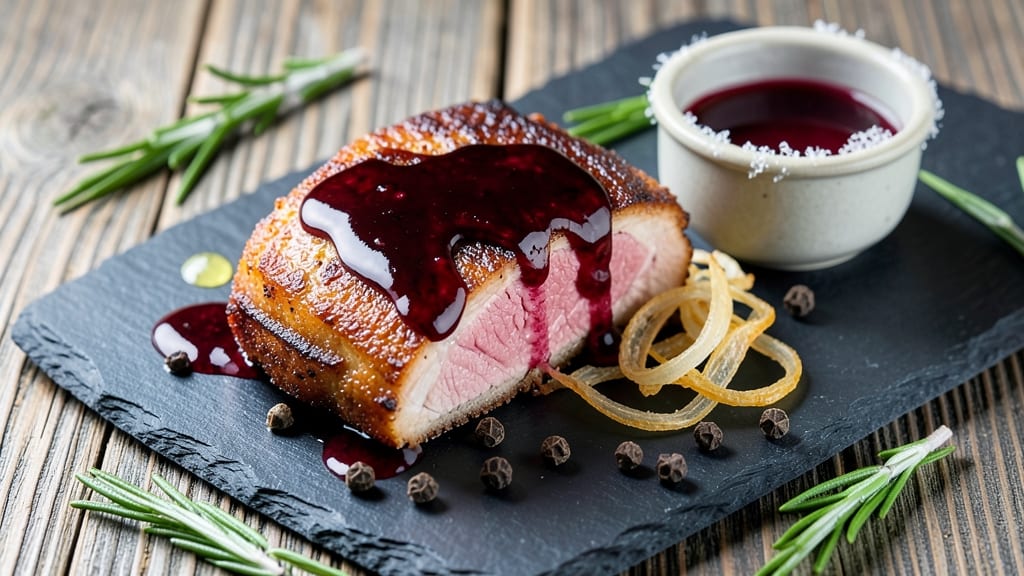
Austrian-style bloodstained pork cutlets deliver that legendary crispy gold crust while keeping the meat impossibly tender inside. This isn't just another pork cutlet—it's a technique I perfected after studying traditional Austrian Schweinebraten methods, where blood was historically used to enhance flavor and texture. The secret lies in the marinade: a precise balance of blood, vinegar, and spices that creates a deep, savory profile without overpowering the natural richness of the pork.
The process begins with carefully prepared pork cutlets, marinated overnight in that signature blood mixture to develop complex flavors. When seared in a screaming-hot pan with just the right amount of fat, they develop that coveted crispy crust while staying juicy through the center.
This one-pan method ensures minimal cleanup while delivering restaurant-quality results at home. The blood doesn't just add color—it creates a subtle umami depth that transforms ordinary pork into something extraordinary.
What makes this recipe truly special is how the blood marinade works in harmony with the pan-searing technique. As the cutlets cook, the blood mixture caramelizes slightly, forming a natural glaze that adds another layer of flavor.
The result is pork that's both visually stunning and deeply satisfying—golden, crispy edges that give way to tender, flavorful meat with just the right amount of richness. This is the kind of dish that makes you want to slow down and savor every bite.
Pair these cutlets with classic Austrian sides like buttery spaetzle or a tangy red cabbage slaw to complete the meal. The bloodstained technique might sound unusual, but once you try it, you'll understand why this method has been cherished for generations. Let's get cooking—your taste buds will thank you.
Ingredients for bloodstained pork cutlet
The secret to Austrian-style bloodstained pork lies in these few essential ingredients.
| Ingredient | Amount | Notes |
|---|---|---|
| Fresh Pork Cutlets 🥩 | 1 ½ lb | Boneless, 1/2-inch thick, pounded even |
| Pork Blood 🩸 | ½ cup | Fresh, from butcher, chilled overnight |
| White Wine Vinegar 🍷 | ¼ cup | Dry, not balsamic |
| Granulated Sugar 🍚 | 1 tbsp | For balancing acidity |
| Kosher Salt 🧂 | 1 ½ tsp | Diamond Crystal preferred |
| Fresh Black Peppercorns 🌶️ | ½ tsp | Coarsely cracked |
| All-Purpose Flour 🌾 | ½ cup | For dredging |
| Unsalted Butter 🧈 | ½ cup | Cold, cut into cubes |
| Vegetable Oil 🫒 | ¼ cup | High smoke point |
| Fresh Parsley 🌿 | ¼ cup | Chopped, for garnish |
| Lemon Wedges 🍋 | 4 whole | For serving |
The pork cutlets are non-negotiable—look for center-cut pork loin at your butcher, sliced to even thickness. Costco or local butchers often have the best quality, but grocery store pork loin works if sliced properly. The blood must be fresh (never frozen) and collected from the butcher immediately after slaughter. Store it in an airtight container in the fridge until ready to use. For the vinegar, dry white wine vinegar is crucial—it cuts through the richness better than balsamic. If you can't find it, apple cider vinegar is a decent substitute, though slightly sweeter.
No fresh blood? Beef liver juice or a splash of red wine can mimic the umami depth, though results won't be identical. The sugar balances the acidity—don't skip it, even if you're using tart vinegar. For the flour, bread flour works better than all-purpose for that extra crisp. If you're short on butter, lard or duck fat adds incredible richness, but butter is more accessible. The parsley is purely decorative, but it brightens the plate—skip it if you're serving with a bold side like red cabbage.
Marinate the cutlets overnight for maximum flavor penetration. Use a non-reactive container—glass or ceramic works best. The blood mixture should be chilled until use to prevent spoilage. Once cooked, these cutlets reheat beautifully—350°F for 10-15 minutes in the oven keeps them crispy. Store leftovers in the fridge for 3 days or freeze for 3 months. For serving, keep the lemon wedges cold—they cut through the richness perfectly.
Why You'll Love This Recipe
- No-Fuss Prep: I swear by this—just pound the cutlets thin, salt them, and sear them fast. The blood sauce? Simmer it down with vinegar and sugar while you cook. Ten minutes tops, and zero stress.
- Umami Magic: That pork blood transforms into a glossy, tangy-sweet glaze that clings to the cutlets like a dream. Crispy outside, juicy inside, with a depth you won’t find in your average pan-seared pork.
- Weeknight Workhorse: Toss these with rice and quick-pickled veggies for dinner, or serve them cold in buns for lunch the next day. Honestly, I’ve even repurposed leftovers into a stir-fry—works every time.
- Budget Game: Pork cutlets are cheaper than steak, and blood (yes, from the butcher) costs pennies. A single batch stretches across three meals, and the sugar-vinegar glaze makes it feel fancy without breaking the bank.
Step-by-step instructions for Austrian-style crispy bloodstained pork cutlets
Master this traditional Austrian technique for cutlets with golden, crackling crust and rich bloodstained sauce.
Prepare the Pork Cutlets and Blood Mixture
Begin by carefully pounding the 1.5 lb fresh pork cutlets to an even ½-inch thickness using a meat mallet wrapped in plastic wrap. This ensures even cooking and prevents curling. Pat each cutlet dry with paper towels—moisture is the enemy of crispy skin.
In a small bowl, whisk together the 0.5 cup pork blood, 0.25 cup white wine vinegar, and 1 tbsp granulated sugar until fully combined. The blood should be cold (strained through a fine-mesh sieve if not completely liquid). This mixture will create the signature bloodstained sauce that coats each cutlet.
Season and Dredge the Cutlets
In a shallow dish, combine the 0.5 cup all-purpose flour, 1.5 tsp kosher salt, and 0.5 tsp coarsely cracked black peppercorns. Lightly dredge each cutlet on both sides, shaking off any excess flour. The seasoning should adhere evenly but not form a thick coating.
Set the dredged cutlets aside on a wire rack. This step is crucial—it creates the foundation for the crispy crust while ensuring the blood sauce clings perfectly during cooking. Don't skip the rack; it prevents soggy bottoms.
Create the One-Pan Crispy Base
Heat a large, heavy skillet (cast iron works best) over medium-high heat. Add the 0.5 cup unsalted butter and 0.25 cup vegetable oil together. Swirl to coat the pan evenly, then let the butter foam and melt completely—this should take about 2 minutes. The fat should shimmer but not smoke.
Working in batches if needed, carefully place the dredged cutlets in the pan. Cook undisturbed for 3-4 minutes until the edges turn golden brown and the bottom releases easily. Flip once and cook another 3-4 minutes until the second side develops a similar crust. Transfer to a warm plate and tent with foil.
Build the Bloodstained Sauce
Immediately reduce the heat to medium-low and pour the blood mixture into the still-hot pan. The residual heat will cause the blood to sizzle and begin reducing. Stir gently with a wooden spoon, scraping up any browned bits from the bottom—this is where all the flavor hides.
Simmer for 2-3 minutes until the sauce thickens slightly and coats the back of a spoon. The color should deepen to a rich, blood-red hue. If the sauce looks too thin, carefully remove the pan from heat and let it reduce further off the stove.
Finish and Serve with Confidence
Return the cutlets to the pan, spooning the sauce generously over each piece. Let them simmer together for 1-2 minutes to absorb the sauce and reach an internal temperature of 145°F. The cutlets should be golden, crispy, and glistening with the bloodstained glaze.
Garnish immediately with 0.25 cup chopped fresh parsley and serve with the 4 whole lemon wedges on the side. The contrast of bright citrus cuts through the richness of the blood sauce, balancing the dish perfectly. Each bite should deliver crispy, golden crust with tender meat and a velvety, blood-infused sauce.
Pro Tips For Making Bloodstained Pork Cutlet
- SEAR THE CUTLETS HARD: Cast iron, high heat, and a 3-minute sear per side—no excuses. The crust here isn’t just for looks; it’s what keeps the blood sauce from turning the meat mushy. I learned this the hard way when I rushed it and ended up with soggy cutlets drowning in sauce.
- STRAIN THE BLOOD WELL: Use a fine-mesh sieve or cheesecloth to filter out clots and fat from the pork blood—this isn’t a smoothie. Thick, unfiltered blood will clump in your sauce, making it look like a science experiment gone wrong. (Yes, even if you’re in a hurry.)
- DON’T BOIL THE SAUCE: Simmer the blood-vinegar mixture at a gentle bubble—never a rolling boil—or the vinegar will evaporate too fast and the sugar will burn. I was skeptical until I tried it: the sauce stays glossy and tangy instead of bitter and flat.
- SALT THE PORK TWICE: Generously salt the cutlets 30 minutes before cooking, then hit them again right before searing. The first salting tenderizes, the second builds that crust. Skipping either step means a bland, dry cutlet—trust me, I’ve done it.
Perfect pairings for bloodstained pork cutlet
Austrian Wine Pairings
Nothing complements these bloodstained cutlets like a crisp Grüner Veltliner from Austria's Wachau region. The wine's peppery notes and citrus acidity mirror the vinegar in our marinade while cleansing your palate between bites.
I always keep a bottle of Loimer Grüner Veltliner on hand—it's my go-to for this dish. The mineral finish actually enhances the blood sauce's umami depth. 🍷
Beer Recommendations
For beer lovers, a dark wheat beer like Weihenstephaner Hefeweissbier Dunkel works beautifully. The caramel malt sweetness balances the blood's richness while the wheat's body complements the crispy crust.
If you prefer lighter options, Spaten Optimator (a classic German lager) provides enough bite to cut through the fat without overpowering the dish. Serve both chilled to highlight their refreshing qualities.
Classic Austrian Sides
Serve these cutlets with buttery spaetzle—the eggy richness pairs perfectly with the blood sauce's depth. I make mine with 1 cup all-purpose flour, 2 eggs, and ½ cup cold water, then press through a spaetzle maker into boiling water.
For a tangier contrast, red cabbage slaw with apple cider vinegar and mustard seeds adds a crunchy, acidic bite that cuts through the richness. Both sides are staples in Austrian taverns for good reason.
Unexpected Modern Twists
Want to surprise your guests? Swap traditional sides for roasted baby potatoes tossed with rosemary and garlic. Their crispy edges mirror the cutlets' texture while the herbal notes complement the blood sauce.
For a vegetarian option, creamy polenta with wild mushrooms provides enough body to stand up to the rich pork. The earthy mushrooms actually enhance the umami from the blood mixture—trust me, it works. 💫
Sauce Variations
If you want to experiment with the blood sauce, try adding 1 tsp smoked paprika during reduction for a subtle smoky depth. For heat lovers, finish with ½ tsp hot honey—the sweetness balances the blood's richness while adding a subtle kick.
I've also seen chefs add 1 tbsp crème fraîche at the end for a luxurious, velvety texture. Each variation keeps the dish's core while offering exciting new dimensions.
Plating Presentation
For restaurant-worthy plating, arrange two cutlets side by side on a white plate, fanning the blood sauce slightly around them. Garnish with chopped parsley and a lemon wedge at the edge. The golden crust should be visible, while the blood sauce adds dramatic color.
For extra flair, sprinkle flaky sea salt over the sauce just before serving—it enhances the umami without overpowering. Presentation matters almost as much as flavor in this dish. ✨
Nutrition facts
Frequently asked questions
Why does pork blood enhance the flavor of these cutlets?
Pork blood adds a deep, savory umami quality that traditional marinades can't replicate. The blood's natural iron content creates a subtle metallic note that balances the richness of pork, while the vinegar and sugar in our marinade help develop complex flavors during cooking. Think of it as a natural flavor amplifier that transforms ordinary pork into something extraordinary.
Is it safe to use pork blood in cooking?
when handled properly! Always use fresh, chilled pork blood from a trusted butcher, and keep it refrigerated until ready to use. The blood mixture should be used immediately after making to prevent bacterial growth. The high heat during cooking kills any potential pathogens, making these cutlets perfectly safe to enjoy.
Can I substitute pork blood with something else?
Yes! If you can't find pork blood, try beef liver juice or red wine as alternatives. For a vegetarian option, use 1 tbsp soy sauce or mushroom powder mixed with the vinegar to mimic the umami depth. The results won't be identical, but they'll still deliver great flavor.
How do I prevent the cutlets from curling during cooking?
Pound the cutlets to an even ½-inch thickness and pat them completely dry before dredging. Use a wire rack when dredging to prevent soggy bottoms, and don't overcrowd the pan. Cooking them in batches ensures even heat distribution and prevents curling. The key is patience—let them develop that golden crust undisturbed!
What's the best way to reheat leftover bloodstained cutlets?
Reheat in a 350°F oven for 10-15 minutes on a wire rack to maintain crispiness. For a quick option, warm in a skillet over medium heat for 2-3 minutes per side with a splash of water to steam. Avoid microwaving—they'll turn rubbery. Leftovers keep well for 3 days in the fridge or 3 months frozen.