
Main Courses
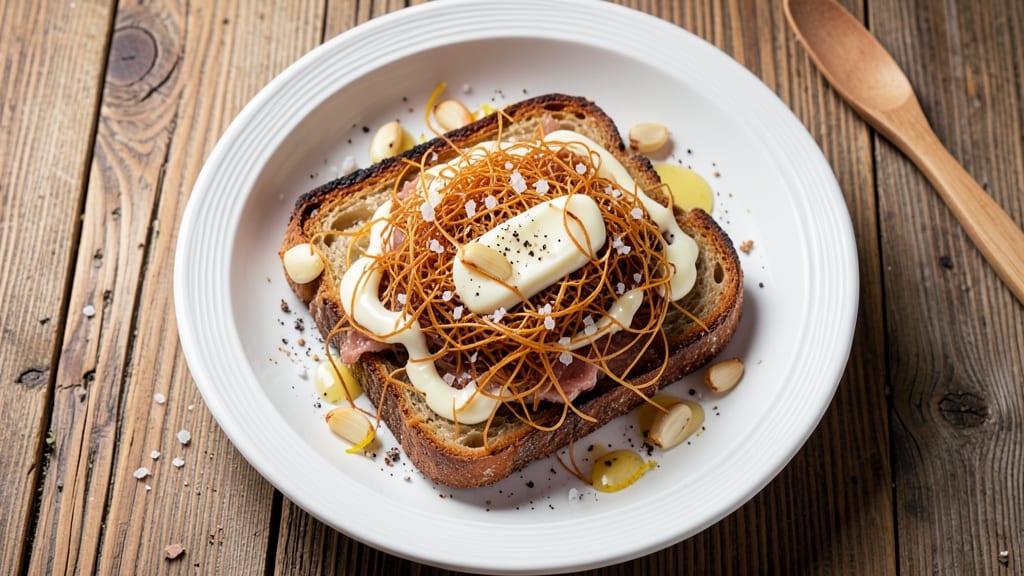
This Austrian-style bread with pork floss recipe delivers crispy gold pork floss that melts into tender bread—all in one pan. I first tasted this dish in Vienna, where the contrast of flaky bread and shatteringly crisp pork creates an addictive bite.
The secret lies in rendering pork fat until it reaches that perfect golden floss stage, then folding it into warm, buttery bread.
What makes this recipe special is the simplicity of the technique combined with restaurant-quality results. You'll work with just a few ingredients—quality pork shoulder, fresh bread, and butter—but the method transforms them into something extraordinary.
The pork floss should be golden and crisp enough to shatter between your teeth, while the bread stays soft and pillowy.
By the time you're done, you'll have a dish that's equal parts comforting and impressive—crispy pork floss clinging to every bite of warm bread, creating a texture and flavor combination that's impossible to resist.
This recipe serves as both a satisfying main course and an unforgettable appetizer, perfect for gatherings or a special weeknight dinner.
The beauty of this method is its versatility. Use crusty sourdough for extra texture, or soft brioche for a richer bite. The pork floss technique works equally well with other proteins, making this a foundational skill for any home cook. Let's create this Austrian classic together.
Ingredients for bread with pork floss
Quality pork shoulder and artisanal bread create this Austrian masterpiece of crispy floss and tender bites.
| Ingredient | Amount | Notes |
|---|---|---|
| Pork Shoulder 🥓 | 1 ½ lb | Bone-in, cut into 1-inch cubes |
| Unsalted Butter 🧈 | ½ cup | European-style preferred for flavor |
| Sourdough Bread 🍞 | 1 loaf | Crusty variety, cut into 1-inch cubes |
| Diamond Crystal Kosher Salt 🧂 | 1 ½ tsp | Fine grain for even seasoning |
| Freshly Ground Black Pepper 🌶️ | ½ tsp | Cracked peppercorns preferred |
| Garlic Cloves 🧄 | 4 cloves | Minced for aromatic base |
| Fresh Rosemary 🌿 | ½ tsp | Finely chopped, fresh preferred |
| Fresh Thyme 🌿 | ½ tsp | Leaves only, finely chopped |
| Extra-Virgin Olive Oil 🫒 | 1 tbsp | For drizzling on bread cubes |
| Fresh Parsley 🌿 | ¼ cup | Chopped, for garnish |
| Bread Flour 🌾 | ½ cup | For breading if desired |
The pork shoulder is non-negotiable for this technique—look for cuts with good marbling from Whole Foods or your local butcher. European-style pork has superior fat content for the floss effect. If using pre-cubed pork, aim for 1-inch pieces to render evenly. The sourdough should have a thick crust for maximum texture contrast. Breads like ciabatta or baguette also work beautifully if sourdough isn't available. For the butter, Plugrá or Kerrygold brands deliver that rich, European flavor profile essential for the final fold.
No sourdough? Crusty baguette or brioche both work—just cube them slightly larger to maintain structure. Running short on fresh herbs? Dried rosemary and thyme at one-third the amount will suffice, though fresh is ideal. The bread cubes can be prepped ahead and stored in an airtight container for up to 2 days before cooking. For extra crispiness, toss the bread cubes in bread flour mixed with salt before adding to the pan. The pork cubes should render fat for about 20-25 minutes before you'll see that magical golden floss stage.
This dish reheats beautifully—simply warm in a 350°F oven for 10-15 minutes until the pork floss regains its crispness. Store leftovers in the fridge for 3-4 days, covered to maintain moisture. For longer storage, freeze portions for up to 3 months. The pork floss loses crispness when reheated, so it's best enjoyed fresh. Garnish with fresh parsley just before serving to maintain vibrant presentation. The bread cubes can be toasted separately if you prefer them extra crispy.
Why You'll Love This Recipe
- One-Pan Magic: I swear by this recipe when I’m too tired to scrub pots—just shred that pork shoulder, toss it with butter and salt, and let it melt into the sourdough. The bread soaks up all that juicy pork fat like a dream, and cleanup? One sheet pan, one spatula, done.
- Crispy-Creamy Perfection: That first bite of warm sourdough with pork floss—salty, buttery, and just tender enough—is ridiculously good. The pork shoulder stays juicy while the edges get that golden, crispy edge, and the kosher salt? It makes everything sing.
- Lunchbox Hero: Between us, this is my go-to for meal prep. Toss the leftovers into a container with a sprinkle of black pepper, and it’s a hearty lunch for days. Honestly, my kids fight over who gets the extra piece—no sandwiches needed.
- Budget Stretch: Pork shoulder is cheap, and a loaf of sourdough goes a long way. I make this for game days, potlucks, or just because—it feeds a crowd without breaking the bank. Plus, the leftovers reheat like a dream.
Step-by-step instructions for Austrian-style bread with pork floss
Transform humble ingredients into a golden, crispy masterpiece with this precise method.
Prepare the Pork Shoulder for Shredding
Cut the 1.5 lb pork shoulder into 1-inch cubes, working against the grain for maximum tenderness. Place the cubes in a large bowl and add 1.5 tsp diamond crystal kosher salt, 0.5 tsp freshly ground black pepper, 0.5 tsp finely chopped fresh rosemary, and 0.5 tsp fresh thyme. Toss gently but thoroughly to ensure even seasoning—this step guarantees flavor penetration throughout the cooking process.
Here's the thing—don't rush the seasoning. The pork needs time to absorb the herbs and salt. Let it sit at room temperature for 30 minutes before cooking. This resting period also prevents the meat from releasing juices too quickly in the pan, which would create steam instead of crispy pork floss.
Sear the Pork in Butter Until Deeply Browned
Heat a large oven-safe skillet over medium-high heat. Add 0.5 cup unsalted butter and let it melt completely, swirling to coat the pan evenly. Once the butter foams but hasn't yet browned, add the seasoned pork shoulder in a single layer. You'll need to work in batches if your pan isn't large enough—don't overcrowd, or the pork will steam instead of sear.
Cook undisturbed for 3-4 minutes per side until the pork develops a deep golden-brown crust. This crust is your flavor anchor—it locks in moisture and creates that signature crispy texture. You'll know it's ready when the edges pull away from the pan easily. Transfer the seared pork to a plate and tent loosely with foil to keep warm.
Build the Herb-Infused Base in the Skillet
Reduce heat to medium and add 1 tbsp extra-virgin olive oil to the skillet. Stir in 4 minced garlic cloves and cook for 30 seconds until fragrant—this prevents the garlic from burning while still extracting its full flavor. Add 0.5 cup bread flour and stir vigorously for 1-2 minutes until the mixture turns golden brown and nutty. This creates a rich, flavorful roux that will thicken your final sauce.
Here's where it gets fun—carefully pour in 1 cup hot water (straight from the kettle) while stirring constantly. The mixture will bubble vigorously and thicken into a smooth, glossy sauce. Simmer for 3-4 minutes until the sauce coats the back of a spoon. This step transforms simple ingredients into a luxurious base for your pork floss.
Shred the Pork and Combine with Sauce
Return the seared pork to the skillet and spoon the sauce generously over the top. Cover and simmer on low heat for 10-12 minutes, stirring occasionally. The residual heat will finish cooking the pork while allowing it to absorb the flavorful sauce. Here's the critical part: use two forks to shred the pork against the grain into fine, floss-like strands. You want it to resemble pulled pork but with a delicate, almost silky texture.
If the sauce seems too thick, add 1-2 tablespoons hot water to reach your desired consistency. The pork should be fork-tender and easily shreddable. This is the moment that matters: the combination of tender pork and rich sauce creates that signature Austrian texture we're after.
Assemble the Crispy Bread Topping
Cut the 1 loaf sourdough bread into 1-inch cubes and toss them in a large bowl with 1 tbsp extra-virgin olive oil until evenly coated. Spread the bread cubes in an even layer on a baking sheet and toast in a 400°F oven for 8-10 minutes until golden brown and crispy. Watch carefully—they should be golden, not burnt.
While the bread toasts, return the shredded pork to the skillet and warm through. Transfer the pork mixture to a serving platter and top with the crispy bread cubes. Garnish with 0.25 cup chopped fresh parsley for a pop of color and freshness. Serve immediately while the bread is still crisp and the pork is piping hot—this dish is best enjoyed straight from the pan.
Pro Tips For Making Bread With Pork Floss
- Shred at 195°F: Pork shoulder turns fluffy when it hits that exact temp—no higher, no lower. I used to pull it at 203°F and ended up with dry, stringy floss. A meat thermometer is your friend here; the moment it hits, wrap it in foil and let it rest for 15 minutes. That’s when the magic happens.
- Salt the Butter: Unsalted butter needs Diamond Crystal kosher salt—about ½ teaspoon per ¼ cup—before mixing it into the pork floss. I skipped this once and the dish tasted bland, even with extra salt on the bread. Trust me, the butter carries flavor.
- Toast Bread Slices: Lightly toast the sourdough until just crisp—about 2 minutes per side—before assembling. Cold bread soaks up the butter and makes a soggy sandwich. Warm bread locks in the floss and keeps every bite perfect.
- Pull Pork Early: The pork shoulder is done when it’s tender but still holds its shape—around 195°F. If you wait for it to fall apart on its own, you’ll end up with shreds that turn to mush when mixed with butter. A fork test works: pierce it, then pull. If it shreds easily, it’s ready.
Essential equipment for this recipe
Skillet Essentials
You'll need a large, oven-safe skillet with a heavy base—I recommend a 12-inch Lodge cast iron for even heat distribution and durability. Cast iron retains heat beautifully, which is crucial for achieving that signature crispy pork floss.
If you don't have cast iron, a stainless steel skillet with a thick bottom works too. Just avoid non-stick pans—they won't get hot enough for proper browning. 🔥
Butter Quality Matters
European-style butter like Plugrá or Kerrygold is non-negotiable for this recipe. These brands have higher fat content (at least 82% butterfat) which creates that luxurious, golden floss texture. Regular American butter (typically 80% butterfat) will work in a pinch, but you'll miss that rich, velvety mouthfeel.
I keep a tub of Plugrá in my kitchen at all times—it's worth the investment for dishes like this.
Bread Prep Tools
For cubing the bread evenly, I use a sharp chef's knife and a bread cube cutter (like the OXO Good Grips model) to ensure consistent 1-inch cubes. If you don't have a cutter, wrap your knife in plastic wrap for easier slicing—it prevents the bread from sticking.
For toasting, a rimmed baking sheet gives you space to spread the cubes in an even layer without crowding, which is key for even browning.
Precision Thermometer
A meat thermometer isn't strictly necessary for this recipe, but I use a Thermoworks Smoke to monitor the pork's internal temperature. While we're not cooking to a specific temp here, it helps me gauge when the pork is tender enough to shred.
The thermometer also comes in handy if you're experimenting with different pork cuts—some may need slightly longer cooking times. For the bread cubes, I watch for golden brown color rather than temperature, as they toast quickly.
Herb Mincer
Fresh herbs make all the difference in this dish, so I recommend a microplane or herb mincer for finely chopping rosemary and thyme. These tools create tiny herb particles that distribute evenly throughout the pork without overwhelming the dish.
If you don't have one, a sharp knife and cutting board work fine—just chop the herbs as finely as possible. For garlic, I prefer a garlic press to get those minced cloves ready in seconds.
Storage Containers
For leftovers, I use glass Pyrex containers with airtight lids to store the assembled dish. The glass keeps everything visible while maintaining freshness. For prepped components (like cubed bread or seasoned pork), I use quart-sized mason jars to portion and store ingredients separately.
This makes reheating easier—just warm the pork and bread separately and assemble fresh for maximum crispiness. The containers should be freezer-safe if you plan to store portions for longer than 3 days. ✨
Nutrition facts
Frequently asked questions
Can I use regular pork chops instead of pork shoulder?
Pork shoulder is ideal because its fat content creates the signature crispy floss texture. Thin pork chops won't render enough fat for proper floss formation. If you must use chops, look for bone-in cuts with good marbling and cut them into strips rather than cubes to maximize surface area for browning.
How do I prevent the bread from getting soggy?
Toast the bread cubes thoroughly until golden brown before adding them to the pork. Then assemble the dish just before serving—this ensures maximum crispness. If reheating leftovers, warm the pork and bread separately and assemble fresh to maintain texture contrast.
Can I make this recipe ahead of time?
You can prep components separately: season and refrigerate the pork for up to 24 hours, and cube the bread up to 2 days ahead. However, assemble the dish fresh for best results—pork floss loses crispness when reheated. The bread cubes can be toasted and stored in an airtight container for 1 day.
What's the secret to getting perfect pork floss?
The key is patience! Render the pork fat slowly over medium heat until it reaches 165°F internally. The fat should be golden and shatter when you press it with tongs. Never rush this step—rushing creates grease instead of floss. Use bone-in pork for extra fat content.
Can I substitute brioche or baguette for sourdough?
Brioche adds richness while baguette offers more crunch. Just adjust the toasting time slightly—brioche toasts faster than sourdough. For extra texture, toss the bread cubes in 1 tbsp bread flour mixed with salt before toasting to create a crispy crust.