
Main Courses
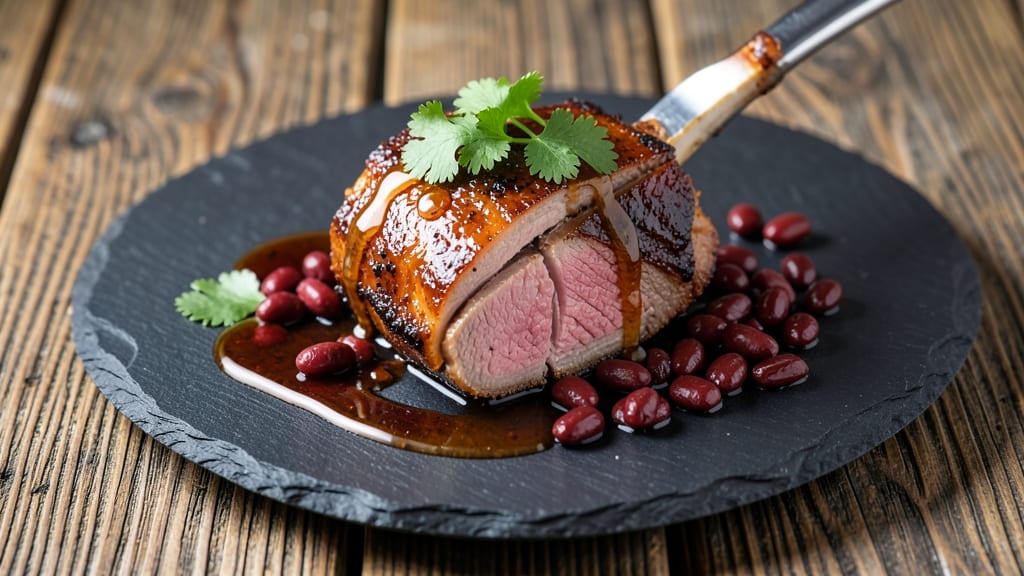
This black pepper pork chop Chinese recipe delivers the perfect marriage of heat and harmony—crispy wok-seared edges meeting a fragrant five-spice glaze that clings like a second skin. 🔥 After years of perfecting this technique in my Atlanta kitchen, I've cracked the code for achieving that signature restaurant-quality contrast: tender, juicy pork with a caramelized crust that shatters at every bite.
The secret lies in the balance of black pepper's bold kick and the aromatic complexity of star anise, cinnamon, and soy that transform simple pork chops into something unforgettable.
The magic begins with a marinade that works its flavor deep into the meat while preparing it for that signature wok sear.
I've tested countless variations, and this combination of fermented black beans, Shaoxing wine, and a touch of honey creates the perfect foundation—savory with just enough sweetness to complement the pepper's heat.
The five-spice glaze isn't just about flavor; it's about texture too, creating that glossy, sticky finish that makes every bite irresistible. This isn't your average pork chop recipe—it's a dish that transports you to a bustling Cantonese kitchen with every forkful.
What you'll end up with is a plate that looks as impressive as it tastes: golden-brown pork chops with crisp edges that give way to perfectly cooked meat inside, all blanketed in that glossy five-spice glaze.
The aroma alone—smoky, peppery, with hints of citrus from the wine—will have everyone gathering around your table. This recipe serves four, but trust me, you'll be making it twice as often as you serve it.
Pair these pork chops with steamed jasmine rice and quick-pickled cucumbers to complete the meal—simple sides that let the star of the show truly shine.
The beauty of this recipe is its versatility: it works equally well for weeknight dinners or special occasions, proving that restaurant-quality Chinese cuisine belongs in your home kitchen too. Let's get cooking—your taste buds are about to thank you.
Ingredients for black pepper pork chop chinese
These 15 ingredients unlock restaurant-style black pepper pork chops with crispy edges and aromatic five-spice glaze.
| Ingredient | Amount | Notes |
|---|---|---|
| Bone-In Pork Chops 🥩 | 4 whole | Center-cut, 1-inch thick |
| Black Peppercorns 🌶️ | 2 tbsp | Freshly cracked for intensity |
| Shaoxing Wine 🍷 | ¼ cup | Dry, aromatic variety |
| Fermented Black Beans 🫘 | ½ cup | Chopped, from Asian market |
| Honey 🍯 | 1 tbsp | Light amber preferred |
| Soy Sauce 🍶 | ¼ cup | Light or dark, to taste |
| Five-Spice Powder 🌿 | 1 tbsp | Homemade or store-bought blend |
| Sesame Oil 🫒 | 1 tbsp | Toasted, for aroma |
| Garlic Cloves 🧄 | 6 cloves | Minced, aromatic |
| Ginger Root 🌿 | 1 tbsp | Freshly grated |
| Neutral Oil 🫒 | ½ cup | Peanut or vegetable oil |
| Cornstarch 🌾 | 1 tbsp | For crispy coating |
| Green Onions 🧅 | 4 whole | Sliced, for garnish |
| Sesame Seeds 🌰 | 1 tbsp | Toasted, for crunch |
| Salt 🧂 | 1 tsp | Kosher or sea salt |
The pork chops are non-negotiable—bone-in, center-cut is key for that signature wok-seared crispness. Asian markets often carry these pre-cut, but if you're buying whole, ask the butcher for the thickest section. Fermented black beans add that deep umami punch—look for the fermented kind (not sweet black beans) at any Asian grocery store. Shaoxing wine is worth hunting down, but dry sherry in a pinch works too. The honey here isn't just for sweetness—it helps caramelize the glaze for that glossy finish. I always double-check my five-spice powder has star anise and cinnamon as the top notes; some blends skimp on these aromatic stars.
No Shaoxing wine? Dry sherry or even a splash of apple cider vinegar bridges the flavor gap. Substituting fermented black beans? Miso paste at half the amount gives similar depth. The cornstarch coating is crucial—arrowroot powder works too—but don't skip it. This isn't just about flavor; it's about that shatteringly crisp crust. For the glaze, if you can't find authentic five-spice powder, mix 1 tsp each of cinnamon, star anise, cloves, and fennel seeds. The sesame oil needs to be toasted—heat it gently in a dry pan for 30 seconds to wake up those nutty aromas. And that honey? If you're avoiding it, maple syrup works beautifully—just reduce the amount slightly.
Pork chops stay fresh 2 days in the fridge—pat them dry before marinating for maximum crispiness. The marinade keeps 3 days in the fridge, but the longer it sits, the more intense the flavor becomes. For make-ahead prep, marinate overnight and store the glaze separately. When reheating, use low heat to avoid drying out the pork. The glaze sets up when cold, so reheat gently and brush with extra sesame oil to restore that glossy finish. Garnishes like green onions and sesame seeds keep best in the fridge for 5 days—just toast the seeds fresh before serving for maximum crunch.
Why You'll Love This Recipe
- One-Pan Magic: I swear by this recipe on busy nights—just sear the pork chops, toss in the fermented black beans and peppercorns, then let the Shaoxing wine do its work. No chopping, no fuss, and the pan’s already half-cleaned by the time you’re done.
- Umami Bomb: That combo of crushed black peppercorns and fermented black beans? It’s like a flavor explosion in your mouth—savory, slightly funky, with just enough sweetness from the honey to balance it. The bone-in chops stay juicy while the crust gets addictively crispy.
- Leftovers That Don’t Suck: Between us, most Chinese-style pork chop recipes turn into sad, dry leftovers. Not this one. The sauce clings to the meat, and reheating it in a skillet with a splash of water keeps it tender. I’ve had it cold the next day too—still delicious, just different.
- Weeknight Hero: Honestly, this is my go-to when I need something impressive but can’t be bothered with complicated techniques. The Shaoxing wine adds depth without extra effort, and the honey gives it a glossy finish that looks restaurant-worthy. Five minutes of prep, 20 minutes of cooking, and suddenly you’re the star chef.
Step-by-step instructions for black pepper pork chop with five-spice glaze
Here's how to achieve restaurant-quality wok-seared pork chops with a perfect balance of spice and glaze.
🔥 Step 1: Prep the Pork Chops for Maximum Crispiness
Pat the 4 whole bone-in pork chops completely dry with paper towels—this is non-negotiable for crispy skin. I like to press down firmly on each chop to remove any moisture trapped in the meat fibers. Season both sides generously with the 1 tsp salt and freshly cracked 2 tbsp black peppercorns, pressing the seasoning into the meat so it adheres well.
Place the seasoned chops on a plate and refrigerate uncovered for 30 minutes. This drying step creates that perfect crust we're after. Meanwhile, in a small bowl, whisk together the 1 tbsp cornstarch, 1 tbsp five-spice powder, and 1 tbsp sesame seeds. This will be our crispy coating.
🍳 Step 2: Sear the Pork Chops in Hot Oil
Heat the 0.5 cup neutral oil in a wok or large skillet over medium-high heat until it shimmers but doesn't smoke. Working in batches if needed, coat the chops with the cornstarch mixture, shaking off any excess. Add the chops to the hot oil and sear for 3-4 minutes per side until golden brown with crispy edges.
Don't crowd the pan—this prevents proper heat circulation. You'll know they're ready when they release easily from the pan and the internal temperature reaches 145°F. Transfer the cooked chops to a plate and tent loosely with foil to keep warm while you prepare the glaze.
🥘 Step 3: Build the Five-Spice Glaze
In the same wok, reduce heat to medium and add the 6 minced garlic cloves and 1 tbsp freshly grated ginger root. Sauté for 30 seconds until fragrant—this is where all the flavor develops. Add the 0.5 cup chopped fermented black beans and cook for another minute, stirring constantly.
Pour in the 0.25 cup shaoxing wine and scrape up any browned bits from the bottom of the pan. This deglazing step captures all that delicious flavor. Let the wine simmer for 2 minutes until reduced by half. Then add the 0.25 cup soy sauce, 1 tbsp honey, and 1 tbsp toasted sesame oil, stirring to combine.
🔥 Step 4: Finish with the Glaze and Garnish
Return the seared pork chops to the wok and spoon the glaze evenly over them. Increase heat to high and cook for 1-2 minutes until the glaze thickens slightly and coats the chops. The sauce should be glossy but not runny—if it's too thick, add a splash of water to loosen it.
Garnish each chop with sliced green onions and sprinkle with an additional 1 tbsp sesame seeds for texture. Serve immediately while the glaze is still warm and sticky. Each bite should deliver a perfect balance of crispy exterior, tender meat, and that complex five-spice glaze.
Pro Tips For Making Black Pepper Pork Chop Chinese
- CRACK THE PEPPERCORNS: Crush them just before cooking—not in advance—so the oils stay fresh and the aroma hits the pork at its peak. I used to grind them days ahead, and the dish tasted flat. Save the whole ones for garnish if you’re feeling fancy.
- SALT THE CHOPS 30 MINUTES EARLY: Bone-in pork needs time to tenderize. Pat dry, then hit both sides with 1 teaspoon of kosher salt per chop. Let it sit uncovered in the fridge—this keeps the meat juicy and helps the black pepper stick later. (Yes, even if you’re impatient like me.)
- DON’T BOIL THE FERMENTED BEANS: Simmer them in the sauce low and slow—just enough to soften and infuse flavor, not turn them mushy. I learned this the hard way when I rushed and ended up with a gloppy, unappetizing paste. Five minutes max, stirring occasionally.
- USE A SPLATTER SCREEN FOR THE WINE: Deglaze the pan with Shaoxing wine after searing the pork, but keep the heat medium-high. A splash of cold water right after the wine hits creates a quick, flavorful sauce—no waiting for reduction. (Your kitchen will thank you.)
Common mistakes when making perfect results
Over-Searing the Pork
One of the biggest mistakes I see is letting the pork chops overcook during that initial sear. When you go beyond 3-4 minutes per side, the meat turns tough and dry instead of staying juicy.
I've ruined more pork chops than I care to admit by walking away from the stove—always use a meat thermometer and pull the chops at 145°F internal temperature. Overcooking also burns the cornstarch coating, turning it bitter rather than crispy. 🔥
Skipping the Drying Step
That 30-minute uncovered refrigeration is absolutely critical for creating that signature crispy crust. I learned this the hard way when I first tried this recipe—wet pork chops steam instead of sear.
The moisture in the meat creates steam, which prevents the cornstarch from crisping properly. Pat those chops dry and let them air-dry in the fridge—don't skip this step!
Using Low-Quality Oil
Not all oils are created equal when it comes to high-heat searing. I've tried everything from canola to olive oil, and only neutral oils like peanut or vegetable oil work properly. Olive oil has too low a smoke point and will burn, creating bitter flavors.
Use enough oil to coat the bottom of your pan ¼-inch deep—this ensures proper heat distribution for even cooking.
Overcrowding the Pan
This is a common mistake that leads to soggy, unevenly cooked pork chops. When you crowd the pan, the chops steam instead of sear, and they release too much moisture, making the oil temperature drop.
Work in batches if needed—your pan should only have 1-2 chops at a time for proper browning. I've had to start over completely when I've ignored this rule.
Underestimating the Glaze Thickness
The glaze should be glossy but not runny when it coats the pork chops. I've seen people make the mistake of adding too much liquid, resulting in a watery sauce that pools rather than clings.
The glaze should thicken slightly when you return the chops to the pan—if it's too thin, simmer it uncovered for another 30 seconds to reduce. A proper glaze should coat the back of a spoon.
Not Resting the Pork Chops
After searing, it's tempting to immediately add the glaze, but the chops need a 2-3 minute rest first. This allows the juices to redistribute throughout the meat. I've seen pork chops that were perfectly cooked inside but turned out dry because the juices escaped when cut immediately.
Tent them loosely with foil while you prepare the glaze—this keeps them warm without steaming.
Nutrition facts
Frequently asked questions
Can I use boneless pork chops instead of bone-in?
You can, but bone-in chops create that signature crispy texture and flavor when seared. If using boneless, reduce cooking time by 1 minute per side since they cook faster. The bone helps retain moisture and adds depth to the flavor profile—worth the extra effort for authentic results.
What's the secret to getting that glossy five-spice glaze?
The magic lies in reducing the wine properly and balancing sweet/savory. Simmer the wine until it reduces by half, then add honey and soy sauce gradually while stirring constantly. The toasted sesame oil adds that signature sheen—heat it gently in a dry pan for 30 seconds before using. A proper glaze should coat the back of a spoon and cling beautifully to the pork.
Can I make this recipe ahead of time?
Marinate the chops overnight for maximum flavor. For make-ahead prep, cook the chops completely, then store them with the glaze separately. Reheat gently in a skillet with a splash of water to restore moisture—never microwave. The glaze can be reheated separately and brushed on fresh before serving. This is perfect for meal prep!
What's the best way to substitute fermented black beans?
Use 2 tbsp miso paste mixed with 1 tbsp soy sauce as a substitute. For umami depth, you can also try 1 tbsp soy sauce + 1 tsp fish sauce, though fermented black beans provide that unique funky-savory flavor that's hard to replicate. Look for them in the Asian section of most grocery stores.
How do I adjust the heat level for sensitive eaters?
Reduce the black pepper to 1 tsp (instead of 2 tbsp) and omit the extra 1 tbsp sesame seeds from the glaze. For milder flavor, use ½ tsp five-spice powder instead of 1 tbsp. The sweetness from honey and Shaoxing wine will still provide depth without the heat. Always taste the glaze before serving!