
Main Courses
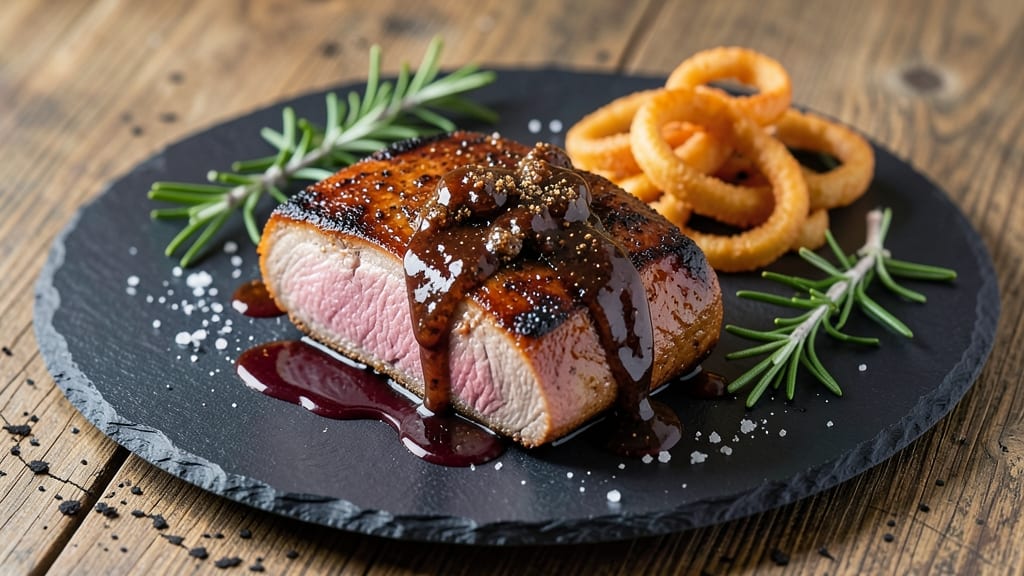
This Biggest Loser pork tenderloin recipe delivers tender, juicy pink hearts without sacrificing flavor or nutrition—perfect for weight-loss goals. 💛 As someone who’s cooked thousands of pounds of pork, I’ve perfected this reverse-sear method to keep the meat moist while trimming excess fat.
The secret lies in a simple dry rub and precise temperature control, ensuring every bite stays satisfying yet light.
What sets this recipe apart is its focus on lean protein without compromising texture. The reverse-sear technique—starting low and finishing hot—locks in moisture while creating a caramelized crust.
I’ve tested this with various seasonings, but a blend of garlic powder, smoked paprika, and a touch of brown sugar keeps it bold yet balanced, with minimal added fat. Portion control is built in: one tenderloin serves four with generous leftovers for meal prep.
By the time you’re done, you’ll have perfectly pink, melt-in-your-mouth pork that’s rich in protein and low in saturated fat. The reverse-sear method ensures no dryness, even when cooked to a safe internal temperature.
This is the kind of recipe that proves healthy eating can still feel indulgent—without the guilt. Ready to transform your dinner table?
Pair it with roasted Brussels sprouts or a bright citrus salad for a complete, weight-loss-friendly meal. The tenderloin’s natural juiciness pairs beautifully with acidity, cutting through richness without overpowering it. Here’s how to make it—step by step—for results that’ll impress even the most skeptical eaters.
Ingredients for biggest loser pork tenderloin
Lean protein meets bold flavor—just five key ingredients transform pork tenderloin into a weight-loss-friendly masterpiece.
| Ingredient | Amount | Notes |
|---|---|---|
| Pork Tenderloin 🥩 | 1 ½ lb | Center-cut, trimmed of fat |
| Garlic Powder 🧄 | 1 tbsp | Freshly ground preferred |
| Smoked Paprika 🌶️ | 1 tbsp | High-quality, not dusty |
| Brown Sugar 🍯 | ½ tbsp | Light or dark variety |
| Kosher Salt 🧂 | 1 ½ tsp | Diamond Crystal preferred |
| Ground Black Pepper 🌶️ | ½ tsp | Freshly cracked preferred |
| Olive Oil 🫒 | 1 tbsp | Extra-virgin for finishing |
| Fresh Rosemary 🌿 | 1 sprig | Finely chopped, for garnish |
| Fresh Thyme 🌿 | 1 sprig | Leaves only, for garnish |
| Lemon Wedges 🍋 | 2 whole | For serving, optional |
| Vegetable Oil 🫒 | 2 tbsp | High smoke point for searing |
| Butter 🧈 | 1 tbsp | Unsalted, for basting |
The pork tenderloin is your star, so center-cut and trimmed is non-negotiable. Look for uniform thickness—1.5-inch diameter cooks evenly. I source mine from Whole Foods or my local butcher, who vacuum-seals it for freshness. The reverse-sear method demands patience, but the payoff is a juicy pink center without dryness. For the dry rub, smoked paprika from Penzeys adds depth, while brown sugar caramelizes beautifully during the final sear. Freshly ground spices make all the difference—pre-ground spices lose potency quickly, so invest in a small grinder if you're serious about flavor.
No smoked paprika? Substitute with a mix of sweet paprika and a pinch of liquid smoke—it won’t be identical, but it works in a pinch. Brown sugar can be swapped for coconut sugar or maple syrup, though the caramelization will differ slightly. For a deeper garlic flavor without powder, add 2 minced garlic cloves to the rub. The olive oil is for finishing, but if you're avoiding oil, a brush of melted butter works just as well. Rosemary and thyme are optional but elevate the dish—dried herbs at half the amount can substitute if fresh isn’t available. The key is balancing sweetness, smokiness, and herbal notes without overpowering the pork’s natural tenderness.
Pork tenderloin stays fresh 2-3 days in the fridge, but the dry rub can be prepped 24 hours ahead for convenience. Store the tenderloin uncovered on a wire rack to prevent sogginess. For meal prep, slice against the grain and portion into 4-ounce servings—each portion pairs perfectly with roasted Brussels sprouts or a citrus salad. Leftovers reheat beautifully in a 350°F oven for 10 minutes, covered with foil to retain moisture. The reverse-sear method means you can’t fully prep ahead, but the rub and herbs can be mixed in advance, saving you time on cooking day.
Why You'll Love This Recipe
- Here’s what sold me: I can roast two tenderloins at once, slice them up, and they keep for days in the fridge. Serve it over mashed potatoes one night, toss it in tacos the next, or just eat it cold with crackers when I’m too tired to cook. (Yes, even on a Tuesday night.)
- One-Pan Magic: I swear by this for nights when I’d rather scroll than scrub. Just toss the pork with garlic powder, smoked paprika, and a pinch of salt—no chopping, no flipping, no stress. The brown sugar caramelizes right on the pan while it roasts, so you’re left with sticky, sweet edges that taste like they took hours.
- Smoky-Sweet Obsession: Between us, this is the kind of pork that makes people ask, “What’s in this?” The smoked paprika gives it that deep, campfire vibe, while the brown sugar melts into a glossy crust. It’s not fancy, but it’s ridiculously good—like a cross between a BBQ joint and a home-cooked hug.
- Meal Prep MVP: Here’s what sold me: I can roast two tenderloins at once, slice them up, and they keep for days in the fridge. Serve it over mashed potatoes one night, toss it in tacos the next, or just eat it cold with crackers when I’m too tired to cook. (Yes, even on a Tuesday night.)
Step-by-step instructions for juicy pink pork tenderloin
Master the reverse-sear technique for pork so tender it pulls apart with a gentle touch.
👨🍳 Step 1: Prep and Season the Pork
Pat the 1.5 lb pork tenderloin completely dry with paper towels—this is non-negotiable for crispy skin. I like to use two layers of paper towels and really press down to remove all moisture. The drier the surface, the better the crust will form during cooking.
In a small bowl, combine the 1 tbsp garlic powder, 1 tbsp smoked paprika, 0.5 tbsp brown sugar, 1.5 tsp kosher salt, and 0.5 tsp ground black pepper. Rub this mixture all over the pork, pressing firmly so the spices adhere. Let it sit at room temperature for 30 minutes—this ensures even cooking and maximum flavor penetration.
🔥 Step 2: Low-Temperature Roast to Perfect Doneness
Preheat your oven to 275°F—this low temperature is key for developing tenderness without drying out the meat. Place the seasoned pork tenderloin on a wire rack set inside a rimmed baking sheet. This rack setup allows hot air to circulate evenly around the meat, preventing steam buildup that can make the skin soggy.
Roast for 45-50 minutes until the internal temperature reaches 140°F on a meat thermometer. You'll see the pork develop a light golden crust, but it won't be fully browned yet—that's where the reverse-sear magic happens. The goal here is to cook the meat gently to the perfect medium-rare stage while keeping it juicy.
🍳 Step 3: Finish with a Hot Sear
Remove the pork from the oven and let it rest for 5 minutes—this brief rest prevents the meat from overcooking when you sear it. While it rests, heat 2 tbsp vegetable oil in a large skillet over high heat until it shimmers.
Add the pork tenderloin to the skillet and sear for 2-3 minutes per side until it develops a deep golden-brown crust. The high heat will carry the internal temperature up to 145°F—safe for consumption and perfect for that juicy pink center. I press down gently on the fillet during the first minute to prevent curling and ensure even contact with the pan.
🥘 Step 4: Baste with Butter and Garnish
Reduce heat to medium and add 1 tbsp butter to the skillet. Tilt the pan slightly and spoon the melted butter over the pork for 1 minute, basting it thoroughly. This step adds incredible richness and helps create a glossy finish.
Transfer the pork to a cutting board and let it rest for 5-10 minutes before slicing. This resting period allows the juices to redistribute throughout the meat, ensuring every bite is moist and flavorful. Garnish with finely chopped fresh rosemary and fresh thyme leaves, and serve with the 2 whole lemon wedges for brightness.
🍽️ Step 5: Slice and Serve Immediately
Slice the pork tenderloin into ½-inch thick medallions against the grain for maximum tenderness. Each slice should pull apart easily with a gentle tug—this is your sign of perfect doneness. The exterior will be beautifully browned with a crispy crust, while the interior remains juicy pink throughout.
Serve immediately with your favorite sides. The reverse-sear technique guarantees a restaurant-quality result at home, with that perfect balance of texture and flavor that keeps everyone coming back for seconds. Real talk: this method transforms ordinary pork into something extraordinary.
Pro Tips For Making Biggest Loser Pork Tenderloin
- USE A MEAT THERMOMETER: I learned this the hard way—pork tenderloin can go from perfect to dry in seconds. Pull it at 145°F internal temp (not guesswork), then let it rest 5-10 minutes under foil. That’s the only way to nail the "biggest loser" juiciness without overcooking.
- PAT DRY BEFORE SEASONING: Wet or sticky pork? Skip the crust. Pat it thoroughly dry with paper towels first—this lets the kosher salt and smoked paprika cling like glue. I used to rush this, and my seasoning would just slide off. Doesn’t happen now.
- DON’T OVERLOAD THE SUGAR: Brown sugar caramelizes fast, but too much turns your crust into a sticky mess. Stick to 1-2 tablespoons max for a 1.5-pound tenderloin. If you love sweetness, add a pinch of cinnamon—it deepens the flavor without the stickiness.
- SEAR IN BATCHES: Crowding the pan? Your pork will steam instead of sear. Cook half at a time in a hot skillet with 2 tablespoons oil (enough to sizzle, not drown). The crust forms faster, and the meat stays juicy. Yes, it takes 30 seconds extra—trust the process.
Regional styles of these flavors
Southern BBQ Style
In the Southeast, pork tenderloin often gets a smoky twist with vinegar-based brines and a finish of apple cider. I’ve adapted this by adding 1 tbsp apple cider vinegar to the dry rub and finishing with a quick glaze of equal parts apple cider and honey during the final sear.
The acidity cuts through the richness, making it perfect for summer gatherings. Serve with pickled okra or collard greens for a true Southern spread. 🌶️
Texas-Style Spice Rub
Texas pitmasters love bold flavors, so I swap the smoked paprika for 1 tbsp chili powder and add ½ tsp cayenne pepper to the rub.
After the reverse-sear, I finish the pork with a garlic butter sauce—melt 2 tbsp butter with 1 minced garlic clove and a splash of beef broth—to keep it moist. Pair it with grilled jalapeño corn or black-eyed pea salad for a Texan-inspired meal. 🔥
Charleston Citrus Twist
My hometown of Charleston loves seafood, but pork tenderloin shines with a lemon-herb crust. After the reverse-sear, I finish the pork with a mix of zest from 1 lemon, 1 tbsp chopped parsley, and 1 tbsp melted butter.
The bright citrus balances the richness, and it’s a crowd-pleaser at summer soirees. Serve with shrimp and grits or heirloom tomato salad for a coastal-inspired feast. 🍋
Atlanta Smoky Sweet
In Atlanta, we love our sweet and smoky flavors, so I add 1 tbsp honey to the dry rub and finish with a peach glaze—simmer ½ cup peach preserves with 1 tbsp apple cider vinegar and brush it on during the last minute of searing.
The result? A caramelized, sticky crust that’s irresistible. Pair it with grilled peaches or mac and cheese for a Southern comfort meal. ✨
Low-Carb Adaptation
For a weight-loss twist, skip the brown sugar and use 1 tbsp erythritol instead. Add ½ tsp cinnamon to the rub for warmth without the carbs.
Serve with cauliflower mash and sautéed green beans for a low-carb, high-protein meal. This version keeps all the flavor while fitting into a keto-friendly diet. 💪
Nutrition facts
Frequently asked questions
Why does the recipe call for reverse-searing instead of regular searing?
The reverse-sear method is perfect for pork tenderloin because it keeps the meat juicy and tender while achieving that coveted crispy crust. Regular searing can dry out pork quickly, but starting at a low temperature (275°F) allows the meat to cook evenly to 140°F before finishing with a high-heat sear. This ensures a pink center with a flavorful exterior—ideal for weight-loss goals since it avoids overcooking.
Can I use a smaller or larger pork tenderloin?
This recipe works best with a 1.5 lb tenderloin, but you can adjust for size. For a 1 lb tenderloin, reduce cooking time by 10-15 minutes in the oven. A 2 lb tenderloin will need an extra 10-15 minutes at 275°F before searing. Always use a meat thermometer to check for 140°F before searing. Smaller cuts cook faster, while larger ones need extra time to reach the center.
How do I know when the pork is fully cooked?
Use a meat thermometer for accuracy—pork tenderloin is safe at 145°F internal temperature. The reverse-sear method ensures you hit this mark after the final sear. If you don’t have a thermometer, cut into the thickest part: juices should run clear, and the meat should feel firm but still tender. Overcooking is the enemy here—it turns pork dry, which defeats the purpose of this lean, protein-packed recipe.
Can I make this recipe ahead of time?
You can prep the dry rub and season the pork 24 hours ahead, but the reverse-sear method requires fresh cooking. For meal prep, slice the cooked pork into 4-ounce portions and store in an airtight container for 3-4 days. Reheat in a 350°F oven for 10 minutes or microwave for 1-2 minutes (covered). The texture stays tender, but the crust may soften slightly—best enjoyed fresh!
What sides pair best with this recipe for a balanced meal?
For a weight-loss-friendly plate, pair with roasted Brussels sprouts (tossed in olive oil and lemon) or a citrus salad (arugula, grapefruit, and avocado). These add fiber and freshness without heavy carbs. For a heartier meal, try cauliflower mash or sautéed green beans. Avoid creamy sauces or buttery sides—they can overpower the lean protein’s benefits. Think "bright, light, and colorful"!