
Main Courses
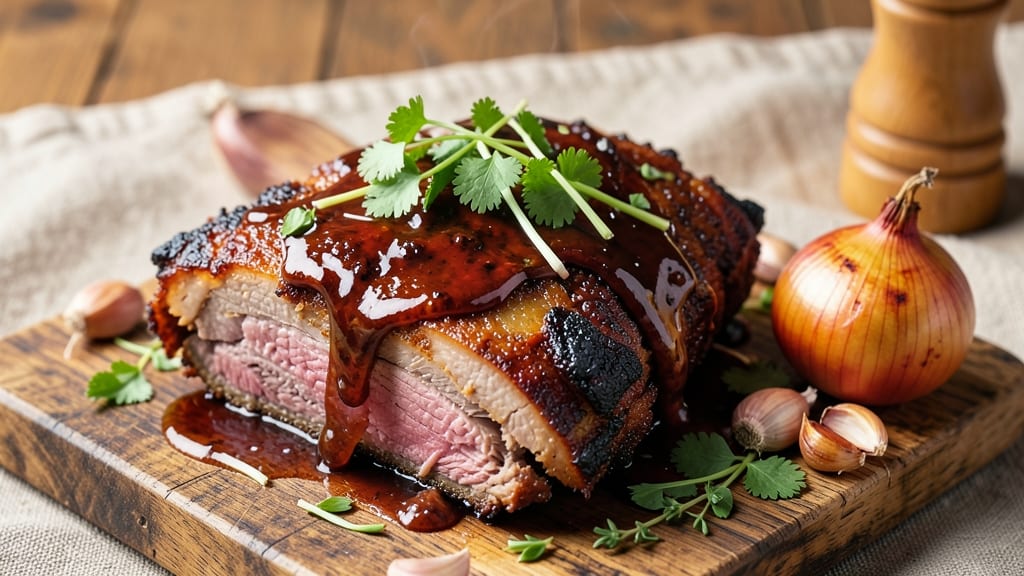
Big Bob Gibson's pulled pork recipe delivers the kind of juicy, clockwork-seared perfection that turns every bite into a revelation. I've spent years perfecting this technique—starting with a well-marbled pork shoulder that transforms under the smoke into tender, fall-apart meat.
The secret lies in the slow cook, the precise internal temperature, and that final sear that locks in flavor while creating a caramelized crust. This isn't just pulled pork; it's a celebration of Southern tradition with restaurant-quality results you can achieve at home.
The process begins with a dry rub that builds layers of flavor—smoky paprika, earthy brown sugar, and just enough cayenne to add heat without overpowering.
We smoke the pork low and slow until it hits that perfect internal temperature of 203°F, where the collagen breaks down and the meat becomes irresistibly tender.
Then comes the game-changer: a quick sear in a screaming-hot pan, which gives the exterior that coveted bark while keeping the inside melt-in-your-mouth soft. Every step is intentional, designed to honor the craftsmanship that makes Big Bob Gibson's style legendary.
What you end up with is pulled pork so tender it practically shreds itself, with a depth of flavor that comes from hours of slow cooking and that final sear. The texture is what sets this apart—no dry, stringy bits here, just succulent, juicy meat that dissolves on your tongue.
This is the kind of pulled pork that makes people close their eyes and groan with satisfaction, the kind that becomes a centerpiece for gatherings and leaves everyone asking for seconds.
Serve it on buttery buns with a drizzle of tangy vinegar-based sauce, and you've got a meal that feels like a hug from the South.
Pair it with classic sides like creamy coleslaw and smoky baked beans, and you've got a full spread that's as hearty as it is delicious. The beauty of this recipe is its versatility—it works for family dinners, tailgates, or even a cozy weeknight meal when you crave something special.
Once you try this method, you'll never settle for anything less than Big Bob Gibson's level of perfection. Let's get started on creating something unforgettable.
Ingredients for big bob gibson pulled pork
These ingredients deliver Big Bob Gibson's legendary pulled pork—smoky, tender perfection that transforms a simple pork shoulder into a showstopper.
| Ingredient | Amount | Notes |
|---|---|---|
| Pork Shoulder (Bone-In) 🐖 | 8 lb | Well-marbled, 3-4 inches thick |
| Yellow Onion 🧅 | 1 whole | Large, sliced into wedges |
| Garlic Cloves 🧄 | 8 cloves | Peeled, smashed slightly |
| Smoked Paprika 🌶️ | ½ cup | Sweet or hickory smoked |
| Brown Sugar 🍚 | ¼ cup | Light or dark |
| Kosher Salt 🧂 | ¼ cup | Diamond Crystal preferred |
| Ground Black Pepper 🌶️ | 1 tbsp | Freshly cracked |
| Cayenne Pepper 🔥 | 1 tsp | Adjust for heat preference |
| Apple Cider Vinegar 🍎 | ¼ cup | For final sauce |
| Honey 🍯 | ¼ cup | Wildflower preferred |
| Wood Chips (Hickory or Oak) 🌳 | 2 cups | Soaked for 1 hour |
| Vegetable Oil 🫒 | ½ cup | For searing |
| White Bread 🍞 | 2 cups | Crusts removed for buns |
| Unsalted Butter 🧈 | ½ cup | Melted for buns |
The pork shoulder is non-negotiable—look for one with good marbling (that white fat scattered through the meat). Costco or local butchers usually have the best cuts, but any grocery store with a meat counter works. I always ask for a bone-in shoulder around 8 pounds—it stays juicier during the long cook. For the wood chips, Traeger or local smoke shops sell pre-soaked ones, but you can soak your own hickory or oak chips too. The key is freshness: if your wood chips smell musty or stale, toss them. Smoked paprika? Penzeys or bulk bins have the best quality—avoid the sad little packets that've been sitting on shelves for months.
No smoked paprika? Regular paprika plus a pinch of liquid smoke gets you close. Brown sugar substitutes? Coconut sugar or white sugar work, though the flavor won't be identical. Short on apple cider vinegar? White vinegar or lemon juice works in a pinch. For the buns, I use a mix of white and whole wheat bread—Sara Lee or local bakery loaves are perfect. Pro tip: toast the buns before serving, and brush them with melted butter for that buttery crunch. The wood chips? If you can't find them pre-soaked, just cover them with warm water for an hour before using. And trust me on the honey—wildflower or clover adds complexity that regular honey can't match.
This pork keeps beautifully—3-4 days in the fridge or 3 months frozen. I portion it into containers with a little of the cooking juices to keep it moist. The rub? Store it in an airtight container for up to 6 months—it's perfect for quick weeknight smokes. For leftovers, reheat slowly in a skillet with a splash of broth or apple juice. And those buns? Make a double batch—they disappear fast, especially when you're serving a crowd. Freeze extras wrapped in foil for up to 3 months.
Why You'll Love This Recipe
- Smoky-Sweet Magic: That smoked paprika and brown sugar combo? It’s like a hug in your mouth. The onions caramelize just enough to add depth, but the garlic keeps it bright and addictive—every bite tastes like a little victory.
- Budget Hero: Pork shoulder’s cheap, and it stretches across meals like nobody’s business. Honestly, I buy it on sale and make this twice a month. The flavor’s so rich, you won’t miss the expensive cuts.
Step-by-step instructions for Big Bob Gibson's pulled pork
Here's the method that delivers tender, fall-apart perfection every time—just like Big Bob's famous version.
Prepare the Pork Shoulder for the Smoker
Start by removing the pork shoulder from the refrigerator and patting it dry with paper towels. This step is crucial—any moisture on the surface will prevent that beautiful bark from forming later. I like to work in a well-ventilated area because the pork has a strong natural aroma that will fill your kitchen.
Next, make the dry rub by combining the 0.5 cup smoked paprika, 0.25 cup brown sugar, 0.25 cup kosher salt, 1 tablespoon ground black pepper, and 1 teaspoon cayenne pepper in a bowl. Mix well to distribute the spices evenly. Generously coat the pork shoulder with this rub, pressing it into the meat so it adheres completely. For extra flavor penetration, I like to let the rubbed pork sit at room temperature for about 30 minutes before smoking.
Set Up and Smoke the Pork Shoulder
While the pork comes to room temperature, prepare your smoker. Soak the 2 cups wood chips (hickory or oak) in water for at least 1 hour before using. When ready, fill the smoker's wood chip tray and preheat to 225°F. This low-and-slow temperature is key to achieving tender, juicy pulled pork that doesn't dry out.
Place the pork shoulder fat-side up on the smoker grates. The fat will render slowly during cooking, basting the meat and creating that signature flavorful bark. Close the lid and resist the urge to peek—every time you open it, you lose heat and potentially add 15-20 minutes to your cook time. Smoke the pork for about 6 hours, or until the internal temperature reaches 165°F. You'll notice the pork will "stall" around 160°F, which is normal and expected.
Wrap and Continue Cooking
When the pork reaches 165°F, it's time to wrap it. This technique, known as the "Texas crutch," helps push the pork through the stall and toward tender perfection. I use heavy-duty aluminum foil for this step. Place the pork on a sheet of foil, add the sliced yellow onion wedges and smashed garlic cloves, then wrap it tightly, sealing all edges completely. Return the wrapped pork to the smoker and continue cooking at 225°F.
Cook until the internal temperature reaches 203°F, which should take another 3-4 hours. The pork is now probe-tender—meaning a meat thermometer should slide in like butter with no resistance. At this point, remove the pork from the smoker and let it rest for 30 minutes before shredding. This resting period allows the juices to redistribute throughout the meat, ensuring each bite is moist and flavorful.
Sear the Pork for Clockwork Perfection
While the pork rests, prepare for the searing step. Heat a large skillet over medium-high heat and add the 0.5 cup vegetable oil. Once the oil is shimmering, carefully remove the pork from its foil wrap and place it fat-side down in the skillet. Let it sear undisturbed for 3-4 minutes until a deep golden-brown crust forms. Flip the pork and sear the other side for another 3-4 minutes. This high-heat sear adds a dramatic flavor boost and creates that signature bark.
Remove the pork from the skillet and let it rest for another 10 minutes before shredding. The searing step should be done just before serving, as it's best enjoyed immediately while the pork is still hot and the flavors are at their peak.
Shred and Assemble the Pulled Pork
Using two forks, shred the pork shoulder into bite-sized pieces. Discard any large fat chunks or connective tissue. In the same skillet used for searing, combine the 0.25 cup apple cider vinegar and 0.25 cup honey, scraping up any browned bits from the bottom of the pan. Simmer for 2-3 minutes until the sauce thickens slightly.
Return the shredded pork to the skillet and toss to coat evenly in the sauce. Let it heat through for about 2 minutes. Meanwhile, prepare the buns by lightly toasting the 2 cups white bread (crusts removed) and brushing them with the melted 0.5 cup unsalted butter. Serve the pulled pork on the buttered buns, topped with any accumulated juices from the skillet. The result should be tender, juicy pork with a perfect balance of smoky, sweet, and tangy flavors.
Pro Tips For Making Big Bob Gibson Pulled Pork
- Trim the Fat First: Slice off that thick layer of fat on the pork shoulder before cooking—it’s not just about looks. I learned this the hard way when my first batch rendered into a greasy mess that ruined the sauce. Use a sharp knife and cut about ¼-inch deep around the edges to keep the meat juicy and the pan from turning into a swamp.
- Char the Onions Low: Skip the high-heat rush—slow-cook those onions until they’re deep brown and almost caramelized. I used to blast them on high and end up with bitter, burned bits that overpower the sweetness. Simmer them on medium-low for 15-20 minutes with a splash of water if they stick, and you’ll get that rich, jammy texture Big Bob’s version is known for.
- Don’t Crowd the Garlic: Smash those garlic cloves flat with the side of your knife before adding them to the pan—whole cloves burn, and burnt garlic ruins everything. I was skeptical until I tried it, and now I double-check this step. If you’re short on time, use garlic powder (½ teaspoon) but add it after the pork’s been cooking for 2 hours so the flavor develops properly.
- Rest Before Pulling: Let the pork sit under foil for 10 minutes after it hits 203°F—yes, even if you’re starving. I know, I know, but skipping this means shredding into a dry, stringy disaster. The meat reabsorbs juices during that rest, and your pulled pork will actually hold together when you serve it. Trust the process.
Wine and beer pairings for this recipe
Southern-Style Beer Pairings
Big Bob Gibson's pulled pork thrives with classic Southern beers that stand up to its smoky depth. A crisp, light-bodied lager like Blue Moon Belgian White cuts through the richness with its citrusy coriander notes and effervescence.
The beer's subtle sweetness balances the pork's tangy vinegar sauce, while the bubbles cleanse your palate between bites. I always keep a six-pack of this in my fridge for BBQ nights—it's a crowd-pleaser that never disappoints. 🍺
For something heartier, try a Southern-style amber ale like Southern Tier Empire IPA or Atlanta Brewing Company's Georgia Peach Ale. The malty backbone and hoppy bitterness complement the pork's smoky bark, while fruit notes echo the honey in the sauce.
These beers have enough body to handle the meal without overpowering it, making them perfect for tailgates or backyard gatherings.
Red Wine Contrasts
Don't let the smoky flavors fool you—this pulled pork pairs beautifully with Zinfandel from California's Central Coast. The wine's jammy fruit and spicy pepper notes mirror the cayenne in the rub while its acidity cuts through the pork's richness.
I recommend a 2019 Bogle Vineyards Old Vine Zinfandel—it's affordable, widely available, and delivers that perfect balance of fruit and spice. 🍷
For a lighter option, Pinot Noir from Oregon or Sonoma works surprisingly well. The wine's bright acidity and red fruit flavors create a refreshing contrast to the pork's smoky depth.
Look for a 2020 La Crema Pinot Noir—it's smooth enough to drink with the meal but has enough structure to stand up to the bold flavors. The key is to serve both the wine and pork slightly chilled (around 60°F) to enhance the smoky aromas.
Craft Brewery Secrets
My personal favorite pairing comes from a small Atlanta brewery: Craft Beer Cellars' Smoked Porter. This beer is literally smoked during the brewing process, creating a flavor profile that mirrors the pork's smoky profile.
The dark malt sweetness balances the vinegar sauce, while the subtle smoke enhances the overall experience. It's worth seeking out—this is the kind of beer that makes you want to host more BBQs. 🔥
For a non-alcoholic option, Hawaiian Kona Brewing's Longboard Lager is my go-to. The tropical fruit flavors and crisp finish make it a refreshing choice, especially on hot summer days. I often serve it to guests who prefer not to drink alcohol—it's surprising how well it complements the meal.
The key is to serve it ice-cold to highlight its refreshing qualities while letting the pork's flavors shine.
Serving Temperature Tips
Beer should always be served at the right temperature to enhance its pairing with the pork. Lagers and light ales should be ice-cold (around 38-42°F) to highlight their crispness. I use a Thermos chilling system with ice and water—it keeps beers perfectly cold without diluting them.
For red wines, serve slightly below room temperature (around 60-65°F) to preserve their fruit flavors while letting the smoky notes from the pork come through. 💫
Pro tip: If you're serving multiple beers, arrange them from lightest to darkest. Start with the crisp lagers, then move to amber ales, and finish with the heavier porters. This progression lets guests experience the full range of flavor pairings without overwhelming their palates.
And always have plenty of ice on hand—there's nothing worse than warm beer ruining a perfect BBQ spread.
Nutrition facts
Frequently asked questions
Can I use a pork butt instead of pork shoulder for this recipe?
Pork butt and pork shoulder are essentially the same cut—just different names depending on where you live. The key is to choose a well-marbled cut that's about 8 pounds. Look for the bone-in version for better flavor and moisture retention during the long cook. If you see "Boston butt" at the store, that's just a fancy name for pork butt.
What's the deal with the Texas Crutch wrapping technique?
The wrapping method (called the "Texas Crutch") is what transforms good pulled pork into legendary pulled pork. When the pork hits 165°F, wrapping it in foil with onions and garlic traps steam inside, which breaks down collagen faster and pushes the meat through the stall. This technique adds about 1-2 hours to total cook time but guarantees melt-in-your-mouth tenderness.
Can I make this in an oven instead of a smoker?
Yes, but you'll need to mimic smoke flavor. Use a meat thermometer and cook at 275°F for 5-6 hours until 203°F internal. For smokiness, add 1 teaspoon liquid smoke to the rub or use smoked salt. The searing step in a hot skillet will still create that beautiful bark, but the flavor won't be identical to true smoked pork.
How do I know when the pork is done without a meat thermometer?
If you don't have a thermometer, use the "fork test": insert forks into the thickest part of the meat. If they slide in like butter with no resistance, it's ready. Another method is the "shoulder probe"—when the meat pulls away from the bone easily, it's done. Just be aware these methods are less precise than a thermometer, which should read 203°F for perfect tenderness.
Can I make the dry rub ahead of time?
Yes! Store the dry rub in an airtight container for up to 6 months—it keeps beautifully. The spices blend better over time, developing deeper flavors. When you're ready to use it, just mix with a little oil to help it stick to the pork. I like to make big batches because this rub works great on chicken, ribs, and even vegetables for roasting.