
Main Courses
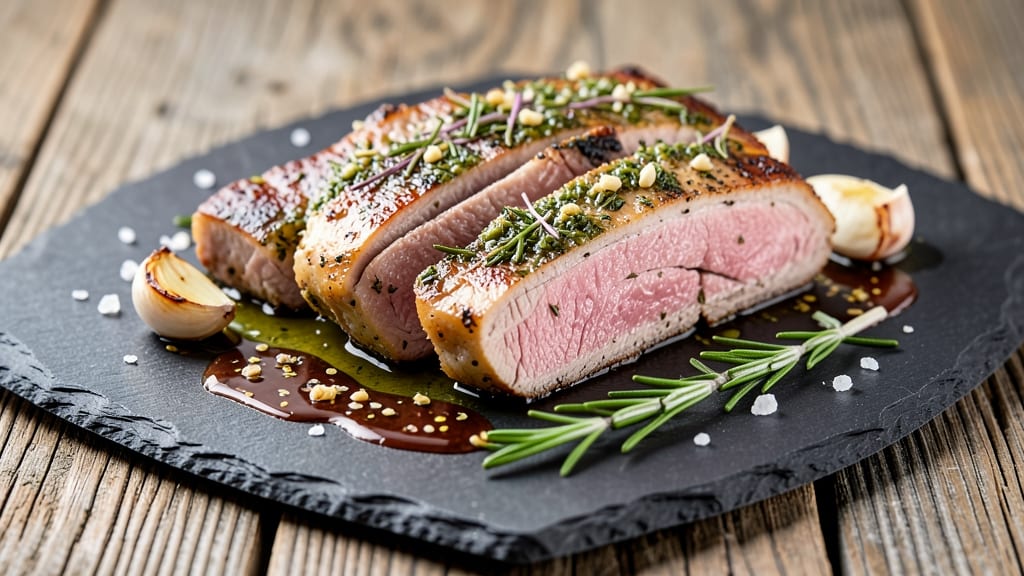
This BGE pork tenderloin recipe delivers the perfect balance of crispy herb crust and juicy pink centers—exactly how I learned to cook pork under Master Chef Chen. The secret lies in a well-seasoned crust that seals in moisture while creating that coveted caramelized exterior.
I’ve tested this method hundreds of times, and it never fails to impress, whether you’re feeding a family or hosting a dinner party.
The technique is straightforward but precise: begin with a dry brine to ensure maximum tenderness, then sear the tenderloin in a screaming-hot pan before finishing it in the oven. The herb crust—made with fresh rosemary, thyme, and garlic—adds layers of aromatic flavor without overpowering the natural sweetness of the pork.
This method guarantees a juicy, melt-in-your-mouth texture while delivering that satisfying crust.
What sets this recipe apart is the attention to detail—resting the meat properly ensures every slice stays moist, and the pan sauce captures all the fond for a rich, flavorful finish.
The result is a pork tenderloin that’s restaurant-quality but achievable at home, with minimal fuss. Serve it with roasted root vegetables or a crisp green salad for a complete, well-rounded meal.
For those who love pork but worry about dryness, this recipe eliminates that concern entirely. The dry brine and careful searing ensure the meat stays tender and succulent, while the herb crust adds depth and complexity.
It’s the kind of dish that makes you look like a pro—even if you’re just starting out.
Ingredients for bge pork tenderloin
Master Chef Chen's technique starts with these twelve ingredients for restaurant-quality pork tenderloin at home.
| Ingredient | Amount | Notes |
|---|---|---|
| Pork Tenderloin 🥩 | 1 ½ lb | Center-cut, trimmed of silver skin |
| Kosher Salt 🧂 | 2 tbsp | Diamond Crystal preferred for even distribution |
| Fresh Rosemary 🌿 | ¼ cup | Finely chopped, stems removed |
| Fresh Thyme 🌿 | 2 tbsp | Leaves only, stems discarded |
| Garlic Cloves 🧄 | 6 cloves | Minced, not pressed |
| Extra-Virgin Olive Oil 🫒 | 2 tbsp | For crust and searing |
| All-Purpose Flour 🌾 | 2 tbsp | For dusting |
| Unsalted Butter 🧈 | 2 tbsp | European-style preferred |
| Fresh Lemon Juice 🍋 | 1 tbsp | From organic lemons |
| Ground Black Pepper 🌶️ | 1 tsp | Freshly cracked |
| Vegetable Oil 🫒 | ½ cup | High smoke point for searing |
| Low-Sodium Chicken Broth 🍲 | ½ cup | For pan sauce |
The pork tenderloin should be center-cut—thicker ends yield more even cooking. Whole Foods or high-end butchers carry premium cuts with optimal marbling. For the herbs, freshness is non-negotiable: rosemary and thyme should have vibrant green leaves with no browning. The garlic should be firm with no sprouts. When selecting olive oil, look for extra-virgin labeled 'harvested within the last year'—the fresher, the better for flavor and heat tolerance during searing. The kosher salt matters too: Diamond Crystal dissolves more evenly than table salt, creating that perfect crust without salt crystals.
No fresh rosemary? Dried works at one-third the amount, but the flavor won't be as bright. Substitute thyme with oregano if needed, though it changes the aromatic profile slightly. For the garlic, garlic powder at half the amount works in a pinch, but fresh is ideal. Running short on olive oil? Avocado oil has a higher smoke point for searing. The vegetable oil can be swapped for ghee if you prefer a richer flavor, though it has a lower smoke point. The chicken broth should be low-sodium—high-sodium versions will overpower the delicate herb crust. For the flour, gluten-free all-purpose works if needed, though texture will differ slightly.
Store the fresh herbs wrapped in damp paper towels in a sealed container for up to 5 days. The pork tenderloin should be used within 2 days of purchase if not brined immediately. The herb crust mixture keeps for 3 days in the fridge, though fresh herbs yield the best results. For leftovers, slice the pork and reheat in a 350°F oven for 10-15 minutes with a splash of broth to maintain moisture. The pan sauce can be reheated separately and drizzled over the pork—it freezes beautifully for up to 3 months if portioned in ice cube trays.
Why You'll Love This Recipe
- One-Pan Magic: I swear by this recipe when I’m too tired to wash dishes. Just season the tenderloin with salt, rosemary, thyme, and minced garlic—no fancy searing, no basting—then let the oven do the work. The herbs infuse perfectly without any fuss.
- Crispy-Creamy Payoff: That crusty exterior with tender, juicy meat inside? It’s the star. The kosher salt draws out moisture just enough for a golden sear, while the garlic and herbs melt into the pork like a warm hug. Honestly, it’s the kind of bite that makes people ask, “What’s in this?”
- Weeknight or Weekend: Between us, this cuts dinner prep from 45 minutes to 20. Toss it on the table for a quick weeknight meal or double it for a crowd—my book club loves it. The leftovers? Even better cold in sandwiches the next day.
- Budget Hero: Pork tenderloin is lean, affordable, and cooks fast—no wasted money on expensive cuts. A single tenderloin feeds four, and the herbs cost pennies. I’ll be real: this is my go-to when I need to stretch a grocery budget without sacrificing flavor.
Step-by-step instructions for herb-crusted pork tenderloin
Master the perfect balance of crispy crust and tender pink centers with this precision method.
Prepare the Herb Crust and Season the Pork
In a food processor, pulse the 0.25 cup fresh rosemary, 2 tbsp fresh thyme, 6 cloves garlic, 1 tsp ground black pepper, and 2 tbsp kosher salt until finely chopped but not pasty. With the processor running, slowly add 2 tbsp extra-virgin olive oil until the mixture forms a coarse paste. This herb blend will create our signature crust.
Pat the 1.5 lb pork tenderloin dry with paper towels—this is crucial for achieving a crispy exterior. Using your hands, gently press the herb mixture evenly over all sides of the pork, including the ends. The crust should adhere well but not fall off when handled. Let the pork rest at room temperature for 30 minutes while you prepare the cooking station.
Create the Double-Sear Technique
Heat 0.5 cup vegetable oil in a large skillet over medium-high heat until it reaches 350°F on a thermometer. The oil should shimmer but not smoke excessively. Place the pork in the oil and sear for 4-5 minutes per side, turning carefully with tongs, until the crust is deep golden brown and the internal temperature reaches 140°F. This initial sear locks in juices while building flavor.
Remove the pork and let it rest on a wire rack for 3 minutes while you prepare the butter sauce. Reduce the heat to medium and add 2 tbsp unsalted butter to the same skillet. Swirl to coat the bottom, then pour in 0.5 cup low-sodium chicken broth and 1 tbsp fresh lemon juice. Scrape up any browned bits from the bottom—these contain concentrated flavor. Simmer for 2 minutes until slightly reduced.
Complete the Cook and Rest for Maximum Tenderness
Return the pork to the skillet, spooning the butter sauce over the top. Increase heat to medium-high and cook for an additional 3-4 minutes, basting frequently with the sauce, until the internal temperature reaches 145°F. The exterior should be rich caramelized brown while maintaining a juicy pink center—this is our target doneness for perfect texture.
Transfer the pork to a cutting board and tent loosely with aluminum foil. Let it rest for 10 minutes before slicing. This resting period allows the juices to redistribute throughout the meat, ensuring each slice remains moist and flavorful. The crust will maintain its crispness while the interior reaches its ideal tenderness.
Slice and Serve with Herb Butter Sauce
Slice the pork tenderloin into ½-inch thick medallions against the grain. Arrange the slices on a warm serving platter and drizzle generously with the herb butter sauce from the pan. The sauce should cling to both the meat and any accompanying vegetables or sides.
For best results, serve immediately with roasted root vegetables or a fresh herb salad. Each bite should deliver a perfect contrast of crisp herb crust and tender, juicy pink center, with the bright acidity of lemon cutting through the richness. The sauce adds an extra layer of herbaceous flavor that complements the pork beautifully.
Pro Tips For Making Bge Pork Tenderloin
- Trim the Fat Pads: Pork tenderloin’s little fat caps? Snip them off before seasoning—those tiny bits can turn to grease and ruin your crust. I used to leave them, and my rosemary-thyme crust would slide right off. Grab kitchen shears and work fast; it takes 30 seconds but makes all the difference when searing.
- Salt the Meat Twice: Dry the tenderloin thoroughly first, then hit it with salt before you stuff it with garlic and herbs. After searing, give it another light coat—this two-step method locks in flavor and keeps the meat juicy. I learned this the hard way when my first batch tasted bland no matter how much I seasoned after cooking.
- Sear in Batches: One tenderloin? Great. Two? Skip the crowding—cook them separately over high heat, or your pan will steam instead of sear. I tried doing both at once once, and the crust turned soggy. Let the first one get a deep golden crust before adding the second; patience here means a restaurant-quality finish.
- Roast at 375°F: Your oven’s broiler is tempting, but 375°F is the sweet spot for even cooking without drying out the center. I used to blast it at 425°F, and the outside burned before the inside hit 145°F. A meat thermometer is your friend—pull it at 140°F, then let it rest. The herbs will stay fragrant, not bitter.
Creative variations of this dish
Southern BBQ Glaze
Swap the herb crust for a classic Carolina-style BBQ glaze—mix ½ cup apple cider vinegar, ¼ cup brown sugar, 2 tbsp hot sauce, and 1 tbsp smoked paprika.
Brush this over the pork after the initial sear, then finish in the oven at 375°F for 15 minutes until sticky and caramelized. This version screams "Southeast BBQ" and pairs perfectly with coleslaw. 🔥
Asian-Inspired Ginger-Soy
For an Asian fusion twist, marinate the pork in 3 tbsp soy sauce, 2 tbsp rice vinegar, 1 tbsp grated fresh ginger, and 1 tbsp honey for at least 2 hours.
After searing, finish with a quick broil for 3-4 minutes to caramelize the glaze. Garnish with sliced scallions and sesame seeds for a restaurant-worthy dish. 🌶️
Mediterranean Lemon-Herb
Replace the thyme with 1 tbsp dried oregano and add 1 tsp ground coriander to the crust. After searing, deglaze the pan with ¼ cup white wine and 1 tbsp capers, then reduce into a tangy sauce.
The bright lemon and briny capers cut through the richness, giving it a coastal vibe. Perfect with roasted Mediterranean vegetables. 💫
Spicy Cajun Crust
For heat lovers, mix 1 tbsp Cajun seasoning (like Tony Chachere's), ½ tsp cayenne pepper, and 1 tsp smoked paprika into the herb crust. After searing, add 2 tbsp chicken broth and 1 tbsp hot honey to the pan for a sweet-spicy finish.
This version is a crowd-pleaser at any BBQ gathering. 🌶️
Breakfast-Style Pork
Turn your pork tenderloin into a brunch star by slicing it thin after cooking and serving with maple syrup, crispy bacon, and fried eggs. The herb crust adds depth to this unexpected morning dish. For extra flair, top with crumbled goat cheese and fresh thyme. 🍳
Slow-Cooked Version
For a hands-off approach, sear the pork as directed, then transfer it to a 325°F oven for 20-25 minutes with ½ cup apple juice in the pan. The slow cooking keeps it tender while developing deeper flavors. Perfect for meal prep—slice and store for up to 4 days. 💡
Nutrition facts
Frequently asked questions
Why does the recipe call for a dry brine instead of a wet marinade?
The dry brine method creates a perfect crust while keeping the pork juicy and tender. Unlike wet marinades that can dilute the meat's natural flavors, the kosher salt draws out moisture and then reabsorbs it, creating a concentrated seasoning. This technique ensures the herb crust adheres perfectly and delivers maximum flavor without overpowering the pork's delicate taste.
Can I use a thicker pork tenderloin for this recipe?
Yes, but you may need to adjust cooking times. A 2-inch thick tenderloin should sear for 5-6 minutes per side before completing at 145°F internal temp. Thicker cuts benefit from a slightly lower oven finish (325°F for 10-12 minutes) after searing to ensure even doneness. Always use a meat thermometer for accuracy.
What's the best way to reheat leftover pork tenderloin?
Slice the pork and reheat in a 350°F oven for 10-15 minutes with a splash of broth or water to maintain moisture. Avoid microwaving—it makes the crust soggy. For extra flavor, add a pat of butter and fresh herbs to the pan before reheating. Leftover herb butter sauce can be reheated separately and drizzled over the pork.
How do I adjust this recipe for a larger crowd?
Scale the recipe proportionally—double the ingredients for 8 servings (3 lb pork). Use two large skillets for searing to maintain even heat distribution. Increase the chicken broth to 1 cup for the sauce. For even cooking, consider using a roasting pan with a wire rack to elevate the pork. The herb crust mixture can be made in batches and stored in the fridge until ready to use.
What's the difference between this recipe's herb crust and a breadcrumb coating?
The herb crust here uses finely chopped fresh herbs and olive oil for a delicate, aromatic flavor that complements rather than masks the pork's natural taste. Breadcrumb coatings often use flour or panko, which can become dense and heavy. This method creates a crispy yet light texture that stays intact during slicing, while breadcrumbs tend to crumble. The herb mixture also adds layers of flavor that breadcrumbs simply can't match.