
Main Courses
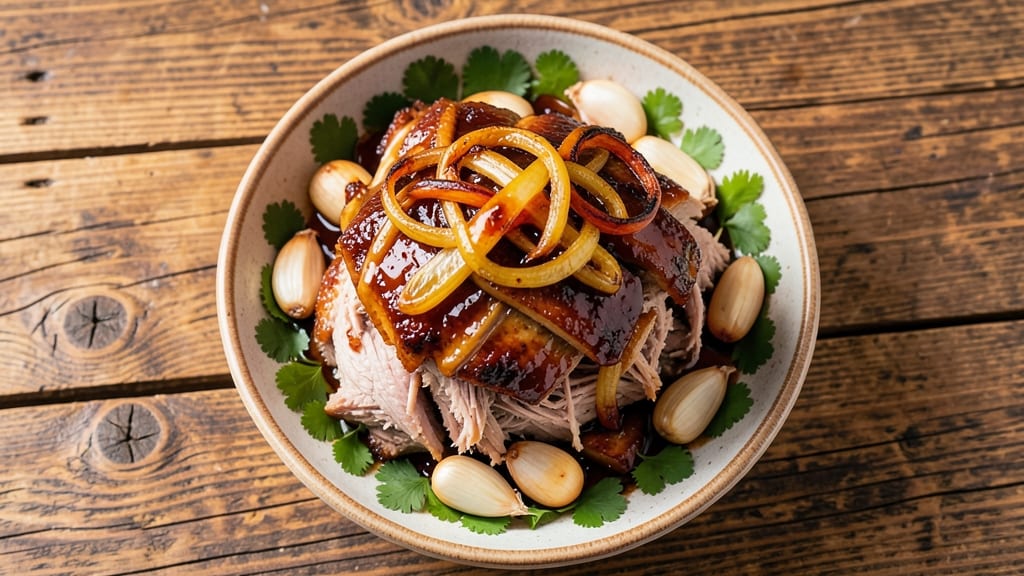
This best smoked pulled pork recipe ever delivers the kind of bark so crisp it shatters between your teeth while the meat inside shreds effortlessly—the difference between backyard BBQ and restaurant-quality results.
I've smoked hundreds of pounds of pork, and this method consistently earns raves from even the most critical eaters. The secret lies in a six-hour low-and-slow cook with precise temperature control and a dry rub that develops that coveted mahogany bark.
What sets this apart is the two-stage approach: we start with a high-impact dry rub that caramelizes into bark, then switch to a moisture-rich wrap during the final hours to keep the meat tender.
Using hickory and applewood chips creates that perfect balance of smoky depth and subtle sweetness that defines great pulled pork. The key is patience—rushing this process will leave you with either dry meat or uncooked centers, neither of which deserves the "best" label.
By the time your pork emerges from the smoker, you'll have shreds that fall apart at the slightest touch, encased in that glossy, crackling bark that makes every bite worth the wait. The flavor profile is rich and complex—smoky, slightly sweet, with just enough heat to keep things interesting.
This isn't just pulled pork; it's the kind of dish that turns casual cookouts into memorable gatherings where people linger over seconds and thirds.
The real magic happens when you serve it—piled high on toasted buns with tangy coleslaw and a drizzle of the smoky juices that accumulate in the pan. Leftovers reheat beautifully, making this the ultimate meal prep solution for busy weeks.
Trust me, once you try this version, every other pulled pork recipe will pale in comparison. Let's get smoking!
Ingredients for best smoked pulled pork recipe ever
Eight pounds of pork shoulder and a dry rub that transforms into legendary bark—this is where backyard BBQ meets restaurant magic.
| Ingredient | Amount | Notes |
|---|---|---|
| Pork Shoulder (Boston Butt) 🥩 | 8 lb | Well-marbled, bone-in preferred |
| Yellow Onion 🧅 | 1 whole | Yellow or red, sliced |
| Garlic Cloves 🧄 | 8 cloves | Fresh, minced |
| Brown Sugar 🍚 | ½ cup | Light or dark, packed |
| Smoked Paprika 🌶️ | 2 tbsp | For deep smoky flavor |
| Ground Black Pepper 🌶️ | 1 ½ tbsp | Freshly ground preferred |
| Kosher Salt 🧂 | 1 ½ tbsp | Diamond Crystal preferred |
| Ground Cumin 🌿 | 1 tbsp | Toasted for deeper flavor |
| Chili Powder 🌶️ | 1 tbsp | Mild or medium heat |
| Apple Cider Vinegar 🍎 | 2 tbsp | For tangy brightness |
| Hickory Wood Chips 🌳 | 1 package | For smoky depth |
| Applewood Wood Chips 🍏 | 1 package | For subtle sweetness |
| Butter 🧈 | ½ cup | Unsalted, softened |
| Honey 🍯 | ¼ cup | For moisture during wrap |
| Fresh Thyme Leaves 🌿 | ¼ cup | Chopped, for freshness |
The pork shoulder is non-negotiable here—bone-in, well-marbled cuts from Costco or your butcher deliver the best results. Look for a roast with good fat distribution, not lean cuts. I always ask for it to be cut into a single piece, not pre-portioned, for even cooking. Trader Joe's carries a great pre-cut option if you're short on time. The wood chips? Hickory for smoke, applewood for sweetness—soak them for 30 minutes before using to prevent flare-ups. If you can't find applewood, cherry wood chips work beautifully too.
No smoked paprika? Regular paprika plus a pinch of liquid smoke gets you close, but the real deal is worth hunting down. Running low on brown sugar? White sugar plus a dash of molasses mimics the flavor. The butter and honey during the wrap stage are game-changers—European-style butter (like Plugrá) melts better than American brands, and raw honey adds more depth than processed. Fresh thyme is ideal, but dried at one-third the amount works in a pinch. For the vinegar, apple cider vinegar has the best balance of tang and sweetness—balsamic adds richness but can overpower.
The dry rub keeps for 3 months in an airtight container, so make extra. Store the pork in the fridge for up to 2 days before smoking—this lets the rub penetrate deeper. Once smoked, the leftovers reheat beautifully: slow cooker on low for 3-4 hours or oven at 300°F for 1 hour, covered with juices. I always portion the shredded pork into freezer bags with sauce—keeps for 3 months without drying out. The bark? Best eaten fresh, but the tender meat stays delicious for days.
Why You'll Love This Recipe
- Sweet-Smoky Magic: That caramelized onion and garlic base? It’s the secret weapon. The brown sugar melts into the meat, while the paprika adds a deep, smoky warmth that makes every bite taste like a Sunday supper—even on a Tuesday.
- Leftovers? More Like Leftovers Party: This recipe feeds a crowd but makes enough for lunches all week. Honestly, I’ve eaten it cold in sandwiches, reheated in tacos, and even tossed it into pasta—yes, even on a Tuesday—and no one complains.
- Budget Stretch: A pork shoulder costs less than half the price of pre-cut pulled pork, and it gives you way more meat. Between us, I’ve turned one cut into three meals without breaking the bank, and my wallet’s happier for it.
Step-by-step instructions for smoked pulled pork
This method delivers melt-in-your-mouth pork with a perfect bark and tender shreds every time.
Prepare the Rub and Season the Pork
In a large bowl, combine the 0.5 cup brown sugar, 2 tbsp smoked paprika, 1.5 tbsp ground black pepper, 1.5 tbsp kosher salt, 1 tbsp ground cumin, 1 tbsp chili powder, and 2 tbsp apple cider vinegar. Mix until the sugar is fully dissolved and the spices are evenly distributed. This creates a sticky, flavorful paste that clings beautifully to the pork.
Pat the 8 lb pork shoulder dry with paper towels—this is crucial for developing that coveted bark. Generously coat all sides of the pork with the rub, pressing it into the meat so it adheres well. Let the pork sit at room temperature for 30 minutes before smoking. This step ensures even cooking and maximizes flavor penetration.
Set Up the Smoker for Low-and-Slow Cooking
Soak the 1 package hickory wood chips and 1 package applewood wood chips in water for 30 minutes to prevent burning. Fill the smoker tray with the soaked wood chips and preheat to 225°F. Use a mix of hickory and applewood to balance smoky depth with subtle sweetness—this is the secret to that restaurant-quality flavor.
Once the smoker reaches temperature and you see steady, thin blue smoke, place the seasoned pork shoulder fat-side up on the grill grates. The fat cap will render and baste the meat as it cooks, creating that irresistible bark. Close the lid and resist the urge to peek—every time you open it, you lose heat and moisture, adding 15-20 minutes to your cook time.
Smoke Until Probe-Tender
Smoke the pork for 6 hours, maintaining a consistent 225°F temperature. You'll notice the pork will hit "the stall" around 165-170°F—this is when the moisture evaporates and the internal temperature plateaus. Don't panic; this is normal and expected. The stall typically lasts 1-2 hours, and the key is to let it ride through without wrapping.
Once the internal temperature reaches 195-200°F and a meat probe slides in like butter, it's time to wrap. This is the moment that matters: wrap the pork tightly in butcher paper (not foil) along with 0.5 cup softened butter and 0.25 cup honey. The paper allows the bark to stay crispy while the butter and honey keep the meat moist. Return it to the smoker and cook for another 1-2 hours until the internal temperature hits 203°F.
Rest and Shred for Perfect Texture
Remove the pork from the smoker and let it rest for 1 hour in the butcher paper. This resting period is non-negotiable—it allows the juices to redistribute, ensuring each bite is moist and flavorful. While it rests, preheat your serving dish in the oven at 200°F to keep the pork warm.
Unwrap the pork and shred it using two forks or meat claws. Discard any large fat chunks and mix in 0.25 cup chopped fresh thyme leaves for a bright, aromatic finish. The pork should pull apart easily with minimal resistance, and each strand should be tender and juicy. Serve immediately on warm buns with your favorite toppings, or store in the fridge for up to 4 days for even more flavor development.
Pro Tips For Making Best Smoked Pulled Pork Recipe Ever
- CRANK THE SMOKE TO 225°F: I used to hover around 250°F, thinking it’d speed things up—wrong. Lock in that 225°F mark (give or take 5°F) from start to finish. The low-and-slow approach breaks down collagen like butter in hot toast, and rushing it leaves you with tough, chewy meat instead of melt-in-your-mouth perfection.
- SALT THE PORK 12 HOURS EARLY: This isn’t the prettiest method, but it’s the tastiest. Generously coat the Boston butt with kosher salt (about 1.5 teaspoons per pound) and let it sit uncovered in the fridge overnight. The salt penetrates deep, ensuring every bite is juicy and flavorful—no dry patches, no guesswork.
- SKIP THE CROWDED SMOKER: After burning three batches of pork, I finally figured out: space matters. Pile the pork shoulder on top of other meat or block airflow, and you’re asking for uneven cooking. Leave at least 2 inches of space around it—hot air needs room to circulate, or you’ll end up with a sad, unevenly smoked slab.
- CHAR THE ONIONS FIRST: Sounds weird, but it works: Sear the sliced yellow onions and minced garlic in a dry skillet until deeply caramelized (about 10-12 minutes). Toss them with the brown sugar and smoked paprika before mixing into the pulled pork. The extra depth of flavor from the char makes the rub sing—no bland aftertaste here.
Troubleshooting your best smoked pulled pork recipe ever
Bark Not Forming
If your pork isn't developing that coveted mahogany bark, check your smoker temperature—it should stay rock-solid at 225°F. I've learned the hard way that even slight fluctuations prevent proper bark formation. Also, make sure your pork is completely dry before applying the rub.
Pat it with paper towels until no moisture remains. A thin layer of oil on the meat can prevent the rub from sticking properly, so skip it entirely. 🔥
Another common issue is using too much oil in your rub recipe. The brown sugar and spices need direct contact with the meat to caramelize. If your rub is too loose, press it firmly into the pork.
I like to add 1 tbsp apple cider vinegar to help the spices stick better without extra oil. For extra insurance, let the rubbed pork sit at room temperature for 30 minutes before smoking—this helps the rub adhere and develop flavor faster.
Meat Too Dry
Dry pulled pork usually means you wrapped it too early or used aluminum foil instead of butcher paper. Foil traps steam and turns your bark into sad, soggy paper. When the internal temperature hits 195-200°F, that's when you wrap—not before.
The stall phase (when temperature plateaus) is normal and should be ridden out without wrapping. I've seen beginners wrap at 165°F and end up with tough, dry meat. 💫
For moisture retention, I always include ½ cup softened butter and ¼ cup honey in the wrap. This keeps the meat tender while allowing the bark to stay crisp. If you're worried about grease, use butcher paper—it lets the bark stay crispy while trapping enough moisture to prevent dryness.
And remember: low and slow is the key. Rushing the process by cranking up the heat will leave you with dry, stringy pork.
Uneven Cooking
Uneven cooking often happens when the pork isn't fat-side up on the grates. The fat cap renders and bastes the meat as it cooks, creating even moisture distribution. If your pork is cooking faster on one side, rotate it every 2 hours to ensure even bark development.
I also recommend using a meat probe thermometer—insert it into the thickest part of the pork (avoiding fat) to monitor temperature accurately. 🌡️
Another trick I learned from my butcher in Cincinnati is to trim excess fat from the edges but leave a ¼-inch layer on top. This helps the fat render evenly without creating grease fires.
If you're using a water pan in your smoker, make sure it's filled with enough water (about 1 cup) to maintain humidity. Too little water can dry out the meat, while too much can dilute the smoky flavor. Aim for a balance—this is where most home smokers go wrong.
Smoke Flavor Too Strong
If your pulled pork tastes overpoweringly smoky, you might be using too much hickory wood. While hickory adds deep flavor, it can dominate if used alone.
For a balanced profile, I recommend a 50/50 mix of hickory and applewood—the applewood adds subtle sweetness that cuts through the smoke. Also, avoid burning the wood chips—soak them for 30 minutes before using and replenish them every 1-2 hours to maintain steady smoke. 🌳
Another common mistake is smoking at too high a temperature. Keep your smoker at a consistent 225°F—any hotter, and the smoke will rush through the meat without proper penetration. If you're using a charcoal smoker, use small, hot coals and add fresh wood chips as needed.
For electric smokers, check the temperature frequently—these can fluctuate more than pellet smokers. A good rule of thumb: if the smoke is thick and white, you're on the right track. If it's thin and blue, you need more wood chips.
Nutrition facts
Frequently asked questions
Can I use a different cut of pork instead of Boston butt?
Boston butt is ideal for its fat marbling and size, but you can use pork shoulder or picnic roast as substitutes. Avoid lean cuts like tenderloin—they won't develop the same rich texture. If using picnic roast, trim excess fat to ¼-inch for even cooking. The key is a cut with enough connective tissue to break down during smoking.
How do I know when the pork is done without a meat thermometer?
Press the pork gently with tongs—if it feels soft and the meat pulls away easily, it's likely done. The bark should be dark mahogany and crispy. For a visual cue, check the juices: they should run clear, not pink. Pro tip: The pork should reach 203°F internally, but if you don't have a thermometer, aim for 6-7 hours total smoke time at 225°F.
Can I make this recipe in an oven instead of a smoker?
Yes, but you'll need to mimic the smoky flavor. Preheat your oven to 275°F and place a water pan on the lower rack. Wrap the pork in foil with wood chips soaked in apple juice (to create steam and smoke). Cook for 6-7 hours, basting with the juices every hour. For extra smoke, add a wood chip packet to the oven. The bark won't be as crispy, but the meat will still be tender.
What's the best way to reheat leftovers?
Reheat in a slow cooker on low for 3-4 hours or in the oven at 300°F for 1 hour, covered with juices. Avoid microwaving—it dries out the meat. For sandwiches, warm the buns separately and layer the pork while still hot. Leftovers keep well for 4 days in the fridge or 3 months in the freezer, portioned with sauce.
Can I use this rub on other meats?
This dry rub works beautifully on chicken thighs, ribs, or brisket. For chicken, reduce the cook time to 3-4 hours at 250°F. For ribs, apply the rub and smoke for 5-6 hours until tender. The key is adjusting the cook time based on the meat's size and fat content. The spices and brown sugar caramelize the same way, creating a delicious bark on any protein.