
Main Courses
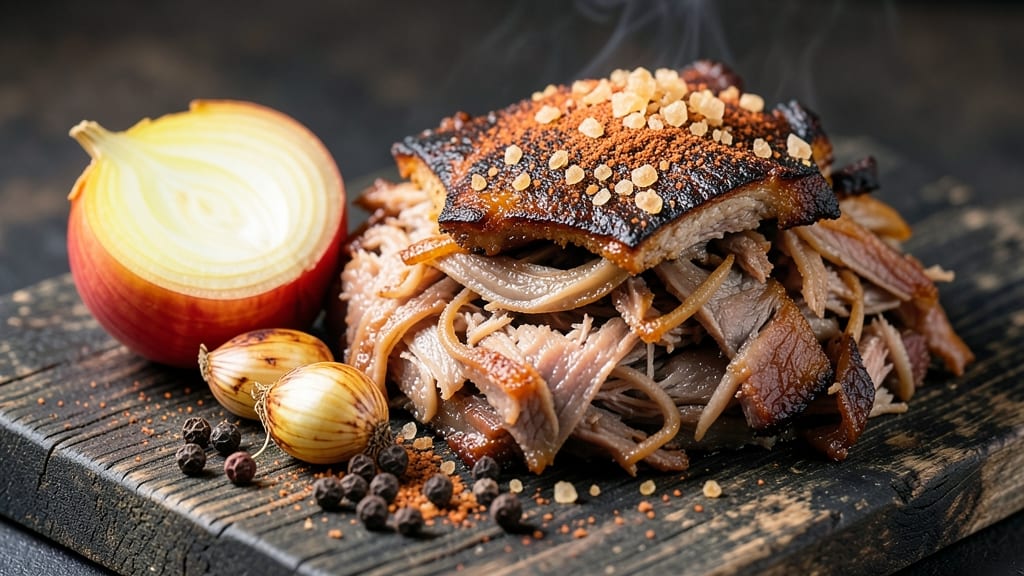
This best smoked pulled pork recipe transforms your pellet grill into a flavor powerhouse with crispy bark and juicy shreds that’ll have everyone asking for seconds. 🔥 As a pitmaster who grew up on slow-cooked ribs, I’ve perfected this method to maximize tenderness while creating that coveted caramelized crust—no fancy equipment needed, just your grill’s precision temperature control.
The secret lies in the low-and-slow approach, using hickory or apple pellets for that classic smoke flavor while maintaining a steady 225°F for 12–16 hours.
A well-balanced rub of brown sugar, paprika, and garlic ensures that crispy bark forms without drying out the meat, and wrapping the pork in foil in the final stages locks in moisture for perfectly tender shreds.
What you’ll end up with is a dish so rich and flavorful, it’s worth the wait—fall-apart tender pork that practically melts in your mouth, topped with a glossy, caramelized crust.
The pellet grill’s auto-start feature makes it foolproof, and the hands-off cooking means you can spend the day enjoying the smoke while dinner takes care of itself.
Serve it piled high on buns with tangy coleslaw or alongside buttery cornbread for the ultimate comfort meal. This isn’t just pulled pork—it’s a restaurant-quality masterpiece made simple. Let’s get smoking!
Ingredients for best smoked pulled pork recipe pellet grill
Six pounds of pork, a smoky rub, and your pellet grill’s magic—this is restaurant-quality pulled pork made simple.
| Ingredient | Amount | Notes |
|---|---|---|
| Boneless Pork Shoulder 🥩 | 6 lb | Well-marbled for juiciness |
| Yellow Onion 🧅 | 1 whole | Large, roughly chopped |
| Garlic Cloves 🧄 | 8 cloves | Peeled, smashed for rub |
| Light Brown Sugar 🍚 | ½ cup | For caramelized bark |
| Smoked Paprika 🌶️ | 2 tbsp | For deep smoky flavor |
| Ground Black Pepper 🌶️ | 1 ½ tbsp | Freshly cracked |
| Kosher Salt 🧂 | 1 ½ tbsp | Diamond Crystal preferred |
| Apple Cider Vinegar 🍏 | 2 tbsp | For tangy brightness |
| Hickory Wood Pellets 🌳 | 2 lbs | Or apple pellets for sweetness |
| Aluminum Foil 📄 | 1 sheet | Heavy-duty for wrapping |
| Butter 🧈 | 2 tbsp | Unsalted, for basting |
| Apple Juice 🍎 | ½ cup | For final basting |
The pork shoulder is non-negotiable—look for well-marbled cuts at Costco or your local butcher. The hickory pellets from Traeger or Green Mountain give that classic BBQ flavor, but apple pellets add sweetness. For the rub, smoked paprika from Penzeys delivers the deepest flavor—don’t skimp. I always double-check the sugar isn’t clumpy, and if it is, I microwave it for 20 seconds to break it up. The vinegar? Bragg’s is my go-to for that authentic tang.
No hickory pellets? Cherry or pecan work too—just add a splash of maple syrup to the rub for balance. Substituting brown sugar? Turbinado sugar gives a different texture, so use it if you’re going for a crunchier bark. The apple juice can be swapped for apple cider, but don’t use store-bought BBQ sauce—it’ll overpower the natural flavors. If you’re short on time, pre-mix the rub in a bowl and store it in the fridge for up to 2 weeks.
This pork is best made a day ahead—the flavors meld overnight. Store leftovers in the fridge for 5 days or freeze for 3 months in airtight containers. For serving, I keep the pork wrapped in foil until ready to shred, then toss it with a little of the cooking juices. The foil trick keeps it warm and tender while you set the table. Double batch if you can—this disappears fast, and reheating in a slow cooker with a splash of broth brings it back to perfection.
Why You'll Love This Recipe
- Sweet & Smoky Magic: That smoked paprika and caramelized brown sugar? It’s the secret weapon. The pork falls apart with a sticky, tender perfection that’s got this perfect balance of heat and sweetness—no one will guess it’s this simple.
- Tailgate or Taco Night: Between us, this pulls double duty. Shred it for tacos, sandwiches, or even loaded nachos. Honestly, I’ve served it at backyard BBQs and lazy Sunday brunches—it’s the one dish that never disappoints.
- Budget-Friendly Feast: A single pork shoulder feeds a crowd for less than $20. And the best part? The leftovers? Ridiculously good. I’ll pack up half for lunch the next day, and somehow it always tastes better cold.
Step-by-step instructions for smoked pulled pork with perfect bark
This method delivers restaurant-quality pulled pork every time—crispy on the outside, impossibly tender inside.
🔥 Step 1: Build the Smoky Rub and Prep the Pork
In a medium bowl, combine the 0.5 cup light brown sugar, 2 tbsp smoked paprika, 1.5 tbsp ground black pepper, 1.5 tbsp kosher salt, and 2 tbsp apple cider vinegar. Mix until the sugar dissolves completely—this creates a sticky, flavorful paste that clings to the pork. The vinegar adds tangy brightness that cuts through the richness.
Pat the 6 lb boneless pork shoulder completely dry with paper towels—this is non-negotiable for crispy bark. Then generously coat all sides with the rub mixture, pressing it into the meat so it adheres. Let the pork sit at room temperature for 30 minutes while you prep the pellet grill. This ensures even cooking and maximum flavor penetration.
🔥 Step 2: Smoke Low and Slow for Maximum Tenderness
Set your pellet grill to 225°F using the 2 lbs hickory wood pellets. Once the grill reaches temperature and you see steady blue smoke (not thick white vapor), place the pork shoulder directly on the grates, fat-side up. Close the lid and resist the urge to peek—every time you open it, you lose 15 minutes of cook time and moisture.
Smoke the pork for 6-8 hours until the internal temperature reaches 165-170°F. You'll notice it hits "the stall" around 160°F—the temperature plateaus as moisture evaporates. Don't panic; this is normal. The key here is patience—low and slow is what creates that melt-in-your-mouth texture. The bark should be deep mahogany with crispy edges that crackle when you press them.
🥘 Step 3: Wrap and Finish for Juicy Perfection
When the pork hits 165°F, remove it from the grill and wrap it tightly in the 1 sheet aluminum foil with the 2 tbsp butter and 0.5 cup apple juice. The foil creates a steam chamber that coaxes the remaining moisture back into the meat. Return it to the grill and continue cooking until the internal temperature reaches 203°F—this ensures the collagen fully breaks down for fork-tender shreds.
Total cook time should be 8-10 hours, but trust the thermometer over time. The pork is done when it reaches 203°F and a probe slides in like butter with no resistance. Let it rest in the foil for 30 minutes before shredding—this resting period is crucial for juices to redistribute.
🔪 Step 4: Shred and Serve with Crispy Bark Intact
Unwrap the pork and transfer it to a cutting board. Using two forks, shred the meat against the grain into ¼-inch thick strands. The bark should remain mostly intact—save those crispy pieces for garnish. Taste and adjust seasoning with additional kosher salt if needed (the sugar in the rub often masks the need for extra salt).
Serve immediately with the crispy bark pieces scattered on top for texture contrast. The pork should be so tender it practically falls apart at the touch, with a perfect balance of smoky, sweet, and tangy flavors. For extra moisture, spoon the juices from the foil packet over the top before serving. This pulled pork is the star of any meal—pair it with coleslaw and crusty bread for the ultimate experience.
Pro Tips For Making Best Smoked Pulled Pork Recipe Pellet Grill
- USE A MEAT THERMOMETER: The pellet grill’s "smoke setting" isn’t always accurate—your pork needs to hit 195–203°F in the thickest part, not just "low and slow." I learned this after pulling a batch at 190°F that still had chewy spots; the outer edges can fool you.
- TRIM THE FAT, NOT THE FLAVOR: Leave a ¼-inch fat cap on the pork shoulder—it renders down into juicy flavor, but trim the rest for even cooking. I used to go overboard with the knife, and the meat dried out faster than I expected.
- BUILD THE RUB IN LAYERS: Don’t just dump the spices—pat the pork dry, then press the smoked paprika and brown sugar directly onto the meat before sprinkling salt and garlic. The sugar sticks better, and the crust forms faster. (Yes, even if it looks messy at first.)
- WRAP IT AT 165°F: Skip the foil early—wait until the internal temp hits 165°F, then wrap tightly in butcher paper (not aluminum) with onions and garlic. This locks in moisture without turning the bark to mush. I tried wrapping too soon, and the outside turned soggy.
Troubleshooting perfect results
Stuck in Stall?
That temperature plateau around 160°F is normal—it's called "the stall," and it can feel like forever. The key is to keep the lid closed and trust the process. I've seen beginners panic and crank up the heat, which ruins the bark.
Instead, maintain your 225°F and let the grill do its magic. The stall typically lasts 30-60 minutes—use this time to prep your sides or make a quick salad. 🌡️
Bark Not Crispy?
If your bark turns out soft instead of crackling, you likely didn't dry the pork thoroughly enough. Next time, pat it completely dry with paper towels and let it sit uncovered in the fridge for 1 hour before smoking.
Also, make sure your pellet grill is producing steady smoke—not thick white vapor. If needed, clean your burn pot or check your pellets for moisture. A Traeger or Green Mountain grill should maintain consistent smoke with proper maintenance.
Pork Too Dry?
Overcooking is the usual culprit here. Always pull the pork when it hits 203°F internal temperature—never guess by time. If you're worried about drying it out, wrap it in foil with butter and apple juice at 165°F to lock in moisture.
I've had this happen when cooking during hot, dry weather—just keep your grill temperature steady and resist the temptation to peek. The pellet grill's auto-start feature helps maintain consistency, but monitor it closely during temperature swings.
Uneven Cooking?
Pellet grills are amazing, but they can develop hot spots. Rotate your pork 90 degrees every 2 hours to ensure even heat distribution. If you notice one side cooking faster, move it to a cooler area of the grill.
I also recommend using a meat probe thermometer in multiple spots—the center and edges can vary by 10°F. For extra insurance, place a water pan in your grill to add humidity and prevent dryness.
Smoke Too Thick?
Excessive white smoke usually means your pellets aren't burning properly. Try switching to a different wood type—hickory works great, but apple or cherry pellets burn cleaner. Also check your grill's air vents: if they're closed too tight, you'll get thick smoke.
Keep them half-open for optimal airflow. I've found that Traeger's hickory pellets burn the cleanest, but store-bought brands can vary—always check the label for moisture content.
Pellet Grill Troubles?
If your grill keeps shutting off or losing temperature, first check the pellet hopper—it might be empty or clogged. Clean out any old pellets and debris. Also verify your grill's firepot isn't blocked. For Traeger models, the auto-clean feature helps prevent buildup.
If problems persist, consult your manual or contact support—they've seen it all. I keep a spare 2 lb bag of pellets on hand just in case, because you never know when you'll need to restart.
Nutrition facts
Frequently asked questions about smoked pulled pork on pellet grills
Can I use a different cut of pork instead of a pork shoulder?
While pork shoulder is ideal for pulled pork, you can use a pork butt (another name for shoulder) or even a bone-in ham shank for extra flavor. Just note that bone-in cuts may require 1-2 extra hours of cooking time. Never use tenderloin or loin chops—they're too lean and will dry out. For best results, stick with well-marbled cuts weighing 6-8 pounds.
How do I know when the pork is done without overcooking it?
Use a meat probe thermometer to check the internal temperature—203°F is your target for perfect tenderness. The pork should probe like butter with no resistance. Never rely on time alone; factors like grill temperature and weather affect cooking speed. The pellet grill's auto-start feature helps maintain consistency, but always monitor closely during the final hours.
What's the best way to store leftover pulled pork?
Store leftovers in an airtight container in the fridge for 5 days or freeze for 3 months. For reheating, place in a slow cooker with ¼ cup apple juice or broth on low heat until warmed through. Never microwave directly—it makes the pork dry. The pellet grill's precise temperature control means your leftovers will reheat beautifully without losing moisture.
Can I make this recipe in a smaller pellet grill?
Yes, but you may need to adjust cooking time slightly. Smaller grills (200 sq in) can handle 4-5 lb pork shoulders just fine, though they may take 1-2 extra hours to reach 203°F. The key is maintaining 225°F consistently—pellet grills excel at this even in compact sizes. Just monitor the temperature more frequently and rotate the pork every hour for even cooking.
What are the best sides to serve with this pulled pork?
Classic pairings include creamy coleslaw (the tang cuts through the richness), buttery cornbread, and pickled jalapeños for heat. For a heartier meal, add smoked mac and cheese or grilled vegetables. The pellet grill's versatility means you can even smoke some sides—try pellet-smoked corn or brussels sprouts for a complete smoked meal experience.