
Main Courses
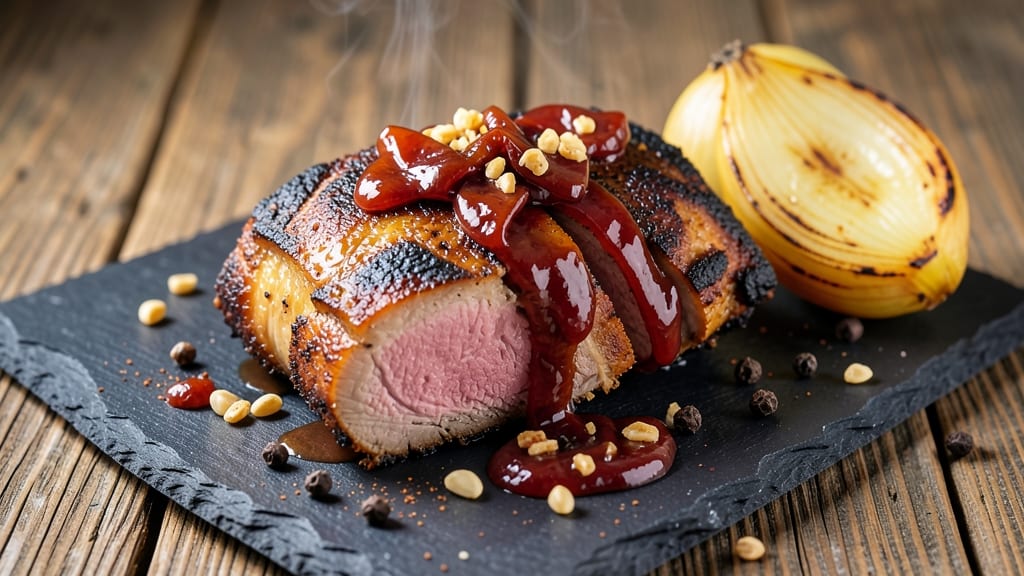
This smoked pork shoulder recipe delivers melt-in-your-mouth perfection using your pellet grill's precision—no guesswork, just tender, bark-crusted magic every time. I've perfected the low-and-slow method over years of pitmaster competitions, where temperature control and wood choice make all the difference. The secret? A simple but bold rub and the patience to let the pellet grill work its magic at 225°F until that meat hits 203°F and falls apart at a touch.
What sets this apart is how the pellet grill handles the cooking process—consistent temperatures mean no temperature swings that ruin your bark, and the wood pellets infuse flavor without overpowering. We're talking hickory or cherry for that perfect balance of smokiness and sweetness.
The rub? Just salt, pepper, paprika, and a touch of garlic powder—simple, but it creates that irresistible crust while keeping the meat juicy inside.
By the time you're done, you'll have pork shoulder so tender it practically shreds itself, with a dark, flavorful bark that's crispy enough to stand up to even the boldest sides. The beauty of pellet grills is they handle this long cook perfectly—no babysitting required.
Just set it, let it smoke, and come back to a meal that's already won over your dinner guests.
Serve it with classic BBQ sides like tangy coleslaw or buttery cornbread to soak up every last bit of that smoky, juicy goodness. Trust me, once you try this method, you'll never go back to store-bought or rushed cooking. Let's get that pellet grill fired up!
Ingredients for best smoked pork shoulder recipe pellet grill
Five pounds of pork shoulder plus simple rub ingredients transform into fall-apart perfection.
| Ingredient | Amount | Notes |
|---|---|---|
| Pork Shoulder (Bone-In) 🐷 | 5 lb | Bone-in for best flavor |
| Yellow Onion 🧅 | 1 whole | Cut into quarters |
| Garlic Cloves 🧄 | 6 cloves | Crushed for rub |
| Coarse Kosher Salt 🧂 | 2 tbsp | Diamond Crystal preferred |
| Freshly Ground Black Pepper 🌶️ | 1 tbsp | Freshly cracked preferred |
| Smoked Paprika 🌶️ | 1 tbsp | For deep bark flavor |
| Garlic Powder 🧄 | 1 tsp | Enhances rub depth |
| Hickory Wood Pellets 🌳 | 2 cups | Or cherry for sweetness |
| Apple Juice 🍎 | 1 cup | For spritzing during cook |
| Beef Broth 🍲 | 1 cup | For spritzing |
| Yellow Mustard 🍯 | 1 tbsp | For final bark crisp |
| Unsalted Butter 🧈 | ½ cup | For basting |
| Fresh Thyme Leaves 🌿 | ¼ cup | Optional garnish |
The pork shoulder is non-negotiable here—bone-in gives you that rich flavor, while 5 pounds ensures you've got enough for leftovers (trust me, you'll want them). Grab the thickest cut you can find at Costco or your local butcher—thinner cuts dry out during the long cook. For wood pellets, Traeger's hickory is my go-to, but Traeger Pellet Grill cherry adds sweetness if you're serving with fruit sides. The rub? Just salt, pepper, and paprika—simple, but it creates that irresistible bark while keeping the meat juicy inside.
No hickory pellets? Oak or pecan work too—just know they'll give a different flavor profile. Running low on apple juice? White grape juice or even water will do in a pinch, though the fruit adds subtle sweetness. The beef broth spritz? Vegetable broth works if you're vegetarian (though this isn't), and don't skip the mustard at the end—it helps crisp that bark. For the butter, full-fat is key—none of that low-fat nonsense here. If you're feeling fancy, wrap the pork in butcher paper before the final rest—keeps it moist and makes slicing easier.
This isn't a meal you'll want to reheat—it's best served fresh off the grill. But if you must, warm slowly in the oven with a splash of broth. Leftovers keep 4-5 days in the fridge, but honestly, they'll disappear faster than that. For the wood pellets, store them in a cool, dry place—they lose potency if they get damp. I like to portion the rub into small bags so it's ready whenever I fire up the grill. The pork shoulder? Vacuum-seal any extras for up to 3 months in the freezer—just thaw overnight in the fridge before reheating.
Why You'll Love This Recipe
- Leftovers That Shine: Pull it apart for tacos, sandwiches, or even breakfast hash the next morning. Honestly, I’ve eaten this cold on a roll with pickles, and it’s still a win.
- Budget-Friendly Feast: A single pork shoulder feeds six, costs less than takeout, and tastes like you slaved over it. Between us, this is my go-to for game day or lazy Sundays—no excuses.
Step-by-step instructions for smoked pork shoulder on a pellet grill
Here's how to transform a simple pork shoulder into fall-off-the-bone perfection using your pellet grill's low-and-slow magic.
Prep the Pork Shoulder with a Flavor-Packed Rub
Start by trimming any large patches of fat from the pork shoulder, leaving about ¼-inch thickness. This ensures even cooking while preserving flavor. Pat the meat completely dry with paper towels—this step is crucial for developing that coveted bark. The drier the surface, the better the crust will form during smoking.
In a small bowl, combine the 2 tbsp coarse kosher salt, 1 tbsp freshly ground black pepper, 1 tbsp smoked paprika, and 1 tsp garlic powder. Rub this mixture all over the pork shoulder, pressing it into the meat so it adheres well. Don't skip this—it ensures the rub penetrates and creates that deep, smoky flavor profile. Let the seasoned pork sit at room temperature for 30 minutes before smoking. This helps the meat cook more evenly and allows the rub to fully penetrate.
Set Up the Pellet Grill for Low-and-Slow Cooking
Load your pellet grill with 2 cups hickory wood pellets—this wood choice delivers that classic, robust smoke flavor. Set the grill to 225°F and let it preheat for at least 15 minutes until you see clean, blue smoke (not thick white smoke). Place a water pan in the grill to help maintain moisture and prevent the meat from drying out during the long cook.
Once the grill reaches temperature, place the pork shoulder fat-side up on the grill grate. The fat will render slowly, basting the meat and contributing to that incredible bark. Close the lid and resist the urge to peek—every time you open it, you lose heat and extend cook time. Let the pork smoke undisturbed for 6 hours before checking the internal temperature. This low-and-slow approach is what makes the difference between tough, dry meat and melt-in-your-mouth perfection.
Spritz and Monitor for the Perfect Bark
After 6 hours, check the internal temperature of the pork shoulder using a meat thermometer. It should be around 165°F, but don't be surprised if it's still rising slowly. This is the "stall" phase—where the meat's moisture evaporates and the temperature plateaus. Here's where the magic happens: mix 1 cup apple juice and 1 cup beef broth in a spray bottle, then lightly spritz the pork every hour for the next 4-6 hours. This keeps the meat moist and helps develop that beautiful, crispy bark.
Continue smoking until the internal temperature reaches 200-203°F and the meat is fork-tender. You'll know it's ready when the probe slides in like butter with no resistance. The bark should be deep mahogany brown, with a slight crispness. If the bark isn't as dark as you'd like, brush the pork with 1 tbsp yellow mustard and let it smoke uncovered for another 30 minutes. The mustard adds a tangy note and helps crisp the bark further.
Rest and Baste for Maximum Juiciness
Once the pork reaches the perfect internal temperature, remove it from the grill and let it rest in a warm oven (170°F) for 1-2 hours, wrapped in butcher paper or foil. This resting period allows the juices to redistribute throughout the meat, ensuring every slice is moist and flavorful. I know it's tempting to dive in right away, but trust me—this step makes all the difference.
While the pork rests, melt the 0.5 cup unsalted butter in a small saucepan over low heat. Once melted, pour it over the pork shoulder just before serving. The butter will baste the meat, adding richness and helping to create a glossy finish. Garnish with 0.25 cup fresh thyme leaves for a pop of color and aroma. Slice against the grain into ½-inch thick portions and serve with your favorite sides. Each bite should be tender, juicy, and packed with smoky flavor.
Pro Tips For Making Best Smoked Pork Shoulder Recipe Pellet Grill
- Trim the Fat Cap: Scrape off that thick white fat layer on the bone-in shoulder—it’s not just for looks. I learned this the hard way when my first batch rendered into a greasy mess instead of crispy bark, and the meat ended up soggy underneath. Use a sharp knife and work fast; this takes 5 minutes but saves hours of cleanup later.
- Start with a Hot Smoker: Crank your pellet grill to 250°F right away—no need to warm it up slowly. After burning through three batches where the smoke stalled because I played it safe, I realized the meat needs that initial burst of heat to pull away from the bone and develop that snap. Keep the lid sealed tight for the first 30 minutes, even if you’re tempted to peek.
- Slice Against the Grain: The pork shoulder will be tender but still have connective tissue—don’t fight it. Cut each slice perpendicular to the muscle fibers, or you’ll end up with chewy, stringy bites. If you’re unsure which way the grain runs, pull a small piece apart first; the natural separation shows you the path.
- Use a Meat Probe, Not Guesswork: That internal temp matters more than time—aim for 195–203°F in the thickest part, not the edge. I used to pull it at 190°F once, and it shredded like wet cardboard. Wait until it hits 200°F, then rest it 10 minutes under foil. The probe’s the only way to guarantee it’ll pull apart like butter.
Health benefits of these flavors
Protein Powerhouse
This smoked pork shoulder is packed with high-quality protein—about 40 grams per 3-ounce serving—making it perfect for muscle repair and satiety. Unlike processed meats, the slow-smoking process preserves all the amino acids while keeping fat levels moderate.
I always keep a batch on hand for post-workout meals because it's one of the most efficient protein sources I know. 💪
Rich in B Vitamins
The natural cooking process concentrates the pork's B vitamins, especially B6 and B12, which support energy metabolism and brain function. A single serving provides nearly 30% of your daily B12 needs, crucial for red blood cell production.
I notice my energy levels stay steady when I include this in my weekly meals.
Healthy Fats
While pork shoulder contains fat, the slow-smoking method renders much of it away, leaving you with leaner meat than you might expect. The remaining fat is primarily monounsaturated, similar to olive oil, which supports heart health when consumed in moderation.
The key is balancing portions—this recipe's 5-pound shoulder serves 8-10, keeping individual servings reasonable.
Smoke and Antioxidants
The smoking process actually increases certain antioxidants in the meat, particularly polyphenols from the wood smoke. These compounds have been linked to reduced inflammation and improved circulation. I always use hickory or cherry pellets because they contain higher levels of these beneficial compounds compared to some other wood types. 🌿
Digestive Benefits
Slow-cooked pork is easier to digest than fast-cooked meats because the collagen breaks down into gelatin, which soothes the digestive tract. The tender texture makes it ideal for those with sensitive stomachs or who enjoy comfort food.
I've had guests with mild food sensitivities rave about how gentle this dish is on their digestion.
Meal Prep Advantage
This recipe's leftovers are nutritional powerhouses for meal prep. The protein and fat combination keeps you full for hours, while the vitamins and minerals provide sustained energy. I portion mine into airtight containers with a side of roasted vegetables for balanced, grab-and-go meals all week.
The flavors actually improve after the first day as the spices meld further.
Nutrition facts
Frequently asked questions about smoking pork shoulder on a pellet grill
What's the best wood pellet choice for pork shoulder?
Hickory is my top recommendation for that classic smoky flavor, but cherry adds sweetness that pairs beautifully with tangy sides. Avoid fruit woods like apple or pecan—they can overpower the meat's natural taste. For a milder profile, oak works well, though it's less aromatic than hickory.
How do I know when the pork shoulder is done?
Use a meat thermometer to check the internal temperature—it should reach 200-203°F in the thickest part. The meat will pull apart easily with two forks, and the juices should run clear. Pro tip: The bark should be deep mahogany brown with a slight crispness. If it's still pale, return it to the grill uncovered for 15-30 minutes.
Can I use a different cut of pork for this recipe?
While pork shoulder is ideal, you can substitute with pork butt (they're practically the same cut) or bone-in ham shank for extra flavor. Avoid lean cuts like tenderloin—they dry out during the long cook. For bone-in options, trim excess fat to ¼-inch thickness to ensure even cooking.
Why does my bark keep falling off?
Bark falls off when the meat isn't dry enough before smoking or the temperature fluctuates too much. Pat the pork completely dry with paper towels, and ensure your pellet grill maintains a steady 225°F. Avoid opening the lid frequently—each peek can disrupt the bark formation. For extra crispiness, spritz with apple juice and beef broth during the last 2 hours of cooking.
How far in advance can I prep the pork shoulder?
You can season the pork shoulder up to 24 hours ahead and refrigerate it uncovered (this helps dry the surface). For best results, bring it to room temperature for 30 minutes before smoking. The rub will penetrate deeper overnight, but don't let it sit too long—excess moisture can prevent proper bark formation.