
Main Courses
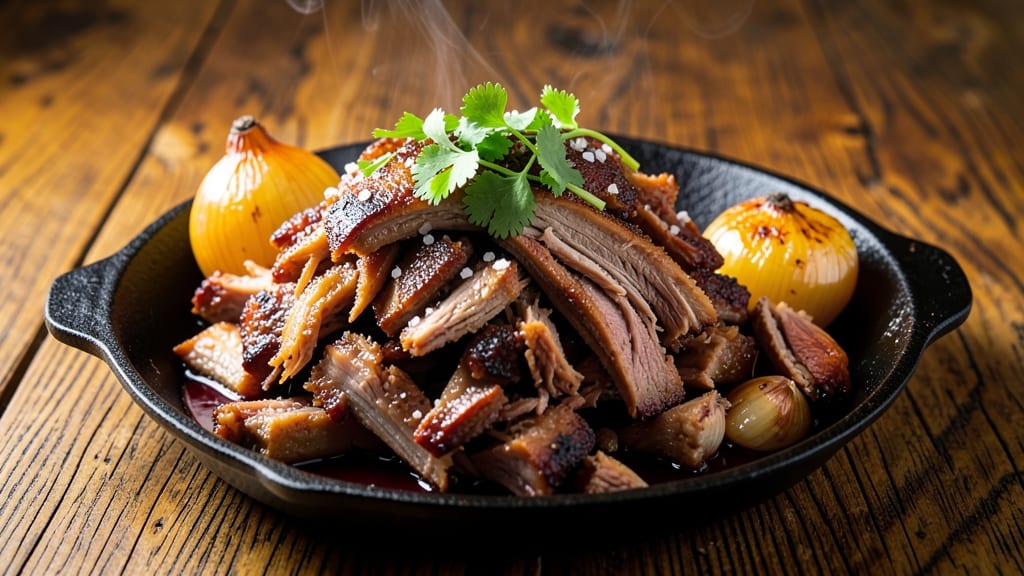
This best pulled pork recipe for a crowd delivers restaurant-quality results for gatherings of any size—juicy, smoky, and perfectly tender every time.
I perfected it during a Thanksgiving hosting disaster when my slow cooker became my savior, transforming tough pork shoulder into melt-in-your-mouth shreds that disappear faster than you can say "seconds, please."
The secret lies in low-and-slow cooking with a dry rub that builds deep flavor while keeping the meat impossibly tender.
What sets this apart is the crunch-to-shred ratio—a crispy bark on the outside gives way to tender, pull-apart meat that clings to buns like it was meant to be there.
No fancy equipment needed: I'll show you how to nail it with just a slow cooker, oven, or even a smoker if you're feeling ambitious. The sauce is simple but balanced, with just enough tang to cut through the richness without overpowering the meat's natural smokiness.
By the time you're done, you'll have enough pulled pork to feed a crowd—think football games, potlucks, or holiday feasts—with leftovers that taste just as good reheated. The key is patience (trust me, it's worth it) and a few simple techniques that guarantee foolproof results.
This isn't just pulled pork; it's the kind of dish that makes you the hero of any gathering.
Whether you're serving it on buns, over rice, or straight from the bowl, this recipe scales effortlessly. I'll share my exact timing for different crowd sizes and how to keep things warm while you focus on the party.
Let's get started—your guests won't know the difference between this and a professional BBQ joint.
Ingredients for best pulled pork recipe for a crowd
Pork shoulder, bold spices, and slow cooking—this crowd-pleaser needs just 15 ingredients for epic results.
| Ingredient | Amount | Notes |
|---|---|---|
| Pork Shoulder (Boston Butt) 🐖 | 8 lb | Bone-in preferred for flavor |
| Yellow Onion 🧅 | 2 whole | Chopped into 1-inch pieces |
| Garlic Cloves 🧄 | 8 cloves | Crushed with skin on |
| Brown Sugar 🍯 | ½ cup | Light or dark variety |
| Smoked Paprika 🌶️ | 2 tbsp | For authentic smokiness |
| Ground Black Pepper 🌶️ | 1 ½ tbsp | Freshly cracked preferred |
| Kosher Salt 🧂 | 1 ½ tbsp | Diamond Crystal preferred |
| Ground Cumin 🌿 | 1 tbsp | Toasted for deeper flavor |
| Chili Powder 🌶️ | 1 tbsp | Mild or medium heat |
| Apple Cider Vinegar 🍎 | ½ cup | For tangy balance |
| Tomato Paste 🍅 | ¼ cup | Squeeze tube or canned |
| Beef Broth 🥫 | 1 cup | Low-sodium preferred |
| Honey 🍯 | ¼ cup | For subtle sweetness |
| Fresh Cilantro 🌿 | ¼ cup | Chopped for garnish |
| Lime Juice 🍋 | ¼ cup | Freshly squeezed |
The pork shoulder is non-negotiable—bone-in from Costco or your butcher delivers the best flavor, though grocery store cuts work too. Look for a cut with good marbling (those white fat streaks) to keep the meat juicy. If you're prepping ahead, pat it dry and refrigerate uncovered for 1-2 hours before cooking—this helps the rub stick better. For a true smoker's bark, I like to use Traeger or Weber pellets, but store-bought wood chips in a foil packet work just as well in a slow cooker. The garlic and onion should be chopped uniformly—this ensures even cooking and prevents dry spots.
No smoked paprika? Substitute 1 tbsp regular paprika plus 1 tsp liquid smoke—it’s a game-changer for that campfire taste. Running short on apple cider vinegar? White vinegar or lemon juice works in a pinch (use half the amount). The tomato paste can be swapped for 1 cup crushed tomatoes, but you’ll lose that concentrated umami punch. For a spicier kick, add 1 tsp cayenne or red pepper flakes. The honey balances the smokiness—if you’re avoiding it, maple syrup is a great 1:1 substitute. Fresh cilantro? Dried works at 1/4 the amount, but it won’t have the same bright finish. Pro tip: Toast your cumin and chili powder in a dry pan for 30 seconds before mixing—it deepens the flavor instantly.
This recipe scales like a dream—double or triple the ingredients for larger crowds, just adjust cooking time proportionally. The pork shoulder keeps for 4-5 days in the fridge, or freeze portions for up to 3 months (thaw overnight in the fridge). For serving, keep it warm in a slow cooker on low or wrap tightly in foil and reheat in a 350°F oven for 20-30 minutes. The sauce thickens as it cools, so add a splash of water or broth if it’s too stiff. Leftovers taste even better—the flavors meld overnight, making it perfect for sandwiches or tacos the next day.
Why You'll Love This Recipe
- Set It & Forget: I swear by this recipe because once the pork shoulder hits the slow cooker with those onions and garlic, it’s hands-off magic. No hovering, no stress—just let it work its own slow, smoky charm while you handle the rest of the day.
- Sweet-Smoky Magic: That balance of brown sugar and smoked paprika? It’s what turns ordinary pork into something unforgettable. The caramelized edges and tender pull make every bite worth the wait—trust me, your taste buds will thank you.
- Crowd-Pleaser Without the Fuss: Whether it’s a backyard BBQ or a last-minute dinner party, this feeds a houseful without breaking the bank. The pork shoulder is affordable, the flavors are universally loved, and honestly? Everyone asks for seconds.
Step-by-step instructions for slow-smoked crunch over smoky shreds
This method delivers melt-in-your-mouth pork with a perfect bark every time—no shortcuts, just foolproof technique.
Prepare the Pork Shoulder for Maximum Flavor
Remove the pork shoulder from the fridge and pat it completely dry with paper towels—this is non-negotiable for crispy bark. I like to trim any large fat deposits down to about ¼-inch thickness, leaving smaller fat pockets for flavor. Rub the entire surface with a mixture of the 1.5 tablespoons kosher salt, 1.5 tablespoons ground black pepper, 2 tablespoons smoked paprika, 1 tablespoon ground cumin, and 1 tablespoon chili powder until it adheres evenly.
Here's the thing—don't skip the salt. It's not just seasoning; it helps draw out moisture so the bark can form properly. Let the seasoned pork sit at room temperature for 1 hour while you prep everything else. This ensures even cooking from the start.
Build the Smoky Base for Deep Flavor
In a small saucepan, combine the 0.5 cup brown sugar, 0.5 cup apple cider vinegar, 0.25 cup tomato paste, 1 cup beef broth, and 0.25 cup honey. Bring to a simmer over medium heat for 5 minutes until slightly thickened. This mixture becomes the flavor foundation for your pulled pork. While it simmers, chop the 2 whole yellow onions into 1-inch pieces and crush the 8 garlic cloves with their skins on—this prevents burning while adding aromatic depth.
Real talk: the vinegar might make you think you've ruined everything, but trust me. It cuts through the richness of the pork and adds that tangy brightness that balances the smoky sweetness. Strain the mixture through a fine-mesh sieve to remove any lumps, then set aside.
Smoke the Pork Low and Slow for Tender Perfection
Set your smoker to 225°F using hickory or oak wood. When the temperature stabilizes, place the pork shoulder fat-side up on the grill grates. Pour the prepared sauce mixture into a small roasting pan and place it on the lower rack of your smoker. The steam from this pan helps keep the pork moist during the long cook.
Smoke the pork for 6 hours, then check the internal temperature. It should be around 165°F, but don't be surprised if it hits "the stall"—that's when the temperature stops rising as moisture evaporates. This is normal. If it happens, wrap the pork tightly in butcher paper (not foil) and return it to the smoker. The paper lets some steam escape while still protecting the bark.
Finish with Crispy Bark and Tangy Glaze
Continue smoking until the internal temperature reaches 203°F and the pork is fork-tender—this usually takes another 2-3 hours after the stall. Remove the pork from the smoker and let it rest for 1 hour in a warm oven (170°F) wrapped in towels. This resting period is crucial for juicy, pull-apart texture.
While the pork rests, heat a skillet over medium heat and add the chopped onions and garlic. Sauté for 3-4 minutes until golden. Add the pork to the skillet, spooning the onions and garlic over it, and let it sit for 2 minutes to crisp up. Then shred the pork using two forks, discarding any large fat chunks. Stir in the 0.25 cup lime juice and 0.25 cup chopped fresh cilantro, tossing gently to combine.
Serve with Confidence and Crunch
Transfer the pulled pork to a serving dish and garnish with additional chopped cilantro if desired. The result should be tender, smoky pork with a perfect balance of sweet, tangy, and spicy flavors. Serve immediately with pickles, crusty bread, or your favorite buns—every bite should deliver that satisfying crunch from the bark and the melt-in-your-mouth texture of perfectly cooked pork.
Here's the bonus: this recipe makes enough for 12 servings, so you'll have leftovers for sandwiches the next day. And the best part? The flavor only gets better as it sits, so don't wait to enjoy it!
Pro Tips For Making Best Pulled Pork Recipe For A Crowd
- Trim the Fat First: Cut off that thick layer of fat on the pork shoulder before you even think about seasoning—it’s the only way to get that perfect crust later. I used to skip this, and my bark always came out patchy, no matter how much I rubbed it in.
- Slice Onions Like a Pro: Thinly slice those yellow onions—about 1/8-inch thick—and spread them out in a single layer on a baking sheet. Toast them at 400°F for 10-12 minutes until caramelized, then chop. This adds depth without overpowering the pork, and it saves you from burning them later in the slow cooker.
- Don’t Rush the Rest: Let the pork shoulder rest for at least 30 minutes after pulling it from the oven or smoker—covered with foil, no peeking. I learned this the hard way when I sliced into it too soon and watched the juices drain right out, leaving me with dry, sad shreds.
- Brown Sugar Last: Sprinkle that brown sugar over the pork in the final 30 minutes of cooking, not at the start. It’ll caramelize beautifully and give you that sticky, sweet glaze you’re after, but if you add it too early, it’ll turn to ash and ruin the whole thing.
Common mistakes when making perfect results
Overcooking the Pork
I’ve seen this happen more times than I can count—pork shoulder left in the smoker or slow cooker until it’s dry as a bone. The key is patience: pull it when it hits 203°F internal temperature, not when you think it’s done.
Overcooked pork loses moisture and becomes tough, no matter how much sauce you add later. Use a meat thermometer—I swear by the ThermoWorks Smoke—to avoid guessing. 🌡️
Skipping the Rest
This is a rookie mistake that ruins texture. Resting the pork for 1 hour after cooking lets juices redistribute, ensuring every bite stays moist. I’ve seen people skip this step and end up with dry, stringy pork that falls apart at the slightest touch.
Wrap it in towels and place it in a 170°F oven while you finish sides—it stays warm and tender.
Uneven Seasoning
Pork shoulder has fat pockets and uneven surfaces. If you don’t rub the seasoning into every nook and cranny, you’ll get bland spots. Press the spices into the meat with your fingers—don’t just sprinkle and call it a day.
I like to use my hands for this step, especially around the bone area where flavor tends to hide. Pro tip: Add a pinch of extra salt to the fat cap for maximum flavor penetration.
Ignoring the Stall
The stall—when the pork’s internal temperature stops rising—is normal but confusing. Many cooks panic and crank up the heat, which turns the meat dry. Instead, wrap the pork in butcher paper (not foil) and let it cook slowly.
This method adds 2-3 hours to your total time but keeps the meat juicy. Think of it as a necessary evil for perfect pulled pork.
Using the Wrong Wood
Not all wood chips are created equal. Hickory and oak are classic choices, but fruitwoods like apple or cherry add sweetness that pairs beautifully with pork. Avoid pine—it’s too strong and can make the pork taste bitter.
If you’re using a smoker, soak your wood chips for 30 minutes before use to prevent flare-ups. For a slow cooker, I use Traeger pellets or store-bought wood chips in a foil packet.
Overcrowding the Smoker
Stuffing your smoker with too much pork at once leads to uneven cooking and poor bark formation. For an 8 lb pork shoulder, you need space around it for proper air circulation. If you’re cooking multiple pieces, stagger their placement or cook them in batches.
I’ve learned this the hard way—once, I tried to smoke two shoulders at once and ended up with one perfect and one sad, undercooked mess. 🔥
Nutrition facts
Frequently asked questions
Can I make this pulled pork in a slow cooker instead of a smoker?
For a 6-8 quart slow cooker, place the seasoned pork shoulder in the pot, pour in the sauce mixture, then add 1 cup water. Cook on low for 8 hours or high for 5-6 hours until the internal temperature reaches 203°F. The bark won't be as crispy, but the meat will still be incredibly tender and flavorful. Add wood chips in a foil packet for smokiness if your slow cooker allows it.
How do I keep pulled pork warm for a large gathering?
Transfer the cooked pork to a chafing dish or slow cooker on low heat while serving. For extra insurance, wrap portions tightly in foil and place them in a 200°F oven while you finish sides. The key is keeping it above 140°F—this prevents bacteria growth while maintaining tenderness. I like to use a disposable roaster pan with warm water underneath for even heat distribution.
What's the best way to serve this pulled pork to a crowd?
For maximum crowd appeal, set up a build-your-own station with toasted buns, coleslaw, pickles, and sliced jalapeños. Serve the pork in a large slow cooker or chafing dish so guests can scoop their portions. For a 12-person crowd, plan on 1.5 lbs of pork per person (including seconds). Pro tip: Keep extra buns warm in a 200°F oven wrapped in a clean towel.
Can I use pork butt instead of pork shoulder?
Yes, they're essentially the same cut (pork butt is just the marketing name for pork shoulder in the U.S.). The recipe works perfectly with either. Just be aware that pork butt often has more fat marbling, which can make the final texture slightly richer. If you prefer leaner meat, trim a bit more fat before cooking. The cooking time remains the same as long as you monitor the internal temperature.
How far ahead can I prepare the seasoning mix?
You can make the dry rub up to 1 week ahead and store it in an airtight container. The wet sauce mixture should be prepared 1 day ahead and refrigerated. For best results, bring both to room temperature before using. The spices develop deeper flavors when mixed ahead, and the sauce's acidity balances better after resting. Just give everything a good stir before applying to the pork.