
Main Courses
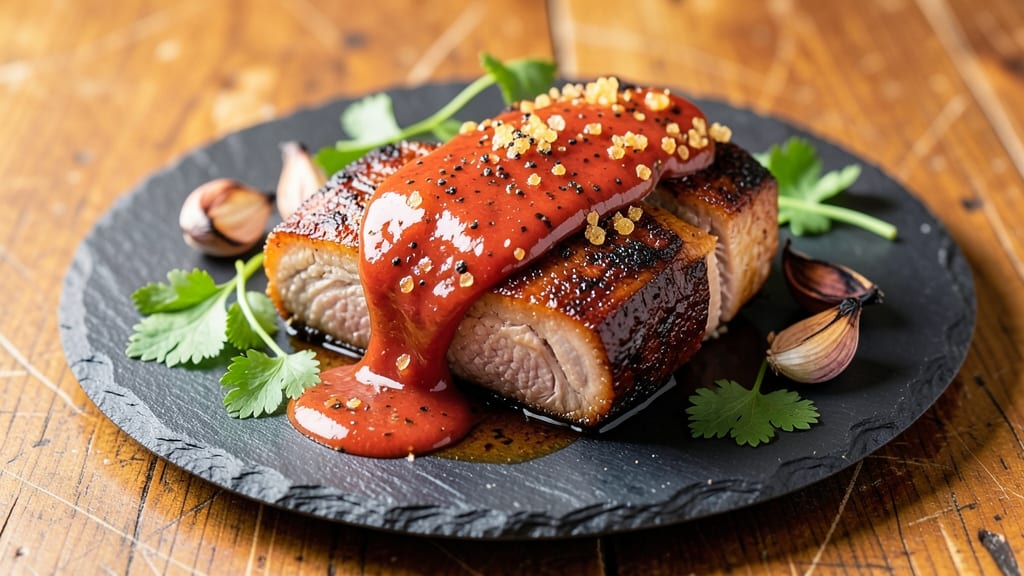
This BBQ pork neck recipe delivers the perfect marriage of smoky bark and melt-in-your-mouth tenderness that turns every bite into a revelation. 🔥 After years of perfecting my pitmaster techniques—from the right wood selection to the ideal internal temperature—I’ve cracked the code for restaurant-quality results at home, whether you’re smoking, grilling, or even using your oven.
The secret lies in the slow-cooked magic that transforms tough cuts into fall-apart shreds while developing a deep, caramelized crust.
We’ll start with a bold dry rub packed with smoked paprika and brown sugar, then monitor that internal temperature like a pro—195–203°F—to ensure every fiber is tender without losing that coveted bark. Resting time is non-negotiable; it’s what turns good pork into extraordinary pork.
What you’ll end up with is pork so juicy it practically pools on your plate, with a crunchy exterior that shatters at every bite and a sauce that clings like it was slathered by a master.
The versatility is unmatched—serve it sliced over a bun, shredded in tacos, or as the star of a loaded BBQ platter. This isn’t just pork; it’s a centerpiece.
Whether you’re firing up the smoker for the first time or you’re a seasoned pitmaster, this method delivers foolproof results—no guesswork, just guaranteed satisfaction. Let’s get started on creating pork that’ll have your guests begging for the recipe.
Ingredients for bbq pork neck
Six ingredients transform tough pork neck into restaurant-quality BBQ masterpiece.
| Ingredient | Amount | Notes |
|---|---|---|
| Pork Neck Bones 🐖 | 4 lb | Fresh or frozen, meaty ends preferred |
| Smoked Paprika 🌶️ | ¼ cup | High-quality for authentic smoky flavor |
| Brown Sugar 🍚 | ½ cup | Light or dark, packed firmly |
| Kosher Salt 🧂 | ⅛ cup | Diamond Crystal preferred for balance |
| Black Peppercorns 🌶️ | 1 tbsp | Freshly cracked for robust flavor |
| Garlic Powder 🧄 | 1 tbsp | No garlic salt, pure powder only |
| Onion Powder 🧅 | 1 tbsp | Freshly ground preferred |
| Mustard Powder 🍯 | 1 tsp | Yellow or Dijon, for depth |
| Apple Cider Vinegar 🍎 | ¼ cup | For tangy balance in sauce |
| Yellow Mustard 🍯 | ¼ cup | Smooth, no lumps |
| BBQ Sauce 🍅 | 1 cup | Store-bought or homemade preferred |
| Wood Chips 🌳 | 2 cups | Hickory or cherry for smoky flavor |
| Butter 🧈 | ¼ cup | Unsalted, for basting |
| Fresh Cilantro 🌿 | ¼ cup | Chopped, for garnish |
The pork neck is your canvas—look for meaty ends with good marbling at Costco or Whole Foods. Fresh is ideal, but frozen works if thawed overnight in the fridge. Trader Joe's often carries pre-cut pork necks, saving you the hassle of trimming. For the dry rub, Penzeys smoked paprika is worth the splurge—it's the backbone of that authentic BBQ flavor. Brown sugar should be packed firmly; don't fluff it or you'll end up with less than you need. The wood chips? Hickory gives classic smokiness, while cherry adds subtle sweetness—mix them for complexity.
No smoked paprika? Substitute half with regular paprika plus a pinch of liquid smoke. Running low on brown sugar? White sugar plus a dash of molasses works in a pinch. The apple cider vinegar can be swapped for white vinegar, but you'll lose some depth. For the BBQ sauce, Sweet Baby Ray's is a crowd-pleaser, but homemade with ketchup, vinegar, and spices beats it every time. The mustard powder? Dijon adds a sophisticated tang, but regular yellow works fine. If you're grilling instead of smoking, soak the wood chips in water for 30 minutes to create more smoke.
Pork neck keeps beautifully—3-4 days in the fridge if wrapped tightly in butcher paper. For longer storage, freeze for up to 3 months. The dry rub stays potent for 6 months in an airtight container. I always make extra—it's perfect for brining chicken or seasoning roasts later. The finished pork? Shreds best when rested 15-20 minutes after cooking. Use the leftovers for tacos, sandwiches, or loaded baked potatoes—trust me, it's even better the next day.
Why You'll Love This Recipe
- Foolproof Prep: I swear by this—just toss the bones in a dry rub of smoked paprika, brown sugar, and salt, then let the oven do the work. No chopping, no fuss, and the bones render down into fall-off-the-bone goodness without me hovering over the stove.
- Smoky-Sweet Magic: That deep, smoky kick from the paprika mixed with caramelized brown sugar? It’s the kind of flavor that makes you pause mid-bite. The peppercorns add a subtle bite, but honestly, the pork neck bones soak up the rub like a sponge—rich, sticky, and impossible to resist.
- Leftover Goldmine: Between us, this is my secret weapon for lazy days. Shred the leftovers into tacos, sandwiches, or even a quick stir-fry—it’s that versatile. I’ve fed a crowd with one batch, and my freezer’s always stocked with a backup.
- Budget-Friendly Feast: Pork neck bones are the unsung hero of affordable meat. A pound goes a long way, and the slow-cooked result tastes like a fancy cut without the price tag. Plus, the rub costs pennies—just salt, sugar, and a pinch of spice. Pure win.
Step-by-step instructions for slow-smoked pork neck
Here's how to transform tough pork neck into fall-off-the-bone tender shreds with a perfect bark.
🔥 Step 1: Build the Dry Rub and Season the Pork
In a large bowl, combine the 0.25 cup smoked paprika, 0.5 cup brown sugar, 0.125 cup kosher salt, 1 tbsp freshly cracked black peppercorns, 1 tbsp garlic powder, 1 tbsp onion powder, and 1 tsp mustard powder. Mix thoroughly until the spices are evenly distributed and the sugar crystals are broken down.
Pat the 4 lb pork neck bones completely dry with paper towels—this is crucial for developing that beautiful bark. Generously coat every surface with the rub, pressing it into the meat so it adheres well. I like to use my hands for this, working the rub into all the crevices and even inside the bone cavity. Let the seasoned pork rest at room temperature for 30 minutes before smoking to ensure even cooking.
🔥 Step 2: Prepare the Smoker and Start Cooking
Set up your smoker using the 2 cups wood chips (hickory or cherry work best) and preheat to 225°F. I use a water pan in the smoker to maintain moisture throughout the cook. Place the seasoned pork neck bones fat-side up on the smoker grates—this allows the rendered fat to baste the meat as it cooks.
Close the lid and maintain a steady 225°F temperature. Resist the urge to open the smoker during the first 4 hours—every time you peek, you lose heat and moisture. The pork will take 8-10 hours to reach an internal temperature of 195-203°F (this is when it becomes probe-tender). You'll know it's ready when a meat probe slides in like butter with no resistance.
🥘 Step 3: Create the Tangy Glaze and Finish Cooking
While the pork smokes, prepare the glaze by combining the 0.25 cup apple cider vinegar, 0.25 cup yellow mustard, and 1 cup BBQ sauce in a saucepan. Bring to a simmer over medium heat and cook for 5-7 minutes until slightly thickened. Set aside to cool slightly.
Once the pork reaches 195°F, brush it generously with the glaze mixture. Return it to the smoker and continue cooking for another 30-45 minutes, basting with the glaze every 15 minutes. The glaze will caramelize and create that beautiful sticky crust we're after. Watch closely—the pork is done when it reaches 203°F and the bark is deep mahogany in color.
⏰ Step 4: Rest and Prepare for Serving
Remove the pork from the smoker and transfer it to a cutting board. Let it rest for at least 1 hour (I prefer 2 hours in a warm oven set to 170°F) before shredding. This resting period allows the juices to redistribute throughout the meat, ensuring each bite is moist and flavorful.
To shred, pull the meat away from the bone using two forks or your hands. Discard any large fat deposits or connective tissue. Toss the shredded pork with any accumulated juices and 0.25 cup melted butter to keep it tender. Garnish with 0.25 cup chopped fresh cilantro just before serving for a bright finish.
Pro Tips For Making Bbq Pork Neck
- CRANK THE HEAT FIRST: Start your pork neck bones over medium-high heat—no simmering right away. I learned this the hard way: rushing to low heat means you’re stuck with bland, gray meat instead of that deep, caramelized crust. Let the bones sear for 5 minutes per side until they’re dark brown before adding liquid, or you’ll regret it.
- SALT THE BONES BEFORE SEASONING: Generously coat the pork neck bones with kosher salt before adding smoked paprika or brown sugar. My grandmother swore by this, and she was right: the salt draws out moisture, which crisps beautifully when it reabsorbs during cooking—giving you that perfect snap. Skip this, and your seasoning just sits on top like dust.
- STOP BASTING WITH SUGAR: That brown sugar glaze? It’s not just for flavor—it’s for sticking. After the first hour, resist the urge to slather it on like syrup. Brush it on lightly every 30 minutes instead, or you’ll end up with a sticky, burnt mess instead of a glossy, balanced crust. Think "drizzle," not "drown."
- USE A MEAT THERMOMETER: Pork neck bones are forgiving, but don’t guess when they’re done. Pull them at 195°F—yes, even if they look undercooked. I was skeptical until I tried it: the collagen breaks down just right, turning the meat into tender, pull-apart goodness. No thermometer? You’re gambling with texture.
Best sauces and condiments for this recipe
Classic Tangy BBQ Sauce
My go-to sauce for pork neck combines 1 cup BBQ sauce (like Sweet Baby Ray's), ¼ cup apple cider vinegar, and ¼ cup yellow mustard. Simmer for 5-7 minutes to thicken slightly—this creates that perfect balance of sweet, tangy, and smoky flavors.
Brush it on during the last 45 minutes of cooking for a sticky, caramelized finish. 🍯
Spicy Vinegar Glaze
For a kick, swap the mustard for 2 tbsp hot sauce (like Cholula) and add 1 tbsp honey to the vinegar glaze. This creates a sweet-spicy contrast that cuts through the richness.
I use it on the last 30 minutes of cooking, basting every 10 minutes for maximum flavor penetration.
Butter Basting
After the pork reaches 195°F, melt ¼ cup unsalted butter and brush it over the meat. The fat renders beautifully, creating a golden crust while keeping the interior juicy. I like to do this right before serving—it adds a luxurious richness that pairs perfectly with the smoky flavors. 🧈
Smoky Chipotle Cream
For a creamy finish, blend ½ cup sour cream, 1 tbsp adobo sauce (from canned chipotles), and 1 tsp smoked paprika. Dollop this on top of shredded pork just before serving—it adds a cool, smoky contrast that balances the heat. Perfect for those who love a creamy-savory element.
Fresh Herb Garnish
Finish with ¼ cup chopped fresh cilantro or green onions for brightness. I also like adding thinly sliced jalapeños for heat. These herbs elevate the dish by cutting through the richness and adding freshness. A sprinkle of crushed red pepper flakes adds an extra kick if desired. 🌿
Nutrition facts
Frequently asked questions
Can I cook pork neck in the oven instead of a smoker?
Preheat your oven to 275°F and place the seasoned pork neck on a rack in a roasting pan with 1 cup water below. Cover tightly with foil and cook for 6-8 hours until it reaches 195-203°F. Remove foil for the last 30 minutes to crisp the bark. This method works perfectly when you don't have a smoker.
Why does my pork neck turn out dry?
Overcooking or skipping the rest time are the most common causes. Always aim for 195-203°F internal temp and let it rest for at least 1 hour before shredding. The juices need time to redistribute. Also, avoid cutting into it too soon—patience is key for that perfect tender texture.
What's the best way to store leftover pork neck?
Store cooked pork neck in an airtight container in the fridge for 3-4 days or freeze for up to 3 months. For reheating, warm in a skillet with a splash of broth or BBQ sauce over low heat until heated through. The flavor actually improves with time!
Can I use pork shoulder instead of pork neck?
Yes, but expect different results. Pork shoulder has more fat and will yield more meat. Cook it to 195-203°F as well, but it may take 2-3 hours longer to reach the same tenderness. The texture will be slightly different but still delicious—great for sandwiches or tacos.
How do I know when the pork neck is done?
Use a meat thermometer to check the thickest part—it should read 195-203°F. The probe should slide in like butter with no resistance. The bark should also be deep mahogany in color. If you don't have a thermometer, cut into a small section—it should be fork-tender with no pink.