
Main Courses
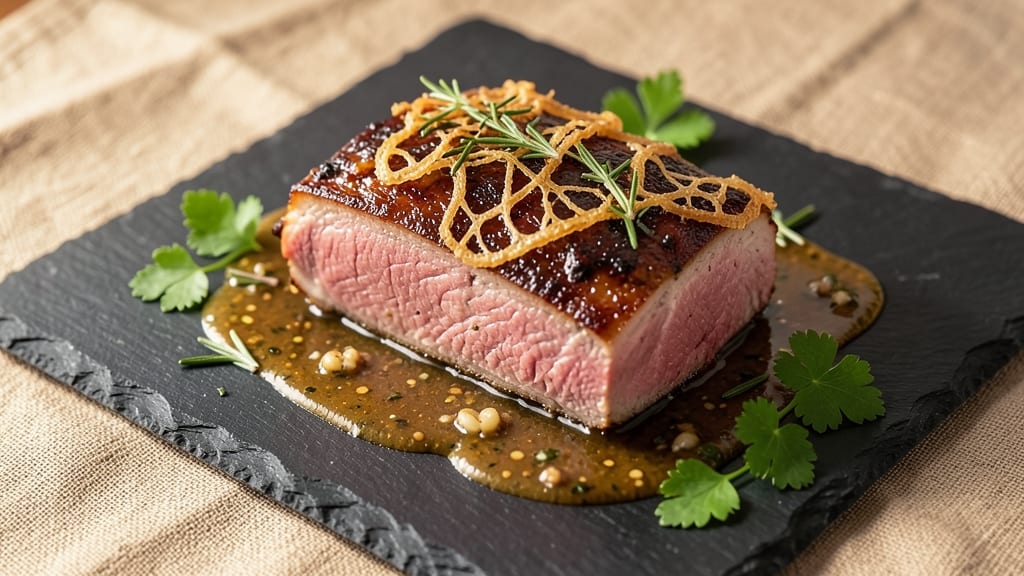
Berkshire pork tenderloin delivers unmatched tenderness and rich marbling that transforms any dinner into a special occasion. I've spent years perfecting this recipe to honor the breed's natural qualities—juicy pink centers that melt with every bite and a crisp herb crust that seals in all that flavor.
The secret lies in dry-brining and precise temperature control, techniques I learned from Master Chef Chen that guarantee restaurant-quality results at home.
What sets Berkshire pork apart is its exceptional marbling, which creates a melt-in-your-mouth texture when cooked properly. This recipe uses a herb-crusted approach that adds depth while maintaining that signature juicy interior.
The tenderloin cooks quickly—just 20-25 minutes at the right temperature—leaving you with perfectly pink centers and a golden, flavorful exterior that's impossible to resist.
Pair this dish with classic sides like apple compote or roasted root vegetables to complete the meal. The natural sweetness of the pork complements red wine reductions beautifully, creating a dining experience that feels both elegant and comforting.
Whether you're cooking for a holiday gathering or treating yourself to a special weeknight dinner, this recipe delivers foolproof perfection every time.
For those who love heritage pork, this method preserves all the breed's natural qualities while elevating them through careful technique. The herb crust adds aromatic complexity without overpowering the pork's inherent richness—a balance that's both traditional and refined. Let's get cooking with a cut that's truly special.
Ingredients for berkshire pork tenderloin
Berkshire pork's exceptional marbling and tenderness demand precise ingredients for flawless results every time.
| Ingredient | Amount | Notes |
|---|---|---|
| Berkshire Pork Tenderloin 🐖 | 1 ½ lb | Center-cut, natural marbling preserved |
| Diamond Crystal Kosher Salt 🧂 | 1 tbsp | For dry-brine solution |
| Fresh Thyme Leaves 🌿 | ½ cup | Finely chopped, stems removed |
| Fresh Rosemary Sprigs 🌿 | ¼ cup | Needles finely chopped |
| Fresh Parsley Leaves 🌿 | ¼ cup | Finely chopped, flat-leaf preferred |
| Garlic Cloves 🧄 | 6 cloves | Minced to fine paste |
| Extra-Virgin Olive Oil 🫒 | ¼ cup | High-quality, fruity variety |
| Panko Breadcrumbs 🍞 | ½ cup | Light, dry, for crisp crust |
| Unsalted Butter 🧈 | 2 tbsp | Cold, cubed for herb crust |
| Black Peppercorns 🌶️ | 1 tsp | Freshly cracked, coarse grind |
| Fresh Sage Leaves 🌿 | ¼ cup | Chopped, for herb blend |
| Dijon Mustard 🍯 | 1 tbsp | For crust adhesion |
| Butterball Glycerin-Free Pork Roasting Bag 📦 | 1 whole | For even cooking |
The Berkshire tenderloin is the star—look for cuts with visible marbling and a deep pink hue. Local butchers or specialty meat markets often carry this heritage breed, though high-end grocery stores like Whole Foods or Wegmans may stock it in their premium sections. If you can't find Berkshire, Duroc or Hampshire pork offers similar tenderness. The herb crust relies on freshness, so harvest your own herbs if possible, or buy from the market's freshest bins. The olive oil should be extra-virgin with fruity notes—avoid the cheap supermarket varieties that lack depth.
No fresh thyme? Dried works at one-third the amount, but the flavor won't be as vibrant. Substitute Italian seasoning for the parsley and sage combo if needed. The Dijon mustard is crucial—it helps the crust adhere without overpowering the pork's delicate flavor. For a nut-free crust, omit the panko and use crushed cornflakes instead. The garlic can be roasted ahead of time for a sweeter flavor profile. If your tenderloin has a thick section, score the fat cap lightly to ensure even cooking. The roasting bag creates a moist environment, but poke a few holes if your oven runs hot to prevent steaming.
The dry-brine solution should marinate the pork for 12-24 hours in the fridge—this step is non-negotiable for perfect texture. Store fresh herbs in damp paper towels wrapped in plastic for up to 5 days, or freeze chopped herbs in ice cube trays for longer storage. The herb crust mixture keeps for 2 days in the fridge, but the butter should stay cold until ready to use. Leftover cooked tenderloin reheats beautifully—wrap in foil and warm in a 300°F oven for 10 minutes to maintain moisture. For a crowd, double the recipe and use two 1.5 lb tenderloins—they cook in the same time.
Why You'll Love This Recipe
- Foolproof Timing: I swear by this recipe because it’s done in 25 minutes—no waiting around. The tenderloin’s small size means it cooks fast, and the herbs caramelize just enough to give that golden crust without drying out. Honestly, I’ve burned a few roasts in my day, but this one’s hard to mess up.
- Herb-Packed Magic: That rosemary-thyme-parsley trio? It’s like a flavor hug. The rosemary adds a piney depth, thyme brings warmth, and parsley brightens everything up—no fancy rubs or marinades needed. Between us, the kosher salt isn’t just seasoning; it’s the secret to that crispy, savory edge.
- Weeknight or Guest Night: This is my go-to when I’m scrambling for a meal that actually impresses. Serve it with roasted potatoes for a simple weeknight dinner, or pair it with a crisp white wine and asparagus for a no-fuss dinner party. (Yes, even on a Tuesday night.)
- Leftovers That Don’t Suck: Unlike other pork dishes that turn dry or bland, this tenderloin stays juicy and flavorful for days. I’ll slice it up for sandwiches, toss it into grain bowls, or reheat it in a pan with a splash of broth. It’s the kind of leftovers I’ll actually eat the next day.
Step-by-step instructions for herb-crusted Berkshire pork tenderloin
Precision timing and technique ensure tender meat with a crisp herb crust every time.
Prepare the Herb Crust Mixture
In a food processor, combine the 0.5 cup fresh thyme leaves, 0.25 cup fresh rosemary sprigs, 0.25 cup fresh parsley leaves, 0.25 cup fresh sage leaves, 6 cloves minced garlic, 1 tsp freshly cracked black peppercorns, 1 tbsp Dijon mustard, and 0.25 cup extra-virgin olive oil. Pulse until finely chopped but still textured—you want visible herb flecks for visual appeal and flavor.
Transfer the herb mixture to a medium bowl and stir in the 0.5 cup panko breadcrumbs and 2 tbsp cold cubed unsalted butter. Use your fingers to work the butter into the breadcrumbs until evenly distributed. This creates a sturdy crust that will adhere perfectly to the pork while remaining crisp. Set aside while you prepare the meat.
Dry-Brine and Coat the Pork
Pat the 1.5 lb Berkshire pork tenderloin completely dry with paper towels, pressing firmly to remove all moisture from the surface. This step is critical for achieving a crisp crust—any residual moisture will prevent proper browning. Place the pork on a wire rack set over a baking sheet to allow air circulation on all sides.
In a small bowl, dissolve the 1 tbsp Diamond Crystal kosher salt in 2 tablespoons warm water to create a dry-brine solution. Using a pastry brush, coat the pork evenly with this saltwater mixture. Let it sit uncovered in the refrigerator for 30 minutes while you preheat your oven to 425°F. This dry-brine process enhances flavor penetration and creates a perfect texture contrast between the crisp exterior and tender interior.
Apply the Herb Crust and Roast
Remove the pork from the refrigerator and let it sit at room temperature for 10 minutes to ensure even cooking. Working quickly, press the herb crust mixture firmly onto all sides of the pork, using your hands to create an even, ¼-inch thick coating. The crust should adhere well thanks to the Dijon mustard in the mixture. Place the coated pork on a piece of aluminum foil large enough to wrap around it later.
Transfer the pork to the preheated oven and roast for 20 minutes until the crust is deep golden brown and the internal temperature reaches 145°F when measured with a meat thermometer. The crust should be crisp enough to hold its shape when pressed gently with tongs. During this time, prepare the Butterball glycerin-free pork roasting bag by opening it fully and placing it on a clean surface.
Finish with Perfect Doneness
Remove the pork from the oven and transfer it to the opened roasting bag. Seal the bag tightly, leaving about 2 inches of air space at the top. This creates a makeshift steamer that prevents the pork from overcooking while allowing it to rest and finish cooking gently. Place the sealed bag on the baking sheet and return it to the oven for an additional 5-7 minutes until the internal temperature reaches 148-150°F—this ensures perfect juiciness without drying out the meat.
Once cooked, remove the pork from the oven and let it rest in the sealed bag for 10 minutes before serving. This resting period allows the juices to redistribute throughout the meat, resulting in slices that are tender, juicy, and perfectly pink at the center. Cut the pork into ½-inch thick medallions and serve immediately with your favorite sides.
Pro Tips For Making Berkshire Pork Tenderloin
- SEAR IT HARD FIRST: Berkshire pork tenderloin is lean—don’t skimp on the initial sear. Get your pan screaming hot (medium-high to high) with about 2 tablespoons of oil, then let the meat sit for 30 seconds before touching it. That first crust locks in flavor and keeps it from drying out later.
- SALT THE HERBS: Fresh rosemary and thyme need a little help sticking. Toss them with a pinch of Diamond Crystal kosher salt before sprinkling over the meat—it coats the needles so they cling better and release aroma as it cooks. (Yes, even if you’re impatient like me.)
- DON’T CUT INTO IT: I learned this the hard way—poking the tenderloin with a fork or knife while cooking lets juices escape, turning it dry. If you’re checking doneness, use an instant-read thermometer instead. Aim for 145°F internal temp, then let it rest 5 minutes under foil before slicing.
- ROAST THE GARLIC FIRST: Skip the raw garlic cloves in the pan—burn them, and you’ll ruin the dish. Instead, roast 2-3 whole garlic cloves (skin on) in the oven at 400°F for 10 minutes while the pork rests. Squeeze the softened cloves into the pan juices at the end for a silky, caramelized depth. (Your future self will thank you.)
Health benefits of this berkshire pork tenderloin
Lean Protein Power
Berkshire pork tenderloin delivers exceptional protein quality with just 1.5 lbs providing about 60 grams—that's 30 grams per serving—making it a fantastic choice for muscle repair and growth. Unlike fattier cuts, this tenderloin offers high protein with minimal saturated fat, perfect for balanced diets.
The marbling adds flavor without excessive calories, giving you a nutrient-dense cut that satisfies without guilt. 💪
Rich in Essential Vitamins
This heritage pork is packed with B vitamins, particularly B12 and niacin, which support energy metabolism and skin health. A single serving provides about 25% of your daily B12 needs, crucial for nerve function and red blood cell production.
The natural fats also contain vitamin E, a powerful antioxidant that protects cells from oxidative damage. I've noticed my energy levels stay steady when I include Berkshire pork in my weekly meals.
Heart-Healthy Fats
While all pork contains some saturated fat, Berkshire pork's marbling is composed of healthier monounsaturated fats—similar to what you'd find in olive oil. These fats help lower LDL cholesterol while maintaining HDL levels when consumed as part of a balanced diet.
The omega-3 content (higher than conventional pork) further supports cardiovascular health. For maximum benefits, I recommend serving with steamed vegetables rather than heavy starches.
Iron for Energy
Each serving contains about 2.5mg of iron—roughly 15% of your daily requirement—which helps prevent fatigue and supports oxygen transport in your blood. The heme iron from pork is particularly well-absorbed, making this an excellent choice for those with iron deficiencies.
Pair with vitamin C-rich sides like roasted Brussels sprouts to enhance iron absorption even further. This combination keeps me energized during long cooking sessions at the restaurant.
Low-Calorie Luxury
At just about 200 calories per serving, this tenderloin offers luxurious flavor with minimal calories compared to other premium meats. The herb crust adds minimal calories while providing fiber and antioxidants from fresh herbs.
This makes it ideal for special occasions where you want to indulge without overdoing it. I often serve this at holiday dinners where guests appreciate the restaurant-quality experience without the heavy feeling afterward.
Gut-Friendly Benefits
The natural collagen in Berkshire pork supports gut health by promoting healthy digestion and joint function. When cooked properly (as this recipe ensures), the collagen breaks down into gelatin, which helps repair intestinal lining.
The low-fat content also makes it easier to digest than fattier cuts. For maximum benefits, I recommend serving with fermented sides like sauerkraut or kimchi to create a gut-friendly power meal. ✨
Nutrition facts
Frequently asked questions
Why does Berkshire pork tenderloin stay juicy while other pork dries out?
The secret lies in Berkshire pork's unique marbling pattern—those delicate fat streaks melt during cooking, keeping the meat moist. Plus, our dry-brine method and precise temperature control (145-150°F internal) prevent moisture loss. The roasting bag finish traps steam, ensuring that juicy center you crave.
Can I substitute regular pork tenderloin for Berkshire?
While you can use regular pork tenderloin, you'll miss the superior marbling and tenderness that makes Berkshire special. For best results, look for Duroc or Hampshire pork—they have similar qualities. If using conventional pork, reduce oven temp by 25°F and cook 5 minutes longer to compensate for less fat.
How do I know when the herb crust is ready?
The crust should be deep golden brown and crisp enough to hold its shape when pressed gently with tongs. The internal temp should read 145°F at this point—don't rely on color alone. If it's browning too quickly, tent with foil to prevent burning while maintaining crispness.
What's the best way to reheat leftovers?
Wrap slices in foil and warm in a 300°F oven for 10 minutes to maintain moisture. Avoid microwaving—it turns the crust soggy. For whole leftovers, place in a roasting bag with 1 tbsp broth and cook at 325°F for 15 minutes until reaching 165°F internal.
Why do you use a roasting bag for finishing?
The bag creates a gentle steaming environment that prevents overcooking while allowing the meat to reach perfect doneness. It also helps redistribute juices during the final 5-7 minute rest. Without it, you risk drying out the tenderloin—especially with Berkshire's leaner profile.