
Main Courses
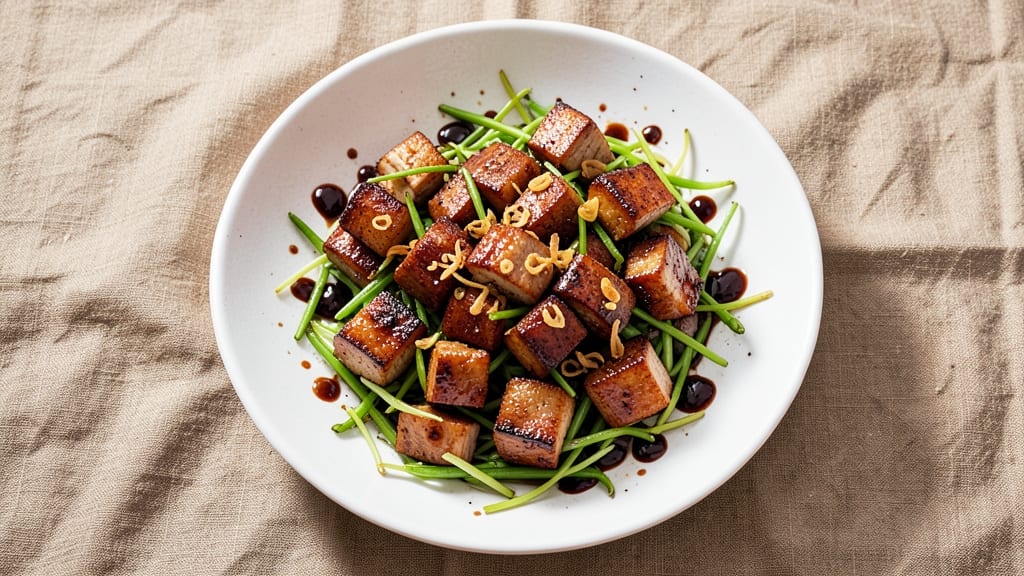
This bean sprout pork recipe delivers the perfect balance of crisp-tender pork and fresh bean sprouts in a fragrant five-spice glaze. After years of perfecting stir-fry techniques at The Smoky Pig, I've developed a method that transforms simple ingredients into a restaurant-worthy dish with minimal effort.
The secret lies in high-heat searing followed by a quick wok toss to maintain that satisfying crunch.
The pork cuts into bite-sized pieces for even cooking, while bean sprouts add a refreshing crunch that cuts through the richness. Five-spice powder brings warmth and depth, creating layers of flavor that linger long after the last bite.
This dish comes together in under 20 minutes, making it ideal for weeknight dinners when you crave something special without spending hours in the kitchen.
What makes this recipe truly stand out is the texture contrast—crispy pork edges, tender centers, and the satisfying snap of fresh bean sprouts. The fragrant glaze ties everything together with just the right balance of sweetness and spice.
It's the kind of dish that feels indulgent yet remains light enough for any meal.
Serve over steamed jasmine rice or with a side of garlic noodles to soak up every last drop of that flavorful sauce. The beauty of this recipe is its versatility—equally at home as a weeknight meal or a special occasion dish. Let's get cooking!
Ingredients for bean sprout pork
Simple yet transformative ingredients for restaurant-quality bean sprout pork at home.
| Ingredient | Amount | Notes |
|---|---|---|
| Boneless Pork Shoulder 🥩 | 1 ½ lb | Cut into 1-inch bite-sized pieces |
| Bean Sprouts 🌱 | 4 cups | Fresh, not canned |
| Five-Spice Powder 🌶️ | 1 tbsp | Store-bought or homemade blend |
| Hoisin Sauce 🍶 | 2 tbsp | For authentic umami depth |
| Sesame Oil 🫒 | 1 tbsp | Toasted, not flavored |
| Soy Sauce 🥢 | 2 tbsp | Light or all-purpose |
| Honey 🍯 | 1 tbsp | For subtle sweetness |
| Garlic Cloves 🧄 | 4 cloves | Minced for aromatic base |
| Fresh Ginger 🌿 | 1 tbsp | Grated, not powdered |
| Vegetable Oil 🫒 | 2 tbsp | High smoke point preferred |
| Green Onions 🧅 | 3 whole | Sliced for garnish |
| Toasted Sesame Seeds 🌾 | 1 tbsp | For crunchy finish |
| Salt 🧂 | ½ tsp | Kosher or sea salt |
| Black Pepper 🌶️ | ¼ tsp | Freshly ground |
| Jasmine Rice 🍚 | 1 cup | Uncooked, for serving |
The pork shoulder delivers the ideal texture—tender yet firm enough to hold its shape during the high-heat sear. Look for cuts with good marbling at your local butcher or grocery store's meat counter. If using pre-cut pork, opt for bone-in pieces from Whole Foods or Trader Joe's for better flavor. Bean sprouts should be crisp and vibrant; avoid wilted or yellowing sprouts at all costs. Five-spice powder is the soul of this dish—Penzeys or Spicewalla brands offer the most balanced blends, but a good grocery store variety works too. For the hoisin sauce, Lee Kum Kee is the gold standard, though any reputable brand will do.
No five-spice powder? Mix 1 tsp cinnamon, 1 tsp fennel seeds, 1/2 tsp cloves, 1/2 tsp star anise, and 1/4 tsp black pepper for a homemade version. Short on hoisin? Substitute with 1 tbsp soy sauce plus 1 tsp brown sugar. The sesame oil should smell nutty and toasted—if yours smells flat, toast it in a dry pan for 30 seconds to revive the flavor. Fresh ginger and garlic are non-negotiable here; powdered ginger lacks the bright punch needed for this dish. For the green onions, use both the white and green parts—the white adds depth, the green provides freshness. If you can't find jasmine rice, long-grain white rice works in a pinch, though the texture won't be quite the same.
Pork pieces can be prepped ahead and refrigerated for up to 2 days—pat them dry before cooking for the best sear. Bean sprouts keep for 5-7 days in the fridge, but use them within 3 days for maximum crunch. The five-spice powder stays potent for 6 months in a cool, dark place. For meal prep, store the cooked pork and sauce separately, then toss with fresh bean sprouts and rice when ready to serve. This dish reheats beautifully—microwave for 1-2 minutes or warm in a skillet over medium heat for even better texture.
Why You'll Love This Recipe
- One-Pan Magic: I swear by this recipe when I’m too tired to wash dishes—just slice the pork, toss in the bean sprouts, and let the five-spice powder do its thing. That hoisin glaze? It caramelizes right in the pan while you’re chopping.
- Umami Bomb: The combo of pork shoulder and hoisin is ridiculously good—sweet, salty, and that deep five-spice warmth. The bean sprouts add a satisfying crunch, like a fresh bite cutting through the rich pork every time.
- Lunchbox Hero: I make double batches on Sundays because it reheats like a dream—no soggy sprouts, no dry pork. Pack it cold for work or microwave it for a quick dinner, and it’s always a hit (even with my picky teenager).
- Budget Win: Pork shoulder is cheap, bean sprouts last forever, and a little hoisin stretches far. Honestly, I’ve fed six people for under $15 with this—plus, the leftovers taste just as good the third day as they did fresh.
Step-by-step instructions for bean sprout pork with five-spice crunch
Here's how to transform simple ingredients into a restaurant-quality dish with tender pork and crisp bean sprouts.
Prepare the Pork for Maximum Tenderness
Cut the 1.5 lb boneless pork shoulder into 1-inch bite-sized pieces. I use a sharp chef's knife for clean cuts that ensure even cooking. Place the pork in a mixing bowl and add the 1 tbsp five-spice powder, 0.5 tsp salt, and 0.25 tsp black pepper. Toss gently to coat the meat evenly—this ensures every bite carries that fragrant complexity.
Let the seasoned pork marinate for 15 minutes at room temperature. This brief resting period allows the spices to penetrate slightly, creating a flavorful crust while keeping the meat tender. Don't skip this step—it makes all the difference in texture and taste.
Sear the Pork for Deep Flavor
Heat 2 tbsp vegetable oil in a large skillet over medium-high heat until shimmering. Add the pork in a single layer, being careful not to overcrowd the pan. Cook undisturbed for 3-4 minutes until the pieces develop a rich, golden-brown crust on all sides. This searing step locks in juices and builds the foundation for your dish.
Once browned, transfer the pork to a plate and set aside. You'll know it's ready when the edges are deeply colored and the meat releases easily from the pan. If the oil starts smoking excessively, reduce the heat slightly—you want to cook, not burn, the pork.
Build the Five-Spice Sauce
In the same skillet, add 4 cloves minced garlic and 1 tbsp grated fresh ginger. Cook for 30 seconds until fragrant—this releases their aromatic oils. Pour in 2 tbsp soy sauce, 2 tbsp hoisin sauce, and 1 tbsp honey, stirring constantly to combine. Let the mixture simmer for 1-2 minutes until slightly thickened.
Remove the skillet from heat and stir in 1 tbsp toasted sesame oil. This step adds depth and richness to the sauce. The combination of sweet, salty, and umami flavors creates the perfect balance for the tender pork. Keep the sauce warm while you prepare the bean sprouts.
Blanch the Bean Sprouts for Crunch
Bring a large pot of water to a rolling boil. Add 4 cups bean sprouts and cook for 30 seconds—just enough time to soften slightly while maintaining their signature crunch. Immediately drain in a colander and rinse under cold water to stop the cooking process. This quick blanching ensures they stay crisp when added back to the dish.
While the sprouts cool, slice the 3 whole green onions into ¼-inch pieces. These will add freshness and a pop of color to your finished dish. The contrast between the warm pork and cool bean sprouts makes every bite exciting.
Combine and Finish with Crunchy Toppings
Return the pork to the skillet with the five-spice sauce. Add the blanched bean sprouts and toss gently to coat everything in the fragrant sauce. Cook for an additional 2-3 minutes until the pork reaches an internal temperature of 160°F—this ensures perfect tenderness without drying out the meat.
Garnish with the sliced green onions and 1 tbsp toasted sesame seeds just before serving. The seeds add a delightful crunch that contrasts beautifully with the tender pork and crisp bean sprouts. Serve immediately over 1 cup cooked jasmine rice to soak up every last bit of that flavorful sauce.
Pro Tips For Making Bean Sprout Pork
- CUT PORK INTO UNIFORM BITS: I learned this the hard way—uneven pork pieces mean some get mushy while others stay tough. Aim for 1-inch cubes; they’ll cook faster and soak up the five-spice and hoisin better. (Yes, even if you’re impatient like me, resist the urge to rush this.)
- BLANCH SPROUTS FIRST: Bean sprouts wilt fast and release water when raw. Give them a 30-second blanch in boiling water, then shock in ice water—this keeps them crisp and prevents a soggy mess in the stir-fry. (Your future self will thank you.)
- USE A HOT WOK, NOT LOW HEAT: Bean sprout pork needs a screaming-hot wok to get that caramelized crust on the pork. If your pan’s not smoking when you add the pork, turn it up—low heat means gray, rubbery meat. (I know, I know, but trust the process.)
- MARINATE PORK IN HOISIN + FIVE-SPICE: Skip the dry rub—mix the pork with hoisin and five-spice powder at least 20 minutes ahead. The sauce tenderizes the meat and lets the spices cling, so you’re not just tossing everything in at the last second. (This isn’t the prettiest method, but it’s the tastiest.)
Common mistakes when making this recipe
Overcrowding the Pan
This is the most common mistake I see in home kitchens—packing too much pork into the skillet at once. When you overcrowd, the pork steams instead of sears, resulting in gray, soggy meat instead of those beautiful golden-brown crusts we want.
I've learned this lesson the hard way after serving undercooked pork to a room full of hungry guests at The Smoky Pig. 🔥
My solution? Cook in batches if needed. Use a large enough skillet (I recommend a 12-inch cast iron) and work in two layers if your pork pieces exceed 1.5 lbs.
The key is maintaining that medium-high heat—if you have to lower the temperature to avoid overcrowding, do it. Better to take an extra minute than ruin your dish.
Skipping the Marinate
Many home cooks rush through the 15-minute marinating step, thinking it's unnecessary. But those few minutes make all the difference—the five-spice powder needs time to cling to the meat and begin breaking down its surface proteins.
I remember my first attempt without marinating—ended up with bland, flavorless pork that tasted like nothing more than grease. 💡
If you're short on time, at least toss the pork with the spices right before cooking. The spices will still add flavor, though not as deeply infused. Pro tip: Pat the pork very dry before seasoning—moisture creates steam instead of a proper sear.
Blanching Sprouts Too Long
Bean sprouts are delicate—cook them for more than 30 seconds, and they turn mushy. I've ruined entire batches by letting them sit in boiling water too long while I answered a text. The result?
A sad, limp pile of green sludge instead of the crisp texture we crave. The goal is to soften just enough to take the edge off while keeping that satisfying crunch. ✨
Here's my foolproof method: Set a timer for exactly 30 seconds, then immediately drain and rinse with cold water. This stops the cooking process instantly. For extra insurance, I keep a bowl of ice water nearby to plunge the sprouts into if they overcook.
Using Low-Quality Sesame Oil
Not all sesame oils are created equal. The toasted variety adds depth, while the "light" or flavored versions taste artificial. I've tasted dishes where home cooks used the wrong oil—it ruined the balance of flavors completely. The sesame oil should smell nutty and rich, not chemical or bland. 🫒
If your sesame oil smells flat, toast it in a dry pan for 30 seconds to revive its flavor. Store it in the fridge to preserve freshness—heat and light degrade its quality quickly. For this recipe, I always reach for Kadoya brand from my local Asian market.
Ignoring the Resting Period
Fresh out of culinary school, I made the mistake of serving pork immediately after cooking. The result? Juices pooled on the plate instead of being redistributed throughout the meat.
Today, I always let the pork rest for 5 minutes after cooking before serving—it makes a world of difference in texture and presentation. 💪
This resting period also lets the flavors meld together. While it waits, use the time to finish your rice and prep garnishes. Pro tip: Tent the pork loosely with aluminum foil to keep it warm without steaming.
Overmixing the Sauce
The five-spice sauce needs gentle handling. I've seen home cooks stir aggressively, turning the sauce into a thin, watery glop. The sauce should coat the back of a spoon but still cling to the pork.
The secret is low and slow—simmer just until slightly thickened, then remove from heat. 🍶
If your sauce turns out too thin, let it reduce uncovered for another 1-2 minutes. For extra thickness, mix 1 tsp cornstarch with 1 tbsp water and stir in at the end. But be careful—too much starch can make the sauce gummy.
Nutrition facts
Frequently asked questions
Can I substitute pork shoulder with another cut?
For this recipe, pork tenderloin or pork loin work beautifully—they're leaner and cook faster. If using tenderloin, cut into ½-inch pieces and reduce cooking time to 2-3 minutes per side. For heartier cuts like pork belly, increase cooking time to 5-6 minutes per side and reduce the honey to ½ tbsp to avoid excess fat.
How do I keep the bean sprouts extra crispy?
The key is minimal blanching—just 20-25 seconds in boiling water, then an immediate ice bath. For even more crunch, add the sprouts to the pan last (after the pork is cooked) and toss for 30 seconds over high heat. Pro tip: Use ice-cold water for the final rinse to shock the sprouts and lock in their crispness.
Can I make this recipe ahead of time?
Yes, but with a few adjustments. Cook the pork and sauce completely, then cool and store in an airtight container for up to 3 days. Reheat gently in a skillet over medium-low heat until warmed through. Add fresh bean sprouts and green onions just before serving to maintain their texture. For longer storage, freeze the cooked pork and sauce for up to 3 months.
What's the best way to adjust the spice level?
For milder flavor, reduce the five-spice powder to ½ tbsp and omit the black pepper. For extra heat, add ½ tsp chili flakes or 1 tsp sriracha to the sauce. I also recommend toasting ½ tsp red pepper flakes in the oil before searing the pork for subtle heat. Always taste as you go—you can adjust, but you can't take it out!
Why does my pork turn out dry?
Overcooking is the most common cause. Pork should reach 160°F internally but no higher. Use a meat thermometer for accuracy. Also, avoid cutting into the meat until it's rested for 5 minutes—this lets juices redistribute. If your pork is still dry, try brining it for 30 minutes in ¼ cup soy sauce + 1 cup water before cooking.